.svg)




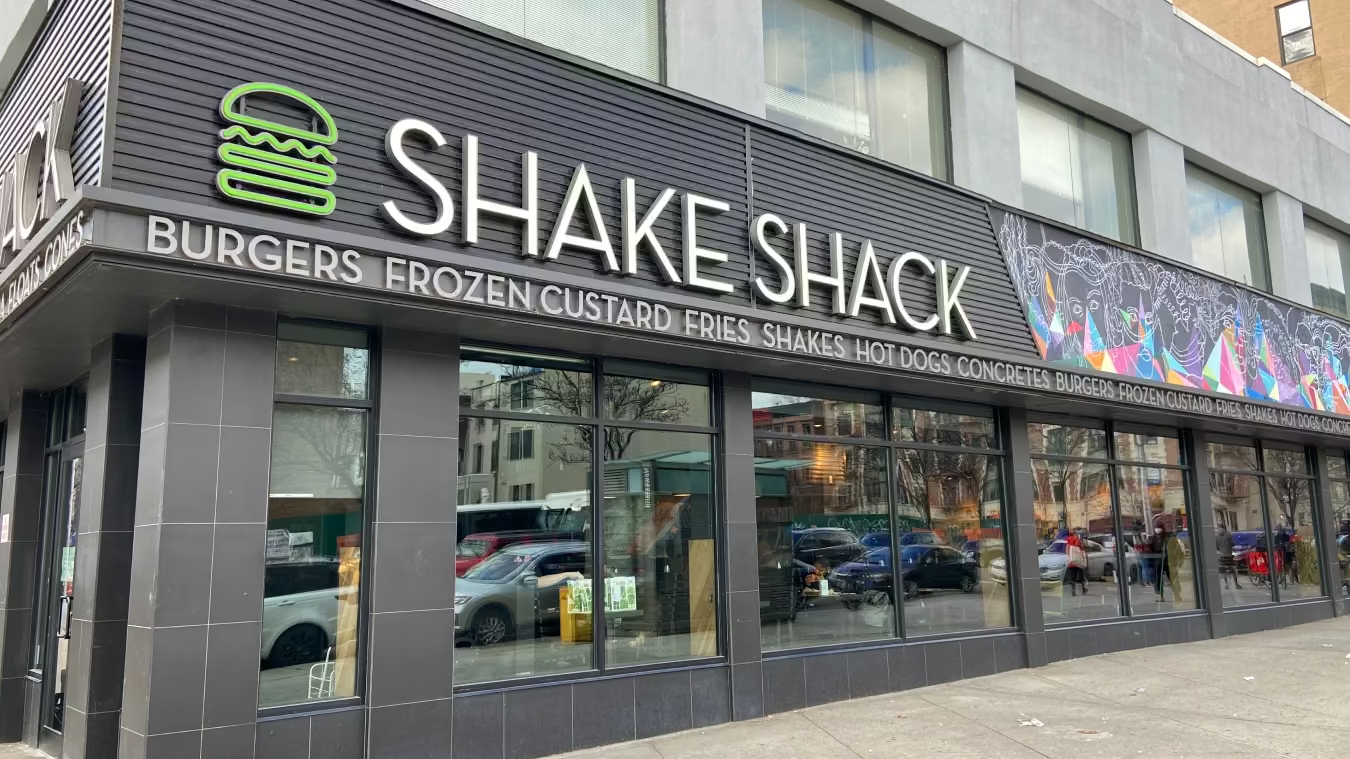


Shake Shack Breaks New Ground
Shake Shack began as a hot dog cart in Manhattan’s Madison Square Park, and for most of its history its growth followed dense, affluent city neighborhoods. That is changing. The company has set a long-term target of 1,500 company-operated stores – several times its current size – and leadership has said that much of its future growth will come from the suburbs.
As Shake Shack heads out into those markets, Q3 traffic data suggests the brand’s strategy is beginning to put meat on the bones: same-store visits are growing and its audience is expanding beyond the urban, high-earning base that the brand was built on.
Visits Grow Beyond New Openings
Coming off its strongest second quarter of openings on record, overall visits to Shake Shack rose 18.7% year-over-year (YoY) in Q3 2026.
But new openings aren’t the whole story. Same-store visits also grew 2.8%, extending the gains seen in Q1 and Q2. The quarter’s promotions may have helped draw guests to existing Shacks: A West Coast–inspired limited-time menu arrived in July, and the chain’s $2, $4, and $6 app offers supplied guests with a steady value option. And audience segmentation data suggests that a broadening customer base may also be helping to fuel that growth.
An Audience Beyond the Urban Core
As Shake Shack expands, it is drawing a broader range of income groups than it used to. Though the chain still overindexes among affluent crowds, the median household income of its captured market has dropped steadily over the past two years, edging closer to the national figure.
Its audience is also tilting toward families. Though Shake Shack still draws plenty of high-earning city professionals, its reach has grown among affluent and working-class suburban families alike. Both suburban groups gained share of the chain’s captured market over the past two years as the urban group’s share declined. New Shacks in the suburbs put the brand closer to families, and the convenience of a drive-thru may make it an attractive stop for households with kids.
For a brand built on city professionals, this broadening suggests its appeal can travel well beyond its original turf, even as its audience remains relatively affluent.
How Far From the Park?
Each new suburban Shack takes the brand a little further from the park where it started. So far, it is finding a growing following in the suburbs while its established stores keep gaining visits. Can Shake Shack turn that increased reach into lasting demand?
For more data-driven dining insights, visit placer.ai/anchor.


%20(1).avif)