.svg)






Retail Wins the Race
Halfway through the summer, brick-and-mortar retail visits continue to outpace dining, though restaurant traffic is beginning to recover.
We analyzed the data to understand what is driving these broader trends and where dining's bright spots may be emerging.
A Gap – But a Narrowing One
Overall retail visits rose 1.7% year over year (YoY) in July 2026, while dining visits declined 1.6%. This continues a pattern seen earlier in the year, when the two categories began to diverge as gas prices increased.
Restaurant meals are the classic first cut when budgets tighten – and as consumers tightened their belts, some of those visits likely shifted toward retail through additional food-at-home trips to grocery stores, superstores, and wholesale clubs.
Still, dining's improving trajectory since May suggests that the pressure may be starting to ease as consumers adjust to higher gas prices and summer vacations get underway.
Dining Finds Its Footing Out West; Retail Strength Falters in the East
Regional data also reveals several markets where dining outperformed in July – alongside a handful where retail visits were slightly softer.
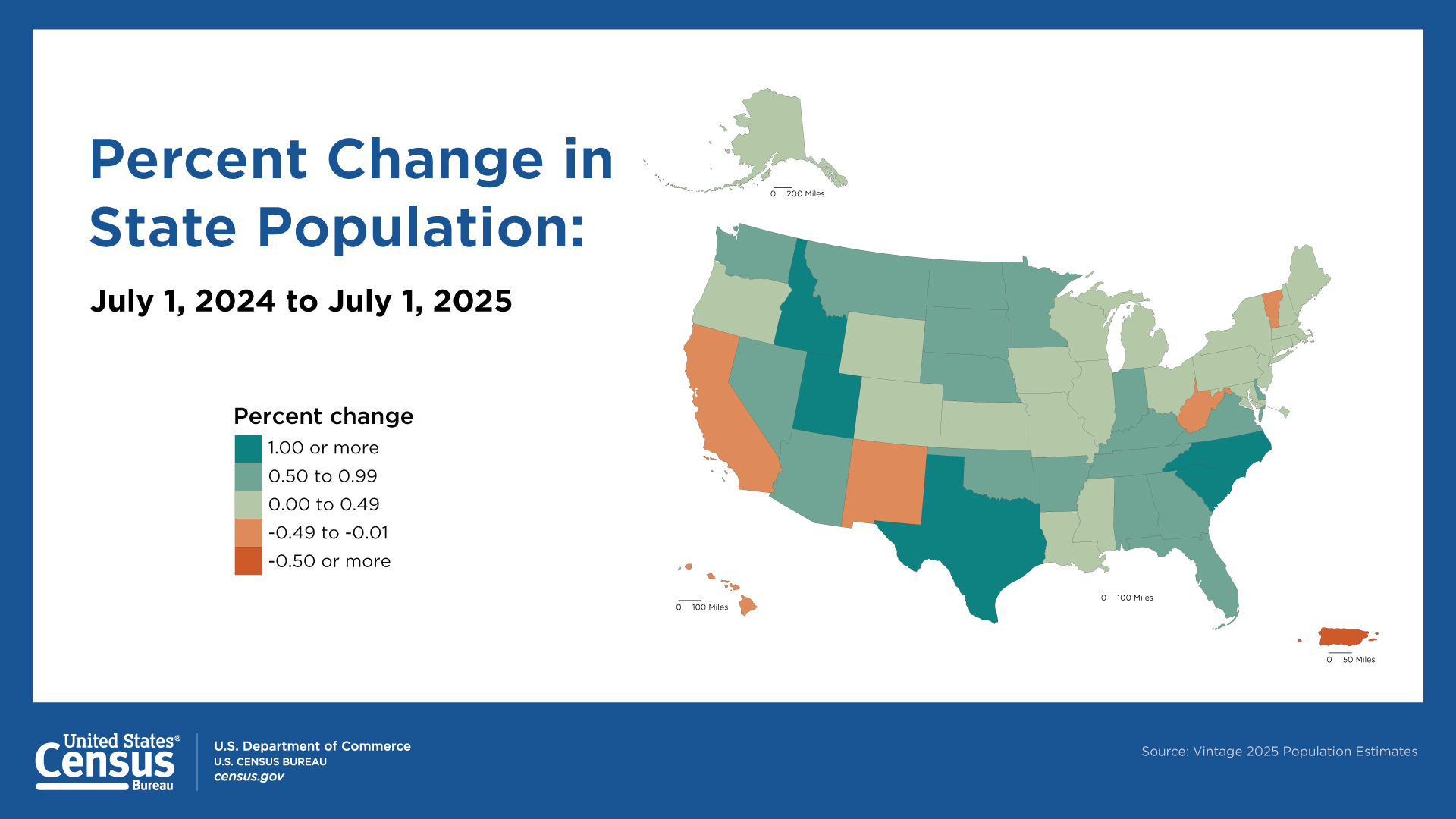
Dining's pockets of strength were concentrated in the West, led by California, where visits rose 1.2% YoY, likely supported by the region's lower-than-average urban inflation rate. Although California’s gas prices remain the highest in the nation, they have increased less sharply on a proportional basis this year – while the state’s leading rate of EV adoption may have further blunted the shock. The FIFA World Cup likely added an additional tailwind, with Los Angeles and Bay Area bar and pub visits up more than 15% YoY during the tournament. And Utah and Idaho likely benefited from some of the strongest population growth in the country.
Retail visits, meanwhile, rose throughout most of the country, with just a few Midwestern, Northeastern, and Mid-Atlantic states seeing flat to slightly negative trends – and New York trailing the pack at -0.9% YoY. Higher-than-average June inflation, particularly in the Northeast, coupled with an unusual heat wave during the week of July 4th, may have contributed to the softness.
Fast-Casual and Full-Service Rise YoY
Dining also saw some bright spots at the category level. While QSR visits fell 3.4% YoY in July, fast-casual chains extended their ongoing winning streak and full-service restaurant traffic turned positive.
QSR’s core customers are dining out less than they did a year ago, while fast-casual and full-service concepts are benefiting from a widening perceived-value gap. For now, at least, dining’s recovery appears to be led by consumers at the top of the income spectrum.
Looking Ahead
The retail-dining divide remained intact in July – but with restaurant traffic improving steadily since May and higher-income dining segments already back in positive territory, the gap may keep narrowing in the second half of 2026. Will dining pull even with retail as the summer winds down?
For more retail and dining insights, visit Placer.ai/anchor.


%20(1).avif)