.svg)







A Cooler Close to Summer
After a July marked by retail growth and signs of improvement in dining, August brought a softer month for both. Retail visits saw just a slight year-over-year (YoY) uptick, while dining traffic slipped further.
We analyzed the data to understand what changed in August and which markets held up best.
Retail Flattens, Dining Slips Back
Overall brick-and-mortar retail rose just 0.3% YoY in August 2026, easing from 1.7% growth in July. Dining visits, meanwhile, fell 2.4%, reversing the gradual improvement seen in June and July.
August’s relative YoY weakness is partly a calendar effect. Labor Day fell on September 1st in 2025, putting the first part of the holiday weekend – a peak period for shopping trips and dining out – in August. This year, on the other hand, Labor Day fell on September 7th, shifting the entire holiday weekend into September. The month also traded a Friday for a Monday compared with August 2025, a calendar difference likely to have weighed more heavily on restaurant traffic than on retail.
Macro conditions, of course, were also part of the story. The national average gas price stayed above $4 per gallon throughout August, putting 2026 on track for the most expensive August at the pump on record. Consumer sentiment fell from July, while the August CPI report showed food-away-from-home prices rising 3.4% YoY, compared with 2.2% for groceries – a gap that continues to favor eating at home.
Retail Finds Regional Bright Spots as Dining Slips Nationwide
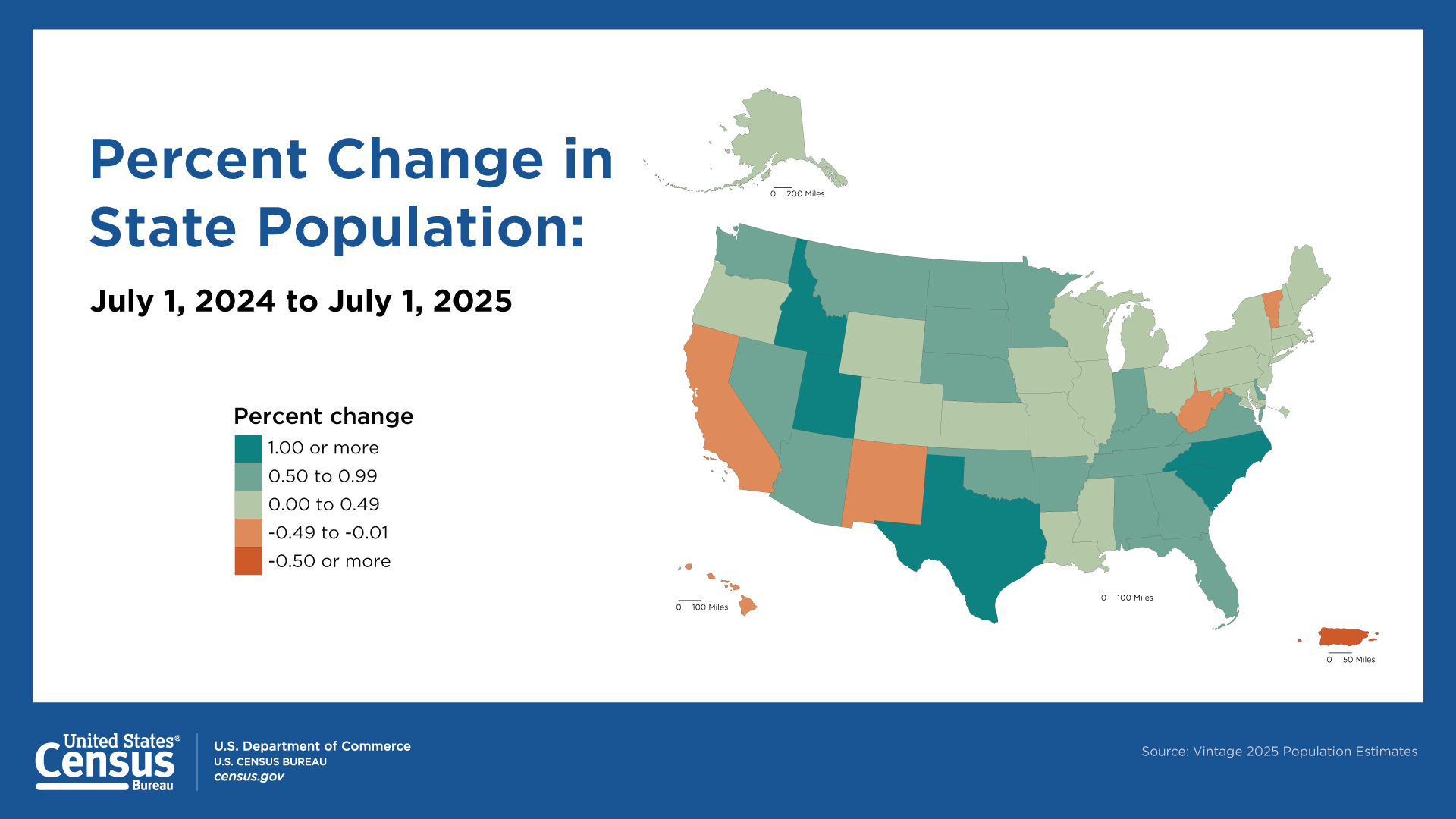
And the state-level data shows an even wider gap between the two categories. Retail was a patchwork: visits grew across much of the West – led by Utah, which continues to benefit from some of the fastest population growth in the country – as well as in Texas, Louisiana, and Georgia, while declining across much of the Plains, Ohio Valley, and Northeast.
As in July, these regional differences appear to at least partly track regional inflation trends: Consumer prices in the Northeast rose 3.9% YoY in August, compared with 3.6% in the Midwest, 3.1% in the South, and 3.2% in the West. And a stretch of heavy rain and severe storms across the Northeast and Great Lakes in late August may also have added to the pressure. Still, even the strongest retail market (Utah) posted growth of just 2.3% YoY, a reminder that August was a modest month even where conditions were relatively favorable.
Dining, on the other hand, had no such pockets of strength. Visits fell in nearly every state, and even California, the best-performing market, saw just a 0.3% YoY uptick.
Looking Ahead
August was a step back for both retail and dining, though some of that reflects a calendar shift. And with the holidays right around the corner, the question is whether dining can recover the ground it gave up – and whether retail can hold on to the growth it posted for most of 2026.



.avif)
.avif)