


.svg)




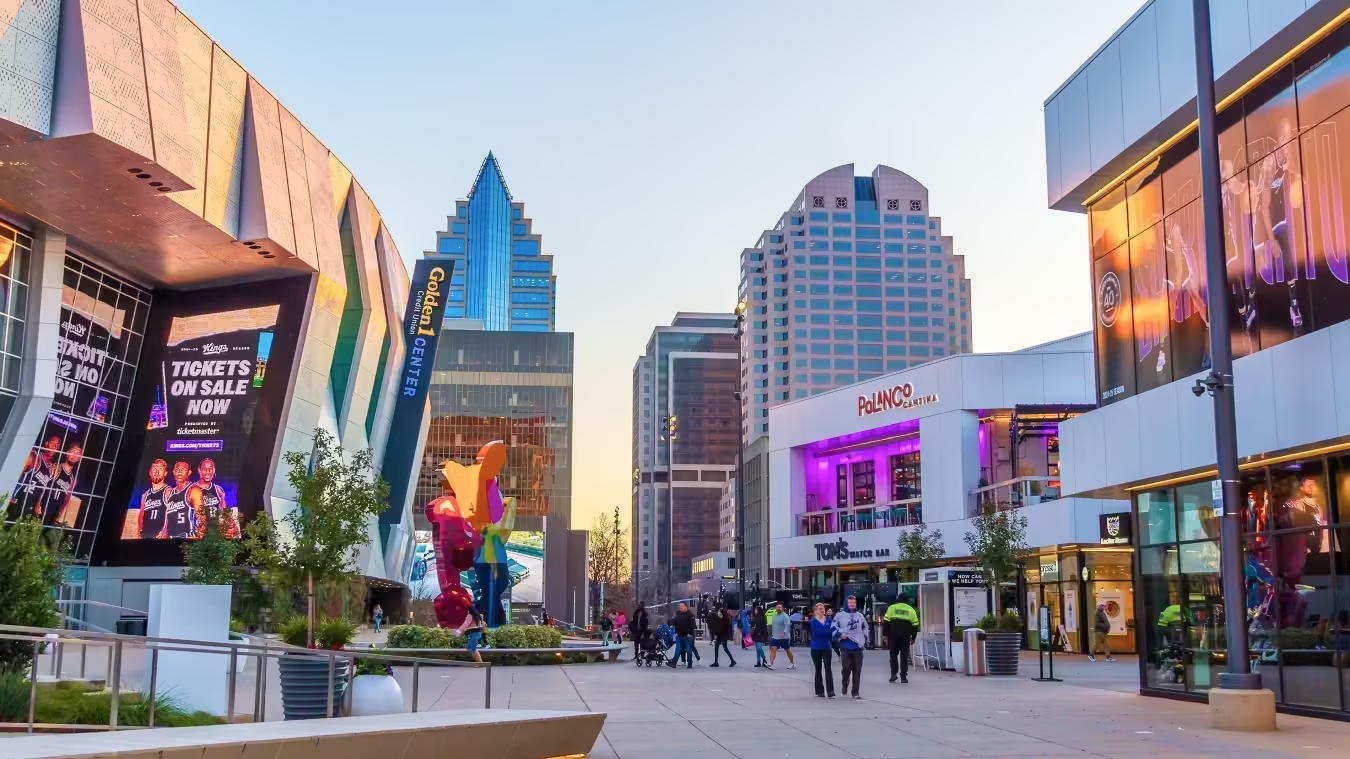


The Sacramento-Roseville-Folsom metro area is emerging as one of California’s most resilient growth stories. Between 2021 and 2023, the region added residents at a steady, if modest, pace, even as the state overall faced declining or stagnant population trends. And by 2024, the CBSA pulled ahead of the national metro average for year-over-year (YoY) population growth, outpacing major California peers including Los Angeles, San Francisco, and San Diego.
What’s driving this momentum? And how is Sacramento’s rise shaping local retail and dining trends?
People Powering Progress
One factor behind Sacramento’s rise may be its economic diversity. The metro area is over-indexed for a broad cross-section of audience segments, ranging from wealthy and upper suburban families earning more than $100K to young urban singles and professionals bringing in less than $75K. And though the area’s median household income (HHI) sits below the California baseline, the diversity of household types – each contributing different spending patterns – creates a strong foundation for continued economic growth.
Retail on a Roll
Location analytics also show that Sacramento’s expanding, economically diverse population is fueling a flourishing retail scene. From May through October 2025, overall retail visits in the CBSA rose YoY, outperforming California’s state average and keeping pace with national trends. In several key categories – including discount and dollar stores, home furnishings, superstores, and traditional apparel – the metro area exceeded both state and national benchmarks, underscoring Sacramento’s rising consumer strength and regional momentum.
Dining Finds Its Groove
Greater Sacramento’s dining scene is also thriving. Fast-casual and quick-service chains overperformed during the analyzed period, reflecting the region’s growing base of young professionals, urban singles, and families who may favor convenient, affordable dining choices. And while full-service chain visits dipped slightly below 2024 levels, they represented only 12.2% of total traffic across the three dining segments for the period.
A City at the Center
Sacramento’s broader rise is also closely tied to the vitality of the city itself. The chart below shows that out-of-market visits – defined here as visits by people who neither live nor work in the city – rose 3.5% YoY over the past 6 months. This influx includes visitors from across the metro and beyond – and HHI data indicates that, on average, they tend to be more affluent than local residents.
These visitors are drawn to Sacramento’s concentration of independent restaurants, bars, retail, and cultural hubs, including its bustling Midtown neighborhood. And a growing calendar of major annual events, from Aftershock to Farm to Fork, is also helping to supercharge local tourism and cement the city’s regional appeal.
Sacramento’s Upward Arc
Bolstered by investments in major new semiconductor plants and medical centers, the Sacramento CBSA was recently ranked among LinkedIn’s 25 fastest-growing U.S. metro areas for jobs and new talent. And the region’s demographic breadth, strong retail and dining performance, and increasingly magnetic urban core position it for continued growth.
For more data-driven analyses of the trends shaping America’s cities follow Placer.ai/anchor.




.avif)

