.png)
.png)

.png)
.png)

Walmart’s recent acquisition of the Pittsburgh, PA-area Monroeville Mall signals a new chapter for the retail giant, creating opportunities for both Walmart and the mall itself. Why did Walmart choose this particular property, what makes it such an appealing prospect – and what might the company do with the space?
We dove into the data to find out.
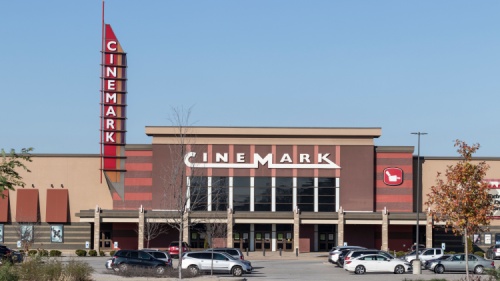
Unsurprisingly, shoppers also interact differently with malls – including the Monroeville Mall purchased by Walmart – than they do with Walmart. In 2024, for example, 39.4% of indoor mall visits nationwide took place on weekends, compared to just 33.6% for Walmart. Mall shoppers were also more likely to travel further for their visits and stay longer, partly due to the entertainment and dining options malls typically offer. (Monroeville Mall, for instance, is home to a Cinemark movie theater). By moving into the mall space, Walmart stands to reach a new kind of shopper, both demographically and behaviorally.
Why did Walmart choose to begin its foray into malls with the Monroeville Mall? Foot traffic data points to a unique balance here: The Monroeville Mall audience is different enough to expand Walmart’s reach, yet still similar in ways that could make it easier to convert new shoppers.
Analyzing Walmart’s trade areas with demographic data from STI: PopStats, for example, reveals that, on average, indoor mall shoppers tend to be more affluent than Walmart shoppers. In 2024, the median household income (HHI) of Walmart’s captured market was $64.5K – noticeably below the indoor mall median of $88.5K. But Monroeville Mall’s captured market had a median HHI of $62.8K – slightly below that of local Walmarts in the Pittsburgh, PA CBSA. Monroeville shoppers were also more likely to visit Walmart than shoppers at other malls, suggesting a natural overlap between the two visitor bases.
At the same time, Monroeville Mall offers Walmart access to new audience segments. In 2024, Monroeville Mall’s captured market showed significantly higher proportions of “Singles and Starters” and “Suburban Style” visitors (the latter encompassing middle-aged, suburban families with upscale incomes). Meanwhile, its share of the older “Autumn Years” segment – though still high – was smaller than that of Walmart’s base, highlighting the opportunity to engage a wider range of demographics.
Walmart has yet to announce specific plans for its new acquisition – though some have speculated that its partnership with Cypress Equities to “reimagine” the space signals a mix of retail, entertainment, and other amenities. Location analytics hint at several potential directions Walmart might pursue.
As consumers have changed their shopping habits, many malls have doubled down on experiential offerings – including on-site gyms, which deliver regular, repeat visits. And location analytics show that adding a fitness club to the Monroeville property may be especially beneficial for Walmart. Over the past year, Monroeville visitors were more likely to visit leading gym chains like Planet Fitness, Anytime Fitness, and LA Fitness compared to the average mall-goer nationwide.
And examining some of Monroeville Mall’s successful tenants highlights additional potential strategies for Walmart. Malls have faced considerable headwinds in recent years, and the downturn appears to have impacted the Monroeville Mall as well, with overall foot traffic dipping somewhat year over year (YoY) in 2024. But some tenants – including Barnes & Noble and Harbor Freight Tools – saw YoY visit upticks.
Visits to entertainment-focused offerings also increased, with the complex’s Full Throttle Adrenaline Park logging a 6.1% YoY foot traffic boost. And taking a broader look at the consumer habits of Monroeville visitors reveals an affinity for eatertainment: In 2024, 14.3% of Monroeville Mall-goers frequented a Dave & Busters, compared to just 7.4% for indoor mall visitors nationwide.
While Walmart’s ultimate intentions for Monroeville Mall remain under wraps, location analytics reveal a world of possibilities. And as retail continues to shift, Monroeville Mall may stand as a powerful case study of how a traditional big-box brand can successfully bridge into the mall space, capturing new audiences and invigorating a retail property ready for reinvention.
For more data-driven retail insights, visit Placer.ai.

In February 2024, Gap Inc. hired Zac Posen as Creative Director, tasking the designer with revitalizing the companies’ portfolio of brands. A year later, we analyzed the data to understand where the company stands today and uncover untapped opportunities for growth.
In 2024, visits to most Gap brands declined slightly compared to 2023, with the company’s four banners collectively experiencing a year-over-year (YoY) traffic dip of 3.5%.
Athleta outperformed the other three brands as well as the overall apparel (excluding off-price and department stores) average, with yearly visits up 0.2% and positive quarterly traffic growth for two of the four quarters. Old Navy came in second, starting the year strong with a 4.2% YoY increase in Q1 visits and ending 2024 with Q4 visits down just 2.4% – outperforming the industry’s YoY dip of 3.3%. And though Gap did lag slightly behind the overall apparel average, the brand managed to stay relatively close to its 2023 visit levels, indicating that its performance is stabilizing.
Meanwhile, Banana Republic experienced the sharpest visit declines with 2024 traffic down 9.6% YoY – indicating that the brand continues to face significant challenges.
Banana Republic’s 2024 performance continues a multi-year trend of declining traffic, despite the brand’s relatively affluent consumer base – an audience that, in theory, should have positioned the brand to weather the current inflationary environment more effectively.
But the brand may be positioning itself for a comeback. Last year, Banana Republic underwent a leadership change, with Gap Inc. CEO Richard Dixon stating that “2024 will be about getting back to the basics.” The brand has been redesigning select stores and leaning into influencer marketing with the goal of “reestablishing the brand to thrive in the premium lifestyle space.”
And as return to office mandates continue to roll in – reinvigorating the long dormant demand for business casual and office wear – the chain is well positioned for a comeback.
Location intelligence analysis also reveals an additional growth opportunity. Banana Republic is the only Gap banner without a dedicated sportswear line. Athleta specializes in athletic wear, Gap offers GapFit, and Old Navy’s activewear line has been a core component of the banner’s success in recent years.
But the data indicates that Banana Republic shoppers are just as active as visitors of the other Gap banners – in fact, cross-visit data suggests that those who shop at Banana Republic frequent fitness chains at similar rates as Athleta customers.
Analyzing cross-visitation to leading sporting goods retailers also indicates high demand for sportswear among Banana Republic shoppers: Consumers who visit Banana Republic visit Dick’s Sporting Goods and Academy Sports + Outdoors at higher rates than Gap Shoppers, and visit lululemon and REI at higher rates than both Gap and Old Navy visitors. This data strongly suggests that Banana Republic customers would likely embrace an expanded product mix that includes premium athleisure and sportswear.
While Gap Inc. already offers premium women’s activewear through its Athleta brand, none of Gap Inc.’s existing brands cater to the growing demand for premium men’s athletic wear. Expanding Banana Republic’s offerings to include a high-end athleisure line – with a specific focus on menswear – could help the brand carve out a niche in this fast-growing segment while leveraging its existing customer base’s interest in performance apparel.
Beyond product expansion, this move could align with Banana Republic’s broader repositioning efforts, reinforcing its identity as a premium lifestyle brand that caters to both professional and active lifestyles. Given the increasing overlap between workwear and athleisure, a thoughtfully designed sportswear line could also strengthen Banana Republic’s appeal to younger, fashion-conscious consumers who seek versatility in their wardrobes.
As Gap Inc. navigates its next phase under Zac Posen’s creative leadership, identifying and leveraging untapped opportunities—such as Banana Republic’s athleisure potential—will be critical for reinvigorating the company’s portfolio. By strategically diversifying its offerings, Gap Inc. can not only address shifting consumer preferences but also carve out a more competitive position in an evolving retail landscape.
For more data-driven retail insights, visit placer.ai/blog.

Department stores continue to adapt to evolving consumer preferences and an ever-changing retail landscape. We looked at the latest location analytics for traditional and luxury department stores to uncover how they are finding success in today’s dynamic apparel space.
Consumers’ prioritization of value has significantly impacted the apparel space in recent years.
Fueled by tepid consumer confidence and rampant inflation, demand for off-price has soared, putting pressure on department stores and traditional apparel retailers. As a result, off-price’s share of total visits to the apparel space steadily increased between 2021 (36.4%) and 2024 (41.5%), while the visit shares of our traditional department stores and other apparel segments declined.
But luxury department stores, which serve a higher-income clientele, appear to have remained relatively insulated from the rise in budget-conscious shopping, as the relative share of visits to this segment held steady over the past four years.
Diving into cross-visitation trends also reveals the impact of a growing off-price segment on the department store space.
Between 2021 and 2024, the share of both Nordstrom’s and Dillard’s visitors that also visited one of the leading off-price chains increased – suggesting that shoppers at both traditional and premium department stores feel the draw of off-price apparel. (Still, the shares of Dillard’s visitors that also visited one of the off-price chains was generally larger than that of Nordstrom’s, suggesting that visitors to the more upscale department store were less inclined to also visit an off-price store.)
And it seems that leading department stores are already trying to meet the growing demand for discounts within their consumer base. Dillard’s emphasis on private-label merchandise helps keep products affordable without compromising quality. Meanwhile, Nordstrom continues to expand its off-price format – Nordstrom Rack – to capitalize on demand for value in the apparel space.
Still, value-seeking behavior on the part of the consumer doesn’t always mean prioritization of discounts, and one way that several department stores are adding value – and finding success – is by investing in the shopping experience.
Bloomingdale’s emphasized experiential events and exclusive product launches to engage consumers last year, including several pop-culture-inspired collections. The department store’s visits increased 1.5% YoY in 2024, perhaps reflecting the demand for Bloomingdale’s immersive and culturally relevant environment.
Meanwhile, Nordstrom’s digital strategy demonstrated how a seamless omnichannel platform can elevate the shopping experience. The brand’s new app uses generative AI to make personalized style recommendations and allows users to check merchandise availability or make a stylist appointment at their local store. The app’s pre-holiday release may have contributed to Nordstrom’s resounding success in 2024, including a 2.2% visit increase compared to 2023.
And the investments in in-store experiences yielding visit dividends are not limited to premium chains. Dillard's, often considered a mid-range brand, has expert stylists ready to assist, and carefully manages inventory so stores are well-stocked but clutter-free, cultivating a classy retail environment. Dillard’s saw 2.3% YoY visit growth in 2024, indicating that its in-store experience is highly valued by shoppers.
Department stores are uniquely positioned to thrive in the current apparel retail landscape. Faced with demand for lower price points, department stores can harness the opportunity with affordable private-label merchandise or off-price formats. And while value-seeking is on the rise, retailers that provide an elevated shopping experience add a different kind of value to their brand.
For more data-driven retail insights, visit Placer.ai.

Dine Brands, which owns and operates IHOP, Applebee’s, and Fuzzy’s Taco Shop, is a major name in the full-service casual-dining restaurant segment. We took a look at how its two largest brands – IHOP and Applebee’s – performed in 2024.
The full-service dining segment has experienced its fair share of challenges over the past years, with pandemic-era closures and inflation weighing on restaurant visits. And Dine Brands’ largest chains, IHOP and Applebee’s, were not immune to these challenges, with YoY visits down by 3.6% and 3.0%, respectively, in 2024.
Applebee’s closed a number of locations throughout 2024, a move that likely contributed to the relative stability of its visits per location metrics: Q4 2024’s visits per location were just 1.6% lower than in Q4 2023 compared to a YoY decline of 3.9% in overall traffic. The brand’s emphasis on value may also have helped Applebee’s narrow its YoY visit gap between Q3 and Q4, as its $9.99 Really Big Meal Deal – launched in November 2024 and extended into 2025 – likely drove traffic from budget-conscious patrons.
IHOP and Applebee’s dominate in their own distinct dayparts – IHOP in the mornings and Applebee’s in the evenings. This diversity allows Dine Brands to effectively "own the clock" and cater to a range of dining preferences throughout various times of day.
Perhaps unsurprisingly – the word “pancake” is in its name – IHOP primarily attracts guests during morning hours, with 46.6% of its visits occurring between 6:00 AM and 12:00 PM. In contrast, Applebee’s serves as a popular post-work and dinner destination, with 56.0% of its visits taking place after 6:00 PM.
And recognizing the value of owning the clock in this way, Dine Brands unveiled its newest concept – a dual-branded IHOP-Applebee’s, with the first opening in February in Seguin, Texas and another twelve slated to open throughout 2025. This approach, which Dine Brands already piloted in international markets, allows diners the option to mix and match from IHOP and Applebee’s most popular menu items.
Beyond visit timing, IHOP and Applebee’s also serve distinct customer demographics, further reinforcing their complementary strengths. In 2024, 28.5% of households in IHOPs’ captured market were households with children, compared to 26.7% for Applebee’s. IHOP also saw larger shares of “Singles & Starters” in its captured market – defined by the Experian: Mosaic dataset as young singles and starter families living a city lifestyle.
Meanwhile, Applebee’s attracted visitors coming from captured markets with older audiences, with 9.4% of its visitors falling into the "Autumn Years" category – nearly double IHOP’s 5.0% share.
These distinctions mean that Dine Brands isn’t just spreading its traffic across different times of day – it also is capturing consumers across different life stages. By offering something for a variety of diners, the restaurant group can continue driving visits across multiple dining needs and occasions.
Despite weathering their fair share of challenges in 2024, IHOP and Applebee’s are innovating as 2025 gets underway.
For the latest data-driven dining insights, visit Placer.ai.

Best Buy has long been a go-to destination for consumers looking for the latest tech – but like many retailers, it has faced challenges in recent years. We dove into the data to explore the latest visitation trends for Best Buy and the demographics of visitors that are driving traffic to the chain.
Best Buy’s visits lagged in 2024 (7.0% below 2023 levels), but the company continues to invest in a real estate strategy aimed at improving consumer engagement. To leverage its store fleet most efficiently, Best Buy is closing traditional large-format stores while opening smaller-format ones to provide a tailored experience to consumers – often in small and midsized markets previously untapped by the retailer.
And Best Buy may already be reaping the benefits of this strategy; in January 2025, the retailer received a 0.4% YoY boost in foot traffic. As the chain continues to optimize its real estate footprint, it could be on track to drive more visit growth in the near future – particularly as more shoppers replace consumer electronics purchased during the pandemic.
Drilling down to daily visitation over the holiday season further highlights Best Buy’s momentum going into 2025. Best Buy consistently drives traffic during critical retail moments, and 2024 was no exception.
On Black Friday 2024, the retailer saw a 473.1% visit boost compared to the daily average for 2024. And the foot traffic surge continued the following day (Black Saturday, 162.4%) as consumers likely continued to take advantage of the weekend’s discounts.
And as was the case in previous years, Best Buy’s traffic picked up as Christmas 2024 neared, with significant visit spikes on Super Saturday (199.0%), Panic Sunday (151.3%), and Christmas Eve Eve (171.7%). Best Buy also saw elevated traffic post-Christmas traffic on Boxing Day (128.0%), when consumers likely looked to exchange gifts or set up their new tech with the help of the renowned Geek Squad.
Of course, Best Buy is more than just a holiday shopping destination. And analysis of audience segmentation for the retailer reveals that families are overrepresented in the chain’s captured* market relative to its potential* market – indicating that this segment in particular drives significant traffic year-round.
According to the AGS: Demographic Dimensions dataset, in 2024, the average household size in Best Buy’s potential market was 2.49 people compared to 2.64 people in the chain’s captured market. Married couples with children were also more heavily represented in the chain’s captured market (33.4%) compared to its potential market (32.0%), suggesting a relatively larger share of visitors from family households among Best Buy’s visitors.
Further analysis of audience segments within the chain’s captured and potential markets indicates that visitors from a variety of family types are drawn to Best Buy. According to the Spatial.ai: PersonaLive dataset, residents belonging to the “Wealthy Suburban Families”, “Upper Suburban Diverse Families”, “Near-Urban Diverse Families”, and “Blue Collar Suburbs” segments were all over-represented in Best Buy’s captured market compared to its potential market. This suggests that visitors from different types of family households – working-class, wealthy, urban, and suburban – are driving traffic to Best Buy.
Perhaps families are drawn to Best Buy’s expanding experiential format, where visitors of all ages can get hands-on with LEGO and explore home theater set ups worthy of a family movie night.
*A chain or venue’s potential market is derived by the census block groups (CBGs) from which the retailer draws its visitors weighted by the population size of each, whereas a captured market is derived from the same CBGs weighted by the share of visits from each, and thus reflects the population that actually visits the chain or venue.
Best Buy’s ability to drive traffic through strategic store formats, holiday shopping surges, and family households highlights the company’s ongoing relevance in the evolving consumer electronics landscape. With early signs of a foot traffic resurgence, Best Buy appears to have positioned itself for continued success in 2025.
Want more data-driven retail insights? Visit Placer.ai.

Our hearts go out to all those affected by the recent Los Angeles wildfires. Many Angelenos, in search of a sense of normalcy and diversion, have turned to a familiar and comforting place—the mall.
On the west side of Los Angeles, Third Street Promenade in Santa Monica experienced a significant surge in weekly visitation compared to a baseline of January 6th-12th 2025. This increase is not surprising, as many Palisadians fled south to Santa Monica hotels and rentals, allowing them to stay close to their neighborhoods, children’s schools, and social circles.
Westfield Century City and The Grove also saw increased foot traffic, as both malls serve as key gathering spots in their communities and feature state-of-the-art movie theaters, providing a few hours of escape. Additionally, their upgraded HVAC systems—enhanced post-pandemic—may offer an added layer of comfort for visitors. Similarly, Westfield Topanga, a familiar shopping destination for residents of the San Fernando Valley, saw an uptick in visits during the second half of January. And traffic at these shopping destinations was still elevated as of mid-February, suggesting that at least some displaced residents are likely staying in the area in the more medium-term.
Some Palisadians have opted to relocate much farther south, though this migration appears to have had a more dispersed effect on shopping patterns. As a result, we do not see a significant impact on visitation to South Bay shopping centers like Manhattan Village and Del Amo Fashion Center.
While reports have mentioned some Palisadians moving to Newport Beach—a community that shares similar demographics with the Palisades—the influx does not appear to be large enough to meaningfully shift mall visitation patterns in January. Additionally, given the circumstances, it is unlikely that many displaced residents would be making frequent trips to Fashion Island or South Coast Plaza. Instead, those who have temporarily relocated to the area are likely settling in as newly arrived locals.
If we examine the year-over-year (YoY) change in visits from specific ZIP codes, Placer data reveals a significant surge in visitation to Third Street Promenade from the Pacific Palisades during January 2025, with visits increasing by 20.4% compared to the same period last year.
Demographic analysis of the Third Street Promenade’s trade area also indicates that the shopping corridor drew a higher proportion of family households and more affluent audience segments – perhaps thanks to the influx of visitors from the Palisades.
Amid the disruption caused by the wildfires, shopping centers have stepped in as steady community spaces rather than just retail venues. The uptick in foot traffic at locations like Third Street Promenade and Westfield Century City shows that these malls are serving as reliable hubs for daily routines and social connection, offering residents practical support as they navigate uncertain times.

Everybody loves coffee. And with some 75% of American adults indulging in a cup of joe at least once a week, it’s no wonder the industry is constantly on an upswing.
In early 2024, year-over-year (YoY) visits to coffee chains increased nationwide – with every state in the continental U.S. experiencing year-over-year (YoY) coffee visit growth.
The most substantial foot traffic boosts were seen in smaller markets like Oklahoma (19.4%), Wyoming (19.3%), and Arkansas (16.9%), where expansions may have a more substantial impact on statewide industry growth. But the nation’s largest coffee markets, including Texas (10.9%), California (4.2%), Florida (4.2%), and New York (3.5%), also experienced significant YoY upticks.
The nation’s coffee visit growth is being fueled, in large part, by chain expansions: Major coffee players are leaning into growing demand by steadily increasing their footprints. And a look at per-location foot traffic trends shows that by and large, they are doing so without significantly diluting visitation to existing stores.
On an industry-wide level, visits to coffee chains increased 5.1% YoY during the first five months of 2024. And over the same period, the average number of visits to each individual coffee location declined just slightly by 0.6% – meaning that individual stores drew just about the same amount of foot traffic as they did in 2023.
Drilling down into chain-level data shows some variation between brands. Dutch Bros., BIGGBY COFFEE and Dunkin’ all saw significant chain-wide visit boosts, accompanied by minor increases in their average number of visits per location.
Starbucks, for its part, which reported a YoY decline in U.S. sales for Q2 2024, maintained a small lag in visits per location. But given the coffee leader’s massive footprint – some 16,600 stores nationwide – its ability to expand while avoiding more significant dilution of individual store performance shows that Starbucks’ growth is meeting robust demand.
What is driving the coffee industry’s remarkable category-wide growth? And who are the customers behind it? This white paper dives into the data to explore key factors driving foot traffic to leading coffee chains in early 2024. The report explores the demographic and psychographic characteristics of visitors to major players in the coffee space and examines strategies brands can use to make the most of the opportunity presented by a thriving industry.
One factor shaping the surge in coffee visit growth is the slow-but-sure return-to-office (RTO). Hybrid work may be the post-COVID new normal – but RTO mandates and WFH fatigue have led to steady increases in office foot traffic over the past year. And in some major hubs – including New York and Miami – office visits are back to more than 80.0% of what they were pre-pandemic.
A look at shifting Starbucks visitation patterns shows that customer journeys and behavior increasingly reflect those of office-goers. In April and May 2022, for example, 18.6% of Starbucks visitors proceeded to their workplace immediately following their coffee stop – but by 2024, this share shot up to 21.0%.
Over the same period, the percentage of early morning (7:00 to 10:00 AM) Starbucks visits lasting less than 10 minutes also increased significantly – from 64.3% in 2022 to 68.7% in 2024. More customers are picking up their coffee on the go – many of them on the way to work – rather than settling down to enjoy it on-site.
Dunkin’ is another chain that is benefiting from consumers on the go. Examining the coffee giant’s performance across major regional markets – those where the chain maintains a significant presence – reveals a strong correlation between the share of Dunkin’ visits in each state lasting less than five minutes and the chain’s local YoY trajectory.
In Wisconsin, for example, 50.9% of visits to Dunkin’ between January and May 2024 lasted less than five minutes. And Wisconsin also saw the most impressive YoY visit growth (5.9%). Illinois, Ohio, Maine, and Connecticut followed similar patterns, with high shares of very short visits and strong YoY showings.
On the other end of the spectrum lay Tennessee, Alabama, and Florida, where very short visits accounted for a low share of the chain’s statewide total – under 40.% – and where visits declined YoY.
Dunkin’s success with very short visits may be driven in part by its popular app, which makes it easy for harried customers to place their order online and save time in-store. And this is good news indeed for the coffee leader – since customers using the app also tend to generate bigger tickets.
Dutch Bros.’ meteoric rise has been fueled, in part, by its appeal to younger audiences. Recently ranked as Gen Z’s favorite quick-service restaurant, the rapidly-expanding coffee chain sets itself apart with a strong brand identity built on cultivating a positive, friendly customer experience.
And Dutch Bros.’ people-centered approach is resonating especially well with singles – including young adults living alone – who may particularly appreciate the chain’s community atmosphere.
Analyzing the relative performance of Dutch Bros.’ locations across metro areas – focusing on regions where the chain has a strong local presence – shows that it performs best in areas with plenty of singles. Indeed, the share of one-person households in Dutch Bros.’ local captured markets is very strongly correlated with the coffee brand’s CBSA-level YoY per-location visit performance. Areas with higher concentrations of one-person households saw significantly more YoY visit growth in the first part of 2024. (A chain’s captured market is obtained by weighting each Census Block Group (CBG) in its trade area according to the CBG’s share of visits to the chain – and so reflects the population that actually visits the chain in practice).
The share of one-person households in Dutch Bros.’ Tucson, AZ captured market, for example, stands at 33.4% – well above the nationwide baseline of 27.5%. And between January and May 2024, Tucson-area Dutch Bros. saw a 6.0% increase in the average number of visits per location. Tulsa, OK, Medford, OR, and Oklahoma City, OK – which also feature high shares of one-person households (over 30.0%) – similarly saw per-location visit increases ranging from 3.6% - 7.0%. On the flip side, Fresno, CA, Las Vegas-Henderson-Paradise, NV, and San Antonio-New Braunfels, TX, which feature lower-than-average shares of single-person households, saw YoY per-location visit declines ranging from 1.5%-9.5%.
As Dutch Bros. forges ahead with its planned expansions, it may benefit from doubling down on this trends and focusing its development efforts on markets with higher-than-average shares of one-person households – such as university towns or urban areas with lots of young professionals.
Michigan-based BIGGBY COFFEE is another java winner in expansion mode. With a growth strategy focused on emerging markets with less brand saturation, BIGGBY has been setting its sights on small towns and rural areas throughout the Midwest and South. Though the chain does have locations in bigger cities like Detroit and Cincinnati, some of its most significant markets are in smaller population centers.
And a look at the captured markets of BIGGBY’s 20 top-performing locations in early 2024 shows that they are significantly over-indexed for suburban consumers – both compared to BIGGBY as a whole and compared to nationwide baselines. (Top-performing locations are defined as those that experienced the greatest YoY visit growth between January and May 2024).
“Suburban Boomers”, for example – a Spatial.ai: PersonaLive segment encompassing middle-class empty-nesters living in suburbs – comprised 10.6% of BIGGBY’s top captured markets in early 2024, compared to just 6.6% for BIGGBY’s overall. (The nationwide baseline for Suburban Boomers is even lower – 4.4%.) And Upper Diverse Suburban Families – a segment made up of upper-middle-class suburbanites – accounted for 9.6% of the captured markets of BIGGBY’s 20 top locations, compared to just 7.2% for BIGGBY’s as a whole, and 8.3% nationwide.
Coffee has long been one of America’s favorite beverages. And java chains that offer consumers an enjoyable, affordable way to splurge are expanding both their footprints and their audiences. By leaning into shifting work routines and catering to customers’ varying habits and preferences, major coffee players like Starbucks, Dunkin’, Dutch Bros., and BIGGBY COFFEE are continuing to thrive.
Note: This report is based on an analysis of visitation patterns for regional and nationwide grocery chains and does not include single-location stores.
Grocery stores, superstores, and dollar stores all carry food products – and American consumers buy groceries at all three. But even in today’s crowded food retail environment, traditional grocery chains have a special role to play. With their primary focus on stocking a wide variety of fresh foods, these chains serve a critical function in offering consumers access to healthy options.
But visualizing the footprints of major grocery chains across the continental U.S. – alongside those of discount & dollar stores – shows that the geographical distribution of grocery chains remains uneven.
In some areas, including parts of the Northeast, Midwest, South Atlantic, and Pacific regions, grocery chains are plentiful. But in others – some with population centers large enough to feature a robust dollar store presence – they remain in short supply.
And though many superstore locations also provide a full array of grocery offerings, they, too, are often sparsely represented in areas with low concentrations of grocery chains.
For grocery chain operators seeking to expand, these underserved grocery markets can present a significant opportunity. And for civic stakeholders looking to broaden access to healthy food across communities, these areas highlight a policy challenge. For both groups, identifying underserved markets with significant untapped demand can be a critical first step in deciding where to focus grocery development initiatives.
This white paper dives into the location analytics to examine grocery store availability across the United States – and harnesses these insights to explore potential demand in some underserved markets. The report focuses on locations belonging to regional or nationwide grocery chains, rather than single-location stores.
Last year, grocery chains accounted for 43.4% of nationwide visits to food retailers – including grocery chains, superstores, and discount & dollar stores. But drilling down into the data for different areas of the country reveals striking regional variation – offering a glimpse into the variability of grocery store access throughout the U.S. In some states, grocery stores attract the majority of visit share to food retailers, while in others, dollar stores or superstores dominate the scene.
The ten states where residents were most likely to visit grocery chains in early 2024 – Oregon, Vermont, Washington, Massachusetts, California, Maryland, New Hampshire, Connecticut, New Jersey, and Rhode Island – were all on the East or West Coasts. In these states, as well as in Nevada and New York, grocery chain visits accounted for 50.0% or more of food retail visits between January and April 2024.
Meanwhile, residents of many West North Central and South Central states were much less likely to do their food shopping at grocery chains. In North Dakota, for example, grocery chain visits accounted for just 11.7% of visits to food retailers over the analyzed period. And in Mississippi, Oklahoma, and Arkansas, too, grocery stores drew less than 20.0% of the overall food retail foot traffic.
But low grocery store visit share does not necessarily indicate a lack of consumer interest or ability to support such stores. And in some of these underserved regions, existing grocery chains are seeing outsize visit growth – indicating growing demand for their offerings.
North Dakota, the state with the smallest share of visits going to grocery chains in early 2024, experienced a 9.1% year-over-year (YoY) increase in grocery visits during the same period – nearly double the nationwide baseline of 5.7%. Other states with low grocery visit share, including Nebraska, Arkansas, Alabama, Mississippi, and New Mexico, also experienced higher-than-average YoY grocery chain visit growth. This suggests significant untapped potential for grocery stores and a market that is hungry for more.
Alabama is one state where grocery chains accounted for a relatively small share of overall food retail foot traffic in early 2024 (just 28.9%) – but where YoY visit growth outperformed the nationwide average. And digging down even further into local grocery store visitation trends provides further evidence that at least in some places, low grocery visit share may be due to inadequate supply, rather than insufficient demand.
In Central Alabama, for example, many residents drive at least 10 miles to reach a local grocery chain. And several parts of the state, both rural and urban, feature clusters of grocery stores that draw customers from relatively far away.
But zooming in on YoY visitation data for local grocery chain locations shows that at least some of these areas likely harbor untapped demand. Take for example the Camden, Butler, Thomasville, and Gilbertown areas (circled in the map above). The Piggly Wiggly location in Butler, AL, drew 40.1% of visits from 10 or more miles away. The same store experienced a 23.3% YoY increase in visits in early 2024 – far above the statewide baseline of 6.6%. Meanwhile, the Super Foods location in Thomasville, AL, which drew 52.8% of visits from at least 10 miles away – experienced YoY visit growth of 12.3%. The Piggly Wiggly locations in Camden, AL and Gilbertown, AL saw similar trends.
At the same time, trade area analysis of the four locations reveals that the grocery stores had little to no trade area overlap during the analyzed period. Each store served specific areas, with minimal cannibalization among customer bases.
These metrics appear to highlight robust demand for grocery stores in the region – grocery visits are growing at a stronger rate than those in the overall state, people are willing to make the drive to these stores, and each one has little to no competition from the others.
While significant opportunity exists across the country, many communities still face considerable challenges in supporting large grocery stores. Though South Carolina has a significant number of grocery chain locations, for example, certain areas within the state have low access to food shopping opportunities. And one local government – Greenville County – is considering offering tax breaks to grocery stores that set up shop in the area, to improve local fresh food accessibility.
Placer.ai migration and visitation data shows that Greenville County is ripe for such initiatives: the county’s population grew by 4.8% over the past four years – with much of that increase a result of positive net migration. And YoY visits to Greenville County Grocery Stores have consistently outperformed state averages: In April 2024, grocery visits in the county grew by 6.1% YoY, while overall visits to grocery stores in South Carolina grew by 4.2%. This growth – both in terms of grocery visits and population – points to rising demand for grocery stores in Greenville County.
Analyzing the Greenville County grocery store trade areas with Spatial.ai’s FollowGraph dataset – which looks at the social media activity of a given audience – offers further insight into local grocery shoppers’ particular demand and preferences.
Consumers in Greenville-area grocery store trade areas, for example, are more likely to be interested in “Mid-Range Grocery Stores” (including brands like Aldi, Kroger, and Lidl) than residents of grocery store trade areas in the state as a whole. This metric provides further evidence of local demand for grocery chains – and offers a glimpse into the kinds of specific grocery offerings likely to succeed in the area.
Grocery stores remain essential services for many consumers, providing a place to pick up fresh produce, meat, and other healthy food options. And many areas in the country are ripe for expansion, with eager customer bases and growing demand. Identifying such areas with location analytics can help both grocery store operators and municipal stakeholders provide their communities and customer bases with an enhanced grocery shopping experience that caters to local preferences.
Following COVID-era highs, domestic migration levels have begun to taper off – with the number of Americans moving within the U.S. hitting an all-time low, according to some sources, in 2023.
To be sure, some popular COVID-era destinations – including Idaho, the Carolinas, and Utah – saw their net domestic migration continue to rise, albeit at a slower pace. But other states which had been relocation hotspots between February 2020 and February 2023, such as Wyoming and Texas, experienced negative net migration between February 2023 and February 2024.
Analyzing CBSA-level migration data reveals differences and similarities between last year’s migration patterns and COVID-era trends.
Between February 2020 and February 2023, seven out of the ten CBSAs posting the largest population increases due to inbound domestic migration were located in Florida. But between February 2023 and February 2024, the top 10 CBSAs with the largest net migrated percent of the population were significantly more diverse. Only four out of the ten CBSAs were located in Florida, and several new metro areas – including Provo-Orem, UT, Kingsport-Bristol, TN-VA, and Boulder, CO – joined the list.
This white paper leverages a variety of location intelligence tools – including Placer.ai’s Migration Report, Niche Neighborhood Grades, and ACS Census Data location intelligence – to analyze two migration hotspots. Specifically, the report focuses on Daytona Beach, FL, which already appeared on the February 2020 to February 2023 list and has continued to see steady growth, and Boulder, CO, which has emerged as a new top destination. The data highlights the potential of CBSAs with unique value propositions to continue to attract newcomers despite ongoing housing headwinds.
The Boulder, CO CBSA has emerged as a domestic migration hotspot: The net influx of population between February 2023 and February 2024 (i.e. the total number of people that moved to Boulder from elsewhere in the U.S., minus those that left) constituted 3.1% of the CBSA’s February 2024 population.
The strong migration is partially due to the University of Colorado, Boulder’s growing popularity. But the metro area has also emerged as a flourishing tech hub, with Google, Apple, and Amazon all setting up shop in town, along with a wealth of smaller start ups.
Most domestic relocators tend to remain within state lines – so unsurprisingly, many of the recent newcomers to Boulder moved from other CBSAs in Colorado. But perhaps due to Boulder’s robust tech ecosystem, many of the new residents also came from Los Angeles, CA (6.6%) and San Francisco, CA (3.4%) – other CBSAs known for their thriving tech scenes.
At the same time, looking at the other CBSAs feeding migration to the area indicates that tech is likely not the only draw attracting people to Boulder: A significant share of relocators came from the CBSAs of Chicago, IL (6.1%), Dallas , TX (4.9%), and New York, NY (3.9%). The move from these relatively urbanized CBSAs to scenic Boulder indicates that some of the domestic migration to the area is likely driven by people looking for better access to nature or a general lifestyle change.
According to the U.S. News & World Report, Boulder ranked in second place in terms of U.S. cities with the best quality of life. Using Niche Neighborhood Grades to compare quality of life attributes in the Boulder CBSA and in the areas of origin dataset highlights some of the draw factors attracting newcomers to Boulder beyond the thriving tech scene.
The Boulder CBSA ranked higher than the metro areas of origin for “Public Schools,” “Health & Fitness,” “Fit for Families,” and “Access to Outdoor Activities.” These migration draw factors are likely helping Boulder attract more senior executives alongside younger tech workers – and can also explain why relocators from more urban metro areas may be choosing to make Boulder their home.
Boulder’s strong inbound migration numbers over the past year – likely driven by its flourishing tech scene and beautiful natural surroundings – reveal the growth potential of certain CBSAs regardless of wider housing market headwinds.
Florida experienced a population boom during the pandemic, and several CBSAs in the state – including the Deltona-Daytona Beach-Ormond Beach, FL CBSA – have continued to welcome domestic relocators in high numbers. The CBSA’s anchor city, Daytona Beach – known for its Bike Week and NASCAR’s Daytona 500 – has also seen positive net migration between February 2023 and February 2024.
Americans planning for retirement or retirees operating on a fixed income are likely particularly interested in optimizing their living expenses. And given Daytona’s relative affordability, it’s no surprise that the median age in the areas of origin feeding migration to Daytona Beach tends to be on the older side.
According to the 2021 Census ACS 5-Year Projection data, the median age in Daytona Beach was 39.0. Meanwhile, the weighted median age in the areas of migration origin was 42.6, indicating that those moving to Daytona Beach may be older than the current residents of the city.
Zooming into the migration data on a zip code level also highlights Daytona Beach’s appeal to older Americans: The zip code welcoming the highest rates of domestic migration was 32124, home to both Jimmy Buffet’s Latitude Margaritaville’s 55+ community and the LPGA International Golf Club, host of the LPGA Tour. The median age in this zip code is also older than in Daytona Beach as a whole, and the weighted age in the zip codes of origin was even higher – suggesting that older Americans and retirees may be driving much of the migration to the area.
Looking at the migration draw factors for Daytona Beach also suggests that the city is particularly appealing to retirees, with the city scoring an A grade for its “Fit for Retirees.” But the city of Daytona Beach is also an attractive destination for anyone looking to elevate their leisure time, with the city scoring higher than Daytona Beach’s cities of migration origin for “Weather,” “Access to Restaurants,” or “Access to Nightlife.”
Like Boulder, Daytona’s scenery – including its famous beaches – is likely attracting newcomers looking to spend more time outdoors and improve their work-life balance. And like Boulder and its tech scene, Daytona Beach also has an extra pull factor – its affordability and fit for older Americans – that is likely helping the area continue to attract new residents, even as domestic migration slows down nationwide.
Although the overall pace of domestic migration has slowed, analyzing location intelligence data reveals several migration hotspots amidst the overall cooldown. Boulder and Daytona Beach each have a set of unique draw factors that seem to attract different populations – and the success of these regions highlights the many paths to migration growth in 2024.