Thank you! Your submission has been received!
Oops! Something went wrong while submitting the form.
0
0
0
0
----------
0
0
Articles
Article
Off-Price And On Point
Off-price apparel chains continue to resonate with inflation-conscious shoppers seeking their favorite brands without significant expense. We examined the visitation patterns for several major players in this sector – T.J. Maxx, Marshalls, Ross Dress for Less, and Burlington – to gain insight into their performance during the first half of the year.
Bracha Arnold
May 16, 2025
4 minutes

Off-price apparel chains continue to resonate with inflation-conscious shoppers seeking their favorite brands without significant expense. We examined the visitation patterns for several major players in this sector – T.J. Maxx, Marshalls, Ross Dress for Less, and Burlington – to gain insight into their performance during the first half of the year.

Visits Continue To Grow

Off-price leaders continued to enjoy elevated visits throughout Q1 2025, with all of the analyzed chains experiencing visit growth. Burlington led the visit growth charge with 6.5% more visits in Q1 2025 than in Q1 2024, followed by T.J. Maxx and Marshalls (both owned by parent company TJX Companies), at 3.8% and 3.3%, respectively. Ross experienced the most modest year-over-year (YoY) visit growth of 0.5% in Q1 2025 – but still outpaced the overall apparel segment, which saw visits dip by 3.2% YoY.

Average visits per location showed slightly more variance, however, with Ross and Burlington experiencing dips of 2.7% and 1.9% YoY. Still, both chains expanded their store fleets somewhat significantly in recent months, and these visit-per-location lags may diminish as customer traffic normalizes across their newer locations.

Diving into monthly visitation patterns – most months experienced growth, though YoY visits took a significant dive in February 2025, likely owing to inclement weather that kept many at home. And visits rebounded in March and April, while overall visits to the apparel segment remained below growth – highlighting off-price retailers’ continued ability to attract and retain consumers amid broader challenges facing retail.

Engagement: The Key to Off-Price Success

But what lies behind off-price’s continuous rise? This segment has thrived for the past few years, defying the overall trends facing the apparel sector. A significant part of this success may stem from the segment’s inherent “treasure-hunt” experience – off-price shopping cultivates a browsing mentality, encouraging visitors to linger and explore the constantly changing inventory.

A closer look at average dwell times over the past few years – from the pre-pandemic era through the inflationary surges of 2023 and 2024 – reveals that visitors to off-price retailers linger significantly longer than those at overall apparel chains. For example, in 2025, visitors to T.J. Maxx and Burlington spent 40.3 and 43.9 minutes shopping, respectively, while visitors to apparel chains averaged just 33.3 minutes. To be sure, dwell times have slightly decreased across the board since COVID, likely due to factors such as increased interest in online shopping. But the longer dwell times at off-price stores highlight the sustained appeal of brick-and-mortar retail – especially when it offers added value.

Evening Treasure Hunts

And further cementing the “treasure hunt” engagement shopping aspect of off-price retail, visitors to the analyzed chains were significantly more likely to shop in the evening – between 6:00 and 10:00 PM – than visitors to other apparel chains. 

This difference in visit timing suggests that off-price shoppers are indeed making a dedicated trip, reserving a good chunk of their evening – once their daily duties were taken care of – for extended browsing sessions. This strong engagement during evening hours may signify that shoppers are receptive to longer shopping hours. 

Value-Driven Visits

Off-price retail continues to thrive, fueled, in part, by the “treasure hunt” experience. Shoppers to these chains are increasingly staying longer, and coming later in the day to maximize their shopping times – proving that, even in an unclear economic climate, there’s plenty of ways for retail to thrive. 

Visit Placer.ai/anchor for the latest data-driven retail insights. 

Article
Department Stores in 2025: A Mid-Year Recap
Department stores are evolving, remaining relevant and adapting to a challenging economic environment. With the first half of the year nearly behind us, we took a look at the visit performance for some of the major players in the department store space to understand their current standing.
Bracha Arnold
May 15, 2025
3 minutes

Department stores have faced their fair share of challenges in recent years – and many of these household names are still figuring out how to remain relevant and adapt to a challenging economic environment.

With the first half of the year nearly behind us, we took a look at the visit performance for some of the major players in the department store space to understand their current standing.

High-End Performance

As consumer budgets continue to react to the strain of rising prices, department stores are experiencing mixed visitation patterns. While luxury shoppers have, in some cases, been more insulated from the effects of inflation and rising costs, visits to high-end department stores have not been spared from this overall volatility.

However, some department stores are rallying. Visits to Nordstrom (which will be shifting to private ownership soon) and Bloomingdale’s grew by 3.3% and 2.7%, respectively, in Q1 2025 compared to Q1 2024. Meanwhile, Saks Fifth Avenue and Neiman Marcus – which recently merged – saw their Q1 2025 visits drop by -6.0% and -5.9% YoY, respectively.

Average visits per location showed more variance, with Nordstrom the only department store to experience growth in this metric (+4.1%). 

Analyzing visits into April showed a continuation of the quarterly trends explored above. Nordstrom and Bloomingdale’s continued to enjoy visit growth for the most part, while Saks Fifth Avenue and Neiman Marcus visits declined slightly relative to 2024. 

Mid-Range Performance

While Nordstrom, Macy’s, and Saks are known for their luxury offerings, several other department stores cater to a more mid-range consumer – and like their luxury counterparts, their visit performance has varied since the start of the year.

In Q1 2025, Macy’s was the sole department store among those analyzed to experience overall visit growth – though none of the chains saw their average visits per location surpass those of Q1 2024. However, April visits offered a more positive outlook, with Belk and JCPenney, in particular, showing elevated visits in all but one week of April 2025. Dillard's also displayed promising visitation patterns, with weekly visits up for two weeks of April.

And in an environment where so many department stores are struggling, the ability for these brands to keep visits near, or above, previous years’ levels suggests that this segment is enjoying stability. 

Holding the Line

Despite the challenges facing the overall retail segment, department stores are proving their staying power. The strong visit performance of some – like Nordstrom and Belk – alongside the visit declines of others highlight that the way ahead looks different for every store.

With plenty of changes – including in ownership and merchandising initiatives – coming up for many of these chains, will visits continue to grow? 

Visit Placer.ai/anchor to stay ahead of the latest data-driven retail insights. 

Article
Wholesale Clubs Find Success in Q1 2025 
Wholesale clubs were foot traffic winners in Q1 2025. We took a closer look at how weather and expanding footprints played a part in visitation trends for Target, Walmart, Sam’s Club, BJ’s Wholesale Club, and Costco Wholesale and how the demographic characteristics of visitors impacted in-store shopping behavior. 
Ezra Carmel
May 14, 2025
4 minutes

Superstores remain American retail staples, and once again, wholesale clubs were the foot traffic winners of the space in Q1 2025. We dove into the data to explore how weather and expanding footprints played a part in visitation trends for Target, Walmart, Sam’s Club, BJ’s Wholesale Club, and Costco Wholesale and how the demographic characteristics of visitors impacted in-store shopping behavior. 

Wholesale Clubs Surge Ahead

Wholesale clubs outperformed traditional superstores in Q1 2025, as BJ’s, Sam’s Club, and Costco saw 2.7% to 6.1% YoY visit increases. BJ’s and Costco expanded their footprints over the past year, which likely caused overall visit growth to outpace visit-per-location increases.

Zooming in on monthly visits reveals more nuanced foot traffic patterns. After a strong January 2025, February’s YoY visits were impacted by the comparison to 2024’s leap year. And despite severe weather, YoY traffic to all of the analyzed chains improved in March 2025, perhaps due to consumers stocking up on essentials in preparation for the storms. 

Although Walmart and Target saw YoY foot traffic declines in Q1 2025 overall, Walmart saw a 4.5% YoY visit increase in April, while Target saw its visit gap narrow. Some of the April strength may have been due to the pull-forward of consumer demand ahead of anticipated price hikes and supply constraints.

The two chains’ improved April performance was likely also aided by pre-Easter shopping, with Walmart receiving the more sizable visit boost. Last year, Easter fell during the week of March 25th, ‘24, but this year, Easter fell during the week of April 14th, ‘25, giving Walmart a 15.5% weekly visit boost while Target benefitted from a smaller 0.9% visit lift (compared to the weekly average YTD). Clearly, Walmart is a more popular pre-Easter shopping destination and the calendar shift played a part in the chain’s YoY visit growth in April. 

Wholesale Audiences

All three of the leading wholesale clubs – BJ’s, Sam’s Club, and Costco – carry a variety of essentials sold in-bulk, as well as products from discretionary categories such as apparel, housewares, and electronics. But diving into the retailers’ captured trade areas in Q1 2025 reveals that each chain serves a slightly different audience. 

Costco tends to attract visitors from higher-income areas and larger households (including those with children and non-family roommates) than either Sam’s Club or BJ’s. And since larger households may need to stock-up on essentials more frequently, this could account for Costco’s higher average share of repeat monthly visitors, and by extension, its strong membership renewal rate.  

Meanwhile, Sam’s Club and BJ’s typically attract more single-person households and visitors from lower-income areas – at least in part because singles are often younger consumers who have yet to reach their peak earning years. This clientele presents an opportunity for Sam’s Club and BJ’s to foster lifetime brand loyalty among digitally-driven Millennials and Gen Z-ers and shoppers seeking value in what remains a challenging economic environment.

Wholesale Shopper Behavior

Visitors to Sam’s Club, BJ’s, and Costco also exhibit different in-store shopping behaviors. BJ’s and Sam’s Club visitors appear to make quicker trips, with both brands seeing a larger share of visits under thirty minutes than Costco in Q1 2025 – which may be due to the use of time-saving self-checkout apps and curbside pickup. Meanwhile, Costco experienced a greater share of weekday visits than either BJ’s or Sam’s Club – perhaps since shoppers from larger households are likely to replenish essentials mid-week and prepare for large weekend gatherings. An understanding of these consumer preferences and behaviors could help the chains build out their retail media networks and put the right promotions in front of shoppers at the right time.

Wholesale Consumer Insights

Wholesale clubs and superstores remain go-to destinations for essentials – and nearly everything else – and are likely to maintain their positions as retail powerhouses going forward. Using location analytics, brands can better understand their consumer base and hone their retail strategies to drive further growth. 

For more data-driven retail insights, visit Placer.ai.

Article
Lowe’s and The Home Depot: Weathering Q1 Storms and Looking to the Horizon
We dove into the data to explore The Home Depot and Lowe’s recent foot traffic performance, audience profiles, and consumer trends shaping what lies ahead for the chains. 
Ezra Carmel
May 13, 2025
3 minutes

We dove into the data to explore The Home Depot and Lowe’s recent foot traffic performance, audience profiles, and consumer trends shaping what lies ahead for the chains. 

Q1 Traffic: Nothing to Write Home About

The home improvement space has seen YoY traffic lag for quite some time, as sustained challenges in the housing market and tight budgets have resulted in fewer home improvement projects. Despite these trends continuing in Q1 2025, YoY visit gaps to home improvement retailers remained relatively minor; The Home Depot received 3.8% less visits in Q1 2025 than in Q1 2024 while Lowe’s received 3.6% fewer visits.

Zooming in on monthly visits reveals more nuanced foot traffic patterns to The Home Depot and Lowe’s. February’s relatively dramatic declines in YoY visits were likely impacted by the comparison to 2024’s leap year. And in spite of severe weather, YoY traffic to the chains improved in March 2025 as consumers prepared their homes for storms. 

Improvement Around the Corner

Despite Q1 2025’s lackluster performance, analysis of weekly visits suggests that there is reason for optimism in the home improvement space. In 2024, industry foot traffic peaked in mid-May – perhaps as consumers took on pre-Summer projects – indicating that the next few weeks of 2025 present an opportunity for The Home Depot and Lowe’s to drive significant seasonal traffic.

Regional Audiences Revealed

As traffic to the home improvement space begins to turn a corner, analysis of the trade areas from which The Home Depot and Lowe’s attract visitors reveals that each chain serves a slightly different mix of rural, suburban, and urban audience segments. 

In Q1 2025, both The Home Depot and Lowe’s were popular among consumers in regions defined as “Suburban Periphery” and “Metro Cities” (i.e. small metro areas and satellite cities). However, Lowe’s drove higher shares of traffic from rural segments and The Home Depot from strongly urbanized ones. This audience segmentation highlights several differences between the chains’ retail footprints and the regions from which they command traffic.

Will Visits Get a Facelift?

Despite prevailing headwinds, the home improvement space may be gearing up for a seasonal boost, particularly if consumers feel a little wiggle room in their budgets or decide to take on bigger projects in anticipation of price hikes and supply constraints. 

For more data-driven retail insights, visit Placer.ai

Article
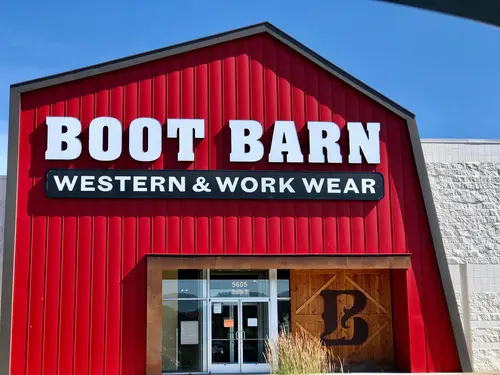
Boot Barn Still Growing in 2025
Boot Barn's visit strength is continuing into 2025, with overall visits and visits per square footage up compared to 2024.
Shira Petrack
May 12, 2025
1 minute

Boot Barn is one of the fast growing brick-and-mortar apparel brands, with the company seeing a 13.5% year-over-year (YoY) increase in overall visits in Q1 2025. And while much of the growth is driven by the chain’s expansion, the average number of visits per location has remained stable (+0.2% YoY in Q1 2025), suggesting that Boot Barn’s expansion is catering to an existing and eager consumer base. 

The company’s strength continued into April, with average visits per venue up by 3.3% YoY – the strongest increase all year – perhaps boosted by consumers’ stocking up on apparel ahead of anticipated price hikes.

For more data-driven retail insights, visit placer.ai/anchor.

Article
QSR Q1 2025 Final Thoughts
The first quarter of 2025 posed challenges to quick-service restaurants, with major chains like McDonald's experiencing foot traffic declines. Still, some brands - like Taco Bell and Wingstop - managed to drive growth. We take a closer look at the data to see where the segment stands today.
R.J. Hottovy
May 12, 2025
5 minutes

Dining Headwinds in Q1 2025

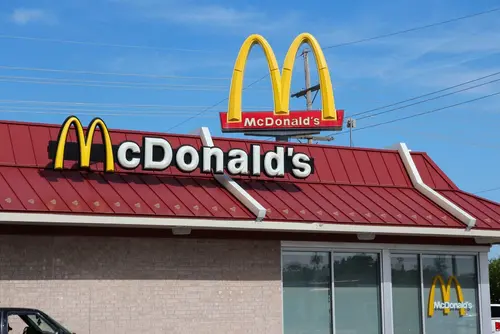
Like many consumer companies, the first quarter of 2025 was a challenging one for quick-service restaurants (QSRs). Consistent with commentary from the management teams at several QSR chains that have reported first-quarter 2025 results, year-over-year foot traffic decreased amid increased economic uncertainty for consumers, with our data indicating a 1.6% decrease year over year (YoY). Major chains like McDonald's reported a 3.6% decrease in U.S. same-store sales, driven largely by reduced visits from lower- and middle-income consumers according to management. Despite efforts to attract budget-conscious diners through value promotions like $5 meal deals, many consumers opted to dine at home or shift to more affordable grocery options. However, some brands, including Taco Bell and Wingstop, managed to buck the trend by leveraging unique products and targeted promotions to drive traffic growth.

Below, we build upon our Q1 recap analyses and review year-to-date visitation trends for some of the more notable limited service chains.

McDonald’s

McDonald's has not been immune to the increasingly challenging operating environment faced by QSR operators, reporting a 3.6% drop in U.S. same-store sales – the steepest since 2020. This reduction in guests comes amid heightened economic uncertainty and inflationary pressures, which particularly impacted low- and middle-income consumers and led to YoY decreases in visits across much of the retail sector. Our data indicated a 3.3% decrease in visits per location for the quarter, which compares favorably with McDonald’s reported results when adjusting for YoY menu price increases and product mix (an increase in McValue menu purchases has put downward pressure on the average check size). However, weekly visit per location trends have improved since the quarter ended, helped by new menu items, including chicken strips and a Minecraft-themed Happy Meal, to attract cost-conscious diners.

Chipotle

Chipotle Mexican Grill reported a comparable restaurant sales decline of 0.4% during Q1 2025, marking the first such drop since 2020. The comparable store sales decrease was driven by a 2.3% decrease in transaction volume, partially offset by a 1.9% increase in average check size. Our data indicated a 2.1% decrease in visits per location for the full quarter, aligning with the company’s reported results.

Like McDonald’s, Chipotle saw improved visitation trends in March, helped by the introduction of Honey Chicken Since as a protein option in March. According to management, the percentage of Honey Chicken orders as a percent of total has been higher than any other previous limited time offer and even surpassing its two-market pilot test. However, on its first-quarter update, management also called out a slowdown in underlying transaction trends during April as consumers reduced their frequency of restaurant visits amid economic concerns.

Starbucks

Starbucks' also faced a challenging consumer backdrop in the U.S. during its January-March 2025 quarter, with comparable store sales declining 2% year-over-year. This decrease was primarily driven by a 4% drop in transaction volume, partially offset by a 3% increase in average ticket size. Our data indicated [a 5.6% decrease in visits per location and 3.7% decrease in comparable visits]. The company attributed these pressures to decreased foot traffic and increased labor investments associated with its "Back to Starbucks" turnaround strategy. Despite these headwinds, CEO Brian Niccol expressed confidence in the ongoing transformation efforts aimed at enhancing customer experience and operational efficiency.

While Starbucks is still in the early days of implementing its turnaround strategies, competition from mid-sized chains like Dutch Bros, Scooter’s Coffee, and 7 Brew Coffee has become more pronounced. As we recently discussed, these emerging competitors experienced significant year-over-year visit increases—13.4% for Dutch Bros, 15.3% for Scooter’s, and an impressive 87.3% for 7 Brew—suggesting that consumers are increasingly drawn to unique, indulgent offerings and convenient formats such as drive-thrus. Despite Starbucks' strong customer loyalty, the rise of these agile rivals indicates a shift in consumer preferences toward more personalized and experiential coffee options.

Taco Bell

In Q1 2025, Taco Bell's emphasis on product innovation significantly contributed to its strong performance, with U.S. same-store sales increasing by 9%. Management noted that "Taco Bell saw a significant expansion in consumer penetration" which helped the brand to grow traffic low single digits, which is consistent with our year-over-year visit per location trends shown below.

The brand introduced a variety of new menu items, including the Caliente Cantina Chicken Menu featuring a spicy red jalapeño sauce, and the Flamin' Hot Burrito filled with seasoned beef, nacho cheese sauce, and Flamin' Hot Cheetos. Additionally, Taco Bell brought back its crispy chicken nuggets, marinated in jalapeño buttermilk and coated with breadcrumbs and tortilla chips, aiming to make them a permanent menu item by 2026. These innovative offerings, alongside value-focused options like the $5, $7, and $9 Luxe Cravings Boxes, have attracted a broad customer base, reinforcing Taco Bell's position as a leader in the quick-service restaurant industry.

Conclusion

Overall, the first quarter of 2025 underscored the increasingly competitive and economically sensitive landscape facing quick-service restaurant chains. While many brands struggled with softer consumer demand and declining visit volumes, a few outliers like Taco Bell and Wingstop demonstrated the power of targeted innovation and promotional strategies. As macroeconomic pressures persist, success in the QSR space will likely hinge on a brand’s ability to balance value offerings with menu excitement, respond quickly to evolving consumer behaviors, and differentiate through experience—whether through digital innovation, drive-thru efficiency, or localized product development.

For more data-driven dining analysis, visit placer.ai/anchor

Reports
INSIDER
Report
Hudson Yards: The On-Site Workforce of Manhattan's New Hub
Dive into the data to explore shifting work patterns among Manhattan’s on-site employees and examine emerging trends in the fast-growing Hudson Yards neighborhood.
October 8, 2024
4 minutes

New York City is one of the world’s leading commercial centers – and Manhattan, home to some of the nation's most prominent corporations, is at its epicenter. Manhattan’s substantial in-office workforce has helped make New York a post-pandemic office recovery leader, outpacing most other major U.S. hubs. And the plethora of healthcare, service, and other on-site workers that keep the island humming along also contribute to its thriving employment landscape.

Using the latest location analytics, this report examines the shifting dynamics of the many on-site workers employed in Manhattan and the up-and-coming Hudson Yards neighborhood. Where does today’s Manhattan workforce come from? How often do on-site employees visit Hudson Yards? And how has the share of young professionals across Manhattan’s different districts shifted since the pandemic? 

Read on to find out. 

The Beat of the Borough

Return of the Commuter 

The rise in work-from-home (WFH) trends during the pandemic and the persistence of hybrid work have changed the face of commuting in Manhattan. 

In Q2 2019, nearly 60% of employee visits to Manhattan originated off the island. But in Q2 2021, that share fell to just 43.9% – likely due to many commuters avoiding public transportation and practicing social distancing during COVID.

Since Q2 2022, however, the share of employee visits to Manhattan from outside the borough has rebounded – steadily approaching, but not yet reaching, pre-pandemic levels. By Q2 2024, 54.7% of employee visits to Manhattan originated from elsewhere – likely a reflection of the Big Apple’s accelerated RTO that is drawing in-office workers back into the city. 

Unsurprisingly, some nearby boroughs – including Queens and the Bronx – have seen their share of Manhattan worker visits bounce back to what they were in 2019, while further-away areas of New York and New Jersey continue to lag behind. But Q2 2024 also saw an increase in the share of Manhattan workers commuting from other states – both compared to 2023 and compared to 2019 – perhaps reflecting the rise of super commuting

Spotlight on Hudson Yards

A Hyper-Hybrid Environment

Commuting into Manhattan is on the rise – but how often are employees making the trip? Diving into the data for employees based in Hudson Yards – Manhattan’s newest retail, office, and residential hub, which was officially opened to the public in March 2019 – reveals that the local workforce favors fewer in-person work days than in the past.

In August 2019, before the pandemic, 60.2% of Hudson Yards-based employees visited the neighborhood at least fifteen times. But by August 2021, the neighborhood’s share of near-full-time on-site workers had begun to drop – and it has declined ever since. In August 2024, only 22.6% of local workers visited the neighborhood 15+ times throughout the month. Meanwhile, the share of Hudson Yards-based employees making an appearance between five and nine times during the month emerged as the most common visit frequency by August 2022 – and has continued to increase since. In August 2024, 25.0% of employees visited the neighborhood less than five times a month, 32.5% visited between five and nine times, and 19.2% visited between 10 and 14 times.  

Like other workers throughout Manhattan, Hudson Yards employees seem to have fully embraced the new hybrid normal – coming into the office between one and four times a week. 

New Buildings Worth The Commute

But not all employment centers in the Hudson Yards neighborhood see the same patterns of on-site work. Some of the newest office buildings in the area appear to attract employees more frequently and from further away than other properties.

Of the Hudson Yards properties analyzed, Two Manhattan West, which was completed this year, attracted the largest share of frequent, long-distance commuters in August 2024 (15.3%) – defined as employees visiting 10+ times per month from at least 30 miles away. And The Spiral, which opened last year, drew the second-largest share of such on-site workers (12.3%). 

Employees in these skyscrapers may prioritize in-person work – or have been encouraged by their employers to return to the office – more than their counterparts in other Hudson Yards buildings. Employees may also choose to come in more frequently to enjoy these properties’ newer and more advanced amenities. And service and shift workers at these properties may also be coming in more frequently to support the buildings’ elevated occupancy.

Hudson Yards Young

Diving deeper into the segmentation of on-site employees in the Hudson Yards district provides further insight into this unique on-site workforce. 

Analysis of POIs corresponding to several commercial and office hubs in the borough reveals that between August 2019 and August 2024, Hudson Yards’ captured market had the fastest-growing share of employees belonging to STI: Landscape's “Apprentices” segment, which encompasses young, highly-paid professionals in urban settings.

Companies looking to attract young talent have already noticed that these young professionals are receptive to Hudson Yards’ vibrant atmosphere and collaborative spaces, and describe this as a key factor in their choice to lease local offices.

At Work In Manhattan: A Mix Of Old And New

Manhattan is a bastion of commerce, and its strong on-site workforce has helped lead the nation’s post-pandemic office recovery. But the dynamics of the many Manhattan-based workers continues to shift. And as new commercial and residential hubs emerge on the island, workplace trends and the characteristics of employees are almost certain to evolve with them.

INSIDER
Pricing Strategies Driving Restaurant Visits in 2024
Dive into the data to explore the state of the restaurant industry in 2024 and see how leading chains are navigating the challenges posed by rising prices.
September 26, 2024
7 minutes

Dining in 2024 (So Far)

The restaurant space has experienced its fair share of challenges in recent years – from pandemic-related closures to rising labor and ingredient costs. Despite these hurdles, the category is holding its own, with total 2024 spending projected to reach $1.1 trillion by the end of the year.

And an analysis of year-over-year (YoY) visitation trends to restaurants nationwide shows that consumers are frequenting dining establishments in growing numbers – despite food-away-from-home prices that remain stubbornly high.

Overall, monthly visits to restaurants were up nearly every month this year compared to the equivalent periods of 2023. Only in January, when inclement weather kept many consumers at home, did restaurants see a significant YoY drop. Throughout the rest of the analyzed period, YoY visits either held steady or grew – showing that Americans are finding room in their budgets to treat themselves to tasty, hassle-free meals.

Still, costs remain elevated and dining preferences have shifted, with consumers prioritizing value and convenience – and restaurants across segments are looking for ways to meet these changing needs. This white paper dives into the data to explore the trends impacting quick-service restaurants (QSR), full-service restaurants (FSR), and fast-casual dining venues – and strategies all three categories are using to stay ahead of the pack. 

Dollar-Driven Dining Decisions 

Overall, the dining sector has performed well in 2024, but a closer look at specific segments within the industry shows that fast-casual restaurants are outperforming both QSR and FSR chains. 

Between January and August 2024, visits to fast-casual establishments were up 3.3% YoY, while QSR visits grew by just 0.7%, and FSR visits fell by 0.3% YoY. As eating out becomes more expensive, consumers are gravitating toward dining options that offer better perceived value without compromising on quality. Fast-casual chains, which balance affordability with higher-quality ingredients and experiences, have increasingly become the go-to choice for value-conscious diners.

Fast-casual restaurants also tend to attract a higher-income demographic. Between January and August 2024, fast-casual restaurants drew visitors from Census Block Groups (CBGs) with a weighted median household income of $78.2K – higher than the nationwide median of $76.1K. (The CBGs feeding visits to these restaurants, weighted to reflect the share of visits from each CBG, are collectively referred to as their captured market). 

Perhaps unsurprisingly, quick-service restaurants drew visitors from much less affluent areas. But interestingly, despite their pricier offerings, full-service restaurants also drew visitors from CBGs with a median HHI below the nationwide baseline. While fast-casual restaurants likely attract office-goers and other routine diners that can afford to eat out on a more regular basis, FSR chains may serve as special occasion destinations for those with more moderate means. 

Who Can Afford to Raise Prices?

Though QSR, FSR, and fast-casual spots all seek to provide strong value propositions, dining chains across segments have been forced to raise prices over the past year to offset rising food and labor costs. This next section takes a look at several chains that have succeeded in raising prices without sacrificing visit growth – to explore some of the strategies that have enabled them to thrive.

Shake Shack: Drawing Affluent Audiences 

The fast-casual restaurant space attracts diners that are on the wealthier side – but some establishments cater to even higher earners. One chain of note is NYC-based burger chain Shake Shack, which features a captured market median HHI of $94.3K. In comparison, the typical fast-casual diner comes from areas with a median HHI of $78.2K. 

Shake Shack emphasizes high-quality ingredients and prices its offerings accordingly. The chain, which has been expanding its footprint, strategically places its locations in affluent, upscale, and high-traffic neighborhoods – driving foot traffic that consistently surpasses other fast-casual chains. And this elevated foot traffic has continued to impress, even as Shake Shack has raised its prices by 2.5% over the past year. 

Texas Roadhouse: Thriving Through Price Hikes

Steakhouse chain Texas Roadhouse has enjoyed a positive few years, weathering the pandemic with aplomb before moving into an expansion phase. And this year, the chain ranked in the top five for service, food quality, and overall experience by the 2024 Datassential Top 500 Restaurant Chain.

Like Shake Shack, Texas Roadhouse has raised its prices over the past year – three times – while maintaining impressive visit metrics. Between January and August 2024, foot traffic to the steakhouse grew by 9.7% YoY, outpacing visits to the overall FSR segment by wide margins. 

This foot traffic growth is fueled not only by expansion but also by the chain's ability to draw traffic during quieter dayparts like weekday afternoons, while at the same time capitalizing on high-traffic times like weekends. Some 27.7% of weekday visits to Texas Roadhouse take place between 3:00 PM and 6:00 PM – compared to just 18.9% for the broader FSR segment – thanks to the chain’s happy hour offerings early dining specials. And 43.3% of visits to the popular steakhouse take place on Saturdays and Sundays, when many diners are increasingly choosing to splurge on restaurant meals, compared to 38.4% for the wider category.

QSR Limited-Time Offers (LTOs) to the Rescue

Though rising costs have been on everybody’s minds, summer 2024 may be best remembered as the summer of value – with many quick-service restaurants seeking to counter higher prices by embracing Limited-Time Offers (LTOs). These LTOs offered diners the opportunity to save at the register and get more bang for their buck – while boosting visits at QSR chains across the country. 

Hardee’s August Combo Deal: A Recipe for Loyalty

Limited time offers such as discounted meals and combo offers can encourage frequent visits, and Hardee’s $5.99 "Original Bag" combo, launched in August 2024, did just that. The combo allowed diners to mix and match popular items like the Double Cheeseburger and Hand-Breaded Chicken Tender Wraps, offering both variety and affordability. And visits to the chain during the month of August 2024 were 4.9% higher than Hardee’s year-to-date (YTD) monthly visit average.

August’s LTO also drove up Hardee’s already-impressive loyalty rates. Between May and July 2024, 40.1% to 43.4% of visits came from customers who visited Hardee’s at least three times during the month, likely encouraged by Hardee’s top-ranking loyalty program. But in August, Hardee’s share of loyal visits jumped to 51.5%, highlighting just how receptive many diners are to eating out – as long as they feel they are getting their money’s worth. 

McDonald’s Special Meal Deal

McDonald’s launched its own limited-time offer in late June 2024, aimed at providing value to budget-conscious consumers. And the LTO – McDonald’s foray into this summer’s QSR value wars – was such a resounding success that the fast-food leader decided to extend the deal into December. 

McDonald’s LTO drove foot traffic to restaurants nationwide. But a closer look at the chain’s regional captured markets shows that the offer resonated particularly well with “Young Urban Singles” – a segment group defined by Spatial.ai's PersonaLive dataset as young singles beginning their careers in trade jobs. McDonald's locations in states where the captured market shares of this demographic surpassed statewide averages by wider margins saw bigger visit boosts in July 2024 – and the correlation was a strong one.  

For example, the share of “Young Urban Singles” in McDonald’s Massachusetts captured market was 56.0% higher than the Massachusetts statewide baseline – and the chain saw a 10.6% visit boost in July 2024, compared to the chain's statewide H1 2024 monthly average. But in Florida, where McDonald’s captured markets were over-indexed for “Young Urban Singles” by just 13% compared to the statewide average, foot traffic jumped in July 2024 by a relatively modest 7.3%. 

These young, price-conscious consumers, who are receptive to spending their discretionary income on dining out, are not the sole driver of McDonald’s LTO foot traffic success. Still, the promotion’s outsize performance in areas where McDonald’s attracts higher-than-average shares of Young Urban Singles shows that the offering was well-tailored to meet the particular needs and preferences of this key demographic. 

Michelin Star Success 

While QSR, fast-casual, and FSR chains have largely boosted foot traffic through deals and specials, reputation is another powerful way to attract diners. Restaurants that earn a coveted Michelin Star often see a surge in visits, as was the case for Causa – a Peruvian dining destination in Washington, D.C. The restaurant received its first Michelin Star in November 2023, a major milestone for Chef Carlos Delgado.

The Michelin Star elevated the restaurant's profile, drawing in affluent diners who prioritize exclusivity and are less sensitive to price increases. Since the award, Causa saw its share of the "Power Elite" segment group in its captured market increase from 24.7% to 26.6%. Diners were also more willing to travel for the opportunity to partake in the Causa experience: In the six months following the award, some 40.3% of visitors to the restaurant came from more than ten miles away, compared to just 30.3% in the six months prior.

These data points highlight the power of a Michelin Star to increase a restaurant’s draw and attract more affluent audiences – allowing it to raise prices without losing its core clientele. Wealthier diners often seek unique culinary experiences, where price is less of a concern, making these establishments more resilient to inflation than more venues that serve more price-sensitive customers.

The Final Plate

Dining preferences continue to evolve as restaurants adapt to a rapidly changing culinary landscape. From the rise in fast-casual dining to the benefits of limited-time offers, the analyzed restaurant categories are determining how to best reach their target audiences. By staying up-to-date with what people are eating, these restaurant categories can hope to continue bringing customers through the door. 

INSIDER
The Rising Stars: Six Metro Areas Welcoming Young Professionals
Find out which metro areas are seeing positive net migration and discover what might be drawing newcomers to these cities.
September 23, 2024
3 minutes

The COVID-19 pandemic – and the subsequent shift to remote work – has fundamentally redefined where and how people live and work, creating new opportunities for smaller cities to thrive. 

But where are relocators going in 2024 – and what are they looking for? This post dives into the data for several CBSAs with populations ranging from 500K to 2.5 million that have seen positive net domestic migration over the past several years – where population inflow outpaces outflow. Who is moving to these hubs, and what is drawing them? 

CBSAs on the Rise

The past few years have seen a shift in where people are moving. While major metropolitan areas like New York still attract newcomers, smaller cities, which offer a balance of affordability, livability, and career opportunities, are becoming attractive alternatives for those looking to relocate. 

Between July 2020 and July 2024, for example, the Austin-Round Rock-Georgetown, TX CBSA, saw net domestic migration of 3.6% – not surprising, given the city of Austin’s ranking among U.S. News and World Report’s top places to live in 2024-5. Raleigh-Cary, NC, which also made the list, experienced net population inflow of 2.6%. And other metro areas, including Fayetteville-Springdale-Rogers, AR (3.3%), Des Moines-West Des Moines, IA (1.4%), Oklahoma City, OK (1.1%), and Madison, WI (0.6%) have seen more domestic relocators moving in than out over the past four years.

All of these CBSAs have also continued to see positive net migration over the past 12 months – highlighting their continued appeal into 2024.

Younger and Hungrier

What is driving domestic migration to these hubs? While these metropolitan areas span various regions of the country, they share a common characteristic: They all attract residents coming, on average, from CBSAs with younger and less affluent populations. 

Between July 2020 and July 2024, for example, relocators to high-income Raleigh, NC – where the median household income (HHI) stands at $84K – tended to hail from CBSAs with a significantly lower weighted median HHI ($66.9K). Similarly, those moving to Austin, TX – where the median HHI is $85.4K – tended to come from regions with a median HHI of $69.9K. This pattern suggests that these cities offer newcomers an aspirational leap in both career and financial prospects.

Moreover, most of these CBSAs are drawing residents with a younger weighted median age than that of their existing residents, reinforcing their appeal as destinations for those still establishing and growing their careers. Des Moines and Oklahoma City, in particular, saw the largest gaps between the median age of newcomers and that of the existing population.

Housing and Jobs: Upgrading and Improving

Career opportunities and affordable housing are major drivers of migration, and data from Niche’s Neighborhood Grades suggests that these CBSAs attract newcomers due to their strong performance in both areas. All of the analyzed CBSAs had better "Jobs" and "Housing" grades compared to the regions from which people migrated. For example, Austin, Texas received the highest "Jobs" rating with an A-, while most new arrivals came from areas where the "Jobs" grade was a B. 

While the other analyzed CBSAs showed smaller improvements in job ratings, the combination of improvements in both “Jobs” and “Housing” make them appealing destinations for those seeking better economic opportunities and affordability.

Final Grades

Young professionals may be more open than ever to living in smaller metro areas, offering opportunities for cities like Austin and Raleigh to thrive. And the demographic analysis of newcomers to these CBSAs underscores their appeal to individuals seeking job opportunities and upward mobility. 

Will these CBSAs continue to attract newcomers and cement their status as vibrant, opportunity-rich hubs for young professionals? And how will this new mix of population impact these growing markets?

Visit Placer.ai to keep up with the latest data-driven civic news. 

Loading results...
We couldn't find anything matching your search.
Browse one of our topic pages to help find what you're looking for.
For more in-depth analyses on a variety of subjects, explore Reports.
The Anchor Logo
INSIDER
Stay Anchored: Subscribe to Insider & Unlock more Foot Traffic Insights
Gain insider insights with our in-depth analytics crafted by industry experts
— giving you the knowledge and edge to stay ahead.
Subscribe