In February 2024, Gap Inc. hired Zac Posen as Creative Director, tasking the designer with revitalizing the companies’ portfolio of brands. A year later, we analyzed the data to understand where the company stands today and uncover untapped opportunities for growth.
Shira Petrack
Mar 3, 2025
4 minutes
In February 2024, Gap Inc. hired Zac Posen as Creative Director, tasking the designer with revitalizing the companies’ portfolio of brands. A year later, we analyzed the data to understand where the company stands today and uncover untapped opportunities for growth.
Athleta Led Gap Brands in 2024
In 2024, visits to most Gap brands declined slightly compared to 2023, with the company’s four banners collectively experiencing a year-over-year (YoY) traffic dip of 3.5%.
Athleta outperformed the other three brands as well as the overall apparel (excluding off-price and department stores) average, with yearly visits up 0.2% and positive quarterly traffic growth for two of the four quarters. Old Navy came in second, starting the year strong with a 4.2% YoY increase in Q1 visits and ending 2024 with Q4 visits down just 2.4% – outperforming the industry’s YoY dip of 3.3%. And though Gap did lag slightly behind the overall apparel average, the brand managed to stay relatively close to its 2023 visit levels, indicating that its performance is stabilizing.
Meanwhile, Banana Republic experienced the sharpest visit declines with 2024 traffic down 9.6% YoY – indicating that the brand continues to face significant challenges.
The Banana Republic Opportunity
Banana Republic’s 2024 performance continues a multi-year trend of declining traffic, despite the brand’s relatively affluent consumer base – an audience that, in theory, should have positioned the brand to weather the current inflationary environment more effectively.
But the brand may be positioning itself for a comeback. Last year, Banana Republic underwent a leadership change, with Gap Inc. CEO Richard Dixon stating that “2024 will be about getting back to the basics.” The brand has been redesigning select stores and leaning into influencer marketing with the goal of “reestablishing the brand to thrive in the premium lifestyle space.”
And as return to office mandates continue to roll in – reinvigorating the long dormant demand for business casual and office wear – the chain is well positioned for a comeback.
Do Banana Republic Shoppers Want More Athleisure?
Location intelligence analysis also reveals an additional growth opportunity. Banana Republic is the only Gap banner without a dedicated sportswear line. Athleta specializes in athletic wear, Gap offers GapFit, and Old Navy’s activewear line has been a core component of the banner’s success in recent years.
But the data indicates that Banana Republic shoppers are just as active as visitors of the other Gap banners – in fact, cross-visit data suggests that those who shop at Banana Republic frequent fitness chains at similar rates as Athleta customers.
Analyzing cross-visitation to leading sporting goods retailers also indicates high demand for sportswear among Banana Republic shoppers: Consumers who visit Banana Republic visit Dick’s Sporting Goods and Academy Sports + Outdoors at higher rates than Gap Shoppers, and visit lululemon and REI at higher rates than both Gap and Old Navy visitors. This data strongly suggests that Banana Republic customers would likely embrace an expanded product mix that includes premium athleisure and sportswear.
The Men’s Athleisure Opportunity
While Gap Inc. already offers premium women’s activewear through its Athleta brand, none of Gap Inc.’s existing brands cater to the growing demand for premium men’s athletic wear. Expanding Banana Republic’s offerings to include a high-end athleisure line – with a specific focus on menswear – could help the brand carve out a niche in this fast-growing segment while leveraging its existing customer base’s interest in performance apparel.
Beyond product expansion, this move could align with Banana Republic’s broader repositioning efforts, reinforcing its identity as a premium lifestyle brand that caters to both professional and active lifestyles. Given the increasing overlap between workwear and athleisure, a thoughtfully designed sportswear line could also strengthen Banana Republic’s appeal to younger, fashion-conscious consumers who seek versatility in their wardrobes.
Gap Inc.’s Potential for Growth in 2025
As Gap Inc. navigates its next phase under Zac Posen’s creative leadership, identifying and leveraging untapped opportunities—such as Banana Republic’s athleisure potential—will be critical for reinvigorating the company’s portfolio. By strategically diversifying its offerings, Gap Inc. can not only address shifting consumer preferences but also carve out a more competitive position in an evolving retail landscape.
For more data-driven retail insights, visit placer.ai/blog.
Department stores continue to adapt to evolving consumer preferences and an ever-changing retail landscape. We looked at the latest location analytics for traditional and luxury department stores to uncover how they are finding success in today’s dynamic apparel space.
Ezra Carmel
Feb 28, 2025
3 minutes
Department stores continue to adapt to evolving consumer preferences and an ever-changing retail landscape. We looked at the latest location analytics for traditional and luxury department stores to uncover how they are finding success in today’s dynamic apparel space.
Off-Price Poses a Challenge
Consumers’ prioritization of value has significantly impacted the apparel space in recent years.
Fueled by tepid consumer confidence and rampant inflation, demand for off-price has soared, putting pressure on department stores and traditional apparel retailers. As a result, off-price’s share of total visits to the apparel space steadily increased between 2021 (36.4%) and 2024 (41.5%), while the visit shares of our traditional department stores and other apparel segments declined.
But luxury department stores, which serve a higher-income clientele, appear to have remained relatively insulated from the rise in budget-conscious shopping, as the relative share of visits to this segment held steady over the past four years.
Leaning into Value
Diving into cross-visitation trends also reveals the impact of a growing off-price segment on the department store space.
Between 2021 and 2024, the share of both Nordstrom’s and Dillard’s visitors that also visited one of the leading off-price chains increased – suggesting that shoppers at both traditional and premium department stores feel the draw of off-price apparel. (Still, the shares of Dillard’s visitors that also visited one of the off-price chains was generally larger than that of Nordstrom’s, suggesting that visitors to the more upscale department store were less inclined to also visit an off-price store.)
And it seems that leading department stores are already trying to meet the growing demand for discounts within their consumer base. Dillard’s emphasis on private-label merchandise helps keep products affordable without compromising quality. Meanwhile, Nordstrom continues to expand its off-price format – Nordstrom Rack – to capitalize on demand for value in the apparel space.
Delivering on Experience
Still, value-seeking behavior on the part of the consumer doesn’t always mean prioritization of discounts, and one way that several department stores are adding value – and finding success – is by investing in the shopping experience.
Bloomingdale’s emphasized experiential events and exclusive product launches to engage consumers last year, including several pop-culture-inspiredcollections. The department store’s visits increased 1.5% YoY in 2024, perhaps reflecting the demand for Bloomingdale’s immersive and culturally relevant environment.
Meanwhile, Nordstrom’s digital strategy demonstrated how a seamless omnichannel platform can elevate the shopping experience. The brand’s new app uses generative AI to make personalized style recommendations and allows users to check merchandise availability or make a stylist appointment at their local store. The app’s pre-holiday release may have contributed to Nordstrom’s resounding success in 2024, including a 2.2% visit increase compared to 2023.
And the investments in in-store experiences yielding visit dividends are not limited to premium chains. Dillard's, often considered a mid-range brand, has expert stylists ready to assist, and carefully manages inventory so stores are well-stocked but clutter-free, cultivating a classy retail environment. Dillard’s saw 2.3% YoY visit growth in 2024, indicating that its in-store experience is highly valued by shoppers.
The Department Store Opportunity
Department stores are uniquely positioned to thrive in the current apparel retail landscape. Faced with demand for lower price points, department stores can harness the opportunity with affordable private-label merchandise or off-price formats. And while value-seeking is on the rise, retailers that provide an elevated shopping experience add a different kind of value to their brand.
For more data-driven retail insights, visit Placer.ai.
Dine Brands, which owns and operates IHOP, Applebee’s, and Fuzzy’s Taco Shop, is a major name in the full-service casual-dining restaurant segment. We took a look at how its two largest brands – IHOP and Applebee’s – performed in 2024.
Bracha Arnold
Feb 27, 2025
3 minutes
Dine Brands, which owns and operates IHOP, Applebee’s, and Fuzzy’s Taco Shop, is a major name in the full-service casual-dining restaurant segment. We took a look at how its two largest brands – IHOP and Applebee’s – performed in 2024.
Visits Stay Close to 2023 Levels
The full-service dining segment has experienced its fair share of challenges over the past years, with pandemic-era closures and inflation weighing on restaurant visits. And Dine Brands’ largest chains, IHOP and Applebee’s, were not immune to these challenges, with YoY visits down by 3.6% and 3.0%, respectively, in 2024.
Applebee’s closed a number of locations throughout 2024, a move that likely contributed to the relative stability of its visits per location metrics: Q4 2024’s visits per location were just 1.6% lower than in Q4 2023 compared to a YoY decline of 3.9% in overall traffic. The brand’s emphasis on value may also have helped Applebee’s narrow its YoY visit gap between Q3 and Q4, as its $9.99 Really Big Meal Deal – launched in November 2024 and extended into 2025 – likely drove traffic from budget-conscious patrons.
Owning The Clock
IHOP and Applebee’s dominate in their own distinct dayparts – IHOP in the mornings and Applebee’s in the evenings. This diversity allows Dine Brands to effectively "own the clock" and cater to a range of dining preferences throughout various times of day.
Perhaps unsurprisingly – the word “pancake” is in its name – IHOP primarily attracts guests during morning hours, with 46.6% of its visits occurring between 6:00 AM and 12:00 PM. In contrast, Applebee’s serves as a popular post-work and dinner destination, with 56.0% of its visits taking place after 6:00 PM.
And recognizing the value of owning the clock in this way, Dine Brands unveiled its newest concept – a dual-branded IHOP-Applebee’s, with the first opening in February in Seguin, Texas and another twelve slated to open throughout 2025. This approach, which Dine Brands already piloted in international markets, allows diners the option to mix and match from IHOP and Applebee’s most popular menu items.
Different Brands, Different Visitors
Beyond visit timing, IHOP and Applebee’s also serve distinct customer demographics, further reinforcing their complementary strengths. In 2024, 28.5% of households in IHOPs’ captured market were households with children, compared to 26.7% for Applebee’s. IHOP also saw larger shares of “Singles & Starters” in its captured market – defined by the Experian: Mosaic dataset as young singles and starter families living a city lifestyle.
Meanwhile, Applebee’s attracted visitors coming from captured markets with older audiences, with 9.4% of its visitors falling into the "Autumn Years" category – nearly double IHOP’s 5.0% share.
These distinctions mean that Dine Brands isn’t just spreading its traffic across different times of day – it also is capturing consumers across different life stages. By offering something for a variety of diners, the restaurant group can continue driving visits across multiple dining needs and occasions.
Digging Into Dining
Despite weathering their fair share of challenges in 2024, IHOP and Applebee’s are innovating as 2025 gets underway.
For the latest data-driven dining insights, visit Placer.ai.
Best Buy has long been a go-to destination for consumers looking for the latest tech – but like many retailers, it has faced challenges in recent years. We dove into the data to explore the latest visitation trends for Best Buy and the demographics of visitors that are driving traffic to the chain.
Ezra Carmel
Feb 26, 2025
4 minutes
Best Buy has long been a go-to destination for consumers looking for the latest tech – but like many retailers, it has faced challenges in recent years. We dove into the data to explore the latest visitation trends for Best Buy and the demographics of visitors that are driving traffic to the chain.
Best Buy Bounces Back
Best Buy’s visits lagged in 2024 (7.0% below 2023 levels), but the company continues to invest in a real estate strategy aimed at improving consumer engagement. To leverage its store fleet most efficiently, Best Buy is closing traditional large-format stores while opening smaller-format ones to provide a tailored experience to consumers – often in small and midsized markets previously untapped by the retailer.
And Best Buy may already be reaping the benefits of this strategy; in January 2025, the retailer received a 0.4% YoY boost in foot traffic. As the chain continues to optimize its real estate footprint, it could be on track to drive more visit growth in the near future – particularly as more shoppers replace consumer electronics purchased during the pandemic.
Daily Holiday Spikes
Drilling down to daily visitation over the holiday season further highlights Best Buy’s momentum going into 2025. Best Buy consistently drives traffic during critical retail moments, and 2024 was no exception.
On Black Friday 2024, the retailer saw a 473.1% visit boost compared to the daily average for 2024. And the foot traffic surge continued the following day (Black Saturday, 162.4%) as consumers likely continued to take advantage of the weekend’s discounts.
And as was the case in previous years, Best Buy’s traffic picked up as Christmas 2024 neared, with significant visit spikes on Super Saturday (199.0%), Panic Sunday (151.3%), and Christmas Eve Eve (171.7%). Best Buy also saw elevated traffic post-Christmas traffic on Boxing Day (128.0%), when consumers likely looked to exchange gifts or set up their new tech with the help of the renowned Geek Squad.
Plugging in to Family Foot Traffic
Of course, Best Buy is more than just a holiday shopping destination. And analysis of audience segmentation for the retailer reveals that families are overrepresented in the chain’s captured* market relative to its potential* market – indicating that this segment in particular drives significant traffic year-round.
According to the AGS: Demographic Dimensions dataset, in 2024, the average household size in Best Buy’s potential market was 2.49 people compared to 2.64 people in the chain’s captured market. Married couples with children were also more heavily represented in the chain’s captured market (33.4%) compared to its potential market (32.0%), suggesting a relatively larger share of visitors from family households among Best Buy’s visitors.
Further analysis of audience segments within the chain’s captured and potential markets indicates that visitors from a variety of family types are drawn to Best Buy. According to the Spatial.ai: PersonaLive dataset, residents belonging to the “Wealthy Suburban Families”, “Upper Suburban Diverse Families”, “Near-Urban Diverse Families”, and “Blue Collar Suburbs” segments were all over-represented in Best Buy’s captured market compared to its potential market. This suggests that visitors from different types of family households – working-class, wealthy, urban, and suburban – are driving traffic to Best Buy.
Perhaps families are drawn to Best Buy’s expandingexperiential format, where visitors of all ages can get hands-on with LEGO and explore home theater set ups worthy of a family movie night.
*A chain or venue’s potential market is derived by the census block groups (CBGs) from which the retailer draws its visitors weighted by the population size of each, whereas a captured market is derived from the same CBGs weighted by the share of visits from each, and thus reflects the population that actually visits the chain or venue.
The Best is Yet to Come
Best Buy’s ability to drive traffic through strategic store formats, holiday shopping surges, and family households highlights the company’s ongoing relevance in the evolving consumer electronics landscape. With early signs of a foot traffic resurgence, Best Buy appears to have positioned itself for continued success in 2025.
Want more data-driven retail insights? Visit Placer.ai.
Our hearts go out to all those affected by the recent Los Angeles wildfires. Many Angelenos, in search of a sense of normalcy and diversion, have turned to a familiar and comforting place—the mall.
Caroline Wu
Feb 25, 2025
3 minutes
Our hearts go out to all those affected by the recent Los Angeles wildfires. Many Angelenos, in search of a sense of normalcy and diversion, have turned to a familiar and comforting place—the mall.
Los Angeles Malls Provide Escape to Displaced Palisadians
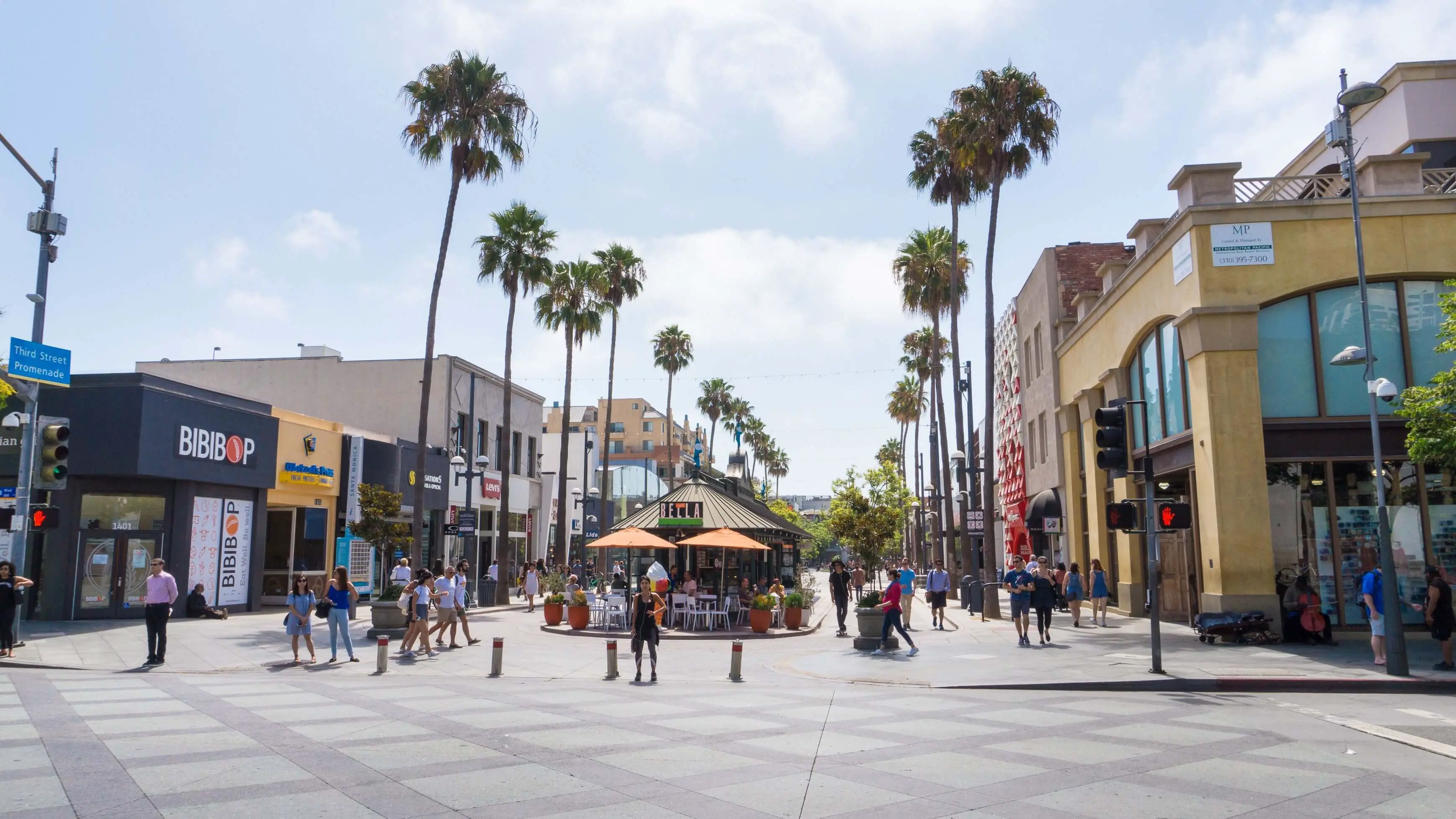
On the west side of Los Angeles, Third Street Promenade in Santa Monica experienced a significant surge in weekly visitation compared to a baseline of January 6th-12th 2025. This increase is not surprising, as many Palisadians fled south to Santa Monica hotels and rentals, allowing them to stay close to their neighborhoods, children’s schools, and social circles.
Westfield Century City and The Grove also saw increased foot traffic, as both malls serve as key gathering spots in their communities and feature state-of-the-art movie theaters, providing a few hours of escape. Additionally, their upgraded HVAC systems—enhanced post-pandemic—may offer an added layer of comfort for visitors. Similarly, Westfield Topanga, a familiar shopping destination for residents of the San Fernando Valley, saw an uptick in visits during the second half of January. And traffic at these shopping destinations was still elevated as of mid-February, suggesting that at least some displaced residents are likely staying in the area in the more medium-term.
Some Palisadians have opted to relocate much farther south, though this migration appears to have had a more dispersed effect on shopping patterns. As a result, we do not see a significant impact on visitation to South Bay shopping centers like Manhattan Village and Del Amo Fashion Center.
While reports have mentioned some Palisadians moving to Newport Beach—a community that shares similar demographics with the Palisades—the influx does not appear to be large enough to meaningfully shift mall visitation patterns in January. Additionally, given the circumstances, it is unlikely that many displaced residents would be making frequent trips to Fashion Island or South Coast Plaza. Instead, those who have temporarily relocated to the area are likely settling in as newly arrived locals.
Visits to Third Street Promenade from Pacific Palisades Increased in January 2025
If we examine the year-over-year (YoY) change in visits from specific ZIP codes, Placer data reveals a significant surge in visitation to Third Street Promenade from the Pacific Palisades during January 2025, with visits increasing by 20.4% compared to the same period last year.
Third Street Promenade Drew More Families and Affluent Visitors
Demographic analysis of the Third Street Promenade’s trade area also indicates that the shopping corridor drew a higher proportion of family households and more affluent audience segments – perhaps thanks to the influx of visitors from the Palisades.
Shopping Centers Serve As Oases of Normalcy
Amid the disruption caused by the wildfires, shopping centers have stepped in as steady community spaces rather than just retail venues. The uptick in foot traffic at locations like Third Street Promenade and Westfield Century City shows that these malls are serving as reliable hubs for daily routines and social connection, offering residents practical support as they navigate uncertain times.
Retailers have played a crucial role in providing relief, comfort, and community for those impacted by the devastating wildfires across the greater Los Angeles area. Location analytics provide a glimpse into some of the ways retailers stepped up to meet their community's needs.
Elizabeth Lafontaine
Feb 24, 2025
3 minutes
In the wake of the devastating wildfires across the greater Los Angeles area, retailers—both local and national—have played a crucial role in providing relief, comfort, and a sense of community for those impacted. Retail is an industry that touches consumers’ lives daily, often more frequently than most other businesses. Because retailers fulfill a wide range of needs, they have become essential partners in supporting communities facing unimaginable crises.
Retailers Transform Stores into Donation Hubs
In the immediate aftermath of the Palisades and Eaton Fires, retailers transformed their stores into donation hubs, offering displaced individuals essential items such as clothing and N95 masks. Major brands, including J.Crew, Gap Inc., and Free People, quickly repurposed their stores to serve as distribution centers. Free People even opened an entirely new shop in Santa Monica—Free Shop by Free People and FP Movement—where affected residents could book time slots to browse and collect necessary items. Beyond national retailers, Los Angeles-based brands also stepped up to support fire victims. Babyletto, a juvenile furniture brand, donated cribs to displaced families, while apparel company Big Bud Press launched new collections with proceeds benefiting the Pasadena Jobs Center.
While retail depends on consumerism, its role over the past month has extended beyond sales, making a profound impact on the local community. Many retailers in the discretionary sector opened their doors to directly assist affected families, demonstrating that physical retail spaces can be used for more than just commerce. By taking action on the ground rather than simply offering monetary donations, retailers provided immediate, tangible support to those in need.
Relief Initiatives at Gap, Babylist, and Alo Yoga
Three specific retail locations in Los Angeles exemplified this effort, with Placer’s data revealing just how meaningful their initiatives were. Gap’s Santa Monica store was among the first to pivot toward relief efforts, distributing new Gap merchandise and PPE to community members beginning on January 11th. Alo Yoga’s Beverly Hills location provided care kits to impacted residents between January 14th and 16th. Meanwhile, Babylist, an online registry service with a physical showroom in Beverly Hills, hosted donation days on January 21st and 28th, allowing displaced families to shop for free and replace lost items.
Placer’s foot traffic estimates suggest that these relief efforts were well-received and widely utilized. Each of these locations saw an increase in visits during the weeks their relief initiatives took place, surpassing the average January baseline. The data underscores how critical these retailer-driven efforts were in supporting Los Angeles families and providing much-needed aid during a difficult time.
More Visits From Greater Los Angeles Area During Alo Yoga’s Donation Event
During Alo Yoga’s donation event from January 14th to 16th, there was a noticeable increase in visitation from across the greater Los Angeles area, drawing new traffic beyond the Beverly Hills neighborhood. Compared to January baseline trends, the week of January 13th saw a higher share of visits originating from 3 to 10 miles away. More significantly, visits also increased from 10 to 30 miles away, likely including individuals affected by the Eaton Fire. In contrast, visits from over 250 miles away declined, underscoring the sharp drop in tourism to Los Angeles during the peak of the wildfire crisis.
Babylist’s Donation Efforts Help Young Families and Grandparents
Babylist’s LA showroom opened its doors to families in need, offering a space to replace essential baby items lost in the fires. These relief events attracted a different visitor mix than the store typically sees, providing immediate support for young families and grandparents. According to PersonaLive’s visitor segmentation, during the weeks Babylist hosted its relief events, there was a higher distribution of visits from Educated Urbanites, Young Professionals, and Sunset Boomers. In contrast, the full-month January data showed a greater share of visits from Ultra Wealthy Families. This shift highlights how retailer-led relief efforts were actively utilized by those in need, reinforcing the critical role local businesses can play in supporting communities during crises.
Brick-and-Mortar Stores As Essential Community Assets
Retailers play a vital role in the communities they serve, and their ability to provide immediate support in Los Angeles through physical stores allowed for faster distribution of donations and aid. The best-in-class relief strategies implemented by these retailers should serve as a blueprint for others to follow, reinforcing the importance of brick-and-mortar stores as essential community assets during times of crisis and recovery.
Discover how mall anchors are transforming in 2025 – and how a foot-traffic-focused approach to choosing key tenants can drive visits and shopper engagement.
May 29, 2025
8 minutes
Key Takeaways
1. Experiential and niche retailers can deliver anchor-level traffic. At Towne East Square Mall, the addition of a Scheels in 2023 significantly increased foot traffic and long-distance travelers, while Barnes & Noble at Coronado Center in Albuquerque has become a key driver of both foot traffic and higher-spend demographics.
2. Size isn’t everything – especially for dining venues. At Glendale Galleria and Northridge Fashion Center, smaller restaurants attracted more foot traffic than some traditional anchors.
3. Refocusing on tenants’ actual traffic contributions enables a flexible anchor approach. Balancing weekend draws like Scheels with weekday favorites such as Costco or Chick-fil-A can help maintain steady visitor flow throughout the week. Similarly, onsite fitness clubs can shift traffic to earlier in the day – an opportunity to adjust store hours and capture additional morning shoppers.
4. Temporary pop-ups can form an integral part of a visit-focused anchor strategy. The Barbie Dreamhouse Living Truck Tour generates mall visit spikes well above typical Saturday levels. Operators can integrate these events into their overall anchor strategies, offering preferential terms to high-performing pop-ups.
5. New tenants can boost traffic for existing stores in similar categories. After Aldi joined Green Acres Commons in February 2020, visits to an existing BJ’s Wholesale Club trended upwards. This synergy highlights how overlapping audiences can become a strength, creating a larger overall customer base.
The Retail Comeback Kid
Malls, it seems, are cool once again. After languishing in the wake of the pandemic, shopping centers across the country are thriving – reinventing themselves as prime “third places” where people can hang out, shop, and grab a bite to eat.
One key driver behind this resurgence is a shift in how malls view their anchor tenants. While traditional mainstays like Macy’s and JCPenney still play an important role, specialized offerings – from popular eateries to fitness centers and immersive retailtainment destinations – are increasingly taking center stage. These attractions maximize the experiential value that brick-and-mortar venues can deliver, driving visits and sales for the center as a whole.
Against this backdrop, this report leverages the latest location intelligence data to explore the types of tenants that can function as mall anchors in 2025. Should mall operators still focus on general merchandisers to draw crowds, or can dining chains and more niche retailers also do the job? How important is square footage in identifying the anchor-like tenants in a shopping center? And how can a visit-focused approach help mall operators select effective anchor or anchor-like tenants – whether to fill big-box spaces or to leverage the leasing perks traditionally reserved for major large-format chains?
Out-of-the-(Big)-Box Visit Drivers
One of the most important functions of a mall anchor is to ensure steady visitation – providing its smaller tenants with a constant flow of potential customers. And as the role of the mall continues to evolve, analyzing the actual foot traffic impacts of different types of businesses can help identify the kinds of non-traditional anchors best suited to fulfill that purpose.
The Power of a Well-Placed Scheels
Experiential venues, for example, are particularly well-poised to serve as powerful anchors in today’s retail environment – as illustrated by the visit surge experienced by Towne East Square Mall in Wichita, KS following the addition of a Scheels in July 2023.
By blending traditional retail with immersive experiences, Scheels has emerged as a true experiential destination. And this pull has also helped the mall draw more long-distance visitors willing to travel to enjoy Scheels’ offerings. In 2024, 41.9% of the mall’s customers traveled more than 50 miles to visit, compared to 35.8% back in 2018 when Sears occupied the same lot.
Scheels Anchor Brings Substantial Visit Boost to Towne East Square Mall in Wichita, KS, Attracting Visitors From Further Away
Visits to Towne East Square Mall Compared to Q1 2018 Baseline
Share of Visitors From 50+ Miles Away
Share
Embed:
The Barnes & Noble Effect
Traditionally, anchors aimed to please the widest possible audiences – with department stores, big-box chains, and grocery stores leading the way. But visitation data shows that niche concepts can also deliver anchor-level traffic if they’re compelling enough to attract dedicated fans.
The experience of the Barnes & Noble at Coronado Center in Albuquerque, NM is a case in point. After being written off as all but obsolete, Barnes & Noble has staged an impressive comeback in recent years, finding success through a more curated, localized approach to book selling. And despite not being a formal anchor, the Coronado Center Barnes & Noble accounted for 7.9% of visits to the mall in 2024 – outperforming both Macy’s and JCPenney.
Year-over-year data also shows foot traffic surging at the Coronado Center Barnes & Noble, lifting overall visitation to the mall. And demographic data reveals that the bookstore draws a more affluent audience than either the center as a whole or the two department stores – attracting a crowd with more spending power.
This example also illustrates how smaller tenants can sometimes draw larger crowds. Even though Barnes & Noble occupies a smaller onsite space than either Macy’s or JCPenney, it is proving a powerful visit driver out of proportion to its physical size.
Dining Chains Punching Above Their Size
Dining chains are also adept at punching above their square footage – often attracting crowds disproportionate to their size.
Despite its relatively small footprint, for example, the In-N-Out Burger at Glendale Galleria drew an impressive 8.6% of visits to the mall complex in 2024, outpacing some of the mall’s official anchors like DICK’s Sporting Goods, Macy’s, and JCPenney. Still, the onsite Target drew even larger crowds at 14.4% of visits.
A similar pattern emerged at Northridge Fashion Center, where Porto’s Bakery and Cafe captured a notable 15.6% of visits to the complex in 2024 – more than some of the center’s traditional department stores.
These examples underscore the potential for dining chains, which typically require less space, to serve as micro-anchors by consistently attracting outsized crowds – a key consideration for mall operators looking to sustain visitor traffic.
Choosing a Mall Anchor in 2025
Refocusing on tenants’ actual foot traffic contributions also opens the door to a more flexible and dynamic approach to anchor selection and management – one that considers each venue’s unique visitation patterns.
The Weekend/Weekday Divide
Seasonal factors, for example, can make certain anchors more powerful at specific times of the year, while different venues shine on particular days of the week.
At Jordan Creek Town Center in West Des Moines, Iowa, for instance, Scheels and Costco each delivered just under 20.0% of the complex’s overall visits in 2024. But the two retailers’ daily patterns differed significantly: Scheels saw bigger crowds on weekends, while Costco was the primary weekday destination.
Understanding differences like these can help operators optimize their tenant mix to maintain a balanced flow of shoppers throughout the week.
Another example of the impact of differing weekday traffic patterns is offered by the impact of mall-based Chick-fil-A locations on the distribution of mall visits throughout the week.
Despite its relatively small size, Chick-fil-A draws substantial traffic to malls. And after adding Chick-fil-A locations, both Northridge and Miller Hill Malls saw meaningful drops in the share of visits to the centers taking place on Sundays – even as the wider indoor mall segment saw slight upticks.
Recognizing this trend could prompt mall operators to compensate by adding more weekend-friendly traffic drivers – or to lean into this distinction by taking additional steps to bolster the mall’s role as a go-to weekday destination.
The Early-Morning Fitness Advantage
The power of different mall traffic magnets also varies throughout the day. Increasingly, shopping centers are turning to fitness centers as experiential anchors. And since many people work out early in the morning, these gyms are having a significant impact on the distribution of mall visits across dayparts.
The addition of gyms to Northshore Mall in Peabody, MA and Jackson Crossing in Jackson, MI, for instance, led to a significant rise in visits between 7:00 AM and noon. And though the rest of the stores in these malls typically open at 10:00 or 11:00 AM, this shift presents the centers with a significant opportunity.
By adjusting opening hours to accommodate these early-morning patrons, malls can capitalize on this added traffic, driving up visits and sales for relevant tenants – especially health-focused retailers such as juice bars and sporting goods stores.
Adding Temporary Pop-Ups Into the Mix
Adopting a broader, visit-focused view of anchoring also allows mall operators to apply some of the strategies typically reserved for anchors to non-conventional traffic-generating businesses, to ensure a consistent flow of traffic year-round.
Pop-up stores and events, for example, generally don’t follow the same seasonal trends as other retailers – instead, they generate short-term visit boosts during their runs, whenever in the year that may be. And a visit-focused anchor strategy can leverage some of the perks traditionally reserved for anchor tenants – such as preferential leasing terms – to complement traditional full-time anchors during slower retail periods.
The Barbie Dreamhouse Living Truck Tour is a prime example of a traffic-driving pop-up. By bringing exclusive merchandise to malls across the U.S., the truck generates plenty of buzz, drawing crowds eager to snatch up limited-edition items and immerse themselves in all things Barbie. As a result, malls hosting the tour often see significant visit spikes, with foot traffic surging well above typical Saturday levels. Well-timed pop-ups like these can help balance out traffic throughout the year, offsetting traditional slow periods.
Creating a Bigger Visit Pie
A visit-focused approach to anchor management can also help mall operators assess the potential impact of new tenants on existing stores operating in similar categories. For example, mall owners often worry that new tenants operating in similar categories might cannibalize existing businesses. But a visit-focused anchor approach reveals that a well-chosen addition can sometimes benefit current tenants – especially if they cater to similar audiences.
In February 2020, for instance, value supermarket Aldi opened at Green Acres Commons in Valley Stream, NY – a center that already hosted budget-friendly BJ’s Wholesale Club. While BJ’s visits were relatively flat in 2018 and 2019, they began to rise after Aldi’s opening (and following a pandemic-induced dip). Cross-shopping data also shows that Aldi customers were more likely to visit BJ’s than the average Green Acres patron last year.
This synergy may be due in part to the two retailers’ similar visitor bases: In 2024, the Aldi and BJ’s stores in Green Acres Common drew shoppers with comparable economic profiles. This suggests that overlapping audiences can become a strength if aligned brands attract new shoppers, who then explore multiple stores in the same center.
Visits to BJ's Wholesale Club Took Off After Addition of Aldi to Green Acres Commons – Perhaps Buoyed by Audience Similarity
Visits to Green Acres Commons BJ's Wholesale Club, Compared to Q1 2018 Baseline
Median HHI, 2024*
Cross-Shopping, 2024
*Median HHI based on STI: PopStats dataset combined with Placer.ai data for captured trade areas.
Looking ahead, effective mall anchors will be defined less by physical footprint and more by their capacity to maintain consistent, valuable foot traffic. While traditional department stores remain pivotal, smaller or niche brands can often rival – or surpass – large-format retailers. And by thinking out of the anchor box and choosing tenants that cultivate a balanced visitor flow and align with local preferences, operators can position their centers as true go-to destinations.
Dive into the data to see the trends shaping the grocery space in 2025 and uncover actionable insights for strategic decision-making in the competitive food-at-home market.
May 15, 2025
8 minutes
Key Takeaways:
1. Shoppers are taking more, shorter trips to grocery stores.Over the past 12 months, grocery stores have experienced nearly uniform YoY visit growth. And since COVID, the segment has steadily increased both overall visits and average visits per location – even as average dwell times have consistently declined.
2. Grocery stores are holding ground against fierce competition. Despite growing inroads by discount and dollar stores, wholesale clubs, and general mass retailers like Walmart and Target, grocery stores have maintained their share of the overall food-at-home visit pie over the past several years.
3. Grocery visit share is most pronounced on the coasts. In Q1 2025, grocery stores claimed the majority of food-at-home visits on the West Coast, in parts of the Northeast, Mid-Atlantic, and Mountain Regions, and in Florida and Michigan.
4. Fresh-format, value, and ethnic grocery visit shares are growing at the expense of traditional chains. And in Q1 2025, fresh-format and value grocers outperformed the other sub-segments with positive YoY visit and average visit-per-location growth.
5. Hispanic markets are on the rise. Though the broader ethnic grocery sub-segment was essentially flat YoY in Q1 2025, Hispanic-focused stores recorded increases in both visits and visits per location – and have been steadily growing visits since 2021.
6. Smaller formats for the win. In Q1 2025, smaller-format grocery store locations outpaced mid-sized and larger-format ones, underscoring the power of compact spaces to deliver significant foot traffic gains.
A Study in Resilience
Brick-and-mortar grocery stores face an uncertain market in 2025. Rising food-at-home prices (eggs, anyone?), declining consumer confidence, and increased competition from discounters, superstores, and online shopping channels all present the segment with significant headwinds. Yet even in the face of these challenges, the sector has demonstrated remarkable resilience – growing its foot traffic and holding onto visit share.
What strategies have helped the segment navigate today’s tough market? And how can industry stakeholders make the most of the opportunities in the current market? This report draws on the latest location intelligence to uncover the trends shaping grocery retail in early 2025 – highlighting insights to help key players make informed, data-driven decisions on store formats, product offerings, and more.
Growth in Aisle One
The grocery segment has experienced nearly uniform positive year-over-year (YoY) growth over the last 12 months. This sustained performance in the face of inflation and other headwinds highlights the underlying strength of the category.
Visits Up, Dwell Time Down
What is driving this growth? Since 2022, the grocery segment has seen consistent overall visit growth that has outpaced increases in visits per location – a sign that chain expansion has played a key role in the category’s success. But the average number of visits to each grocery store has also been on the rise, indicating that the segment continues to expand without cannibalizing existing store traffic.
At the same time, visitor dwell times have been steadily dropping since 2021. This shift appears to reflect a trend towards multiple, shorter trips by inflation-wary consumers eager to avoid large, costly carts or cherry pick deals across various retailers. Many shoppers may also be placing more bulk orders online and supplementing those deliveries with brief in-store stops for additional items as needed.
The bottom line: Shoppers are taking more grocery trips overall each year, but spending less time in-store during each visit. Operators can respond to this trend by optimizing layouts and promoting “grab-and-go” areas for an even more efficient quick-trip experience.
Still in Stock
Visit share data also shows that despite fierce competition from discount and dollar stores, wholesalers, and general mass retailers, the grocery segment has steadfastly preserved its share of the overall food-at-home visit pie.
Between Q1 2019 and Q1 2025, wholesale clubs and discount and dollar stores increased their share of total food-at-home visits, gains that have come primarily at the expense of Walmart and Target. Meanwhile, grocery outlets have held firm – despite some fluctuations over the years, their Q1 2019 visit share remained essentially unchanged in Q1 2025.
So even as consumers flock to alternative food purveyors in search of lower prices, grocery stores aren’t losing ground – and on a nationwide level, they remain the biggest player by far in the food-at-home shopping space.
A Coastal Advantage
Still, grocery store visit share varies significantly by region. On the West Coast, in parts of the Northeast, Mid-Atlantic, and Mountain regions, and in Florida and Michigan, grocery stores accounted for the majority of food-at-home visits in Q1 2025. Oregon (61.6%) and Washington (59.6%) led the pack, followed by Massachusetts (59.2%), Vermont (58.5%), and California (57.9%). Meanwhile, in West Virginia, Arkansas, South Dakota, Oklahoma, North Dakota, and Mississippi, less than 30% of food-at-home traffic went to grocery stores, with more shoppers in these regions turning to general mass retailers or discounters.
Grocery store operators in lower-grocery-share regions may choose to focus on price competitiveness and convenient store locations to capture more foot traffic from competitors in the space.
Fresh and Frugal on the Rise
Which types of grocery stores are thriving the most? The grocery segment is diverse, encompassing traditional grocery chains like Kroger, Safeway, and H-E-B; budget-oriented value chains such as Aldi, WinCo Foods, Grocery Outlet Bargain Market, and Market Basket; fresh-format specialty brands like Trader Joe’s, Whole Foods, and Sprouts Farmers Market; and numerous ethnic grocers.
Examining shifts in visit share among these various grocery store segments shows that traditional grocery still dominates, commanding over 70.0% of total grocery store foot traffic.
Still, over the past several years, traditional grocers have gradually ceded ground to other segments – especially value chains. Budget grocers saw a temporary surge in visits during the panic-buying days of early 2020 – and have been more gradually gaining visit share since Q1 2023. . Fresh-format banners, which lost ground in 2021 after a Q1 2020 bump, in the wake of COVID, have also been on the upswing and appear poised to capture additional visit share in the coming months and years. And though ethnic grocers still account for a relatively small portion of the overall market, they have slightly increased their visit share, reflecting heightened consumer interest in these specialized offerings.
The Discount and Premium Edge
Recent performance metrics point to a bifurcation in the grocery market similar to that observed in other retail categories. In Q1 2025, fresh-format and value retailers – which appeal, respectively, to the most and least affluent visitor bases – saw the greatest growth in both overall visits and average visits per location.
This trend highlights the power of both value and health-focused quality to motivate consumers in 2025. And grocery players that can meet these needs will be well-positioned for success in the months ahead.
WFH Fresh-Format Lunch Crunch
One factor fueling fresh-format’s success may be its role as a convenient, relatively affordable midday lunch destination for the remote work crowd.
In Q1 2025, consumers working from home accounted for 20.2% of fresh-format grocery stores’ captured market – a significantly higher share than any other analyzed grocery segment. These stores also tended to be busier midday than the other segments. Remote workers may be stopping by to grab a quick bite – and some may be choosing to do their grocery shopping during their lunch break when stores are less crowded.
This finding suggests an opportunity for grocery operators across all segments to develop or enhance in-store salad bars and quick-serve sections to tap into the lunch rush. Likewise, CPG companies may benefit from developing more ready-made, nutritious meal options that align with these midday dining habits.
Salsa Surge
Though the broader ethnic grocery category remained essentially flat in Q1 2025, Hispanic-focused grocers emerged as a sub-segment to watch. Both overall visits and average visits per location to these stores have been on the rise since 2021.
This robust demand presents an opportunity for CPG brands and grocers across segments to expand Hispanic-focused offerings, capturing a slice of this growing market.
Less is More
Finally, store size matters more than ever in 2025. During the first quarter of the year, smaller format grocery store locations (locations under 30K square feet, across different chains) outpaced larger stores with a 3.2% YoY jump in visits, showing that bigger isn’t always better in the grocery store space.
This pattern aligns with the decrease in dwell times noted above – shoppers may be making shorter trips to smaller, more convenient grocery store locations. These quick errands are ideal for picking up a few items to supplement online orders, shopping multiple deals, or sourcing specialty products unavailable at larger grocery destinations. And to lean into this trend, grocery operators might consider testing neighborhood “micro-store” concepts, focusing on curated selections, and offering convenient parking or pickup to match consumer preferences for targeted purchases and quicker trips.
Final Thoughts
Location intelligence reveals a growing, dynamic grocery landscape which is holding its ground in the face of increased competition. Shorter trips, busier lifestyles, and changing work routines are reshaping in-store experiences. And grocery players that refine their store formats, target both lunch and on-the-go shoppers, and adapt to shifting demographics can position themselves to thrive in this competitive sector. As the market continues to evolve, continuous attention to these changing patterns will be key to maintaining and expanding market share.
Dive into the data to explore recent visitation patterns and consumer trends in the fitness space - and uncover potential keys to success, rooted in location intelligence.
May 5, 2025
8 minutes
Key Takeaways
1. Elevated visitor frequency could mean that gym-goers are getting more value out of their memberships and are therefore more likely to stay signed up. Between January and March 2025, all of the gym chains analyzed had a higher share of frequent visitors (those who visited about once a week) than in the equivalent month of 2024.
2. Fitness chains at all price tiers need to be strategic about the value they offer and the amenities that can engage budget-conscious consumers. Between Q1 2022 and Q1 2025, the captured trade area median HHI increased for all fitness subsegments – value-priced, mid-range, and high-end – suggesting that consumers swapped pricier gym memberships for more affordable options.
3. Close attention should be paid to how long visitors spend at fitness chains in order to reduce crowding and bottlenecks. Between Q1 2022 and Q1 2025, the average visit length increased at value-priced, mid-range, and high-end gyms. Floorplan and equipment improvements could be considered, as well as having trainers available to help gym-goers streamline workouts.
4. Gyms can use hourly visit data to better serve their members or use promotions to stabilize facility usage throughout the day. In Q1 2025, high-end chains received a larger share of morning visits while value-priced and mid-range fitness chains received larger shares of evening visits.
Fitness Flexes Its Muscles
Like many industries in recent years, the fitness sector has experienced significant shifts in consumer behavior. From the rise in home workouts during the pandemic to the strain of hyper-inflation, foot traffic trends to gyms and health clubs have been as dynamic as the consumers they serve.
This report leverages location analytics to explore the consumer trends driving visitation in the fitness space and provides actionable insights for industry stakeholders.
Back in Shape: The COVID Recovery
The pandemic drove several shifts in the fitness space. Widespread gym closures led consumers to embrace home-based workouts, while demand for all things fitness increased due to an emphasis on overall health and wellness. This subsequently drove a renewed interest in gym-based workouts as restrictions lifted – even as some consumers remained committed to their home workout routines.
In Q1 2023, visits to fitness chains surpassed Q1 2019 levels for the first time since the onset of the pandemic, a sign that consumers had recommitted to out-of-home fitness. And in Q1 2024 and Q1 2025, fitness chains saw further growth, climbing to 12.8% and 15.5% above the Q1 2019 baseline, respectively.
Several factors have likely driven consumers’ return to gyms and health clubs, including the desire for both social connection and professional-grade facilities difficult to replicate at home. The steep increase in cost of living has likely also played a role, since consumers cutting back on discretionary spending can enjoy multiple outings and a range of recreational activities at the gym for one monthly fee.
Getting Gains: Strong Q1 ‘25
Zooming in on weekly visits to the fitness space in Q1 2025 reveals the industry’s exceptional strength and resilience in the early part of the year.
The fitness industry experienced YoY visit growth nearly every week of Q1 2025 (and 2.4% YoY visit growth overall) with only minor visit gaps the weeks of January 20th, 2025 and February 17th, 2025 – likely due to extreme weather that prevented many Americans from hitting the gym.
And the fitness industry’s weekly visit growth appeared to strengthen throughout the quarter, defying the typical waning of New Year's resolutions. This could indicate that gym visits haven't plateaued and that consumers are demonstrating greater commitment to their fitness routines compared to last year.
Increasing Reps: Visitor Frequency Up At Leading Chains
Diving into visitation patterns for leading fitness chains highlights how increased visitor frequency drove foot traffic growth in Q1 2025.
Fitness chains tend to receive the most visits during the first months of the year as consumers recommit to health and wellness in their post-holidays New Year’s resolutions. And not only do more people hit the gym – analyzing the data reveals that gym-goers also typically work out more frequently during this period. Zooming in on 2025 so far suggests that consumers are especially committed to their fitness routines this year: Leading gyms saw an increase in the proportion of frequent visitors (4+ times a month) in Q1 2025 compared to the already significant percentage of frequent visitors in the first quarter of 2024.
Elevated visitor frequency could mean that gym-goers are getting more value out of their memberships than last year, and are therefore more likely to stay signed up throughout the year.
At the same time, the data also reveals that – contrary to what may be expected – a fitness chain’s share of frequent visitors appears to be independent of the cost of membership associated with the club: Life Time, a high-end club, and EōS Fitness, a value-priced gym, had the highest shares of frequent visitors between January 2024 and March 2025. This suggests that factors other than cost, such as location convenience, class offerings, community, or individual motivation, might be more influential in driving frequent gym attendance.
Fitness Clubs at Different Price Points
Segmenting the fitness industry by membership price tiers – value-priced, mid-range, and high-end – can reveal further insights on current consumer behavior around out-of-home fitness.
Household Income Bulks Up
In Q1 2025, the captured market* median household income (HHI) was higher than the nationwide median HHI ($79.6K/year) across all price tiers – suggesting that even value-priced fitness chains are attracting a relatively affluent audience. This could indicate that gym memberships are somewhat of a luxury and that consumers from lower-income households gave up their gym memberships altogether as they tightened their purse strings.
Analyzing the historical data since Q1 2022 also reveals that the captured market median HHI has risen consistently over the past couple of years with the largest median HHI increase observed in the captured trade areas of high-end fitness chains. This suggests that middle-income households – that are more sensitive to the rising cost of living – likely swapped pricier gym memberships for more affordable options in recent years.
These metrics indicate that fitness chains at all price tiers need to think strategically about the value they offer and the amenities that can engage budget-conscious consumers who are carefully weighing every expenditure.
*Captured trade area is obtained by weighting the census block groups (CBGs) from which the chain draws its visitors according to their share of visits to the chain and thus reflects the population that visits the chain in practice.
Average Stay Increases
Fitness clubs of all types need to manage their capacity to ensure health and safety standards and a positive experience for members. And understanding the average amount of time visitors spend at the gym can help fitness chains at every price point keep their finger on the pulse of their facilities.
Between Q1 2022 and Q1 2025, the average visit length increased at value-priced, mid-range, and high-end gyms. Value-priced gyms experienced the largest increase in average visit length – from 72.4 minutes in Q1 2022 to 74.0 minutes in Q1 2025 – perhaps due to their relatively lower-income visitors spending more time enjoying club amenities after cutting back on other forms of recreation. Meanwhile, mid-range and high-end gyms experienced relatively modest increases in average visit length, which were higher to begin with – likely due to their ample class and spa offerings and overall inviting, upscale spaces.
Elevated average visit length could mean that visitors are well-engaged and less likely to cancel their memberships. But as overall gym visits are on the rise, fitness chains may want to pay close attention to how long visitors spend at the facility. Floorplan and equipment improvements could be considered in order to reduce bottlenecks, and having trainers available to instruct on equipment usage and workout technique could help gym-goers streamline workouts.
Workouts on a Schedule
Along with average visit length, understanding the daypart in which they receive the most visits is another way that fitness chains can improve efficiency and prevent overcrowding. And analysis of the hourly visits to fitness sub-segments revealed that some fitness segments receive more morning visits while others are more popular in the evenings.
In Q1 2025, high-end chains received a larger share of visits between 6 a.m. and 9 a.m. (19.7%) than value-priced and mid-range fitness chains (11.6% and 11.8%, respectively). Meanwhile, value-priced and mid-range fitness chains received larger shares of visits between 6 p.m. and 9 p.m. (21.9% and 22.2%) than high-end chains (16.5%).
Gyms can leverage this data to better serve members, for instance by scheduling more classes during peak hours. Value-priced and mid-range gyms, which saw a larger disparity between shares of morning and evening visits in Q1 2025, might also consider incentivizing off-peak usage through discounted morning memberships or early-bird snack bar deals.
Fitness Continues to Grow
The fitness space appears to be in good shape in 2025. Visits have made a full recovery from the pandemic era and still continue to grow, indicating strong consumer demand for out-of-home workouts. And using location intelligence to analyze the behavior and demographics of visitors to gyms at different price points can help identify opportunities for driving even greater success.


.svg)