Skip to Main Content
Thank you! Your submission has been received!
Oops! Something went wrong while submitting the form.
0
0
0
0
----------
0
0
Articles
Article
Shake Shack & Wingstop’s 2024 Success
Shake Shack and Wingstop, two major names in the fast-casual and quick-service restaurant category, have had a standout year. We took a closer look at the location analytics to recap 2024's success.
Bracha Arnold
Feb 5, 2025
4 minutes

Shake Shack and Wingstop, two major names in the fast-casual and quick-service restaurant category, have had a standout year. Both chains enjoyed impressive visits while executing wide-ranging expansion strategies. 

We dive into the location analytics for both brands to recap 2024’s success.

Elevated Visits Across the Board

Shake Shack and Wingstop performed extremely well in 2024, with visits up 21.7% and 23.0%, respectively, compared to 2023 – thanks in large part to aggressive fleet expansions. Both chains enjoyed their strongest year-over-year (YoY) visit growth in the first half of the year, with H1 2024 visits to Shake Shack up 26.0% and to Wingstop up 28.7% compared to the same period in 2023. And while growth slowed down slightly towards the end of 2024, the two brands still ended the year with 16.8% (Shake Shack) and 11.6% (Wingstop) Q4 YoY visit growth – quite an impressive metric, especially given the wider dining headwinds.  

Suburban Growth

Shake Shack and Wingstop are both in the midst of aggressive fleet expansions: Shake Shack opened 42 new locations and plans to triple that number in the coming years, while Wingstop added at least 138 new locations and also plans on adding hundreds of new stores in the coming years. Both companies have made suburban expansion a central focus of their growth strategies, and psychographic shifts in their captured markets over the past five years suggest this approach is working. Analyzing the chains’ visitor bases using the Esri: Tapestry dataset combined with Placer.ai captured market data reveals that Shake Shack increased the share of “Suburban Periphery” visitors in its trade area from 43.8% in 2019 to 45.4% in 2024. The share of the “Suburban Periphery” segment in Wingstop’s trade area rose from 23.8% to 24.9% during the same period. Wingstop also saw a decline in its share of “Urban Periphery” visitors while the share of the “Principal Urban Center” segment in both chains’ trade areas decreased during the analyzed period – further indicating growth in suburban markets.As more people migrate to the suburbs, offering convenient dining options outside of city centers is likely to remain a winning strategy for both chains.

LTOs: A Recipe for Success

While expansions helped drive the overall visit numbers up, the two chains also received several traffic spikes throughout the year driven by limited time offers (LTOs) and special menu launches. This strategy has recently proven successful for a number of QSR and fast-casual chains – Wendy’s, for example, finished 2024 with a 2.8% YoY increase in Q4 visits (0.7% YoY increase for 2024 as a whole) thanks in large part to its Krabby Patty Kollab LTO.  Shake Shack received the most significant visit increase relative to its 2024 weekly visit average during its holiday special which included offers of free burgers every day from mid-December through Christmas Eve. Diners eagerly responded to the promotion, with weekly visits surging by 24.4% during the week of December 16th, 2024 relative to 2024’s weekly average. Similarly, Wingstop’s National Wing Day promo led to a 17.2% visit increase over the week of July 30th. Other promotional activities also influenced visits at these dining chains. For example, Shake Shack’s summer barbecue menu, which included a unique perk – a limited offer of “stain insurance” for customers who got excess BBQ sauce on their clothes – drove visits 13.8% higher than the weekly visit average. Similarly, Wingstop’s Summer of Flavor bundle drove visits to the chain during the week of July 22nd, 2024 by 6.6% relative to the 2024 weekly visit average. These promotions highlight the importance of creating buzz and offering exclusive deals to attract both new and returning customers.

Moving and Shaking

Both Shake Shack and Wingstop enjoyed impressive visits in 2024 while expanding their fleets – but can the two chains continue this success into 2025? Visit Placer.ai/blog to keep up with the latest data-driven dining insights.

Article
What Saks Fifth Avenue Gains From Its Neiman Marcus Acquisition
In December 2024, Saks Fifth Avenue finalized its acquisition of Neiman Marcus – forming a new parent company Saks Global. We dove into the foot traffic patterns and audience segmentation for the two department stores in order to better understand Saks Global’s positioning following the deal. 
Ezra Carmel
Feb 4, 2025
4 minutes

In December 2024, Saks Fifth Avenue finalized its acquisition of Neiman Marcus – forming a new parent company Saks Global. We dove into the foot traffic patterns and audience segmentation for the two department stores in order to better understand Saks Global’s positioning following the deal. 

Becoming a Bigger Player

Nordstrom, Bloomingdale’s, Saks Fifth Avenue, and Neiman Marcus are four of the leading players in the luxury department store space. Analysis of the retailers’ relative visits share in 2024 reveals that Nordstrom claims the lion's share of combined visits between the four department stores (68.4% in 2024), distantly followed by Bloomingdale’s (14.9%). On their own, Saks (7.3%) and Neiman (9.5%) drive the smallest shares of visits, but together, the two department stores account for a greater share of visits than Bloomingdale’s, making Saks Global the second largest luxury department store player by share of visits. 

Accessing “Accessible Luxury” 

In addition to a larger share of visits, by acquiring Neiman Marcus, Saks appears to gain an audience with a greater affinity for “accessible luxury”. Although a sizeable share of Saks’ visitors also visited a Nordstrom store (40.4%), an even larger share (just over half, or 50.1%) of Neiman’s visitors also visited the accessible luxury department stores. Some have posited that Saks Fifth Avenue could be positioned as an “accessible luxury brand”. However, the data suggests that Neiman may be better suited to compete for visits from “accessible luxury” shoppers. 

Critical Share of Visits 

Diving deeper into the retailers’ quarterly visit patterns further highlights how Saks stands to gain through its acquisition of Neiman. Of the four luxury department stores analyzed, Saks Fifth Avenue received the smallest share of its visits in Q4, while  Neiman received the largest share of its visits over the holiday shopping season. So by acquiring Neiman, Saks Global benefits from a greater share of visits during a critical retail moment. 

A More Affluent Audience

Along with visit share gains and a larger holiday boost, the acquisition of Neiman Marcus gives Saks Global access to a more affluent audience than Saks Fifth Avenue’s. Analysis of Saks Fifth Avenue and Neiman Marcus’s trade areas combined with STI:PopStats data reveals that both retailers drive traffic from households with above-average incomes – but Neiman’s audience seems to be slightly more affluent: In Q4 2024, the median household income (HHI) of Neiman’s captured market was $112.8K/year, approximately $10K/year higher than Saks Fifth Avenue’s ($102.9K/year). A more affluent audience may better position Saks Global in the exclusive luxury space, particularly as it launches Authentic Luxury Group –  a platform that aims to accelerate the growth of upscale brands like Barneys New York.

More Families in the Fold

Further analysis of segmentation data reveals that Neiman Marcus also brings a more family-oriented audience to the Saks ecosystem. In Q4 2024, 26.2% of households in Neiman Marcus’ captured market were households with children – relatively near the 27.0% nationwide benchmark. Meanwhile, only 23.7% of households in Saks Fifth Avenue’s captured market were households with children. This suggests that the acquisition of Neiman allows Saks Global to drive more traffic from family-oriented households previously underserved by the Saks Fifth Avenue banner. Several Saks and Neiman locations are in close proximity to each other, so it’s conceivable that Saks Global will consolidate its real estate footprint in the future. If so, understanding audience segmentation could help the new parent company decide which retailer best serves the local market. 

Merging It All

Saks Fifth Avenue’s acquisition of Neiman Marcus strengthens Saks Global’s position in luxury retail, boosting its visits share and access to a more affluent, family-oriented audience.How will the merger impact the luxury department store space moving forward? Visit Placer.ai to find out. 

Article
Where Is The Luxury Retail Market Headed in 2025? 
After years of escaping the impacts of inflation, luxury brands began experiencing some of the challenges affecting the wider retail space in 2024. We took a closer look at some of the data to see how shopping patterns shifted in 2024.
Elizabeth Lafontaine
Feb 3, 2025
3 minutes

2024 represented a year of transformation in U.S. luxury retail. After years of evading the impact of inflation and changing consumer behavior, ultra luxury brands and retailers began experiencing some of the challenges plaguing the wider retail space over this past year. Consumers of all income groups pulled back on spending and shifted focus towards value, which is inherently at odds with the luxury retail experience. Despite the aspirational nature of social media, many consumers who had been testing the waters of the luxury market can’t sustain their demand. There’s also been a rebound of the “accessible” luxury market, with brands like Coach and other smaller chains capturing the attention of the consumer. 

How did 2024 end in terms of luxury retail visitation? Generally, visitation to luxury retail brands was down throughout the year, with visits for 2024 as a whole down 4% year-over-year. This is in stark contrast to the growth in visits we observed in 2022 and 2023, a clear signal that there’s been a shift in consumer demand for luxury brands here in the U.S. The elasticity of luxury visits waned in 2024, which could be attributed to a few factors; changes in demand for specific brands this past year or lower general demand for the categories.

The most interesting shift this past year was in the segmentation of visitors to luxury retailers. Using PersonaLive visitor segments, we observed changes in the types of demographic consumer segments visiting luxury brands. The percentage of visits by Ultra Wealthy Families increased over the past three years, with the cohort making up 20% of luxury retailers’ captured market in 2024, the largest of any visitor segment. 

At the same time, we noted decreases in the share of Near-Urban Diverse Families, Young Urban Singles, and City Hopefuls in luxury retailers’ trade areas. These groups fall more into the aspirational customer segment for luxury brands, meaning that they might not be frequent shoppers or may have saved up for a large purchase. Luxury retailers now have to rely more on their traditional consumer base and have narrowed their pool of potential visitors. 

Beyond the retailers themselves, luxury shopping centers also saw visitation decelerate in 2024. Looking at three key luxury centers, Americana Manhasset in Manhasset, NY, Bal Harbour Shops in Miami, and Highland Park Village in Dallas, each center slowed down compared to prior years. These shopping centers house ultra luxury brands, such as Hermes, Dior, and Chanel, as well as new luxury entrants like LoveShackFancy and beauty chain Bluemercury as well as upscale dining options; despite this strong mix of tenants, it’s clear that changing consumer behavior has impacted these centers, even those that still saw growth early in the year.

There weren’t any observable changes in visitor behavior in terms of how long visitors stayed or what day of the week they visited. All three luxury shopping centers rely heavily on weekend visitors, and as consumers pull back on the frequency of discretionary purchases, there might be less incentive to visit overall. More than 50% of Americana Manhasset and Highland Park Village’s trade area is made up of Ultra Wealthy Families, and that high concentration that once benefited luxury retailers may now present hurdles in sustaining traffic growth. 

Luxury brands, despite the changing tides, are the true retail trend setters, and have the ability to pivot as needed to meet changing consumer demands. In 2024, we saw the triumphant rise of brands such as Miu Miu, Louis Vuitton and Hermes as consumers concentrated their purchases around the hottest labels. The luxury market faces more uncertainty in 2025 as the consumer fluctuates to adapt to changes across the U.S. and the need to provide a high touch experience and inherent value is critical to garner the attention of shoppers. 

Article
Diving into Dining: RBI & Yum! Brands 2024 Recap
RBI and Yum! Brands own and operate some of the country’s most beloved and well-known dining chains. We took a look at the visit data for 2024 to see how the two companies fared in a period of economic headwinds and uncertainty. 
Bracha Arnold
Jan 31, 2025
3 minutes

RBI and Yum! Brands own and operate some of the country’s most beloved and well-known dining chains. We took a look at the visit data for 2024 to see how the two companies fared in a period of economic headwinds and uncertainty. 

Dining Leaders

Restaurant Brands International (RBI) and Yum! Brands are leaders in the fast food and fast casual dining segment. Each company operates four restaurants with major footprints across the country – RBI owns Tim Hortons, Burger King, Firehouse Subs, and Popeyes, and Yum! manages Pizza Hut, Taco Bell, KFC, and The Habit Burger Grill.

Yum! Brands enjoyed visit and visits per location growth in all but one quarter, capping off Q4 2024 with an 0.8% increase in visits and a 1.6% increase in visits per location on a YoY basis. RBI’s visits and visits per location, meanwhile, hovered at or just below 2023’s levels in all but one quarter of the year, highlighting the challenges facing the dining segment in 2024.

Mixed Visits, Popeye’s Stands Out

Of the four RBI brands, Popeyes enjoyed the strongest visitation patterns throughout 2024.The chain has been a standout for the past few years – likely owing to its popular chicken sandwiches – and Popeyes performed well in 2024 as well, with YoY visit growth during most quarters. 

Following Popeyes in visit growth was Tim Hortons – Canada’s leading coffee chain – which saw positive momentum in the first half of 2024, though visits dipped in the latter half of the year. And though Burger King’s visits were sluggish, the chain has been focusing on optimizing its store fleets with strong results.

While overall visits across RBI’s brands were slightly below 2023 levels, their ability to remain close to last year’s numbers – and even achieve growth in some quarters – signals resilience. 

Yum! Brands: Promotions Boost Visits

Yum! Brands delivered a strong performance in 2024, buoyed by Pizza Hut and Taco Bell’s consistent growth. Taco Bell in particular stood out, driving foot traffic through promotions like its highly popular Taco Tuesday special. The chain experienced quarterly YoY visit growth throughout the year, culminating in a 2.1% increase in Q4 2024 relative to 2023.

Pizza Hut also experienced impressive visitation growth in 2024, especially in Q2. In contrast, KFC faced challenges with declining visits, while The Habit Burger Grill’s traffic remained steady, closely tracking 2023 levels. 

Stabilizing Visits, Room For Growth

RBI and Yum! Brands experienced ups and downs throughout 2024, with some of their chains thriving while others showed modest visit declines. 

With the new year well underway, how might RBI and Yum! work to drive increased visits to their restaurants?

Visit Placer.ai for the latest data-driven dining updates.

Article
Burlington Stores - Scooping up Bed Bath and Beyond’s Real Estate
Bed Bath & Beyond's closure left a retail gap that off-price Burlington Stores will fill, taking over 44 locations across the country. How have these new Burlington locations performed compared to the foot traffic they received as Bed Bath & Beyond stores?
Caroline Wu
Jan 30, 2025
2 minutes

They say that one man’s trash is another one’s treasure – and for Burlington Stores, opportunity knocked when Bed Bath & Beyond selected Burlington Stores as the successful bidder for many of its leases, with the latter taking over 44 locations for $12 million. Per CNBC, many of these new venues are scattered across the country.

Using Placer data, we are able to compare visitation trends to these locations when they were branded as a Bed Bath & Beyond store versus when the new leases took over.

In Avondale, AZ, the new Burlington store is receiving over twice the traffic (241.8% more visits per square foot) during the holiday shopping season in December 2024 compared to a similar time frame when it was a Bed Bath & Beyond in December 2021.

In comparing shopping center frequented by visitors to the analyzed venue, the profile of the shopper has changed somewhat.  While both sets of shoppers frequented the nearby Gateway Crossings, Westgate Entertainment District, and Arrowhead Towne Center, Burlington shoppers had a penchant for Desert Sky Mall and Tanger Outlets Phoenix, whereas the Bed Bath & Beyond shoppers preferred Palm Valley Pavillions West and Coldwater Plaza.

Whereas the top four segments have remained consistent for both banners, Burlington attracts a higher proportion of Melting Pot Families - over 2x the rate compared to when it was a Bed Bath & Beyond.

In a head to head comparison using comparable months, Burlington attracted over 3x the traffic in its first year of opening, compared to when it was a Bed Bath and Beyond two years prior.

The number of visits across numerous visit durations was considerably higher to Burlington, and the average dwell time increased to 41 minutes compared to 31 minutes when it was a Bed Bath & Beyond.

While this is just one example of a Burlington takeover, it goes to show that while the location may stay the same, the audience it attracts  will vary and this Burlington is off to an excellent start.

Article
From Nashville to Knoxville: Tennessee’s Migration Growth
In recent years, Tennessee has emerged as a surprising migration hotspot. We took a closer look at the data to gain a more thorough understanding of the shifts taking place in the Volunteer State.
Bracha Arnold
Jan 29, 2025
3 minutes

In recent years, Tennessee has emerged as a surprising migration hotspot. The state, which offers a growing tech scene, business-friendly tax regulations, and a relatively low cost of living is rapidly gaining popularity and attracting inbound migration from across the nation. 

Where are newcomers coming from – and where within Tennessee are they going? Using Placer.ai’s Migration Trends Report, we took a closer look at the migration data to gain a more thorough understanding of the shifts taking place in the Volunteer State.

Tennessee’s Migration Trends

The state of Tennessee has experienced significant positive migration over the past few years. Between July 2020 and July 2024, the cumulative net migrated percent of Tennessee’s population increased steadily, with 2.1% of the state’s July 2024 population having moved there from elsewhere in the country over the previous four years. 

Majority of Newcomers from the East Coast

Diving deeper into Tennessee’s migration patterns reveal that between July 2020 and July 2024, the state had net positive domestic migration from 41 out of 50 states – meaning Tennessee gained more residents from these states than it lost to those states. Illinois and California together accounted for almost 40% of Tennessee’s net positive domestic migration during the period, and the state also drew a large contingent (33.6% of net positive domestic migration) from the East Coast.  

Cities in Tennessee Experiencing Strong Population Growth 

While Memphis, Tennessee’s second-largest city, has made headlines in recent years for its declining population, other metro areas in the state are experiencing strong interest from newcomers. 

Between July 2020 and July 2024, the Nashville CBSA (core-based statistical area) received the largest share of net positive domestic migration, with 24.6% of newcomers to Tennessee settling in the Music City. Nashville has been establishing itself as a tech hub, a factor which may have driven its strong net migration.

Knoxville came in second, welcoming 18.7% of the positive net migration to Tennessee between July 2020 and July 2024. Other CBSAs rounding out the top five were Chattanooga (9.0%  share of positive net migration), Kingsport-Bristol (8.7%), and Johnson City (6.0%).

Age Is More Than a Number

The influx of new residents into Tennessee is not only helping drive the state’s population up – it’s also reshaping its demographic composition. Zooming into the top five CBSAs mentioned above reveals that newcomers generally are coming from CBSAs of origin where the weighted median age is younger than the existing population. 

The only metro area bucking this trend was Clarksville, where incoming residents were slightly older than the youthful median 31 years of its residents, though this may be a reflection of its strong university and military presence. 

The movement of younger people into these up-and-coming CBSAs reflects the opportunities available for people to grow their careers and put down roots in a state that is quickly becoming a hub for growth and opportunity.

The Only 10 I See

Tennessee seems to have reinvented itself as a destination for young people seeking out opportunities for growth. By continuing to foster a business-friendly environment and supporting its diverse communities, the state is well-positioned to thrive. 

Visit Placer.ai to keep up with the latest data-driven migration trends.

Reports
INSIDER
10 Top Brands to Watch in 2024
This report analyzes the latest location intelligence data to identify ten brands poised to succeed in 2024.
February 8, 2024

The State Of Retail 

New year, new retail opportunities. And though 2023 is firmly in the rearview mirror, the economic headwinds that characterized much of the year have yet to fully dissipate. But every challenge also brings with it new opportunities, and many retailers are adapting to meet their customers' changing wants and needs. 

This white paper analyzes location intelligence for 10 brands poised to succeed in 2024. Some, like low-cost apparel and home furnishing stores, are benefitting from consumer trade-down. Others are expanding into rural or suburban areas to meet customers where they are. Read on for some of 2024’s retail winners. 

1. New Balance: From Dad To Dapper

Until around four years ago, New Balance sneakers were commonly seen on the feet of suburban dads – not exactly a recipe for high fashion. But all that began to change in 2019 when the company began collaborating with Teddy Santis, who eventually became New Balance’s creative director. Since then, the brand’s popularity has surged among Gen Z and X and is now one of the fastest-growing sneaker companies in the industry, despite the increasing competition in sneaker space. In 2023, foot traffic to New Balance stores grew 3.3% year-over-year (YoY) and the brand has firmly established itself as ultimate retro cool. 

Diving into the demographics of New Balance stores’ captured market trade area reveals the success of the chain’s rebranding. In 2023, New Balance’s trade area included larger shares of “Ultra Wealthy Families,” “Young Professionals,” and “Educated Urbanites” than the average shoe store’s trade area – highlighting New Balance’s successful reinvention as a brand for the young and hip.  

2. Harbor Freight Tools: A Wide Reach 

The home improvement space is dominated by Lowe’s and Home Depot – but Harbor Freight Tools is quickly making a name for itself as a go-to destination for affordable tools and supplies. 

Over the past few years, Harbor Freight Tools has expanded rapidly, with many of its new stores opening in smaller towns and cities. And the expansion appears to be paying off, with visits up YoY during every month of 2023. And although the chain is now operating with a significantly larger store fleet, the average number of visits per venue has generally increased – indicating that the company is expanding into markets where it is meeting a ready demand.    

3. Winmark: Poppin’ Tags

Over a decade after Mackelmore dropped his smash hit “Thrift Shop” in 2012, second-hand stores are still enjoying their time in the limelight. Shoppers, driven by a desire to reduce waste, find unique styles, and to save a few dollars at the till, continue to flock to thrift stores. And Winmark Corporation, which operates five secondhand goods chains – including apparel brands Plato’s Closet (young adult clothes), Once Upon a Child (children's clothes and toys), and Style Encore (women's clothing) – has benefited from the strong demand. Visits to the three Winmark clothing banners increased an average of 5.3% YoY in 2023. 

The median household income (HHI) in the trade areas of Winmark’s apparel chains tends to be lower than the median HHI in the wider apparel category – so budget-conscious consumers are driving at least some of the company’s growth. With more consumers looking for ways to cut back on spending in 2024, the demand for second-hand clothes is expected to grow even further – and Winmark is likely to continue reaping the benefits. 

4. HomeGoods: Hunting For Deals

HomeGoods, a treasure hunter's dream, is the discount home furnishing retailer owned by off-price retail giant TJX Companies. The chain, which operates over 900 brick-and-mortar stores, recently closed its e-commerce platform to focus on its physical locations – where foot traffic grew 6.0% between 2023 and 2022.

HomeGoods carries kitchen and home decor items along with furniture, and may be benefiting from the relative strength of the houseware segment, driven in part by an increase in at-home entertainment. And in a surprising twist, this low-cost retailer attracts more affluent visitors than visitors to the home furnishing segment overall. The median household income (HHI) in HomeGoods’ trade area stood at $84.7K/year compared to a $78.5K median HHI in the trade area of the average home furnishing chain. As economic uncertainty and the resumption of student loan payments impact consumers, wealthier shoppers seeking a budget-friendly home refresh are likely to continue choosing HomeGoods over pricier alternatives.

5. Bealls: Rural Expansion

Florida-based Bealls, Inc., which got its start as a small town five-and-dime in 1915 in Bradenton, Florida, now operates over 600 stores across the country. The company, which saw an impressive 9.0% YoY increase in visits in 2023, recently consolidated its two largest banners – Burkes Outlet and Bealls Outlet – under the Bealls name. 

One reason for Bealls’ success could be its appeal to rural consumers. Over the past five years, the share of households falling into Spatial.ai: PersonaLive’s “Rural Average Income” segment has steadily increased, growing from 12.6% in 2019 to 15.1% in 2023. With rural shoppers continuing to command ever-more attention from retailers, the increase in visits from this segment bodes well for Bealls in 2024.

6. Ollie’s Bargain Outlet: Built To Last

Ollie’s Bargain Outlet was built for this economy. The chain saw a 13.0% YoY increase in visits in 2023, thanks in part to its popularity among a wide array of budget-conscious consumers. Ollie’s has found success with rural shoppers while maintaining its appeal among value-oriented suburban segments – and the chain’s diverse audience base seems to be setting it apart from other discount retailers. 

A closer look at the chain’s captured market data, layered with the Spatial.ai: Personalive dataset, reveals that Ollie’s trade area includes larger shares of the “Blue Collar Suburbs” and “Suburban Boomer” segments when compared to the wider Discount & Dollar Stores category. As the chain plots its expansion, focusing on suburban and rural areas may help Ollie’s meet its customers where they are. 

7. Trader Joe’s: Young And Hungry

Trader Joe’s has managed to do what few stores can. The company does not invest in marketing, has no online shopping options, and loyalty programs? Forget about it. But despite this unusual approach to running a business, the California native has enjoyed consistent success over the years, with a 12.4% YoY increase in visits in 2023. 

Trader Joe’s is particularly popular among younger shoppers, perhaps thanks to the company’s focus on sustainability and social responsibility – as well as its famously low prices. Analyzing the chain’s trade area using the AGS: Panorama dataset reveals that Trader Joe’s attracts more “Emerging Leaders” and “Young Coastal Technocrats” (segments that describe highly educated young professionals) than the average grocery chain. With Gen Z particularly concerned about putting their money where their mouth is, Trader Joe’s is likely to sustain its momentum in 2024 and beyond.

8. Foxtrot Market: The C-Store Connoisseur

Convenience stores are growing up and evolving into bona-fide dining destinations. And Foxtrot, a Chicago-based chain with 29 stores across Texas, Illinois, Washington, Maryland, and Virginia, is one c-store redefining what a convenience store can be. The chain, which announced a merger with Dom’s Kitchen in November 2023, offers an upscale convenience store experience and is particularly known for including local brands in its product assortment as well as its excellent wine curation and dining options.

Visitors to the chain were significantly more likely to fall into AGS: Behavior & Attitudes dataset’s  “Wine Drinker” or “Nutritionally Aware” segments than visitors to nearby convenience stores. The company plans to ramp up store openings, particularly in the suburbs, where convenience and a good bottle of wine might just find the perfect home as a welcome distraction from the daily grind.

9. Jersey Mike’s: Suburban Style

Jersey Mike’s is one of the fastest-growing franchise dining chains in the country, operating over 2,500 locations in all 50 states. The sandwich chain has seen its popularity take off over the past few years, with 2023 visits up 14.1% YoY and plans to open 350 new stores in 2024. 

The company has long prioritized affluent class suburban customers – and visitation data layered with the Experian: Mosaic dataset reveals that Jersey Mike’s has indeed succeeded in attracting this audience. The percentage of “Booming with Confidence” and “Flourishing Families” (both affluent segments) in Jersey Mike’s trade area was larger than in the trade areas of the average sub sandwich chain. As Jersey Mike’s continues its expansion, focusing on suburban areas may continue to serve the chain well. 

10. Playa Bowl: Surf’s Up

The East Coast may not be the first region that pops to mind when thinking about tropical smoothies – but New Jersey-based Playa Bowls is making it work. The company was founded by avid surf enthusiasts determined to bring the flavors of their favorite surfing towns stateside. 

Playa Bowls has enjoyed strong visit numbers in 2023, with overall visits up 23.0% and average visits per venue up 17.1% YoY – and part of the chain’s success may be driven by its ability to draw wealthier customers to its stores. The Experian: Mosaic dataset reveals that the “Power Elite” segment is overrepresented in the company’s trade areas: The share of households falling into that segment from Playa Bowl’s captured market exceeded their share in the company’s potential market. As the chain continues expanding its domestic footprint, it seems to have found its niche among a wealthy customer base.

Starting The New Year Strong

The past year saw a wide range of challenges facing brick-and-mortar retailers as economic fears continued to shake consumer confidence. But there are plenty of bright spots as the new year gets underway. These ten brands prove that the retail world never stands still, and that the next opportunity is just around the corner.

INSIDER
The Retail Opportunity of Stadiums
Dive into the location intelligence to understand the significant retail and dining opportunities in and around major stadiums – both during games and in the off-season.
January 11, 2024
7 minutes

Play Ball

Sports leagues like the NBA, NFL, and MLB boast billion-dollar revenues – and the venues where these games unfold hold significant commercial potential in their own rights. Many stadiums host concerts and other shows in addition to regularly held sporting matches and can accommodate tens of thousands of spectators at once – creating massive retail, dining, and advertisement opportunities.

This white paper analyzes location intelligence metrics for some of the biggest stadiums across the country to reveal the commercial potential of these venues beyond simple ticketing revenue. Where do visitors of various stadiums like to shop? Do specific sporting and cultural events impact the nearby restaurant scene differently? How can stadium operators, local businesses, and advertisers tailor their offerings to a stadium’s particular audience and make the most of the stadium and the space throughout the year?  

We take a closer look below. 

Major League Visits

The three major sports leagues – the National Basketball League (NBA), Major League Baseball (MLB), and the National Football League (NFL) – play at different points of the year, and the number of games each league holds during the season also varies. 

MLB leads in game frequency, with each team playing 162 games during the regular season, which runs approximately from April through September. Basketball season is also around six months – roughly from mid-October to mid-April – but each NBA team plays only 82 games a season. And the NFL has both the shortest season – 18 weeks running from early September to early January (with the pre-season starting in August) – and the fewest number of matches per team. Understanding the monthly visitation patterns for the various types of stadiums can help advertisers, stadium operators, and other stakeholders ensure that they are leveraging the full potential of the venue throughout the year.

Different Visitation Patterns During the On- and Off-Season

Unsurprisingly, the sports arenas serving the different leagues see visit spikes during their leagues’ respective season. But comparing visit numbers throughout the year to the average monthly visit numbers for each category in 2023 reveals that the relative visit increases and decreases during the on- and off-season vary for each type of stadium. 

MLB stadiums display the steadiest visit strength during the on-season – perhaps due to MLB’s packed game schedule. MLB tickets also tend to be relatively affordable compared to tickets to pro football or basketball matches, which may also contribute to MLB’s consistently strong visit numbers throughout the season. During the MLB off-season, baseball fields – which tend to be uncovered – are relatively empty. 

The seasonal visit spike to NBA arenas is less steady. The beginning and end of the season see strong peaks, and visits slow down slightly during the mid-season months of January and February. Visits then drop during the off-season spring and summer, but the off-season visit dip is not as low as it is for MLB fields – perhaps because the NBA arenas’ indoor nature make them suitable locations for concerts and other non-basketball events. 

Meanwhile, NFL stadiums see the least dramatic drop in visits during the NFL off-season, as these venues’ enormous size also make them the ideal location for concerts and other cultural events that draw large crowds. These arenas’ strong almost year-round visitation numbers mean that sponsors and advertisers looking to expand beyond sports fans to reach a diverse audience may have the most success with these venues. 

Stealing Bases, Winning Retail 

A Higher-Income Visitor Base 

Although MLB offers the most budget-friendly outing, combining STI: Popstats demographic metrics with trade area data reveals that MLB stadium visitors reside in higher-income areas when compared with visitors to NBA or NFL stadiums. 

Baseball fans tend to be older than fans of the other sports, which could partially explain MLB stadium visitors’ higher household income (HHI). The combination of lower ticket prices, higher median HHI among fans, and many games per season offers baseball stadiums significant opportunities to engage effectively with their fan bases. 

But while NBA and NFL stadium attendees may not come from as high-income areas as do MLB stadium visitors, fans of live basketball and football still reside in trade areas with a higher HHI compared to the nationwide median. So by leveraging stadium space, advertisers and other stakeholders can reach tens of thousands of relatively high-income consumers easily and effectively.

An Advertising Slam Dunk

Sports fans are known to be passionate, engaged, and willing to spend money on their team – but stadium visitors also shop for non-sports related goods and services. Retailers and advertisers can draw on location analytics to uncover the consumer preferences of stadium visitors and tailor campaigns, sponsorships, and collaborations accordingly. 

Distinct Retail Choices by Team

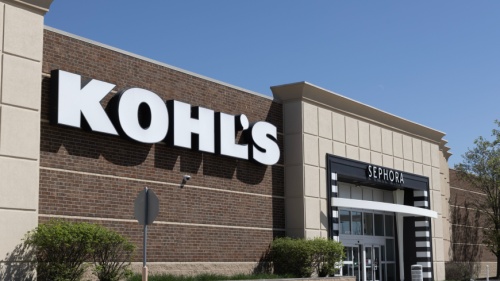
Visitation data to the top five most visited MLB stadiums during 2023 showed differences between the apparel and sporting goods shopping preferences of the various stadiums’ attendees. While 39.4% of visitors to Truist Park also visited DICK’s in 2023, only 30.8% of Yankee Stadium visitors stopped by the sporting goods retailer in the same period. Similarly, while 29.9% of visitors to Yankee Stadium frequented Kohl’s, that percentage jumped to 47.3% for Busch Stadium visitors.  

Harnessing location intelligence to see the consumer preferences of a stadium’s visitor base can help retailers, stadium operators, and even team managers choose partnerships and merchandising agreements that will yield the most effective results. 

Fan Tastes: Beyond the Bleachers

Sports and snacks go hand in hand – what would a baseball game be without a hot dog or peanuts? But while every stadium likely provides a similar core of traditional game day eats, each venue also offers a unique set of dining options, both on- and off-premise. And by leveraging location analytics to gain visibility into stadium-goers dining habits, stadium operators and local food businesses can understand how to best serve each arena’s audience.  

End Zone Eats

Mapping where stadium visitors dine before and after games can help stakeholders in the stadium industry reach more fans. 

The chart below shows the share of visitors coming to a stadium from a dining venue (on the x-axis) or going to a dining venue after visiting the stadium (on the y-axis). The data reveals a correlation between pre-stadium dining and post-stadium dining – stadiums where many guests visit dining venues before the stadium also tend to have a large share of guests going to dining venues after the event. For example, the AT&T Stadium in Arlington, Texas, saw large shares of visitors grabbing a bite to eat on their journey to or from the stadium, while the M&T Bank Stadium in Baltimore, Maryland saw low rates of pre- and post stadium dining engagement. 

These trends present opportunities for both local businesses and stadium stakeholders. For example, venues with high dining engagement can explore partnerships with local restaurants, while those with lower rates can build out their in-house dining options for hungry sports fans.

Different Events Drive Different Dining Patterns

Stadiums looking to enhance their food offerings – or local entrepreneurs thinking of opening a restaurant near a stadium – can also get inspired by stadium visitors’ dining preferences. For example, psychographic data taken from the Spatial.ai: FollowGraph dataset reveals that visitors to MetLife Stadium in East Rutherford, New Jersey have a much stronger preference for Asian cuisine compared to New Jersey residents overall. With that knowledge, the stadium can enhance the visitor experience by expanding its Asian food offerings. 

On the other hand, MetLife Stadium goers seem much less partial to Brewery fare than average New Jerseyans, so the stadium operators and restaurateurs may want to avoid offering too many Brewery-themed dining options. Stadium stakeholders can reserve the craft beers for Caesars Stadium, M&T Bank Stadium, and Soldier Field Stadiums, where visitors seem to enjoy artisanal brews more than the average resident in Louisiana, Maryland, and Illinois, respectively. 

All of the stadiums analyzed exhibited unique visitor dining tastes, a reminder that no customer or fan base is alike. Aligning on- or off-site dining options with offerings that align with a given customer base’s preferences can improve overall visitor satisfaction and boost revenues.

Pitches to Plates

Zooming in to look at consumer behavior around individual events reveals further variability in dining preferences even among visitors to the same stadium, with different types of events driving distinct dining behaviors.

State Farm Stadium in Glendale, Arizona, is home to the Arizona Cardinals. The stadium hosted the 2023 Super Bowl, but the NFL stadium also acts as a concert venue for acts ranging from Taylor Swift to Metallica. And location intelligence reveals that the dining preferences of stadium visitors vary based on the events held at the venue. 

During the Super Bowl, sports bars such as Yard House and Buffalo Wild Wings saw the largest increase in visits compared to the chains’ daily average. A month later, attendees at Taylor Swift's concert gave fried-chicken leader Raising Cane’s a significant boost. 

Local restaurants can leverage location analytics to see what types of events are popular with their visitor base and craft collaborations and advertising campaigns that resonate effectively with their patrons.

Final Buzzer

Sports stadiums and arenas are not just spaces for sports and music enthusiasts to gather; they also offer significant commercial opportunities for the surrounding communities. Stadium operators and local businesses can fine-tune their offerings by utilizing location analytics to better connect with their visitor bases and uncover new retail opportunities. 

INSIDER
3 Trends Shaping the Dining Industry
This report leverages the latest location intelligence data to identify three dining trends that will shape the dining industry in 2024.
November 30, 2023

Digging Into Dining

The dining industry showcased its agility over the past couple of years as it rapidly adapted to shifts in consumer preference brought on by COVID and rising prices. And with a new year around the corner, the pace of change shows no signs of slowing down. 

This white paper harnesses location analytics, including visitation patterns, demographic data, and psychographic insights, to explore the trends that will shape the dining space in 2024. Which dining segments are likely to pull ahead of the pack? How are chains responding to changes in visitor behavior? And where are brands driving dining foot traffic by taking advantage of a new advertising possibility? Read on to find out how dining leaders can tap into emerging trends to stay ahead of the competition in 2024. 

Stepping Up To The Plate

Comparing quarterly visits in 2023 and 2022 highlights the impact of the ongoing economic headwinds on the dining industry. The year started off strong, with year-over-year (YoY) dining visits up overall in Q1 2023 – perhaps aided by the comparison to an Omicron-impacted muted Q1 2022. And while overall dining growth stalled in Q2 2023, several segments – including QSR, Fast Casual, and Coffee – continued posting YoY visit increases, likely bolstered by consumers trading down from pricier full-service concepts. 

Foot traffic slowed significantly in Q3 2023 as inflation and tighter consumer budgets constrained discretionary spending. Overall dining visits fell 2.4% YoY, and full-service restaurants – with their relatively high price point compared to other dining segments – seemed to be particularly impacted by the wider economic outlook. But the data also revealed some bright spots: Fast Casual still succeeded in maintaining positive YoY visit numbers and Coffee saw its Q3 visit grow an impressive 5.4% YoY. As the return to office continues, a pre-work coffee run or lunchtime foray to a fast-casual chain may continue propelling the two segments forward. 

Shifting Demographics and Shifting Dining Behavior

Restaurant visitation patterns have evolved over the past few years. Although an 8 PM seating was once the most coveted slot at fine-dining restaurants, recent visitation data suggests that sitting down to dinner earlier is rising in popularity. 

But among the QSR segment, the opposite trend is emerging, with late-night visits rising. Analyzing hourly foot traffic to several major QSR chains reveals that the share of visits between 9 PM and 12 AM increased significantly between Q3 2019 and Q3 2023. Even Taco Bell – already known for its popularity among the late-night crowd – saw a substantial increase in late-night visits YoY – from 15.4% to 20.3%. 

Younger Customers Staying Out Later

Who is driving the late night visit surge? One reason restaurants have been expanding their opening hours is to capture more Gen-Z diners, who tend to seek out nighttime dining options. But location intelligence reveals that younger millennials are also taking advantage of the later QSR closing times. 

An analysis of the captured market for trade areas of top locations within one of Taco Bell’s major markets – the ​Chicago-Naperville-Elgin, IL-IN-WI Metropolitan area – reveals a year-over-four-year (Yo4Y) increase in “Singles & Starters.” The “Singles & Starters” segment is defined by Experian: Mosaic as young singles and starter families living in cities who are typically between 25 and 30 years old. As consumers continue to prioritize experiential entertainment and going out with friends, late-night dining may continue to see increased interest from young city-dwellers. 

Smoothies Drive Weekend Visits

Millennials and Gen-Z consumers aren’t only heading to their favorite fast food joint for a late-night bite – these audience segments are also helping drive visits on the weekends. Smoothie King is one chain feeling the benefits of young, health-conscious consumers.

The chain, which opened in New Orleans, LA, in 1973 as a health food store, has since grown to over 1,100 locations nationwide and is currently expanding, focusing on the Dallas-Fort Worth CBSA. The area’s Smoothie King venues have seen strong visitation patterns, particularly on the weekends – weekend visits were up 3.4% YoY in Q3 2023.  The smoothie brand’s trade areas in the greater Dallas region is also seeing a YoY increase in weekend visits from “Young Professionals” – defined by the Spatial.ai PersonaLive dataset as “well-educated young professionals starting their careers in white-collar or technical jobs.” 

Sports and Dining - Match Made in Heaven

While some dining chains are appealing to the late-night or weekend crowd, others are driving visits by appealing to sports lovers. How have recent rule changes around student athletes changed the restaurant game, and how can college football teams drive business in their hometowns?

Scoring Big: Leveraging Fan Insights to Fuel Successful Partnerships

College sports have long been a major moneymaker, with top-tier teams raking in billions of dollars annually. And as of 2021, college athletes can enjoy a piece of the significant fan following of college sports thanks to the change in the NCAA’s Name, Image, and Likeness (NIL) rules, which now allows student athletes to sign endorsement deals.

Since then, multiple restaurants have jumped on the opportunity to partner with student athletes, some of whom have millions of followers on Instagram and TikTok. Chains like Chipotle, Sweetgreen, Slim Chickens, and Hooters have all signed college athletes to various brand deals.

How can brands ensure they partner with athletes their customers will want to engage with? Analyzing a chain’s audience by looking at the interests of residents in a given chain’s trade area can reveal which type of athlete will be the most attractive to each brand’s customer base. For example, data from Spatial.ai: Followgraph provides insight into the social media activity of consumers in a given trade area and can highlight desirable partnerships. 

Examining the trade areas of Chipotle, Sweetgreen, Slim Chickens, and Hooters, for instance, reveals that Sweetgreen’s visitors tended to have the largest share of Women’s Soccer followers. Conversely, Sweetgreen’s trade area had lower-than-average shares of College Football Fans or College Basketball Fans, while residents of the trade areas of the other three chains showed greater-than-average interest in these sports. Leveraging location intelligence can help companies choose brand deals that their customers resonate with and find the ideal athletes to represent the chain. 

College Gameday - Wins for Dining

Finding the right college athlete partnership is one way for dining brands to appeal to college sports enthusiasts. But dining chains and venues located near major college stadiums also benefit from the popularity of their local team by enjoying a major game day visit boost. 

One of the country’s most popular college football teams, the Ohio State Buckeyes, can draw millions of TV viewers, and its stadium has a capacity of 102,780 – one of the largest stadiums in the country. And while tailgating is a popular activity for Buckeyes fans, nearby restaurants are some of the biggest beneficiaries of the college football craze. Panera experienced a 235.3% increase on game days as compared to a typical day, Domino’s Pizza visits grew by 283.3%, and Tommy’s Pizza, a local pie shop, saw its visits jump by a whopping 600.9%. 

Game Day Visitor Spikes

This influx in diners also causes a major shift in game day visitor demographics, as revealed by changes in visitors at dining venues located near stadiums of two of the nation’s best college football teams – the Ohio State Buckeyes and Ole Miss Rebels. Based on Spatial.ai: Personalive data for the captured market of these dining venues, game day visitors tended to come from “Ultra Wealthy Families” when compared to visitors during a typical non-game day in September or October. 

The analysis indicates that popular sporting events create a unique opportunity for restaurants near college stadiums to attract high-income customers game day after game day, year after year. 

Subwars: Room for Everyone

While some spend game day tailgating or visiting a college restaurant, others hold a viewing party – with a six-foot submarine. And the sub’s popularity extends beyond Superbowl Sundays. Sandwich chains including Jersey Mike’s, Firehouse Subs, Jimmy John’s, and Subway (recently purchased by the same company that owns Jimmy John’s) have seen sustained YoY increases in visits and visits per venue in the first three quarters of 2023.

Some of the growth to these chains may be related to their affordability, a draw at all times but especially during a period marked by consumer uncertainty and rising food costs. And subway leaders seem to be seizing the moment and striking while the iron is hot – Jersey Mike’s opened 350 stores in 2023 and still saw its YoY visits per venue grow by 6.6%. And Subway reported ten consecutive quarters of positive sales, a promising sign for its new owner. 

Sandwich Chains Attract a Wide Consumer Base

The love for a healthy, affordable sandwich extends across all income levels, with all four chains seeing a range in their visitors' median household income (HHI). Out of the four chains analyzed, Jersey Mike’s – which has long prioritized a suburban, middle-income customer – had the highest trade area median household income of the four chains at $77.3K/year. Subway, known for its affordability, had the lowest, with $62.9K/year. The variance in median HHI combined with the strong foot traffic growth shows that when it comes to sandwiches, there’s something for everyone. 

So What’s The Dining Space Cooking Up?

Persistent inflation and declining consumer sentiment may pose serious challenges for the dining space, but emerging trends are helping boost some restaurants. Customers seeking out a late-night bite drive visits to QSR chains, and health-conscious diners are boosting foot traffic to smoothie bars and sandwich shops. Meanwhile, sports sponsorships and game-day restaurant visits can provide a boost to dining businesses that take advantage of these opportunities. 

Loading results...
We couldn't find anything matching your search.
Browse one of our topic pages to help find what you're looking for.
For more in-depth analyses on a variety of subjects, explore Reports.
The Anchor Logo
INSIDER
Stay Anchored: Subscribe to Insider & Unlock more Foot Traffic Insights
Gain insider insights with our in-depth analytics crafted by industry experts
— giving you the knowledge and edge to stay ahead.
Subscribe