Skip to Main Content
Thank you! Your submission has been received!
Oops! Something went wrong while submitting the form.
0
0
0
0
----------
0
0
Articles

Article
Off-Price Apparel: Off to a Strong Start in 2025
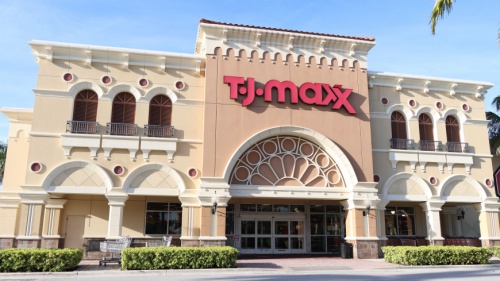
The off-price apparel space remains well-positioned as consumers continue to favor budget-friendly retailers. We dive into the latest location intelligence for category leaders Burlington, Marshalls, Ross Dress for Less, and T.J. Maxx – to explore how the segment closed out 2024 and began 2025.
Ezra Carmel
Feb 19, 2025
4 minutes

The off-price apparel space remains well-positioned as consumers continue to favor budget-friendly retailers. We dive into the latest location intelligence for the space – and category leaders Burlington, Marshalls, Ross Dress for Less, and T.J. Maxx – to explore how the segment closed out 2024 and started off in 2025. 

Increased Visitation to Off-Price Leaders

The leaders of the off-price apparel space – Burlington, Marshalls, Ross Dress for Less, and T.J. Maxx – drove the success of the category last year. In 2024, Burlington’s visits increased (7.9%), as did visits to Marshalls (5.3%), Ross (0.7%) and T.J. Maxx (4.9%).

Zooming into H2 2024 reveals that Burlington, Marshalls, and T.J. Maxx saw consistent YoY visit growth. And although Ross Dress for Less saw mild visit gaps for some of the period, all four off-price apparel chains analyzed started the new year on a high note with January 2025 visits up across the board compared to the previous year. 

Marmaxx, Ross, and Burlington expanded their real estate footprints in 2024 – likely contributing to the chains’ YoY visit increases. And all four retailers’ have plans to continue their expansion strategies in the coming years – putting them on a foot traffic growth trajectory for 2025.

Off-Price Tips the Scales

The foot traffic growth of Burlington, Marmaxx, and Ross plays a significant role in the success of the off-price category, which has steadily increased its share of total apparel visits. 

In Q4 2024, the off-price apparel category claimed a majority of the combined off-price and our traditional apparel category visits (51.9%) for the first time since at least 2019. This demonstrates the segment’s strong holiday performance and continued resilience in the face of economic headwinds for both consumers and retailers.

Regional Paths to Success

Diving deeper into the foot traffic for Burlington, Ross, Marshalls, and T.J. Maxx highlights robust nationwide visits as well as several regional preferences among consumers. 

Nationwide, Ross claimed the lion’s share of visits between the four chains in Q4 2024 (31.0%), followed by T.J. Maxx (28.0%), Marshalls (23.1%), and Burlington (17.9%).

Analysis of the chains’ share of visits by CBSA reveals that Ross claimed the greatest share of visits in a majority of the West and Southwest, as well as in many large metropolises. Meanwhile, T.J. Maxx appeared to be the most-visited brand in many CBSAs throughout the Eastern United States, while Marshalls appeared to be the preferred brand in the Mid-Atlantic.

And despite claiming 17.9% of combined visits to the four off-price apparel chains, Burlington received the largest share of visits in only two CBSAs – Midland, TX and Anchorage, AK, which could be due to the brand’s long-term smaller-format strategy. While a smaller-format store may have less physical real estate (and therefore visitor potential) than the typical Marmaxx and Ross location, it affords Burlington the flexibility to source locations with strong economics that can drive productivity for the brand in markets nationwide

All four brands have a robust presence nationwide, yet regional preferences and variations in real estate footprints highlight the different paths to success in the off-price space.

Taking Off

The off-price apparel segment is thriving in 2025, with Burlington, Marshalls, Ross, and T.J. Maxx leading the charge. Consumers continue to prioritize value, fueling steady foot traffic growth and cementing off-price retailers as key players in the apparel space. Each brand is carving out its own regional strongholds while expanding its footprint, setting the stage for even greater success in the year ahead.

Want more data-driven insights? Visit Placer.ai

Article
Visitation Trends and Shopping Behaviors at Walmart & Target 
How did Walmart, Target, and wholesale clubs perform in 2024? What do early 2025 foot traffic trends tell us about superstores’ growth potential in the coming year? And what do visitation patterns at Target and Walmart reveal about the role each chain plays in the wider retail landscape?
Shira Petrack
Feb 18, 2025
3 minutes

How did Walmart, Target, and wholesale clubs perform in 2024? What do early 2025 foot traffic trends tell us about superstores’ growth potential in the coming year? And what do visitation patterns at Target and Walmart reveal about the role each chain plays in the wider retail landscape? We dove into the data to find out. 

Superstores & Wholesale Clubs Start 2025 Strong

Wholesale clubs outperformed more traditional superstores in 2024, as Costco, BJ’s, and Sam’s Club saw 4.8% to 7.2% YoY increases in visits while Target and Walmart’s traffic remained relatively flat. And though wholesale clubs continued outperforming Target and Walmart in the new year as well, the two superstore leaders did see clear visit increases of 3.6% and 3.0%, respectively, in January 2025 – a promising sign for the retail giants’ growth in the year ahead.

How Do Audience and Shopping Behavior Differ at Target and Walmart? 

Target and Walmart both operate national chains of one-stop shops that carry a variety of consumables and non-consumables, including groceries, apparel, toys, and electronics. But diving into the demographics of the two brand’s captured market reveals that each chain serves a slightly different audience. 

Target tends to attract visitors from areas with higher HHI and larger households: The company’s captured market includes a larger share of both households with children and non-family (e.g. roommates) households than Walmart’s, perhaps due to Target’s relative appeal to both suburban and strongly urbanized segments. Meanwhile, Walmart seems to attract more repeat monthly visitors (who visit the chain at least twice a month), perhaps thanks to the chain’s extensive grocery offerings and to its popularity among rural and semirural segments who may not have a variety of retail options to frequent.

Walmart Shoppers Stay Longer, Target’s Visitors Come Later

The two chains’ visitor base also exhibit differences in in-store behavior. Walmart visitors do seem to linger a little longer in store, with 20.7% of the chain’s visits lasting longer than 45 minutes compared to Target’s 17.1% – maybe thanks to the mission-driven shopping behavior of some of its rural and semirural customer base. But despite the longer visits, Walmart still receives a larger share of weekday visits than Target – perhaps thanks to its larger share of single shoppers with fewer weekday commitments.

For more data-driven consumer insights, visit placer.ai

Article
Home Improvement Traffic Dips Stabilize Somewhat
How did home improvement leaders The Home Depot and Lowe’s perform in 2024? And what lies ahead for the chains in 2025? We dove into the data to find out. 
Bracha Arnold
Feb 17, 2025
3 minutes

How did home improvement leaders The Home Depot and Lowe’s perform in 2024? And what lies ahead for the chains in 2025? We dove into the data to find out. 

Gearing Up For Stability

A challenging retail environment continued weighing on the home improvement space in 2024 as high prices and tighter consumer budgets led many consumers to push off discretionary renovations and remodels. As a result, visits to The Home Depot and Lowe’s remained below 2023 levels throughout 2024. Still, the visit gaps were relatively minor – The Home Depot received 1.6% to 3.5% fewer quarterly visits and Lowe’s saw a 2.2% to 4.7% visit gap relative to 2023 – a testament to the enduring strength of these home improvement giants.

Promotions Drive Home Improvement Visits 

Diving deeper into the daily visits data also reveals that, despite the challenges, the two retailers succeeded in driving significant visit boosts through promotions and holiday sales: Mother’s Day, Black Friday, and the Saturday of Memorial Day were the top three visited days for The Home Depot and Lowe’s in 2024. Lowe’s received its highest daily traffic boost on Mother’s Day – likely thanks to its free plant giveaway – while The Home Depot saw its largest visit surge over the traditionally busy Black Friday. Finally, Memorial Day sales drove the third largest visit peak for both chains. 

The boost in consumer traffic during special events underscores the potential of seasonal promotions to drive engagement and foot traffic – even in times of wider retail headwinds and economic uncertainty.

Hobbyists May Be Taking Center Stage

Both The Home Depot and Lowe’s received fewer visitors in 2024 compared to 2023, but a closer look reveals that the YoY dips in repeat visitors (who visited at least twice a month) were larger than the declines in casual (once a month) shoppers. For example, in December 2024, the number of casual visitors to The Home Depot dipped 3.0% YoY while the number of repeat monthly visitors declined by 4.0% compared to 2023. YoY visitor trends to Lowe’s generally followed a similar trend.

This trend suggests that, with home sales at their lowest levels since 1995 and many consumers looking to avoid non-essential expenditures, demand for large-scale renovations may be slowing. As a result, contractors and homeowners undertaking major remodeling projects are likely visiting these stores less frequently. 

But while these trends may be hampering home improvement visits in the short term, the current downturn could also be setting the stage for a future recovery – as a stabilizing economy could unleash significant pent-up demand.

What Comes Next For Home Improvement?

Visits to the country’s two largest home improvement retailers, while not yet returned to their pandemic-era highs, are beginning to stabilize. Will 2025 see a return to normal for the chains? 

Visit Placer.ai to keep up with the latest data-driven retail insights. 

Article
Fitness Starts Strong in 2025
With consumer interest in wellness showing no sign of slowing down, we dove into fitness foot traffic data to see how the segment performed in 2024 and understand what the new year holds for the category. 
Shira Petrack
Feb 14, 2025
3 minutes

With consumer interest in wellness showing no sign of slowing down, we dove into fitness foot traffic data to see how the segment performed in 2024 and understand what the new year holds for the category. 

Fitness Category Still Growing

The fitness category has yet to hit its peak. Following consistent year-over-year (YoY) growth in monthly visits throughout 2024, traffic to the category rose again in January 2025 with visits 2.3% higher than in January 2024 – a strong start for what is likely to be another standout year in the fitness space.

Traditional January Fitness Spike Continues in 2025

And while some may consider New Year’s resolutions to be an outdated, unhelpful institution, the data indicates that January still drives a significant fitness spike as Americans across the country commit to their wellness goals at the start of the year.

Fitness visits in January 2025 were 21.2% higher than in December 2024 – only a slightly lower spike than the month-over-month (MoM) January 2024 jump of 23.4% – indicating that New Year’s resolutions are still quite popular in 2025. At the same time, the slightly lower MoM growth in January may also reflect the relatively stable visitation trends throughout 2024 – a shift from the traditional patterns of fitness chains losing about 30% of their members each year.

Interest in Wellness Boosting Gyms Across the Board

Diving into individual fitness chains reveals that the category’s ongoing success is driving visit growth across the fitness segment – including at budget gyms such as Planet Fitness and Crunch Fitness, mid-range chains such as LA Fitness, and premium brands such as Life Time. And critically, both overall visitors and visit frequency were consistently elevated in H2 2024 and going into 2025, indicating that not only are more people going to the gym – they’re also generally going more frequently. It seems, then, that the wellness trend of the past few years is still gaining momentum.

Fitness Consumer Trends – Variation in Visit Frequency by Season & Brand Tier 

While the increased interest in wellness seems to have brought a boost in industry-wide fitness visits, analyzing visit frequency by brand and quarter does reveal some differences – and some similarities – across different brand tiers. 

All four brands analyzed – Planet Fitness, Crunch Fitness, LA Fitness, and Life Time – received the largest share of repeat visitors (at least twice a month) in Q1 2024, as New Year’s resolutions drove a boost in gym-going frequency. The share of repeat visitors then consistently fell throughout the year, and the chains (with the exception of Life Time) received the lowest share of repeat visits in Q4 as vacations and holidays likely interfered with people’s exercise schedule. 

One might expect high value low price (HVLP) gyms to attract lower-usage members – since the modest fee may mean that members are not compelled to get the most bang for their buck – but looking at the data reveals that visit frequency did not necessarily correlate with membership pricing. While Planet Fitness and Crunch Fitness are both HVLP chains, their visit frequency patterns differed significantly: Planet Fitness seemed to attract a relatively high share of lower-usage members, while Crunch Fitness’ visit frequency exceeded that of higher-priced LA Fitness and was in fact was closer to that of premium chain Life Time.

For more data-driven consumer insights, visit placer.ai

Article
The Meat of the Matter: Bloomin’ Brands in 2024
Bloomin’ Brands, which owns Outback Steakhouse, Fleming’s Prime Steakhouse, and other full-service chains, experienced mixed results throughout 2024 amid continued dining segment challenges. We took a look at the company's performance, to see what the data can tell us about 2024.
Bracha Arnold
Feb 13, 2025
3 minutes

Bloomin’ Brands, the parent company of Outback Steakhouse, Carrabba’s Italian Grill, Bonefish Grill, and Fleming’s Prime Steakhouse, faced a year of mixed results in 2024 amid continued challenges in the dining sector.

We analyzed the company’s overall performance, along with its individual brands, to see what the visit data reveals about the past year.

The Metrics Behind the Meal

The past year was a challenging one for many restaurant chains, and Bloomin’ Brands was not immune. Overall visits to the restaurant group declined by 2.9% YoY, with quarterly visits in 2024 falling between 1.9% and 4.0% compared to 2023. 

Still, Bloomin’ appears to be working on a pivot – and visits per location metrics suggest that this  is working. The company closed dozens of stores throughout 2024, a rightsizing strategy aimed at focusing on high-performing locations. As a result, visits per location tracked more closely with 2023 levels, with visits per location for 2024 as a whole up by 0.1% compared to 2023. 

Getting Grain-ular

Diving into individual brands reveals that most of Bloomin’s chains displayed minimal visit gaps. In particular, Fleming’s Prime Steakhouse finished the year strong with a 0.8% YoY increase in Q4 2024 visits – in keeping with the general outperformance of fine dining concepts, especially around the holidays

Still, one brand, Bonefish Grill, lagged behind the others. The company intends to simplify the menu and enhance the core brand experience, which may help bring visits back to Bonefish in 2025. 

Rightsizing Reveals Rewards

While most Bloomin’ Brands chains experienced visit declines in 2024, visits per location tracked closely with 2023 levels, reflecting the impact of the company’s strategic closures.

Outback Steakhouse, Carrabba’s Italian Grill, and Fleming’s Prime Steakhouse all saw YoY increases in visits per location for three out of four quarters in 2024. Fleming’s in particular ended the year strong with a 3.3% visit per location increase in Q4 2024 – suggesting that Bloomin’ might do well by focusing on its more upscale offerings. 

And Bonefish Grill saw smaller YoY visit gaps in average visits per location compared to its overall visit metric – a sign that rightsizing may have helped offset some of the broader traffic challenges.

Last Bites

Despite facing a challenging year, the stability in the average visits per location across Bloomin’ Brands serves as a reminder that there are plenty of ways for restaurants to pivot and succeed. 

Follow Placer.ai for the latest data-driven dining insights.

Article
The Beat of the Bowl: Visitation Patterns for CAVA and sweetgreen
CAVA and sweetgreen have been rapidly expanding, cementing their place in the fast-casual dining landscape. We dive into the data to take a closer look at CAVA and sweetgreen’s foot traffic performance and uncover the seasonal visitation patterns driving appetite for these chains in 2025.
Ezra Carmel
Feb 12, 2025
4 minutes

CAVA and sweetgreen have been rapidly expanding, cementing their place in the fast-casual dining landscape. We dive into the data to take a closer look at CAVA and sweetgreen’s foot traffic performance and uncover the seasonal visitation patterns driving appetite for these fast-growing chains in 2025.

Expanding Footprints

CAVA and sweetgreen are still firmly in expansion mode, with new store openings fueling their foot traffic growth. Last quarter, CAVA reported a 21.4% year-over-year (YoY) increase in total restaurants and currently boasts nearly 380 locations. And in the past year, sweetgreen has opened dozens of new venues, growing the chain’s footprint to over 900 locations

Through H2 2024 and the start of 2025, CAVA and sweetgreen experienced consistent YoY visit growth – outperforming the fast-casual restaurant category every month. CAVA’s significantly larger visit growth (26.9% compared to sweetgreen’s 9.9% YoY in Q4 2024) was likely due to the proportional impact of new restaurant openings on CAVA’s smaller real estate footprint.

As CAVA and sweetgreen continue to expand, 2025 is likely to be another year of sustained growth for both restaurants. 

Daytime Dining

Analyzing seasonal visit trends can reveal some of the factors driving sweetgreen and CAVA’s success. 

Fast-casual restaurants generally receive more of their visits during lunch than during dinner. And CAVA and sweetgreen received an even larger share of lunchtime (12 PM to 3 PM) visits than the fast-casual average – indicating that these restaurants’ lunchtime popularity is likely a major growth driver. 

CAVA also received the highest dinner (between 6 PM and 9 PM) visit share. This indicates that despite CAVA’s fast-casual designation, consumers seem to treat it more like a full-service restaurant, with patrons visiting the chain to eat a proper meal and not just to grab a convenient bite between errands. And the company’s recently launched loyalty program may well bring even more lunch and dinner visits to the chain in 2025.  

Meanwhile, sweetgreen’s dinner visit share remained at or below the fast-casual average throughout the year. But evening traffic to the salad chain did increase during the warmer months – hitting a high of 27.4% between July and October – perhaps due to consumers remaining out and about later when there were more daylight hours. Consumers generally spend significantly more on dinner out than on lunch, so sweetgreen may want to fuel its warm-weather dinner boost by offering specials or promotions to attract even more evening patrons to its locations during Q2 and Q3. Sweetgreen may also choose to incorporate time-dependent ordering incentives into its new loyalty program to encourage more evening visits throughout the year.

Winter Weekends

Further analysis of visitor behavior reveals that CAVA and sweetgreen drive a significant share of weekend visits. And while sweetgreen’s dinner boost tends to occur in Q2 and Q3, both sweetgreen and CAVA’s weekend visit share increases in Q1 and Q4. 

At least some of the elevated weekend visits in Q4 2024 may have been due to the many consumers that were on vacation – eating fewer mid-week meals out of the house – or grabbing a bite while doing their holiday shopping on Saturday and Sunday. Still, elevated weekend traffic in Q1 indicates that the chains have the potential to drive significant traffic during other cold-weather months on days when consumers have more time for recreation. 

CAVA’s continued investment in inviting dining rooms – part of the chain’s “Project Soul” campaign – may attract unhurried diners looking to experience a cozy ambiance, while sweetgreen’s early-stage rollout of the robotic “Infinite Kitchen” may actually elevate the indoor dining experience to one that is fun and weekend-worthy.

Fresh Take

As sweetgreen and CAVA pursue various strategies in their next phase of growth, an understanding of consumer behavior can help the chains maximize the potential of their robust visitor bases and enhance operational efficiency.

Want more data-driven dining insights? Visit Placer.ai.

Reports
INSIDER
Report
Hotels in the Heart of the City
Dive into the data to examine hotel visit trends across four major downtown cores: Miami, Chicago, New York, and Los Angeles.
March 10, 2025
6 minutes

Placer.ai observes a panel of mobile devices in order to extrapolate and generate visitation insights for a variety of locations across the U.S. This panel covers only visitors from within the United States and does not represent or take into account international visitors.

Downtown Occupancy On The Rise

Downtown districts in the nation’s major cities attract domestic travelers all year long with their iconic sights, lively entertainment, and diverse dining offerings. But each hub follows its own rhythm, shaped by distinct seasonal peaks and dips in visitor flow. 

This white paper examines downtown hotel visitation patterns in four of the nation’s most popular destinations for domestic tourists: Miami, Chicago, New York, and Los Angeles. Focusing on 20 downtown hotels in each city, the analysis explores seasonal variations in domestic travel, city-specific dynamics, and differentiating factors.

Miami and Chicago Take the Visit Growth Lead

Domestic tourism has rebounded strongly in recent years, and hotels in Miami and Chicago have been the biggest beneficiaries. In 2024, visits to analyzed hotels in each of these cities’ downtown areas grew by 8.9% and 7.4%, respectively, compared to 2023.  Meanwhile, hotels in downtown and midtown Manhattan saw a more modest 2.0% increase, while Los Angeles experienced a slight year-over-year (YoY) decline in downtown hotel visits. 

One factor that may be driving Miami and Chicago’s stronger performance is their higher proportion of long-distance visitors, defined as those visiting from over 250 miles away. Miami remains a top destination for snowbirds and spring breakers, while Chicago serves as a cultural and entertainment hub for the sprawling Midwest. These long-distance leisure travelers may be more likely to splurge on downtown hotel stays during their trips, helping drive hotel visit growth in the two cities. 

By contrast, hotels in the Los Angeles and Manhattan city centers drew lower shares of domestic travelers coming from less than 250 miles away. These shorter-haul domestic tourists may be less likely to splurge on downtown hotels than those taking longer vacations. Both cities are also surrounded by numerous regional getaway options that can draw long-haul leisure travelers away from their downtown cores.

Visits Peak At Different Points

Each of the four analyzed cities has its own unique ebbs and flows – and city center hotel visits reflect these patterns. Miami, with its warm, sunny climate, experiences influxes of tourists during the winter and spring, with March seeing the biggest jump in downtown hotel visits last year (13.0% above the monthly visit average). Chicago, which thrives in the summer with its many festivals and events, saw its biggest downtown hotel visit bump in August. Meanwhile, Manhattan experienced a major uptick in December, likely fueled by holiday tourism and New Year celebrations, and Los Angeles visits were highest in the summertime.

Feeling The Miami Heat

What drives these seasonal visit peaks? Miami has long been a top tourism destination, especially in early spring, when snowbirds and spring breakers flock to the city for sun and relaxation. In recent years, the city has seen a rise in short-term domestic tourism, suggesting that the city is becoming increasingly popular for weekend getaways. According to the Placer.ai Tourism Dashboard, the share of domestic tourists staying just one or two nights grew from 71.7% in March 2022 to 78.3% in March 2024.

This shift aligns with an impressive increase in the magnitude of downtown Miami’s springtime hotel visit peak: In March 2022, visits to downtown hotels were 5.0% above the monthly average for the year, a share that more than doubled by 2024 to 12.9%. 

These numbers may mean that more people are choosing to head to Miami for a quick break from the cold – and staying in downtown hotels to make the most of their short getaway.

A Taste of Chicago in the Summer

Chicago’s major August visit spike was likely driven by the Windy City’s impressive lineup of major summer festivals, from Lollapalooza to the Chicago Air and Water Show, which draw thousands of attendees from across the country. 

Lollapalooza fueled the largest visit spike to the city – between Thursday, August 1st and Sunday, August 4th, visits to downtown Chicago hotels surged between 51.1% and 63.8% above 2024 daily averages for those days of the week. The Air and Water Show and the Chicago Jazz Festival also generated significant hotel visit increases – highlighting the boost these events bring to the city’s tourism and hospitality sector.

Staying in The City That Never Sleeps

The Big Apple draws a diverse mix of visitors throughout the year. But in December – the city’s peak tourist season – visitors pour in from all over the country to skate in Rockefeller Center, browse Fifth Avenue’s festive window displays and experience the city’s unique holiday magic. 

And analyzing data from hotels in midtown and downtown Manhattan reveals a striking shift in the types of visitors who stay in the heart of NYC during the holiday season. While visitors from other urban centers dominated downtown hotel stays throughout most of the year – accounting for 47.9% of visits from January to November 2024 – their share dropped to 42.0% in December 2024. Meanwhile, the share of guests from suburban areas and small towns rose from 37.3% to 41.0%, and the share of guests from rural and semi-rural areas nearly doubled, from 3.5% to 6.1%. 

These patterns suggest that, though Manhattan typically attracts a wide range of visitors, the holiday season is uniquely appealing to tourists from smaller towns and suburban areas. Understanding these trends can provide crucial context for hotels and civic stakeholders alike as they work to maximize the opportunities presented by the city’s December visit surge. 

Tinseltown Tourism

Los Angeles hotels also experience significant demographic shifts during peak season. In July, visits to downtown LA hotels surged by 15.3% relative to the 2024 monthly visit average. And a closer look at audience segmentation data suggests a corresponding surge in the share of "Flourishing Families" – an Experian: Mosaic segment consisting of affluent, middle-aged households with children. Throughout the year, "Flourishing Families" comprised between 7.7% and 8.7% of the census block groups (CBGs) driving visits to downtown LA hotels. But in July, this share jumped to 9.9%.

These families may be taking advantage of summer vacations to enjoy Los Angeles’ cultural attractions and entertainment. Hotels and city stakeholders who understand the appeal the city holds for this demographic can better cater to them through family-friendly promotions and strategic marketing efforts to target these households.

Downtown Cores Continue to Drive Visits

Downtowns are making a comeback – and hotels in the heart of the nation’s major tourist hubs are reaping the benefits. By understanding who frequents these downtown hotels and when, local businesses and civic leaders can optimize their resource management and strategic planning to make the most of these opportunities.

INSIDER
Report
Blueprint for Recovery: Lessons From New York’s Office Comeback
Dive into the data to see how New York office visitation patterns evolved in 2024 - and uncover trends shaping Big Apple work routines heading into 2025.
February 27, 2025

Wall Street Wakeup

The New York office scene is buzzing once again, as companies from JPMorgan to Meta double down on return-to-office (RTO) mandates. But just how did New York office foot traffic fare in 2024? How did Big Apple office foot traffic compare to that of other major business hubs nationwide? And how is New York’s office recovery impacting post-COVID trends like the TGIF work week? Are office visits still concentrated mid-week, or are people coming in more on Fridays and Mondays? And how has Manhattan’s RTO affected local commuting patterns? 

We dove into the data to find out. 

Nationwide Recovery Leader

In 2024, New York City cemented its position as the nationwide leader in office recovery. Thanks in part to remote work crackdowns by banking behemoths like Goldman Sachs, Morgan Stanley, and JPMorgan, visits to NYC office buildings in 2024 were just 13.1% below pre-pandemic (2019) levels.

For comparison, Miami’s office foot traffic remained 16.2% below pre-pandemic levels, while Atlanta, Washington D.C., and Boston saw significantly larger gaps at 28.6%, 37.8%, and 43.9%, respectively.

No Slowing in Sight

Perhaps unsurprisingly given the Big Apple’s robust year-over-five-year (Yo5Y) recovery, the pace of year-over-year (YoY) visit growth to NYC office buildings was somewhat slower in 2024 than in other major East Coast business centers. Still, New York’s YoY office recovery rate of 12.4% outpaced the nationwide baseline, and came in just slightly below Washington, D.C.’s 15.2% and Atlanta’s 14.6%. 

Fridays Fizzle, Mondays Rebound, Tuesdays Surge

Interestingly, New York’s return to office has not led to a significant retreat from the TGIF work week that emerged during COVID. In 2024, just 11.9% of weekday (Monday to Friday) visits to NYC offices took place on Fridays – only slightly more than the 11.5% recorded in 2023 and significantly below the pre-pandemic baseline of 17.2%.

Meanwhile, Monday has quietly regained its footing as the dreaded start of the New York work week. After dropping significantly in 2022 and 2023, the share of weekday office visits taking place on Mondays rebounded to 18.2% in 2024 – just slightly below 2019’s 19.5%. Still, Tuesday remained the Big Apple’s busiest in-office day of the week last year, accounting for nearly a quarter (24.6%) of weekday NYC office foot traffic.

Tuesday Recovery (Nearly) Complete

And diving into Yo5Y data for each day of the work week shows just how much New York’s overall recovery is driven by mid-week visits – and especially Tuesday ones. In 2024, Friday visits to NYC office buildings were down 40.2% compared to 2019. But on Tuesdays, visits were essentially on par with pre-pandemic levels (-0.3%), even as nationwide office visits remained 24.6% below 2019.

The Office Next Door

Another post-COVID trend that has shown staying power in New York is the growing share of office visits coming from employees who live nearby. As hybrid schedules become the norm, it seems that those commuting more frequently are often just a short subway ride -or even a stroll- away.

A Steadily Growing Share of Nearby Workers

The share of NYC office workers coming from less than five miles away, for example, has risen steadily since COVID, reaching 46.0% in 2024. Over the same period, the share of workers coming from 5-10 miles, 10-15 miles, or 25+ miles away has declined.

Outpacing Other Markets in Short Commutes

Looking at commuting trends across the East Coast helps put New York City’s shift into perspective. In 2019, NYC’s share of nearby commuters was on par with Washington, D.C. and slightly below Boston. But while both cities experienced moderate increases in local commuters between 2019 and 2024, New York pulled ahead, outpacing all other analyzed cities in its share of nearby office workers last year.

Miami and Atlanta – two other standout cities in office recovery – also saw significant growth in the percentage of short-distance commuters over the past five years. This trend underscores a broader shift: As hybrid work reshapes commuting habits, employees across multiple markets are more likely to go into the office if they live nearby, reducing reliance on long-haul commutes.

A Big Apple Bellweather

As the nation’s office recovery leader, New York offers a glimpse into what other cities can expect as office visitation rates continue to improve. Even at just 13.1% below pre-pandemic levels, NYC office visit levels continue to rise. And as recovery nears completion, trends that took hold during COVID remain firmly entrenched.

INSIDER
Report
3 Strategies for Full-Service Success in 2025
Dive into the data to uncover strategies helping full-service restaurant chains succeed in what remains a challenging environment.
February 20, 2025

Strategy is Everything

The full-service dining segment has experienced its fair share of challenges over the past few years, with pandemic-era closures, rising food and labor costs, and cutbacks in discretionary spending contributing to visit lags. In 2024, visits were down 0.2% year over year (YoY) and remained 8.4% below 2019 levels – a reflection of the significant number of venues that permanently closed over COVID and a testament to the industry's ongoing struggle to regain its pre-pandemic footing.

Yet, even in a difficult environment, some full-service restaurant (FSR) chains are thriving. These brands aren’t waiting for the industry to rebound – they're becoming trendsetters in their own right, proving that stand-out strategy is everything in a challenging market. 

This white paper explores brands that are harnessing three key differentiators – fixed-price value offerings, elevated social experiences, and a laser focus on product – to drive full-service dining success in 2025. 

Fixed-Price Value Models 

One of the most defining trends over the past few years has been the unrelenting march of price increases. And as consumers continue to seek out ways to save, some chains are staying ahead of the pack with fixed-price value offerings that help diners squeeze out the very best bang for their buck. 

A Golden Opportunity: All You Can Eat at Golden Corral 

Golden Corral, the all-you-can-eat buffet chain that lets kids under three eat for free, is one FSR that is benefiting from consumers’ current value orientation. Despite closing several locations in 2024, overall visits to the chain still tracked closely with 2023 levels, declining by just 0.5% – while the average number visits to each Golden Corral restaurant grew 3.8% YoY. 

Golden Corral’s value proposition is resonating strongly with budget-conscious Americans eager to enjoy a wide variety of comfort foods at an affordable price. The chain’s visitors tend to come from trade areas with lower median household incomes (HHIs) than traditional full-service restaurant (FSR) diners. And these patrons are willing to travel to enjoy the chain’s value buffet offerings, many of which are situated in rural areas and may require a longer drive. In 2024, 25.2% of Golden Corral’s diners came from over 30 miles away – compared to just 19.2% for the wider FSR segment.

Golden Corral’s continued flourishing proves that in an era of rising costs, diners are willing to go the extra mile (literally) for a restaurant that delivers both quality and affordability.

(Nearly) All-You-Can-Play at Chuck E. Cheese  

Children’s party space and eatertainment destination Chuck E. Cheese has had a transformative few years. Following the retirement of its iconic animatronic band, the chain shifted its focus to a new membership model, announcing a revamped Summer of Fun pass in May 2024 – including unlimited visits over a two-month period, steep discounts on food, and up to 250 games per day. The pass proved incredibly popular, with YoY visits surging by 15.6% in May 2024, when the offer launched – a sharp turnaround from the YoY visit declines of the previous months. Recognizing the strong demand, Chuck E. Cheese extended the program year-round – and the strategy has paid off as YoY visits remained positive through the end of 2024.

Fun With Repeat Visitors

A closer look at the data suggests that parents are making full use of their unlimited passes: The share of weekday visits was higher in H2 2024 than in H2 2023, likely due to families using their passes for weekday entertainment rather than reserving visits for weekends and special occasions. 

At the same time, the share of repeat visitors – those frequenting the chain at least twice a month – also grew. Although these repeat visitors may not purchase additional gameplay beyond the flat fee, their more frequent on-site presence likely translates into increased sales of pizza and other menu items.

Next-Level Social Experiences

While value has been a major motivator for restaurant-goers in recent years, low prices aren’t the only drivers of FSR success. Brands offering unique experiences aimed at maximizing social interaction are also seeing outsized gains. 

Though many of these more innovative venues tend to be on the more expensive side, they draw enthusiastic crowds willing to pony up for concepts that combine good food with fun social occasions.  And some of the more successful ones bolster perceived value through offerings like fixed-price menus or club memberships.  

KPOT: Food, Friends, and Fun

Korean cuisine has  been on the rise in recent years, with restaurants like Bonchon Chicken and GEN Korean BBQ House making significant waves in the dining space. Another chain drawing attention is KPOT Korean BBQ and Hot Pot, which began modestly in 2018 and has since expanded to over 150 locations nationwide. 

Diners at KPOT can customize their meals by selecting from a variety of proteins, broths, sauces, and side dishes, known as banchan, while barbecuing or cooking in a hotpot at their table and sipping on the drinks from the menu’s extensive selection. And though pricier than Golden Corral, KPOT also offers an all-you-can-eat experience that lets customers squeeze the most value out of their indulgence. 

Location intelligence shows that KPOT’s experiential dining model is resonating with customers: Since Q4 2019, the average number of visits to each KPOT location has risen steadily – even as the chain has grown its footprint – while the average dwell time has also increased. Indeed, rather than a quick dining stop, KPOT has become a destination for guests to linger, enjoying both food and drinks – and an interactive and social experience.

Wine-Not Have a Drink 

By positioning themselves as gathering places for fine wine aficionados, wine-club-focused concepts such as Postino WineCafe and Cooper’s Hawk Winery are also benefiting from today’s consumers’ emphasis on social experiences. The two upscale dining destinations offer club memberships that combine periodic wine releases with a variety of perks. 

And the data suggests that the model is strongly resonating with diners. Both Postino and Cooper’s Hawk have grown their footprints over the past year, driving substantial YoY chain-wide visit increases while average visits per location grew as well – showing that the expansions and experiential offerings are meeting robust demand. 

And analyzing the two chains’ captured markets shows that the wine club model enjoys broad appeal across a variety of audience segments.

Unsurprisingly, both wine clubs’ visitor bases include higher-than-average shares of affluent consumers with money to spend, including Experian: Mosaic’s “Power Elite”, “Booming with Confidence”, and “Flourishing Families” segments (the nation’s wealthiest families, as well as affluent suburban and middle-aged households). But the two chains also attract younger, more budget-conscious consumers – Postino, which has many downtown locations, is popular among “Singles and Starters”, while Cooper’s Hawk is popular among “Promising Families” - i.e. young couples with children. 

The success of the two brands across various segments underscores the impact of a distinctive experience – especially when paired with a loyalty-boosting membership – in attracting today’s consumers.

Laser Focus on Food and Ambiance

Value offerings and unique experiences have the power to drive restaurant visits – but ultimately, a good meal in an inviting atmosphere is a draw in and of itself, as is shown by the success of First Watch and Firebirds Wood Fired Grill.

Seasonal Menus, Leisurely Brunches

Breakfast-only restaurant First Watch excels at ambiance and menu innovation,  changing up its offerings five times a year and striving to maintain a neighborhood feel at each of its locations.

First Watch has made a point of leaning into its strengths, eschewing discounts in favor of a consistently elevated dining experience and doubling down its strongest day part (weekend brunch), rather than trying to artificially drive up interest at other times. 

And the strategy appears to be working: In 2024, visits to First Watch increased 6.6% YoY – with Saturdays and Sundays between 11:00 A.M. and 1:00 P.M. remaining its busiest dayparts by far. Visitors to First Watch also tend to linger over their meals more than at other breakfast chains – in 2024, the restaurant experienced an average dwell time of 54.9 minutes, significantly longer than the 48.7-minute average at other breakfast-focused restaurants.

By focusing on what matters most to its diners – innovative and exciting food and a welcoming atmosphere that allows patrons to enjoy their meals at a leisurely pace – First Watch is continuing to flourish.

Firing Up Interest In Dining Out

Another chain that is growing its footprint and its audience on the strength of a menu and ambiance-focused approach is Firebirds Wood Fired Grill. The chain, known for its “polished casual” vibe and bold, unique flavors, added several new restaurants last year, leading to a 6.5% increase in overall visits. Over the same period, the average number of visits to each Firebirds location held steady – showing that the new restaurants aren’t cannibalizing existing business. 

The chain’s success may rest, in part, on its locating its venues in areas rife with enthusiastic foodies. Data from Spatial.ai’s FollowGraph shows that in 2024, Firebird’s trade areas had significantly higher shares of  “BBQ Lovers”, “Gourmet Burger Lovers,” and “Foodies”  than the nationwide average. This suggests that Firebirds is attracting diners who prioritize the experience of eating – key for a chain that prides itself on putting good food first. The chain is also known for its welcoming decor and design – another aspect that may lead to its strong visit success.

Put That On Your Plate

Necessity often serves as the mother of invention, and challenging economic periods continue to spark new trends and innovations in the dining scene. From a heightened focus on value – drawing families and lower-HHI consumers willing to travel for a good deal – to the growing appeal of social dining and the timeless draw of good food – new trends are emerging to meet changing consumer expectations.

Loading results...
We couldn't find anything matching your search.
Browse one of our topic pages to help find what you're looking for.
For more in-depth analyses on a variety of subjects, explore Reports.
The Anchor Logo
INSIDER
Stay Anchored: Subscribe to Insider & Unlock more Foot Traffic Insights
Gain insider insights with our in-depth analytics crafted by industry experts
— giving you the knowledge and edge to stay ahead.
Subscribe