Thank you! Your submission has been received!
Oops! Something went wrong while submitting the form.
0
0
0
0
----------
0
0
Articles
Article
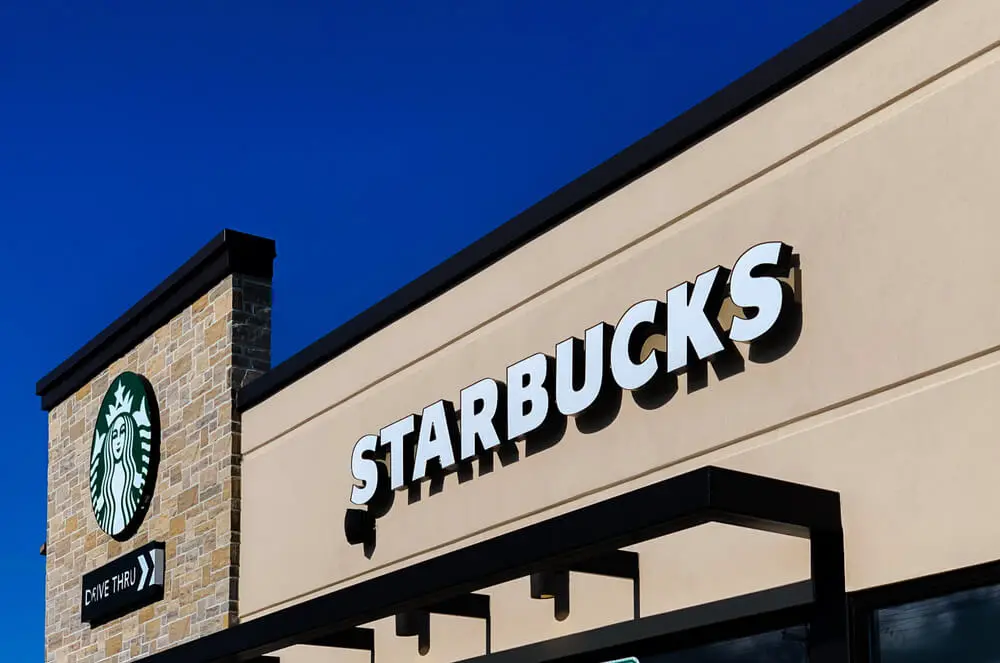
Dutch Bros: Innovation Driving Daypart Mix Changes; Long-Term Growth Plans On Track
R.J. Hottovy
Feb 23, 2024

Coffee has been a popular topic for us the past few months. We looked at why the category should still post a solid 2024 despite being one of the stronger categories in the restaurant industry last year. We also examined loyalty trends among Starbucks visitors, and where that might trend in the quarters ahead.


This week, we’re revisiting Dutch Bros., which has been one of our favorite growth stories to watch going back to (and even before) the company’s initial public offering. During the quarter, the company posted 5% comparable-store sales growth, representing 100 basis points of acceleration from Q3 2023. The growth was driven by a combination of factors, including sequential improvement in customer traffic with particular strength in the mid-day and afternoon dayparts (something we see in Q4 2023 visits by daypart compared to Q4 2022). Our data indicates that the periods between 1:00 PM and 7:00 PM saw the largest increases in percentage of visits year-over-year.

What’s driving the growth in mid-day and afternoon dayparts? Management chalked it up to category innovation, including new product platforms like Protein Coffee as well as limited time offers (LTOs), including the successful Truffle Mocha platform that was introduced in Q4 2023. The company is mindful that new products can have an impact on speed of service but appears to be focused on new products that don’t add “a layer of extra complexity” but can still drive incremental visits (something our data also indicates this quarter). Mobile app ordering–something the company plans to test in the Arizona market before potentially rolling out to a multi-shop test–also offers an opportunity with potential to attract new visitors and introduce new occasions, though it will likely be a few years before this functionality contributes to visit counts and financial results.

Looking ahead, Dutch Bros expects to open 150-165 new locations in 2024, compared to the 159 opened across 13 states in 2023. Over time, the company still sees the opportunity for 4,000-plus shops, balanced with “a renewed emphasis on capital efficiency” and a longer-term shift toward more build-to-suit leases and a wider array of prototype units such as end caps (management expects to see the impact of these changes beginning in 2025). From a market standpoint, the company expects to have more openings in existing markets like California, have less relative openings in the Texas market, and opened its first location in Florida (Orlando) this week.

Article
Recapping Valentine’s Day 2024 Foot Traffic Trends
Which retail segments saw the largest foot traffic boost on February 14th, and how did 2024's patterns compare to last year's trends? We take a closer look here.
Shira Petrack
Feb 23, 2024
3 minutes

Valentine’s Day presents an opportunity – or at least lays on the pressure – for coupled-up consumers to shower their significant other with chocolates, flowers, or special gifts. And while some shoppers choose to order online or visit stores ahead of time to find the perfect Valentine’s Day gift, those who forgot to plan in advance can stop by brick-and-mortar retailers the day of to ensure they don’t show up to date night empty-handed. So which industries saw the largest boost on February 14th? And how did 2024’s patterns compare to last year’s trends? We dove into the data to find out. 

Mid-Week Visit Spike 

Valentine’s Day may not be a major retail holiday – but the occasion still drives a mid-week visit boost across many retail categories, including Restaurants, Discount & Dollar Stores, Liquor Stores, Grocery, Superstores, Breakfast Shops, and Beauty & Spa. Comparing Valentine’s Day 2024 visits to average visit levels over the previous six Wednesdays reveals a significant jump in traffic compared to the typical mid-week shopping lull.

Restaurants saw the largest visit bump, with visits up 60.0% compared to the average number of Restaurant visits over the previous six Wednesdays. Others opted for a morning coffee or brunch date, driving a 19.7% increase in foot traffic to Breakfast, Coffee, Bakeries, and Dessert Shops. And some consumers seem to have chosen a romantic evening, leading to surges in Grocery and Liquor Store visits. Retailers carrying affordable gifts, including Discount & Dollar Stores, Superstores, and Beauty & Spa brands also benefited from the Valentine’s Day Boost. 

And visits to the analyzed categories weren’t just up relative to the year-to-date Wednesday average – traffic across the board also rose relative to Valentine’s Day 2023, boding well for brick-and-mortar retail in 2024.

bar graph: Valentine's day drove mid-week visit spikes across categories. Valentine's day 2024 compared to 2023 holiday and average of previous six wednesdays

Greeting Card Retailers Seeing Massive Spikes 

Valentine’s Day is sometimes referred to – not always affectionately – as a Hallmark Holiday. And foot traffic data reveals that the day really does drive significant visit increases to Hallmark stores nationwide, with Valentine’s Day 2024 traffic up 123.2% relative to the previous six Wednesday average. The Paper Store, another major greeting card retailer, also saw a large jump in Valentine’s Day visits compared to the year-to-date same weekday average, and Walgreens and CVS – also major greeting card purveyors – received a visit boost as well. 

At the same time, Hallmark, Walgreens, and CVS did not display the same year-over-year (YoY) increases as for the other categories. Instead, YoY Valentine’s Day visits stayed relatively steady – likely due to these chains’ store fleet contractions rather than to any drop in demand. Meanwhile, Valentine’s Day visits to The Paper Store grew by 10.8% YoY – perhaps aided by the company’s expansion.

bar chart: greeting card retailers enjoyed valentine's day bump

Offline Retail Facilitates Last-Minute Gift-Giving

Valentine’s Day yields a clear mid-week boost for brick-and-mortar retail, driving visits to a variety of dining and retail segments. And this year’s Valentine’s Day seems to have been particularly successful, driving YoY jumps across many major categories and brands. 

For more data-driven retail insights, visit our blog at placer.ai

Article
CAVA & sweetgreen Are On the Rise
Sweetgreen, which IPO-ed in 2021, and CAVA – public since last year – are continuing their growth spurt. We dove into the location intelligence data to understand what is driving success for these emerging fast-casual leaders. 
Shira Petrack
Feb 22, 2024
3 minutes

Sweetgreen, which IPO-ed in 2021, and CAVA – public since last year – are continuing their growth spurt. We dove into the location intelligence data to understand what is driving success for these emerging fast-casual leaders. 

Cava & sweetgreen’s Impressive Visit Growth Continues

Restaurant visit growth slowed last year as inflation took a toll on discretionary spending. But despite the wider dining deceleration, foot traffic to CAVA and sweetgreen continued to increase, helped by consistent store fleet expansion. Both chains posted year-over-year (YoY) visit gains every month of 2023, even as overall foot traffic to the fast-casual category lagged. 

The positive trends continued in the new year, when consumers braved the cold to drive a 18.4% and 22.3% YoY increase in January 2024 visits – despite the challenging comparison to an already impressive January 2023.

bar graph: CAVA and sweetgreen still seeing impressive visit growth

Higher-Income Visitor Base Helps Drive Growth

Cava and sweetgreen’s success may be attributed to a variety of factors. Both chains are known for their healthy offerings, which may attract the many consumers prioritizing health and wellness in their food choices. Plant-forward meals have also been particularly popular recently, and both CAVA and sweetgreen’s produce-heavy menus align well with this trend. 

The income level of the chains’ visitor bases may be another key driver of Cava and sweetgreen’s success. In general, the potential market trade areas of fast-casual dining chains consists of households with income (HHI) levels that are slightly above the nationwide median. The median HHI in the neighborhoods within those trade areas that feed the most visits to fast-casual chains (the chains’ captured market) is even higher. 

CAVA and sweetgreen’s potential market trade area median HHIs in 2023 was significantly higher than that in the wider fast-casual category – and the captured market median HHI was even greater. The particularly affluent visitor bases of CAVA and sweetgreen were likely less impacted by last year’s economic headwinds, which may have helped the chains continue to grow their footprint – and visit numbers – despite the wider challenges in the space.

bar graph: high-income visitors fueling CAVA and sweetgreen success. based on STI: PopStats data set and Placer.ai captured and potential trade area data

Appeal to Singles

The similarities between CAVA and sweetgreen extend beyond their high-income visitor bases and shared emphasis on healthy options – both chains also seem to attract a particularly high share of singles. CAVA and sweetgreen’s captured market trade area include 37.9% and 42.3% of one-person and non-family households, respectively, compared to to an average of 34.1% for the wider Fast-Casual category.

Diving into the psychographics confirms this pattern. The two chains’ captured markets include a larger percentage of Educated Urbanites, defined by Spatial.ai: PersonaLive as “Well educated young singles living in dense urban areas working relatively high paying jobs.” Young Professionals, defined as “Well-educated young professionals starting their careers in white-collar or technical jobs” and having an average household size of 1, are also overrepresented for CAVA and sweetgreen’s relative to the wider Fast-Casual category. 

The large share of singles in these chains’ trade areas – especially combined with the high median HHI – likely means that CAVA and sweetgreen visitors have fewer overall expenses and fairly large discretionary budgets which can be spent on dining out. 

bar graph: CAVA and sweetgreen trade areas include large shares of singles. based on Spatial.ai PersonaLive and STI: PopStats datasets and placer.ai captured trade area data

CAVA & sweetgreen Positioned for Success in 2024

CAVA and sweetgreen thrived in 2023 and appears poised to continue growing in 2024, with visits to both chains skyrocketing even as foot traffic growth tapered off in the wider dining industry. And the company’s success in attracting high-income visitors from small households – who likely have the funds to continue spending on non-essentials despite the ongoing headwinds – means that both companies are well positioned for continued strength in the new year. 

For more data-driven restaurant and dining insights, visit our blog at placer.ai.

Article
Fitness: A Strong Start to 2024
January is a time for new beginnings – and nearly half of Americans vowed to improve their fitness in the new year. So with 2024 picking up steam, we dove into the data to explore the current state of fitness. How did leading fitness chains perform last month?
Lila Margalit
Feb 21, 2024
4 minutes

January is a time for new beginnings – and nearly half of Americans vowed to improve their fitness in the new year. So with 2024 picking up steam, we dove into the data to explore the current state of fitness. How did leading fitness chains perform last month? And what’s in store for the industry as a whole? 

‘Tis the Season to be Healthy

The first month of the year is a time for gyms to shine. Analyzing month-over-month changes in the average number of daily gym visits reveals that the biggest visit spike of the year takes place between December and January, when people double down on their motivation to make a change.

This year was no exception. In January 2024, visits to gyms nationwide jumped by 22.1% relative to December 2023 and were up 1.7% year-over-year (YoY) – despite lapping a very strong January 2023 – indicating that the post-COVID obsession with health and wellness is showing staying power.

Drilling down into the data for the nation’s five most-visited fitness chains shows that there’s plenty of room at the top. Value gym Crunch Fitness led the pack with a 21.1% YoY foot traffic increase, partly fueled by the brand’s continued expansion. Next in line was 24 Hour Fitness, where YoY visit gains highlighted the chain’s recovery from its pandemic-induced troubles. Planet Fitness outpaced its own outstanding 2023 performance with a 1.7% YoY foot traffic increase. And LA Fitness and Anytime Fitness also held their own – with visits just 2.0% and 4.4% under January 2023’s already-impressive levels. 

bar and line graphs: fitness chains continued to benefit from January new year's resolutions

A Regional Story

But the state of fitness isn’t only a national story – it’s also a regional one. Looking at January 2024 YoY fitness visits by state shows significant variations, with some areas seeing strong industry-wide growth, and some seeing YoY visit gaps. Major markets like California, Texas, Florida, and New York all saw visit increases – despite the unusually cold weather in some of these areas, including New York and Texas. Several states, including South Dakota, North Dakota, Minnesota, and South Carolina, even saw visits to fitness centers skyrocket by more than 10.0%. At the same time, parts of the Midwest and South Central regions saw foot traffic dips.

map: YoY visits to fitness chains in Jan 2024 by state

Planet Fitness Dives into Multi-Channel Advertising 

Planet Fitness remains America's most-frequented gym, drawing millions of customers each year with low prices and a quality Judgement Free Zone. In January 2024, a whopping 59.3% of total visits to Crunch Fitness, 24 Hour Fitness, LA Fitness, Anytime Fitness, and Planet Fitness – went to Planet Fitness’s vast club fleet. And in 2023, the category leader added 1.7 million new members to its rosters.

Given Planet Fitness’s incredible reach, it may come as no surprise that the chain has jumped on the media advertising bandwagon, announcing last month the launch of its own media network. The network will connect advertising partners with Planet Fitness’s growing audience, leveraging multiple channels – including in-club TV screens and other on-site promotional solutions. 

And a look at the demographic characteristics of Planet Fitness’s trade areas across major markets shows just how varied a customer base the fitness leader attracts – with clubs in different areas of the country drawing very different audiences. 

In California, for example, the median household income (HHI) of Planet Fitness’s captured market stood at $71.9K in 2023, 16.1% below the statewide baseline of $85.7K. But in New York, the median HHI of the brand’s captured market was $79.9% – 2.7% above the statewide baseline. And though Planet Fitness is squarely positioned as a bargain gym, a significant share of its captured market consisted last year of wealthy households earning more than $150K a year. This metric also varied across regions, as did the household composition of the chain’s customer base – with New York attracting customers from areas with disproportionately high shares of singles, and California drawing visitors from places with outsize shares of large households.  

Given the variation in its captured markets, Planet Fitness’s media network offers potential advertisers not just the ability to reach millions of customers – but also the possibility of creating targeted campaigns aimed at different locations’ specific audiences.

bar graphs: demographics of planet fitness's captured trade areas in 2023 by region. based on STE: PopStats dataset and Placer.ai captured trade area data

Key Takeaways

Gyms have flourished in recent years, buoyed by consumers’ growing emphasis on health, wellness, and affordable experiences. But will newly-committed gym rats tire as the power of their new year’s resolutions wanes? How will the sector continue to fare as 2024 wears on? 

Follow Placer.ai’s data driven analyses to find out.

Article
Dutch Bros. Continues To Percolate Visits
Dutch Bros. has impressed with its foot traffic growth over the past few years. We took a closer look at the foot traffic data to understand where this chain’s growth is headed.
Bracha Arnold
Feb 20, 2024
2 minutes

Dutch Bros. has impressed with its foot traffic growth over the past few years. We took a closer look at the foot traffic data to understand where this chain’s growth is headed.  

Brewing Up Visits

Dutch Bros., the country’s third-largest coffee chain, began as a simple coffee pushcart in Grants Pass, Oregon. Thirty-two years later, the company is one of the fastest-growing coffee chains in the country, having grown to over 900 locations in the country’s North and Southwest regions. 

Analyzing the change in monthly visits to the chain since 2019 reveals near-constant growth over the past few years – a noteworthy feat considering the challenges facing the space over COVID and during the recent inflation. And while some of Dutch Bros. visit increase is likely due to its expanding store fleet, the consistency and magnitude of the growth suggests that the chain is keeping its new customers coming back. 

Dutch Bros.’ success continued in 2023 and into the new year, with the company posting consistent year-over-year (YoY) visit gains for the past thirteen months. January 2024 visits to Dutch Bros. were 10.0% higher than in January 2023, while overall visits to the coffee space decreased by 2.7% YoY during the same period.

line chart: monthly visits to dutch bros. compared to January 2019 up over 150% in Jan. 2024. bar chart: monthly visits to Dutch Bros. up YoY since H2 2023

Who Visits Dutch Bros.?

Dutch Bros.’ drive-thru design helped the chain thrive during the pandemic – and the layout is also helping the chain reach suburban audience segments. 

A chain’s potential market refers to the population residing in a given trade area, weighted to reflect the number of households in each Census Block Group (CBG) comprising the trade area. A chain’s captured market weighs each CBG according to the actual number of visits originating to the chain from that CBG. 

Analyzing the psychographic makeup of Dutch Bros' trade areas in four major markets – Texas, Arizona, Oregon, and California – revealed that the chain’s captured market attracts an outsize share of suburban audience segments. Specifically, Spatial.ai: PersonaLive’s “Blue Collar Suburbs” and “Upper Suburban Diverse Families” were both overrepresented in Dutch Bros.’ captured market relative to their presence in the chain’s potential market. This suggests that the chain is particularly popular among suburban coffee lovers, regardless of income levels or economic backgrounds. As Dutch Bros. continues its expansion, focusing on suburban, car-centric areas may serve it well.

bar chart: dutch bros sees more suburban segments in its captured market than potential market

Pour It Up

Dutch Bros. has been a remarkable success story over the past few years despite the widespread economic headwinds challenges the dining space at large has experienced. Will the chain continue to see its momentum continue into 2024 and beyond? 

Stay up-to-date with the latest data-driven dining insights by visiting placer.ai.

Article
Super Bowl 2024: Placer.ai’s Postgame Foot Traffic Analysis
The Super Bowl was hosted in Las Vegas for the first time ever, and was followed by lots of after-game parties and parades. We used the latest location analytics to take a closer look at the Vegas hotspots where fans and celebrities celebrated (or drowned their sorrows) after the game. 
Ezra Carmel
Feb 19, 2024
3 minutes

Super Bowl LVIII was a memorable event on and off the field. Rising-star quarterback Brock Purdy of the San Francisco 49ers led a valiant effort – though ultimately fell short – against the Kansas City Chiefs and their veteran starter Patrick Mahomes. The game made history as the first-ever Super Bowl hosted in Las Vegas; plenty of cause for celebration – if the city needed any. And because Vegas is packed with world-class entertainment venues just steps away from the stadium, Super Bowl 2024 was poised to be a bash from the get-go. We used the latest location analytics to take a closer look at the Vegas hotspots where fans and celebrities celebrated (or drowned their sorrows) after the game. 

Hotels & Casinos Hit the Jackpot

Alongside the excitement of the game inside Las Vegas’s Allegiant Stadium, the party atmosphere of The Entertainment Capital of the World did not disappoint. Compared to the two previous Super Bowls, this year’s contest had the highest percentage of postgame hotel & casino visits – a whopping 38.4% of stadium visitors on Super Bowl Sunday visited a hotel or casino immediately after the game. 

These venues have numerous attractions – restaurants, bars, nightclubs, and hotel rooms – so it’s difficult to know what specifically drove elevated foot traffic. However, it’s fair to say that postgame parties were a significant factor.

bar graph: hotels and casinos were the stars of super bowl 2024

The Top Party Spots

Diving deeper into the data revealed which Vegas venues drove the most postgame traffic from stadium visitors. Caesars Palace came out on top, welcoming 6.3% of postgame foot traffic. Notably, the hotel’s Omnia nightclub was the location of the 49ers' postgame gathering where Lil Wayne attempted to alleviate the heartbreak of the losing squad. 

Las Vegas’ Harry Reid Int’l Airport – where some fans and staff likely made a quick exit after the game – took second place, and Wynn Las Vegas was the third most-visited postgame location and cemented itself as a Super Bowl party destination – having hosted the champs last year as well. This time around, big stars in Chiefs Kingdom –  including Patrick and Brittany Mahomes, Travis Kelce, and Taylor Swift – showed up for an after-party at Wynn Las Vegas’ XS Nightclub to celebrate the victory to the music of Marshmello and Jelly Roll. The hotel’s Encore Beach Club put on an additional after-party honoring Dr. Dre, Snoop Dog, and Usher – who performed the Super Bowl halftime show. Ludacris, who also appeared on stage at halftime, was among the big names in attendance. 

Wynn Las Vegas, with 3.7% of postgame traffic, was the fourth most-visited postgame venue. The hotel’s Zouk Nightclub hosted the Chiefs’ official after-party celebration, with Travis Kelce, Taylor Swift, Megan Fox, and Machine Gun Kelly in attendance. 

bar graph: postgame parties took center stage at Super Bowl 2024. venues visited after allegiant stadium on game day after 5pm. by share of visits

The Party Doesn’t Stop

The Super Bowl LVIII celebrations didn’t end on the Las Vegas Strip. Per tradition, at the end of the game, Super Bowl MVP Patrick Mahomes and his family declared “We’re going to Disneyland!” The following day, the Mahomes family was at a sold-out Disneyland Resort to celebrate the win and take part in the iconic victory parade.

The parade – scheduled for 2 pm – proved popular among Disneyland guests. Location intelligence showed that hourly visits to Disneyland climbed during the lead-up to the parade and peaked at the parade’s start time.

bar graph: patrick mahomes draws fans for disneyland parade. share of hourly visits to Disneyland, Anaheim, CA

This One’s in the Books

Las Vegas provided a super-sized entertainment backdrop for sports’ biggest stage and one of the most thrilling Super Bowls to date. Location intelligence from the 2024 Super Bowl suggests that fans who make the trip look beyond the in-stadium action for ways to keep the celebrations going after the final whistle.

For more data-driven entertainment, hospitality, and tourism insights, visit Placer.ai.

Reports
INSIDER
Report
Emerging Trends for CRE in 2025
This Placer Snapshot examines the evolution of key industries impacting commercial real estate. We explore the shifting dynamics of office visits, the recovery of shopping centers, and population growth patterns across the United States in 2025.
August 28, 2025
INSIDER
Report
A New Era for Retail Giants: Who’s Winning in 2025?
Find out how the Dollar General, Dollar Tree, and Costco's hyper growth have changed the retail landscape and see how Walmart and Target can stay competitive in today's value-driven market.
August 21, 2025

Key Takeaways:

1. The hypergrowth of Costco, Dollar Tree, and Dollar General between 2019 and 2025 has fundamentally changed the brick-and-mortar retail landscape. 

2. Overall visits to Target and Walmart have remained essentially stable even as traffic to the new retail giants skyrocketed – so the increased competition is not necessarily coming at legacy giants' expense. Instead, each retail giant is filling a different need, and success now requires excelling at specific shopping missions rather than broad market dominance.

3. Cross-shopping has become the new normal, with Walmart and Target maintaining their popularity even as their relative visit shares decline, creating opportunities for complementary rather than purely competitive strategies.

4. Dollar stores are rapidly graduating from "fill-in" destinations to primary shopping locations, signaling a fundamental shift in how Americans approach everyday retail.

5. Walmart still enjoys the highest visit frequency, but the other four chains – and especially Dollar General – are gaining ground in this realm.

6. Geographic and demographic specialization is becoming the key differentiator, as each chain carves out distinct niches rather than competing head-to-head across all markets and customer segments.

Shifting Retail Dynamics

Evolving shopper priorities, economic pressures, and new competitors are reshaping how and where Americans buy everyday goods. And as value-focused players gain ground, legacy retail powerhouses are adapting their strategies in a bid to maintain their visit share. In this new consumer reality, shoppers no longer stick to one lane, creating a complex ecosystem where loyalty, geography, and cross-visitation patterns – not just market share – define who is truly winning.

This report explores the latest retail traffic data for Walmart, Target, Costco, Dollar Tree, and Dollar General to decode what consumers want from retail giants in 2025. By analyzing visit patterns, loyalty trends, and cross-shopping shifts, we reveal how fast-growing chains are winning over consumers and uncover the strategies helping legacy players stay competitive in today's value-driven retail landscape. 

The New Competitive Landscape

Dollar General, Dollar Tree, and Costco's Hypergrowth Since 2019 

In 2019, Walmart and Target were the two major behemoths in the brick-and-mortar retail space. And while traffic to these chains remains close to 2019 levels, overall visits to Dollar General, Dollar Tree, and Costco have increased 36.6% to 45.9% in the past six years. Much of the growth was driven by aggressive store expansions, but average visits per location stayed constant (in the case of Dollar Tree) or grew as well (in the case of Dollar General and Costco). This means that these chains are successfully filling new stores with visitors – consumers who in the past may have gone to Walmart or Target for at least some of the items now purchased at wholesale clubs and dollar stores. 

This substantial increase in visits to Costco, Dollar General, and Dollar Tree has altered the competitive landscape in which Walmart and Target operate. In 2019, 55.9% of combined visits to the five retailers went to Walmart. Now, Walmart’s relative visit share is less than 50%. Target received the second-highest share of visits to the five retailers in 2019, with 15.9% of combined traffic to the chains. But Between January and July 2025, Dollar General received more visits than Target – even though the discount store had received just 12.1% of combined visits in 2019.

Some of the growth of the new retail giants could be attributed to well-timed expansion. But the success of these chains is also due to the extreme value orientation of U.S. consumers in recent years. Dollar General, Dollar Tree, and Costco each offer a unique value proposition, giving today's increasingly budget-conscious shoppers more options.

The Role of Each Retail Giant in the Wider Retail Ecosystem

Walmart’s strategy of "everyday low prices" and its strongholds in rural and semi-rural areas reflect its emphasis on serving broad, value-focused households – often catering to essential, non-discretionary shopping. 

Dollar General serves an even larger share of rural and semi-rural shoppers than Walmart, following its strategy of bringing a curated selection of everyday basics to underserved communities. The retailer's packaging is typically smaller than Walmart's, which allows Dollar General to price each item very affordably – and its geographic concentration in rural and semi-rural areas also highlights its direct competition to Walmart. 

By contrast, Target and Costco both compete for consumer attention in suburban and small city settings, where shopper profiles tilt more toward families seeking one-stop-shopping and broader discretionary offerings. But Costco's audience skews slightly more affluent – the retailer attracts consumers who can afford the membership fees and bulk purchasing requirements – and its visit growth may be partially driven by higher income Target shoppers now shopping at Costco. 

Dollar Tree, meanwhile, showcases a uniquely balanced real estate strategy. The chain's primary strength lies in suburban and small cities but it maintains a solid footing in both rural and urban areas. The chain also offers a unique value proposition, with a smaller store format and a fixed $1.25 price point on most items. So while the retailer isn't consistently cheaper than Walmart or Dollar General across all products, its convenience and predictability are helping it cement its role as a go-to chain for quick shopping trips or small quantities of discretionary items. And its versatile, three-pronged geographic footprint allows it to compete across diverse markets: Dollar Tree can serve as a convenient, quick-trip alternative to big-box retailers in the suburbs while also providing essential value in both rural and dense urban communities.

As each chain carves out distinct geographic and demographic niches, success increasingly depends on being the best option for particular shopping missions (bulk buying, quick trips, essential needs) rather than trying to be everything to everyone.

Cross-Shopping on the Rise Despite Visit Share Shuffle

Still, despite – or perhaps due to – the increased competition, shoppers are increasingly spreading their visits across multiple retailers: Cross-shopping between major chains rose significantly between 2019 and 2025. And Walmart remains the most popular brick-and-mortar retailer, consistently ranking as the most popular cross-shopping destination for visitors of every other chain, followed by Target.

This creates an interesting paradox when viewed alongside the overall visit share shift. Even as Walmart and Target's total share of visits has declined, their importance as a secondary stop has actually grown. This suggests that the legacy retail giants' dip in market share isn't due to shoppers abandoning them. Instead, consumers are expanding their shopping routines by visiting other growing chains in addition to their regular trips to Walmart and Target, effectively diluting the giants' share of a larger, more fragmented retail landscape.

Cross-visitation to Costco from Walmart, Target, and Dollar Tree also grew between 2019 and 2025, suggesting that Costco is attracting a more varied audience to its stores.

But the most significant jumps in cross-visitation went to Dollar Tree and Dollar General, with cross-visitation to these chains from Target, Walmart, and Costco doubling or tripling over the past six years. This suggests that these brands are rapidly graduating from “fill-in” fare to primary shopping destinations for millions of households.

The dramatic rise in cross-visitation to dollar stores signals an opportunity for all retailers to identify and capitalize on specific shopping missions while building complementary partnerships rather than viewing every chain as direct competition. 

Competition For Visit Frequency in a Fragmented Retail Landscape 

Walmart’s status as the go-to destination for essential, non-discretionary spending is clearly reflected in its exceptional loyalty rates – nearly half its visitors return at least three times per month on average -between  January to July 2025, a figure virtually unchanged since 2019. This steady high-frequency visitation underscores how necessity-driven shopping anchors customer routines and keeps Walmart atop the retail loyalty ranks. 

But the data also reveals that other retail giants – and Dollar General in particular – are steadily gaining ground. Dollar General's increased visit frequency is largely fueled by its strategic emphasis on adding fresh produce and other grocery items, making it a viable everyday stop for more households and positioning it to compete more directly with Walmart.

Target also demonstrates a notable uptick in loyal visitors, with its share of frequent shoppers visiting at least three times a month rising from 20.1% to 23.6% between 2019 and 2025. This growth may suggest that its strategic initiatives – like the popular Drive Up service, same-day delivery options, and an appealing mix of essentials and exclusive brands – are successfully converting some casual shoppers into repeat customers. 

Costco stands out for a different reason: while overall visits increased, loyalty rates remained essentially unchanged. This speaks to Costco’s unique position as a membership-based outlet for targeted bulk and premium-value purchases, where the shopping behavior of new visitors tends to follow the same patterns as those of its  already-loyal core. As a result, trip frequency – rooted largely in planned stock-ups – remains remarkably consistent even as the warehouse giant grows foot traffic overall. 

Dollar Tree currently has the smallest share of repeat visitors but is improving this metric. As it successfully encourages more frequent trips and narrows the loyalty gap with its larger rivals, it's poised to become an increasing source of competition for both Target and Costco.

The increase in repeat visits and cross-shopping across the five retail giants showcases consumers' current appetite for value-oriented mass merchants and discount chains. And although the retail giants landscape may be more fragmented, the data also reveals that the pie itself has grown significantly – so the increased competition does not necessarily need to come at the expense of legacy retail giants. 

The Path Forward

The retail landscape of 2025 demands a fundamental shift from zero-sum competition to strategic complementarity, where success lies in owning specific shopping missions rather than fighting for total market dominance. Retailers that forego attempting to compete on every front and instead clearly communicate their mission-specific value propositions – whether that's emergency runs, bulk essentials, or family shopping experiences – may come out on top. 

INSIDER
Report
LA vs SF: Divergent Office Recovery Paths
See the data on Los Angeles and San Francisco's divergent office recovery paths and understand why Century City is emerging as LA's standout submarket for CRE professionals.
Placer Research
August 4, 2025
6 minutes

Key Takeaways: 

1. Market Divergence: While San Francisco's return-to-office trends have stabilized, Los Angeles is increasingly lagging behind national averages with office visits down 46.6% compared to pre-pandemic levels as of June 2025.

2. Commuter Pattern Shifts: Los Angeles faces a persistent decline in out-of-market commuters while San Francisco's share of out-of-market commuters has recovered slightly, indicating deeper structural challenges in LA's office market recovery.

3. Visit vs. Visitor Gap: Unlike other markets where increased visits per worker offset declining visitor numbers, Los Angeles saw both metrics decline year-over-year, suggesting fundamental workforce retention issues.

4. Century City Exception: Century City emerges as LA's strongest office submarket with visits only 28.1% below pre-pandemic levels, driven by its premium amenities and strategic location adjacent to Westfield Century City shopping center.

5. Demographic Advantage: Century City's success may stem from its success in attracting affluent, educated young professionals who value lifestyle integration and are more likely to maintain consistent office attendance in hybrid work arrangements.

LA and SF Office Markets Post-Pandemic Divergeance

While return-to-office trends have stabilized in many markets nationwide, Los Angeles and San Francisco face unique challenges that set them apart from national patterns. This report examines the divergent trajectories of these two major West Coast markets, with particular focus on Los Angeles' ongoing struggles and the emergence of one specific submarket that bucks broader trends.

Through analysis of commuter patterns, demographic shifts, and localized performance data, we explore how factors ranging from out-of-market workforce changes to amenity-driven location advantages are reshaping the competitive landscape for office real estate in Southern California.

LA is Falling Behind on RTO 

LA Recovery Lags as SF RTO Stabilizes

Both Los Angeles and San Francisco continue to significantly underperform the national office occupancy average. In June 2025, average nationwide visits to office buildings were 30.5% below January 2019 levels, compared to a 46.6% and 46.4% decline in visits to Los Angeles and San Francisco offices, respectively. 

While both cities now show similar RTO rates, they arrived there through different trajectories. San Francisco has consistently lagged behind national return-to-office levels since pandemic restrictions first lifted.

Los Angeles, however, initially mirrored nationwide trends before its office market began diverging and falling behind around mid-2022.

Decline in Out-of-Market Commuters 

The decline in office visits in Los Angeles and San Francisco can be partly attributed to fewer out-of-market commuters. Both cities saw significant drops in the percentage of employees who live outside the city but commute to work between H1 2019 and H1 2023.

However, here too, the two cities diverged in recent years: San Francisco's share of out-of-market commuters relative to local employees rebounded between 2023 and 2024, while Los Angeles' continued to decline – another indication that LA's RTO is decelerating as San Francisco stabilizes.

Unlike in SF, LA Office Visit Growth Doesn't Offset Visitor Decline

Like in other markets, Los Angeles saw a larger drop in office visits than in office visitors when comparing current trends to pre-pandemic levels. This is consistent with the shift to hybrid work arrangements, where many of the workers who returned to the office are coming in less frequently than before the pandemic, leading to a larger drop in visits compared to the drop in visitors. 

But looking at the trajectory of RTO more recently shows that in most markets – including San Francisco – office visits are up year-over-year (YoY) while visitor numbers are down. This suggests that the workers slated to return to the office have already done so, and increasing the numbers of visits per visitor is now the path towards increased office occupancy.  

In Los Angeles, visits also outperformed visitors – but both figures were down YoY (the gap in visits was smaller than the gap in visitors). So while the visitors who did head to the office in LA in Q2 2025 clocked in more visits per person compared to Q2 2024, the increase in visits per visitor was not enough to offset the decline in office visitors.

Century City is a Pocket of RTO Strength

While Los Angeles may be lagging in terms of its overall office recovery, the city does have pockets of strength – most notably Century City. In Q2 2025, the number of inbound commuters visiting the neighborhood was just 24.7% lower than it was in Q2 2019 and higher (+1.0%) than last year's levels. 

According to Colliers' Q2 2025 report, Century City accounts for 27% of year-to-date leasing activity in West Los Angeles – more than double any other submarket – and commands the highest asking rental rates. The area benefits from Trophy and Class A office towers that may create a flight-to-quality dynamic where tenants migrate from urban core locations to this Westside submarket.


The submarket's success is likely bolstered by its strategic location adjacent to Westfield Century City shopping center – visit data reveals that 45% of weekday commuters to Century City also visited Westfield Century City during Q2 2025. The convenience of accessing the mall's extensive retail, dining, and entertainment options during lunch breaks or after work may encourage employees to come into the office more frequently.

Century City Attracts Younger, More Affluent Employees

Perhaps thanks to its strategic locations and amenities-rich office buildings, Century City succeeds in attracting relatively affluent office workers. 

Century City's office submarket has a higher median trade area household income (HHI) than either mid-Wilshire or Downtown LA. The neighborhood also attracts significant shares of the "Educated Urbanite" Spatial.ai: PersonaLive segment – defined as "well educated young singles living in dense urban areas working relatively high paying jobs".

This demographic typically has fewer family obligations and greater flexibility in their work arrangements, making them more likely to embrace hybrid schedules that include regular office attendance. Affluent singles also tend to value the lifestyle amenities and networking opportunities that come with working in a premium office environment like Century City: This demographic is often in career-building phases where in-person collaboration and visibility matter more, driving consistent office utilization that helps sustain the submarket's performance even as other LA office areas struggle with lower occupancy rates.

The higher disposable income of this audience also aligns well with the submarket's upscale retail and dining options at nearby Westfield Century City, creating a mutually reinforcing ecosystem where the office environment and surrounding amenities cater to their preferences.

Premium Locations Pull Ahead as Office Market Polarizes

As the broader Los Angeles market grapples with a shrinking commuter base and declining office utilization, the performance gap between premium, amenity-rich locations and traditional office districts is likely to widen. For investors and tenants alike, these trends underscore the growing importance of location quality, demographic targeting, and lifestyle integration in determining long-term office market viability across Southern California.

Century City's success – anchored by its affluent, career-focused workforce and integrated lifestyle amenities – can offer a blueprint for office market resilience in the hybrid work era. 

Loading results...
We couldn't find anything matching your search.
Browse one of our topic pages to help find what you're looking for.
For more in-depth analyses on a variety of subjects, explore Reports.
The Anchor Logo
INSIDER
Stay Anchored: Subscribe to Insider & Unlock more Foot Traffic Insights
Gain insider insights with our in-depth analytics crafted by industry experts
— giving you the knowledge and edge to stay ahead.
Subscribe