Skip to Main Content
Thank you! Your submission has been received!
Oops! Something went wrong while submitting the form.
0
0
0
0
----------
0
0
Articles
Article
What Walmart and Target's Q2 2025 Traffic Reveals About Future Performance
Our analysis of Q2 2025 retail foot traffic data reveals a stark divergence between America’s top retailers. Walmart showcased resilient in-store traffic, validating its omnichannel investments and reinforcing its dominance in essential goods. Meanwhile, Target faced persistent declines, signaling significant headwinds from the consumer pullback in discretionary spending. This report breaks down the data, the underlying strategies, and the investor outlook for both retail giants.
Lila Margalit
Aug 12, 2025
4 minutes

For many Americans, Walmart functions as a grocer and essential-goods provider. Target’s competitive advantage, meanwhile, lies in higher-margin discretionary categories – stylish home goods, affordable fashion, and exclusive brand collaborations. In the face of ongoing macroeconomic pressures, both retailers are adopting elements of each other’s approaches: Walmart is seeking to elevate its image and expand discretionary offerings through a rebrand, while Target is ramping up its focus on essentials. But Q2 2025 location intelligence data reveals that the two brands’ immediate challenges remain distinctly different. 

Walmart’s Resilient Traffic Validates Omnichannel Strategy

Walmart has been thriving in recent months, exceeding analyst expectations with solid sales growth driven largely by a profitable e-commerce segment. Last quarter (ending April 30th, 2025), Walmart U.S. posted comparable sales growth (excluding fuel) of +4.5%, with e-commerce contributing approximately 3.5 percentage points to that growth. And in June 2025, the company built on this momentum with the debut of its “Walmart, Who Knew” campaign – part of a strategic rebranding highlighting expanded, premium product offerings alongside enhanced e-commerce capabilities – such as one-hour express delivery and an online marketplace of over half a billion items.

Against this backdrop, Walmart’s stable YoY foot traffic – hovering between +0.8% and -1.6% monthly May through July – is a powerful signal of its continued strength. The data validates the company’s omnichannel strategy, indicating an ability to grow its digital business without materially sacrificing its foundational in-store visitor base. 

Target Confronts Headwinds From Softening Discretionary Demand

In contrast, Target has faced meaningful challenges, with YoY same-store visit gaps ranging from 2.2% to 9.7% since February 2025. Like Walmart, Target’s online growth has been a bright spot – last quarter, the company reported a 4.7% increase in digital comp sales, aided by more than 35% growth in same-day delivery. But this was not enough to offset a 5.7% decline in in-store comp sales. And though consumer reactions to Target’s recent policy updates do appear to have contributed to the retailer’s softening YoY performance, persistent challenges point to a more fundamental shift in consumer preferences amid discretionary cutbacks.

Strategic Emulation Meets Core Differences in Customer Behavior

Both Walmart and Target are borrowing elements of each other’s playbooks. But consumer visitation data shows that while Walmart and Target can learn from each other, they service fundamentally different shopping missions. 

Walmart’s vast scale and extensive grocery selection make it a prime destination for habitual, necessity-driven shopping. Between May and July 2025, about 34.0% of shoppers visited Walmart at least four times a month. Target’s 14% frequent visitor share, on the other hand, reflects its role as a more occasional destination centered on discovery-led shopping experiences – such as its successful Kate Spade collaboration, hailed by the company as the most successful design collab in a decade. While strengthening essentials plays to the current economic climate and likely contributed to the modest increase in Target’s frequent visitors over the past year, the retailer’s future success depends on sharpening – not blurring – its core strengths.

Different Paths Ahead

Walmart’s foot traffic stability combined with proven ecommerce growth positions it well to continue outperforming, especially as consumer caution favors essentials and convenience. Furthermore, the retailer’s rebranding and push into broader, discretionary categories may help attract higher-income consumers who are trading down. 

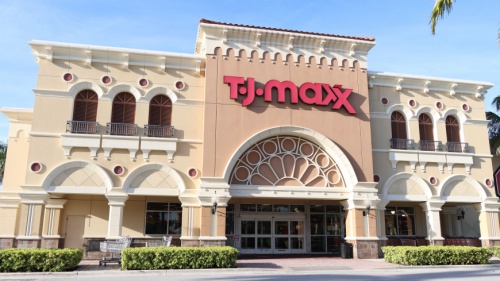
Target, for its part, faces a more difficult strategic balancing act in the months ahead. Augmenting its offerings with compelling essentials will be critical. But as demonstrated by the strong performance of retailers like Five Below and T.J. Maxx, there still exists a healthy market for discretionary treasure hunting. Ultimately, Target’s ability to reignite growth will depend on its success in rejuvenating its competitive edge in the discretionary market – a task likely to be further complicated by anticipated tariffs. 

For more data-driven retail insights, follow Placer.ai/anchor

Article
Placer.ai Office Index: July 2025
In July 2025, office visits were at their highest point since the pandemic, down just 21.8% from 2019. NYC and Miami effectively closed their pre-COVID visit gaps, marking a potential RTO tipping point. San Francisco also showed a remarkable 21.6% YoY growth, signaling a significant turnaround.
Lila Margalit
Aug 11, 2025
3 minutes

Office Visits Nearly 80% of Pre-COVID Levels

The office recovery is back in full swing. Major employers such as Samsung, Google, and Starbucks have tightened return-to-office (RTO) policies in recent months. And though hybrid work remains prevalent across industries, Q2 2025 saw a majority of Fortune 100 employees subject to full-time in-office mandates – up from just 5.0% in Q2 2023. 

In June, accumulating RTO mandates helped shrink the post-pandemic office visit gap to 27.4% compared to the same period in 2019. And July 2025 set a new record for office attendance, with visits down just 21.8% relative to July 2019 (both Julys had 22 working days) – making it the single busiest in-office month since COVID.

Office Visit Gaps Close in NYC and Miami

Stark regional differences remain, however, between major business hubs nationwide. New York City, where many employees are subject to the stricter in-office requirements of the finance world, saw positive (+1.3%) year-over-six-year (Yo6Y) office foot traffic growth in July 2025 – a first since Placer.ai began tracking these trends. Miami, which has developed a thriving financial sector of its own, followed closely behind, effectively closing its visit gap with a 0.1% lag. 

Atlanta and Dallas also made considerable headway – both markets saw visit gaps dip below 20% compared to 2019. Meanwhile, Denver – an emerging hub for tech startups and one of the most remote-friendly labor markets in the U.S. – took up the rear, while San Francisco inched up two notches in the rankings, beating out both Denver and Los Angeles.

The San Francisco Turnaround

Indeed, San Francisco appears to be in the midst of a major revival, with rising rents, improving public sentiment, and waves of new restaurant, retail, and small business openings breathing fresh life into a city once dismissed as stuck in a “doom loop”. And in July 2025, the City by the Bay once again topped the year-over-year (YoY) office recovery charts, outpacing all other analyzed hubs with remarkable 21.6% visit growth – more tangible evidence of the progress San Francisco continues to make.

Charting the Future of RTO

If past experience is any guide, the road to office recovery will continue to be anything but linear. RTO policies remain far from uniform, and hybrid work continues to serve as a key baseline for many organizations. Still, July 2025 seems to mark a meaningful RTO tipping point, with numerous markets making substantial progress toward pre‐COVID office foot traffic levels.

Follow Placer.ai/anchor for more office visitation insights.

Article
TJX Q2 2025 Visit Data Points to Strong Performance
TJX saw strong Q2 2025 performance, exceeding company guidance. HomeGoods led same-store visit growth, while the newest brands, Sierra and Homesense, drove overall traffic increases. The company is also successfully penetrating rural and semi-rural markets, creating a path for continued domestic growth.
Shira Petrack
Aug 8, 2025
3 minutes

HomeGoods Leads Same-Store Visit Growth At TJX

Same-store visit growth at TJX chains in recent months exceeded the company's official guidance of 2-3% same-store sales growth for Q2 FY26 (May 4 - August 2, 2025), aligning with analyst expectations for an earnings beat. 

The largest growth in same-store visits went to HomeGoods, which continues to be a key growth engine for TJX, with its outperformance stemming from a multi-faceted competitive edge. Its consistent lead over the core apparel banners, T.J. Maxx and Marshalls, may be due to its more defensible position in the less-crowded off-price home category. And when compared to its sister brand, Homesense, HomeGoods' superior performance may be attributed to its significant brand maturity and a merchandise mix centered on higher-frequency, smaller-ticket items. This positions the banner effectively to capture discretionary spending from consumers seeking affordable indulgences in the current economic environment.

Unpacking the Sierra & Homesense Expansion Strategy 

All banners experienced YoY growth in overall traffic, but the strongest growth went to the latest newest additions to the company's U.S. portfolio – Homesense and Sierra, suggesting that both brands have a long runway for unit potential.

Sierra is engineered to capture a significant share of the lucrative outdoor and active lifestyle market, a space that critically lacks a dominant, national, off-price competitor, giving it a clearer and more defensible runway for explosive growth. In contrast, while Homesense plays the vital role of deepening TJX's penetration in the home category with larger-scale items like furniture, it enters a more contested field and must contend with established competition from other discount and value-oriented furniture retailers. 

Both expansions are ultimately underpinned by TJX's core competency: leveraging its world-class buying organization and real estate expertise to dominate new off-price segments and capture a larger share of total consumer discretionary spending. 

Capturing Market Share in Rural & Semirural America

This push into new product categories is happening in parallel with a push into new markets. Year-over-year analysis reveals TJX has systematically expanded its rural and semi-rural household penetration across all banners – aligning with management's stated focus on "smaller markets and smaller footprint stores" as identified growth opportunities. With TJX planning around 130 net new stores in 2025, this rural expansion strategy provides a credible pathway for continued domestic growth in an increasingly competitive retail landscape.

For more data-driven retail insights, visit placer.ai/anchor.

The information, data, analyses and opinions presented herein do not constitute investment advice; are provided solely for informational purposes and therefore are not an offer to buy or sell a security; and are not warranted to be correct, complete or accurate. By means of this publication, Placer Labs Inc. (“Placer”) is not rendering accounting, business, financial, investment, legal, tax or other professional advice or services. This publication is not a substitute for such professional advice or services, nor should it be used as a basis for any decision or action that may affect your business. Before making any decision or taking any action that may affect your business, you should consult a qualified professional advisor.

Placer shall not be responsible for any loss sustained by any person who relies on this publication. The opinions and data presented are as of the date written and are subject to change without notice. The information contained herein is the proprietary property of Placer and may not be reproduced, in whole or in part, or used in any manner, without the prior written consent of Placer. 

Article
The Summer Slowdown: Why Consumers Are Pumping the Brakes on Travel
Economic uncertainty and rising prices are causing consumers to pull back on discretionary travel, opting for shorter, regional "micro-cations." This shift is reshaping the traditional summer vacation, leading to less driving and flying, a trend visible in gas station and airport traffic data. This cautious consumer behavior is expected to influence the broader retail and travel landscapes for the remainder of 2025.
R.J. Hottovy
Aug 7, 2025
3 minutes

Cautious Consumers Cutting Back on Non-Essential Travel

As the U.S. economy enters the second half of 2025, evidence is mounting that consumers are pulling back on discretionary purchases. This possibility was something we recently discussed when highlighting the divergence between industrial and retail activity. While last week's Amazon Prime Day and other sales events drove a temporary surge in visits for big-ticket and back-to-school items, persistent macroeconomic uncertainty and the first real impacts of tariff-related price increases appear to be taking a toll on consumer confidence. With sentiment remaining fragile, households are becoming more selective, prioritizing essential spending while cutting back on discretionary purchases and travel.

Recently, Placer’s analyst team looked at visitation trends for airports, but we’re also seeing a slowdown in car travel based on visitation data to gas stations. After a sluggish February, foot traffic to gas stations and convenience stores has continued to show year-over-year declines through the spring and into the summer. This trend points to more than just fluctuating fuel prices; it reflects a conscious pullback by consumers who appear to be consolidating trips and reducing non-essential driving. This financial anxiety is causing many to shorten or delay vacation plans, resulting in weaker foot traffic at airports and fewer long-distance road trips.

The Rise of the 'Micro-Cation'

Our analysis confirms that the traditional summer vacation is being reshaped by this economic uncertainty. Using our new Markets data, we’ve seen a decrease in the average miles traveled during the first half of 2025 for roughly two-thirds of the top 25 most populated markets in the U.S. 

This has led to a rise in shorter "micro-cations" rather than extended, long-haul journeys. Consequently, while people are still traveling, the overall distance covered per trip has decreased, a sentiment that also extends to air travel, where a slowdown in both leisure and corporate bookings reflects a broad pullback on expensive, long-distance commitments in favor of more predictable, regional getaways.

Cautious Consumer Reshaping the 2025 Retail & Travel Landscape

As we move through July, the consumer narrative for the second half of 2025 is being defined by a strategic retreat in discretionary spending, particularly travel. While major sales events can still create temporary bursts of activity, the underlying trend shows a more cautious consumer responding to economic pressures by reducing non-essential driving, shortening vacation distances, and opting for more budget-friendly "micro-cations." This shift away from long-haul travel, visible in both gas station and airport traffic data, signals a significant recalibration of household budgets that will likely shape the broader retail and travel landscape for the remainder of the year.

Article
Placer.ai Mall Index: July 2025
Placer.ai's July 2025 Mall Index shows indoor malls grew 1.3% YoY. Promotional events drove mid-month spikes, but not sustained growth. A spotlight on Boise Towne Square reveals how anchor tenants like In-N-Out can create a powerful halo effect. This report offers key insights for retail and real estate executives.
Shira Petrack
Aug 6, 2025
3 minutes

Mall Traffic Trends Improve in July 2025

Mall visit trends improved slightly in July 2025. Indoor mall traffic grew 1.3% year-over-year, reversing June's visit declines. This growth highlights indoor malls' rebound and suggests that enclosed shopping centers continue to attract consumers seeking climate-controlled comfort during peak summer heat. 

Meanwhile, open-air shopping centers and outlet malls narrowed their visit gaps, with visits to open-air shopping centers almost on par with July 2024 levels and visits to outlet malls just 2.1% lower than this time last year.

Mid-July Visit Boost

Diving into the weekly data reveals a more complex picture. While mid-July visits were generally up relative to 2024 – perhaps boosted by the various July sales events – traffic across all three formats softened towards the end of the month. This may suggest that these major promotional events may be pulling demand forward rather than generating sustained, incremental traffic and highlights the challenge of converting a promotional 'sugar rush' into lasting momentum.

Mall Spotlight: Boise Towne Square

Boise Towne Square significantly outpaced the broader Placer.ai Indoor Mall Index in July, posting 12.2% year-over-year growth versus the national average of 1.3% – extending the Idaho mall's exceptional performance streak throughout 2025. And remarkably, Boise Towne Square has also consistently surpassed its pre-pandemic visit level every month of 2025 so far. 

While multiple factors likely contribute to this strength, a major traffic driver has been the new In-N-Out location that opened in the mall in late October 2024. Since the opening, visits to Boise Towne Square have steadily increased, and other tenants – including other dining establishments – have also benefited from sustained visit improvements across the entire mall.

This demonstrates the powerful halo effect that a high-draw non-traditional anchor tenant can create for an entire shopping center.

To check out retail foot traffic trends for yourself, try Placer.ai's free industry trends tool

Guest Contributor
Retail’s Balancing Act: What the First Half of 2025 Reveals About Evolving Consumer Priorities
The first half of 2025 shows a bifurcated retail market. While foot traffic is up for experiences and value brands, it lags for discretionary items. This is driving leasing momentum in prime locations, even as overall retail sales are propped up by high-income households.
Nicole Larson
Aug 5, 2025
8 minutes

Despite persistent economic uncertainty, the retail sector continues to show signs of stability, though not without caveats. Store closures have put pressure on vacancies, while new construction remains limited. Yet, leasing momentum has persisted in prime locations, supported by resilient consumer demand and evolving tenant strategies. In this report, we explore the key takeaways across retail fundamentals and shifting consumer behavior, using foot traffic trends to illuminate where the market is headed next.

Foot Traffic Ticks Up—But Not Evenly

Overall consumer foot traffic was up year-over-year in the first half of 2025, pointing to the resilience of the U.S. consumer and the continued demand for brick-and-mortar channels. Car wash services received the most significant visit spike, followed by theaters, music venues, and attractions. However, out-of-home entertainment still has a way to go before reaching pre-COVID visit levels. Traffic to fitness chains also increased, an impressive accomplishment given the category's multi-year growth streak. 

Meanwhile, visits lagged for discretionary categories, especially those carrying larger-ticket items, such as home improvement retailers and electronics stores. Traffic to gas stations and C-stores was also below 2024, perhaps due to the recent dip in domestic travel

Source: Colliers, Placer.ai

Category Performance 

  • Apparel: Apparel visits were steady nationwide, largely thanks to the ongoing strength of off-price chains. The most significant year-over-year traffic increases were in the Western States, with Wyoming, Nebraska, and South Dakota topping the list. 
  • Fitness: The consumer fitness space has increased since the lifting of pandemic restrictions, and the growth continued in H1 2025 with rising visits across most states. This suggests that Americans' commitment to health and wellness has solidified into a lasting behavioral shift rather than a temporary post-pandemic trend.
  • C-Stores and Gas Stations: Although visits to C-stores and gas stations were generally lower than in H1 2024, several states – including Utah, Washington, and Idaho—saw heightened traffic to this category. In contrast, the Southeast experienced some of the largest visit declines, particularly in  Georgia, South Carolina, Kentucky, and Maryland. 
  • Grocery: Grocery visits increased in most states, but the most significant growth was concentrated in the West and Southwest, including in Texas, which saw a 3.2% increase in visits to grocery stores in the first half of 2025. 
  • Superstores: Unlike grocery traffic, superstore visits were generally below H1 2024 levels, although the category also had pockets of growth, notably in the Dakotas, Idaho, and Montana. 
  • Dining: Dining traffic trends showed apparent regional variations in H1 2025. Visits were up in the West (specifically in Washington, Oregon, Idaho, Nevada, and Utah) and generally down in the rest of the country. 

Experiences and Value Take Center Stage

Analyzing the top 10 chains from the Placer 100 Retail and Dining Index with the most significant YoY growth in visits per venue in H1 2025 highlights consumers' current preference for affordable brands. Chili's took the top spot – its ongoing value promotions are still resonating with diners and driving traffic to the chain in 2025. Crunch Fitness, Ollie's Bargain Outlet, and HomeGoods – each known for their affordability– also made the top 10 list.

Several chains catering to mid- and high-income consumers – including Nordstrom, Staples, LA Fitness, and Barnes & Noble – experienced significant growth in visits per venue. This suggests that while value matters, brands don't need the lowest prices to win customers. Consumers want confidence that they're getting their money's worth. Brands that effectively communicate their value proposition can thrive, no matter the final price point. 

Source: Colliers, Placer.ai

Retail Real Estate Fundamentals in Flux:

The first half of 2025 painted a mixed picture for retail real estate. While well-located centers continued to see solid leasing activity and rent stability, a surge in store closures placed an upward pressure on vacancies across lower-tier assets. New construction remains muted amid high borrowing costs, with most developers focusing on repositioning existing spaces. Absorption and leasing activity reflected the broader theme of bifurcation—strong demand for value-driven and experiential retail on one end, and lingering weakness in legacy retail formats.

  • Vacancy: Retail vacancy saw modest upward pressure in early 2025, driven mainly by a wave of store closures, particularly among underperforming and legacy brands. However, this trend was not uniform. Prime, well-located centers continued to attract strong tenant demand and maintained low vacancy rates, highlighting the bifurcation between Class A and B/C assets. 
  • Rents: Despite macroeconomic challenges, asking rents for retail space generally held firm. Landlords retained pricing power in high-demand corridors, especially those with strong demographic profiles or tourism tailwinds. That said, rent growth was flatter compared to recent years, and tenants in secondary locations had more negotiating leverage.
  • Construction: New retail construction remained limited, with developers cautious amid elevated financing costs and an uncertain economic outlook. The focus continues to shift toward repositioning existing assets rather than speculative ground-up development, particularly in markets with shifting consumer behaviors. 
  • Absorption: Net absorption was uneven in H1 2025. While key markets with strong population growth and in-demand categories (like fitness, discount retail, and experiential dining) contributed positively, space left behind by closures weighed on overall gains. The net result was modest yet broadly positive absorption across most regions.
  • Leasing Activity: Leasing remained active, particularly in well-trafficked lifestyle centers, grocery-anchored strip centers, and mixed-use developments. Retailers that successfully communicate value (not just low prices) and align with shifting consumer priorities continued expanding. However, lease negotiations increasingly hinged on flexibility, tenant improvement packages, and performance-based rent structures.

Retail Sales Held Steady in H1 2025 – But Cracks Are Starting to Show

Despite ongoing macroeconomic noise – from inflationary pressures to tariff uncertainty – U.S. retail sales posted steady year-over-year growth across the first half of 2025.

  • January started strong, with core retail sales up 4.0% year over year, aided by post-holiday discounts and soft 2024 comparables.
  • February showed weakness on paper (-0.2% core retail), primarily due to a missing trading day from last year's leap year. Adjusted for this, sales still grew about 3.2%, though consumer sentiment had started to waver.
  • In March, core retail sales increased by 3.4%, helped by early tax refunds and tariff-driven pull-forward spending.
  • April was the strongest month, with core sales up 5.1%. However, roughly $3.2 billion of that growth was attributed to consumers buying early to avoid anticipated tariff increases.
  • May maintained positive momentum with 3.9% core retail growth, but some of it was inflated by pull-forward behavior, particularly in big-ticket categories like furniture.
  • June closed out the half with +3.9% core retail sales growth, but consumer volume growth cooled to just 0.9%, as most had already made major purchases earlier in the year.

Source: Colliers, Census Bureau

One of the most overlooked trends this year is who is driving the spending. A recent Fed working paper highlighted that when using granular, self-reported income data, the narrative shifts dramatically: much of the consumer "resilience" is being propped up by high-income households, while middle- and lower-income groups are pulling back. Retailers that cater to affluent demographics or can flex their value proposition are faring better than those stuck in the middle.

Retailers should note that underlying volume growth, which strips out inflation and tariff-influenced buying, has been consistently weaker than top-line figures suggest. Analysts warn that this could foreshadow softer performance in the second half of 2025, especially as inflation, interest rates, and tariff impacts start to ripple more clearly through the supply chain.

Retail’s Outlook for the Second Half of 2025

Looking ahead to the second half of 2025, the retail sector is expected to remain stable but face growing macroeconomic pressures. Vacancy rates should hold steady, supported by a sharp 45% drop in new construction, though closures in freestanding formats (like pharmacies and discount stores) may cause localized upticks. Asking rents are projected to rise by about 2%, driven by limited supply and steady tenant demand. While net absorption may ease slightly, it is expected to remain positive across malls and open-air centers. Store-based retail sales are forecast to grow 1.5% in 2025, maintaining a 76% share of total retail sales. However, elevated inflation could weigh on consumer volume growth and leasing momentum in more price-sensitive segments.

For more data-driven insights, visit placer.ai/anchor.

At Colliers, we’re proud to partner with Placer.ai, an industry-leading foot traffic analytics platform, to deliver more profound insights into the evolving retail landscape. As enterprise users of the tool, we’ve combined location intelligence with market fundamentals to uncover the trends shaping retail real estate in the first half of 2025.

Reports
INSIDER
Report
2026 CRE Outlook
Read the report to find out which markets are gaining ground in office recovery, where retail traffic is strongest, and how population shifts are reshaping demand.
March 19, 2026

Commercial real estate in 2026 is characterized by differentiated performance across markets and asset types. Office recovery trajectories vary meaningfully by metro, retail performance reflects format-specific resilience, and domestic migration patterns continue to influence long-term demand fundamentals.


Return to Office Patterns 

Many higher-income metros continue to trail 2019 benchmarks but drive the strongest Year-over-year gains, signaling a potential inflection in office utilization trends.

Miami Continued Leading RTO in 2025; San Francisco Led the Year-over-Year Office Recovery

Major Insights:

• Sunbelt markets along with New York, NY are closest to pre-pandemic office visit levels, while many coastal gateway and tech-heavy markets trail 2019 benchmarks. 

• Many of the metros still furthest below pre-pandemic levels are now posting the strongest year-over-year gains.

Key Takeaways for CRE Professionals: 

• Leasing velocity may accelerate in coastal markets – particularly in high-quality assets – even if full recovery remains distant. The expansion of AI-driven firms and innovation-focused employers could support incremental demand in these ecosystems, reinforcing a bifurcation between top-tier buildings and the broader office inventory.

Median Household Income in Market Correlates With Office Recovery

Major Insights:

• Higher-income metros such as San Francisco show deeper structural gaps vs 2019, perhaps due to their higher concentration of hybrid-eligible workers – yet those same metros are driving the strongest YoY recovery in 2025.

• Accelerating growth in 2025 suggests that shifting employer policies, workplace enhancements, or broader labor dynamics may be beginning to drive increased in-office activity.

Key Takeaway for CRE Professionals: 

• Office performance in higher-income markets will increasingly depend on workplace quality and policy alignment. Assets that support premium amenities, modern design, and tenants implementing clear in-office expectations are likely to influence sustained office visits and leasing velocity in these metros.


Shopping Center Patterns

Retail traffic is broadly improving across states, though performance varies by region and format.

Shopping Center Visits Increased in 2025

Major Insights:

• Retail traffic growth is broad-based, with the majority of states showing year-over-year gains in shopping center traffic in 2025.

• Still, even as many states are posting gains, pockets of softer performance remain – specifically in parts of the Southeast and Midwest. 

Key Takeaway for CRE Professionals: 

• Broad-based traffic gains indicate consumer demand is more durable than anticipated. In growth states, operators can shift from defensive stabilization to capturing upside – pushing rents, upgrading tenant quality, and accelerating leasing while momentum holds. In softer markets, the focus should remain on protecting traffic through strong anchors and necessity-driven tenancy.

Convenience-Based Performance Pulling Ahead

Major Insights: 

• Convenience-oriented formats are leading traffic growth, with strip/convenience centers materially outperforming all other shopping center types, and neighborhood and community centers also posting gains. This reinforces the strength of proximity-driven, daily-needs retail.

• Destination retail formats, including regional malls and factory outlets, continue to lag, while super-regional malls were essentially flat. Larger-format, discretionary-driven centers are not capturing the same momentum as convenience-based formats.

Key Takeaway for CRE Professionals: 

• The data suggests that consumer behavior continues to favor convenience, frequency, and necessity over destination-based shopping. Operators should lean into service-oriented and daily-needs tenancy in strip and neighborhood formats, while mall operators may need to further reposition assets toward experiential, mixed-use, or non-retail uses to stabilize traffic. 


Migration Patterns 

Domestic migration continues to reshape state-level demand, with gains clustering in select growth corridors.

Northern Planes, Southeast Lead State-Level Migration Growth

Major Insights: 

• Domestic migration drove population gains in parts of the Southeast and Northern Plains, while several Western and Northeastern states show flat or negative migration.

• Some previously strong in-migration states in the South and West, including Texas and Utah, are showing softer movement, while other established migration leaders such as Florida and the Carolinas continue to attract net inbound residents.

Key Takeaway for CRE Professionals: 

• Migration flows are shifting relative to prior years. Operators should temper growth assumptions in states where inflows are slowing and prioritize markets where inbound demand remains strong.

Florida Metros Magnet For Domestic Migration

Major Insights: 

• Florida dominates metro-level migration growth, with eight of the top ten U.S. metros for net domestic migration are in Florida.

• The markets with the strongest domestic migration-driven population gains are not major gateway cities but smaller, often retirement- or lifestyle-oriented metros, suggesting that migration-driven demand is increasingly flowing to secondary markets.

Key Takeaway for CRE Professionals: 

• CRE operators should prioritize expansion, leasing, and site selection in high-growth secondary metros where population inflows can directly translate into retail spending, housing absorption, and service demand.

INSIDER
Report
5 Grocery Growth Drivers in 2026
How Expanded Supply, Trip Frequency, and Shopping Missions Are Reshaping Food Retail and Creating Multiple Paths to Growth
February 19, 2026

Key Takeaways

1. Expanded grocery supply is increasing overall category engagement. New locations and deeper food assortments across formats are bringing shoppers into the category more often, rather than fragmenting demand.

2. Grocery visit growth is being driven by low- and middle-income households. Elevated food costs are leading to more frequent, budget-conscious trips, reinforcing grocery’s role as a non-discretionary category.

3. Short, frequent trips are a major driver of brick-and-mortar traffic growth. Fill-in shopping, deal-seeking, and omnichannel behaviors are pushing visit frequency higher, even as trip duration declines.

4. Scale is accelerating consolidation among large grocery chains. Larger retailers are using their size to invest in value, assortment, private label, and execution, allowing them to capture longer and more engaged shopping trips.

5. Both large and small grocers have viable paths to growth. Large chains are winning by competing for the full grocery list, while smaller banners can grow by specializing, owning specific missions, or offering compelling value that earns them a place in shoppers’ routines.

What is Driving Grocery Growth in 2026?

While much of the retail conversation going into 2026 focused on discretionary spending pressure, digital substitution, and higher-income consumers as the primary drivers of growth, grocery foot traffic tells a different story.

More Trips, More Formats, and a Shift Toward Mission-Driven Shopping

Rather than being diluted by new formats or eroded by e-commerce, brick-and-mortar grocery engagement is expanding. Visits are rising even as grocery supply spreads across wholesale clubs, discount and dollar stores, and mass merchants. At the same time, growth is being powered not by affluent trade areas, but by low- and middle-income households navigating higher food costs through more frequent, targeted trips. Shoppers are showing up more often and increasingly splitting their trips across retailers based on value, availability, and mission – pushing grocers to compete for portions of the grocery list instead of the full weekly basket. 

Scale Captures Demand – But Fragmented Trips Leave Room to Grow

The data also suggests that the largest grocery chains are capturing a disproportionate share of rising grocery demand – but the multi-trip nature of grocery shopping in 2026 means that smaller banners can still drive traffic growth. By strengthening their value proposition, specializing in specific products, or owning specific shopping missions, these smaller chains can complement, rather than compete with, larger one-stop destinations.

The Core Drivers of Grocery Growth in 2026

Ultimately, AI-based location analytics point to a clear set of grocery growth drivers in 2026: expanded supply that increases overall engagement, more frequent and mission-driven trips, and continued traffic concentration among large chains alongside new opportunities for smaller banners.

1. Expanded Grocery Supply Is Fueling Growth While Traditional Grocery Stores Hold Their Lead 

Expanded Grocery Access Is Increasing Overall Category Engagement

One driver of grocery growth in recent years is simply the expansion of grocery supply across multiple retail formats. Wholesale clubs are constantly opening new locations and discount and dollar stores are investing more heavily in their food selection, giving consumers a wider choice of where to shop for groceries. And rather than fragmenting demand, this broader availability appears to have increased overall grocery engagement – benefiting both dedicated grocery stores and grocery-adjacent channels.

Traditional Grocery Stores Maintain a Stable Share of Visits Despite Growing Competition

Grocery stores continue to capture nearly half of all visits across grocery stores, wholesale clubs, discount and dollar stores, and mass merchants. That share has remained remarkably stable thanks to consistent year-over-year traffic growth – so even as grocery supply increases across categories, dedicated grocery stores remain the primary destination for food shopping.

Mass Merchants Face Share Pressure as One-Stop Competition Expands

Meanwhile, mass merchants have seen a decline in relative visit share as expanding grocery assortments at discount and dollar stores and the growing store fleets of wholesale clubs give consumers more alternatives for one-stop shopping. 

2. Low and Medium-Income Households Driving Larger Visit Gains 

Grocery Growth Is Shifting Toward Lower- and Middle-Income Trade Areas

While much of the broader retail conversation heading into 2026 centers on higher-income consumers carrying growth, the trend looks different in the grocery space. Recent visit trends show that grocery growth has increasingly shifted toward lower- and middle-income trade areas, underscoring the distinct dynamics of non-discretionary retail. 

Higher Food Costs Likely Driving More Frequent, Budget-Conscious Trips

For lower- and middle-income shoppers, elevated food costs appear to be translating into more frequent grocery trips as consumers manage budgets through smaller baskets, deal-seeking, and shopping across retailers. In contrast, higher-income households – often cited as a key growth engine for discretionary retail – are contributing less to grocery visit growth, likely reflecting more stable shopping patterns or a greater ability to consolidate trips or shift spend online.

Necessity-Driven Shopping Is Powering Grocery Visit Growth

This means that, in 2026, grocery growth is not being propped up by high-income consumers. Instead, it is being fueled by necessity-driven shopping behavior in lower- and middle-income communities – reinforcing grocery’s role as an essential category and suggesting that similar dynamics may be at play across other non-discretionary retail segments.

3. Rise in Short Grocery Trips Driving Offline Grocery Gains

More Frequent, Shorter Grocery Trips

Another factor driving grocery growth is the rise in short grocery visits in recent years. Between 2022 and 2025, the biggest year-over-year visit gains in the grocery space went to visits under 30 minutes, with sub-15 minute visits seeing particularly big boosts. As of 2025, visits under 15 minutes made up over 40% of grocery visits nationwide – up from 37.9% of visits in 2022. 

Omnichannel Grocery Shopping Fueling Short Trips to Physical Stores 

This shift toward shorter visits – especially those under 15 minutes – is driven in part by the continued expansion of omnichannel grocery shopping, as many consumers complete larger stock-up orders online and rely on in-store trips for order collection or quick, fill-in needs. At the same time, the rise in short visits paired with consistent YoY growth in grocery traffic points to additional, behavior-driven forces at play – consumers' growing willingness to shop around at different grocery stores in search of the best deal or just-right product. 

Grocery Shoppers Are Splitting Trips Across Multiple Retailers

Value-conscious shoppers – particularly consumers from low- and middle-income households, which have driven much of recent grocery growth – seem to be increasingly shopping across multiple retailers to secure the best prices. This behavior often involves making targeted trips to different stores in search of the strongest deals, a pattern that is contributing to the rise in shorter, more frequent grocery visits. At the same time, other grocery shoppers are making quick trips to pick up a single ingredient or specialty item – perhaps reflecting the increasingly sophisticated home cooks and social media-driven ingredient crazes. In both these cases, speed is secondary to getting the best value or the right product.

Different Trip Types, One Outcome: Continued Store Traffic Growth

So while some shorter visits reflect a growing emphasis on efficiency – as shoppers use in-store trips to complement primarily online grocery shopping – others appear driven by a preference for value or product selection over speed. Despite their differences, all of these behaviors have one thing in common – they're all contributing to continued growth in brick-and-mortar grocery visits. Grocers who invest in providing efficient in-store experiences are particularly well-positioned to benefit from these trends. 

4. Consolidation as a Growth Driver 

Large Chains Continue to Pull Ahead in Visit Share

As early as 2022, the top 15 most-visited grocery chains already accounted for roughly half of all grocery visits nationwide. And by outpacing the industry average in terms of visit growth, these chains have continued to capture a growing share of grocery foot traffic.

Scale Enables Broader Assortment, Stronger Value, and Better Execution

This widening gap suggests that scale is increasingly enabling grocers to reinvest in the factors that attract and retain shoppers. Larger chains are better positioned to invest in broader and more differentiated product selection, stronger private-label programs that deliver quality at accessible price points, competitive pricing, and operational excellence across stores and omnichannel touchpoints. These capabilities allow top chains to serve a wide range of shopping missions – from quick, convenience-driven trips to more intentional visits in search of the right product or ingredient.

Consolidation at the top of the grocery category is reinforcing a virtuous cycle: scale enables better value, selection, and experience, which in turn draws more shoppers into stores and supports continued grocery traffic growth.

5. Competition for "Share of List" Growing Grocery Visit Pie 

Both Long and Short Trips Are Driving Grocery Traffic Growth

In 2025, the top 15 most-visited grocery chains accounted for a disproportionate share of visits lasting 15 minutes or more, while smaller grocers captured a larger share of the shortest trips. As shown above, larger grocery chains, which tend to attract longer visits, grew faster than the industry overall – but short visits, which skew more heavily toward smaller chains, accounted for a greater share of total traffic growth. Together, these patterns show that both long, destination trips and short, targeted visits are driving grocery traffic growth and creating viable paths forward for retailers of all sizes.

Large and Small Chains Win by Competing for Different Shopping Missions

Larger chains are more likely to serve as destinations for fuller shopping missions, competing for the entire grocery list – or a significant share of it. But smaller banners can grow too by competing for more short visits. By specializing in a specific product category, owning a clearly defined shopping mission, or delivering a compelling value proposition, smaller grocers can earn a place in shoppers’ routines and become a deliberate stop within a broader grocery journey. 

What These Trends Mean for Grocery Growth in 2026

As grocery moves deeper into 2026, growth is being driven by the cumulative effect of how consumers are navigating food shopping today. Expanded supply has increased overall engagement, higher food costs are driving more frequent and targeted trips, and shoppers are increasingly willing to split their grocery list across retailers based on value, availability, and mission.

Looking ahead, this suggests that grocery growth will remain resilient, but unevenly distributed. Retailers that clearly understand which trips they are best positioned to win – and invest accordingly – will be best placed to capture that growth. Large chains are likely to continue benefiting from scale, consolidation, and their ability to serve full shopping missions, while smaller banners can grow by earning a defined role within shoppers’ broader grocery journeys. In 2026, success in grocery will be less about winning every trip and more about consistently winning the right ones.

INSIDER
Report
Office Attendance Drivers in 2026: The New Rules of Showing Up
Dive into the data to learn how convenience-driven behaviors are impacting the office recovery – and how stakeholders from employers to office owners and local retailers can best adapt.
February 5, 2026

Key Takeaways:

To optimize office utilization and surrounding activity in 2026, stakeholders should: 

1. Plan for continued, but slower, office recovery. Attendance continues to rise and has reached a post-pandemic high, but moderating growth suggests the return-to-office may progress at a more gradual and incremental pace than in prior years.

2. Account for growing seasonality in office staffing, local retail operations, and municipal services. As office visitation becomes increasingly concentrated in late spring and summer, offices, downtown retailers, and cities may need to plan for more predictable peaks and troughs by adjusting hours, staffing levels, and local services accordingly, rather than relying on annual averages.

3. Align leasing strategies with seasonal demand. Stronger attendance in Q2 and Q3 suggests these quarters are best suited for leasing activity, while softer Q1 and Q4 periods may be better used for renovations, repositioning, and targeted activation efforts designed to draw workers in.

4. Design hybrid policies around midweek anchor days. With Tuesdays and Wednesdays consistently driving the highest office attendance, employers can maximize collaboration and space utilization by concentrating meetings, programming, and in-office expectations midweek.

5. Reduce early-week commute friction to support attendance. Monday office attendance appears closely correlated with commute ease, suggesting that reliable and efficient transportation may be an important factor in early-week office recovery.

6. Prioritize proximity in leasing and development decisions. Visits from employees traveling less than five miles to work have increased steadily since 2019, reinforcing the value of centrally located offices and housing near employment hubs.

When Policy Isn’t Enough

2025 was the year of the return-to-office (RTO) mandate. Employers across industries – from Amazon to JPMorgan Chase –  instituted full-time on-site requirements and sought to rein in remote work. But the year also underscored the limits of policy. As employee pushback and enforcement challenges mounted, many organizations turned to quieter tactics such as “hybrid creep” to gradually expand in-office expectations without triggering outright resistance.

For employers seeking to boost attendance, as well as office owners, retailers, and cities looking to maximize today’s visitation patterns, understanding what actually drives employee behavior has become more critical than ever. This reports dives into the data to examine office visitation patterns in 2025 – and explore how structural factors such as weather, commute convenience, and workplace proximity have emerged as key differentiators shaping how and when, and how often workers come into the office. 

Office Attendance Reaches a New High, But Momentum Slows

National office visits rose 5.6% year over year in 2025, bringing attendance to just 31.7% below pre-pandemic levels and marking the highest point since COVID disrupted workplace routines. At the same time, the pace of growth slowed compared to 2024, signaling a possible transition into a steadier phase of recovery.

With new return-to-office mandates expected in 2026, and the balance of power quietly shifting towards employers, additional gains remain likely. But the trajectory suggested by the data points toward gradual progress rather than a return to the more rapid rebounds seen in 2023 or 2024. 

Weather, Workations, and a New Kind of Seasonality 

Before COVID, “I couldn’t come in, it was raining” would have sounded like a flimsy excuse to most bosses. But today, weather, travel, and individual scheduling are widely accepted reasons to stay home, reflecting a broader assumption that face time should flex around convenience.

This shift is visible in the growing seasonality of office visitation, which has intensified even as overall attendance continues to rise. In 2019, office life followed a relatively steady year-round cadence, with only modest quarterly variation after adjusting for the number of working days. In recent years, however, greater seasonality has emerged. Since 2024, Q1 and Q4 have consistently underperformed while Q2 and Q3 have posted meaningfully stronger attendance – a pattern that became even more pronounced in 2025. Winter weather disruptions, extended holiday travel, and the growing normalization of “workations” appear to be pulling some visits out of the colder, holiday-heavy months and concentrating them into late spring and summer.

For employers, office owners, downtown retailers, and city planners, this emerging seasonality matters. Staffing, operating budgets, and programming decisions increasingly need to account for predictable soft quarters and peak periods, making quarterly planning a more useful lens than annual averages. Leasing activity may also convert best in Q2 and Q3, when districts feel most active. Slower quarters, meanwhile, may be better suited for renovations, construction, or employer- and city-led programming designed to give workers a reason to show up.

The Quest for Convenience and the TGIF Workweek

The growing premium placed on convenience is also evident in the persistence of the TGIF workweek – and in the factors shaping its regional variability.

Before COVID, Mondays were typically the busiest day of the week, followed by relatively steady attendance through Thursday and a modest drop-off on Fridays. Today, Tuesdays and Wednesdays have firmly established themselves as the primary anchor days, while Mondays and Fridays see consistently lower activity. And notably, this pattern has remained essentially stable over the past three years – despite minor fluctuations – as workers continue to cluster their in-office time around the days that offer the most perceived value while preserving flexibility at the edges of the week.

Commute Friction Shaping the Start of the Week

At the same time, while the hybrid workweek remains firmly entrenched nationwide, its contours vary significantly across regions – and the data suggests that convenience is once again a key differentiator.

Across major markets, a clear pattern emerges: Cities with higher reliance on public transportation tend to see weaker Monday office attendance, while markets where more workers drive alone show stronger early-week presence. While industry mix and local office culture still matter, the data points to commute hassle as another factor potentially shaping Monday attendance. 

New York City, excluded from the chart below as a clear outlier, stands as the exception that proves the rule. Despite nearly half of local employees relying on public transportation (48.7% according to the Census 2024 (ACS)), the city’s extensive and deeply embedded transit system appears to reduce perceived friction. In 2025, Mondays accounted for 18.4% of weekly office visits in the city, even with heavy transit usage.

The contrast highlights an important nuance: Where transit is fast, frequent, and integrated into daily routines, it can support office recovery, offering a potential roadmap for other dense urban markets seeking to rebuild early-week momentum. 

Proximity as a Key Attendance Driver

Another powerful signal of today’s convenience-first mindset shows up in commute distances. Since 2019, the share of office visits generated by employees traveling less than five miles has steadily increased, largely at the expense of mid-distance commuters traveling 10 to 25 miles.

To be sure, this metric reflects total visits rather than unique visitors, so the shift may be driven by increased visit frequency among workers with shorter, simpler commutes rather than a change in where employees live overall. Still, the pattern is telling: Workers with shorter commutes appear more likely to generate repeat in-person visits, while longer and more complex commutes correspond with fewer trips. Over time, this dynamic could shape office leasing decisions, residential demand near employment centers – whether in urban cores or in nearby suburbs – and the geography of the workforce.

Friction in Focus 

Taken together, the data paints a clear picture of the modern return-to-office landscape. Attendance is rising, but behavior is no longer driven by mandates alone. Instead, workers are making rational, convenience-based decisions about when coming in is worth the effort.

For cities, the implication is straightforward: Ease of access matters. Investments in transit reliability, last-mile connectivity, and housing near employment centers can all play a meaningful role in shaping how consistently people show up. For employers, too, the lesson is that the path back to the office runs through convenience, not just compulsion, as attendance gains are increasingly driven by how effectively organizations reduce friction and increase the perceived value of being on-site.

Loading results...
We couldn't find anything matching your search.
Browse one of our topic pages to help find what you're looking for.
For more in-depth analyses on a variety of subjects, explore Reports.
The Anchor Logo
INSIDER
Stay Anchored: Subscribe to Insider & Unlock more Foot Traffic Insights
Gain insider insights with our in-depth analytics crafted by industry experts
— giving you the knowledge and edge to stay ahead.
Subscribe