.png)
.png)

.png)
.png)


Recently, Target announced plans to add around 2,000 items to its baby and toddler assortment, with the goal of "supporting families throughout the parenting journey with products that bring joy and convenience to their everyday lives.”
The data suggests that Target shoppers are likely to react positively to this expanded baby assortment: Layering Placer.ai's trade area data with Spatial.ai's psychographic segmentation shows that Target's trade area is over-indexed for a range of family-oriented consumer segments, and affluent families in particular account for a significant share of Target's captured market. An expanded baby assortment is therefore likely to appeal to much of Target’s visitor base.

In a period marked by ongoing inflation and rising grocery prices, two chains – Trader Joe’s and Aldi – continue to thrive. We took a closer look at the two chains’ data to see what is driving their continued success.
Trader Joe’s and Aldi continue to be growth leaders in the grocery space. Both focus on selling a more limited selection of products and are known for providing quality at more budget-friendly prices. Both have also been in expansion mode, opening new stores and strengthening their market presence.
In 2024, Trader Joe’s visits increased by 6.2% compared to 2023, while Aldi saw an even more significant traffic rise of 18.2%. And while store expansion certainly contributed to this growth, average visits per location also trended upward, indicating strong demand across the two chains’ existing store networks. Trader Joe’s, which added about 35 stores in 2024, saw visits per location rise by 3.2%. Aldi, which added over 100 new locations in 2024, experienced a 13.5% increase in visits per location.
These strong foot traffic trends have continued into 2025, with weekly visits maintaining 2024’s momentum. Visits and visits per location were consistently elevated, an impressive feat given 2024’s already strong visit metrics.
As both chains continue to expand – Trader Joe’s has announced dozens of new openings in 2025, and Aldi has hundreds in the pipeline – the chains are well positioned for an even stronger 2025.
Trader Joe’s and Aldi offer a similar shopping experience – limited assortment, smaller store sizes, and a focus on budget-friendly offerings – but in practice, the two chains attract different audiences. In 2024, the median household income (HHI) in Trader Joe’s captured market trade area was $110.1K, significantly higher than Aldi’s $75.7K and the national median for grocery shoppers ($82.0K).
And while the two grocers attract shoppers from different sides of the income spectrum, analyzing consumer behavior at Aldi and Trader Joe’s reveals commonalities that may be driving some of their success.
Both Trader Joe’s and Aldi received a larger share of weekend visitors (35.0% and 34.4%, respectively) than the grocery nationwide average (32.1%). This suggests that, despite both chains’ limited assortment, consumers view Trader Joe’s and Aldi as weekend stock-up destinations – taking advantage of their days off to enjoy a more leisurely shopping experience at these value-driven retailers.
The relatively high share of weekend visits is consistent with another emerging trend at the two grocers that suggests Trader Joe’s and Aldi are increasingly becoming primary grocery destinations.
Between 2023 and 2024, both Aldi and Trader Joe’s saw a decrease in the share of visitors that visited another grocery chain immediately before or after their Aldi or Trader Joe’s trip. This shift may be a result of an increasingly budget-conscious shopper, and suggests that visitors are choosing Aldi and Trader Joe’s as a main shopping destination rather than supplementing trips to larger chains.
This marks a promising shift for Trader Joe’s and Aldi as they continue expanding their footprints. By commanding a bigger slice of the grocery pie, both chains are solidifying their positions as go-to destinations for full grocery hauls.
Trader Joe’s and Aldi seem well-positioned as 2025 gets underway, with both driving continued foot traffic growth and becoming more of a primary destination for their shoppers.
As both stores expand their footprint, will these trends hold?
Visit Placer.ai to find out.

As we wrap up Q1 2025, we’re already beginning to see a slow down in retail visitation by consumers. Despite general growth in retail visitation over the past few years, rapid price increases and changes in consumer behavior may finally have caught up to consumers across income levels. In this new unknown chapter of the retail industry, one thing is clear; high income consumers are critical for retailers to capture and retain in order to offset a drop-off in demand by other cohorts.
High income shoppers have long been the elusive target of retailers across a variety of price points. From Target to Neiman Marcus to specialty grocers, retailers have tried to enhance assortments, increase service offerings, and eliminate inconveniences for consumers who have the highest levels of disposable income. These factors only grew in importance as the retail industry navigated the pandemic and the subsequent consumer recovery – high income shoppers' price elasticity has bolstered the industry against rising inflation and price increases.
What’s fascinating, though, is that despite the buying power of high income consumers – they aren’t large contributors of retail visitation overall. According to our Placer 100 Dining and Retail Index, households with income greater than $200K accounted for 8.1% of overall visits in 2024, which is slightly lower than the share of visits from the same group in 2019 (8.2%). The share of visits from lower income households increased since the pandemic (32.9% of visits from households with a median income of $50K or less in 2024, compared to 32.7% in 2019), while the inverse is true for higher income shoppers.
The lower share of visits from high income households does align with the general trends we’ve observed across retail. Lower income shoppers, who have become more price conscious and constrained by rising costs, have increased their frequency of visits across multiple retail chains in order to derive the most value from their visits. Meanwhile, wealthier shoppers may have maintained or increased their online purchasing since the pandemic onset, which could have lessened their desire to shop in person.
With a smaller share of the wealthiest shoppers visiting retail locations, the fight for those consumer dollars is going to be even more competitive. Alternatively, for categories that are capturing even more visits from high income shoppers, the need to satisfy their needs and drive conversion is critical.
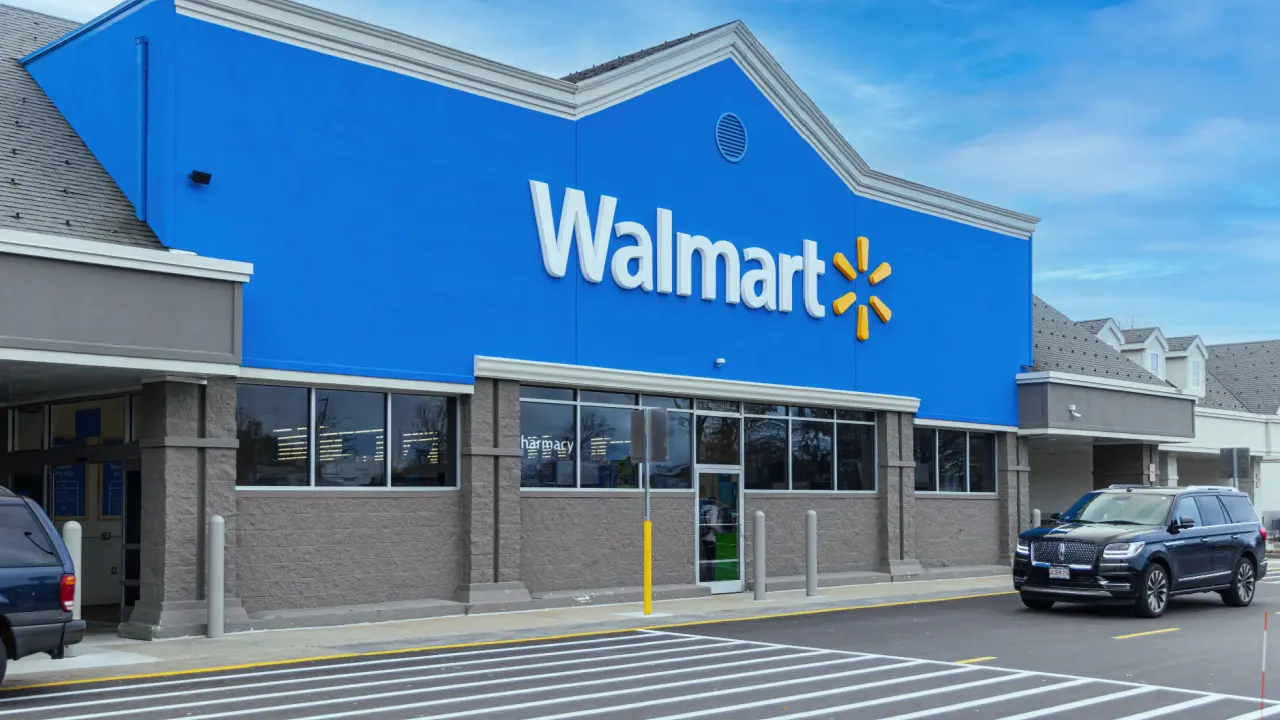
Retailers that have won over this group have tapped into the desire for value no matter the level of household income. Walmart executives recently shared that their largest growth in market share came from consumers with income over $100K. Placer’s foot traffic estimates also indicate that, indeed, traffic distribution for households with income over $75K increased in 2024 compared to 2022, with declines in the share of visits by lower income households.
Walmart attributed these changes to their increased premium service offerings, including its membership program and delivery services – but there could also be another element at play. As prices have gone up considerably since the pandemic, even wealthier shoppers don’t want to see their receipts rise on a daily or weekly basis. Price perception can spur changes in consumer behavior, and this can apply to any consumer, no matter their socioeconomic status. Walmart’s success with wealthier cohorts sends a message to others in the industry; just because a consumer can afford to pay higher prices, doesn’t mean they will.
On the other end of the retail spectrum, the luxury retail market is also facing new challenges in regards to their changing consumer base. As we discussed in our overview of the category in January, there has been a consolidation of visits favoring high income households. In reviewing the captured share of visits by household income for luxury apparel and accessories chains, the largest declines came from “aspirational shoppers,” or those who made less than $150K, who might shop for luxury brands less frequently or for a special purchase. With a smaller pool of potential shoppers to pull from, luxury brands can no longer rely on those outside their core base.
The higher concentration of ultra wealthy consumers forces luxury brands to once again center themselves around the in-store experience and competitive advantages. Brands are constantly vying for shoppers' attention, and luxury brands can take full advantage of their store fleets as a way to court consumers. Personal shoppers, services, and private appointments will all become more important for stores to make up for a potential loss in aspirational consumers.
According to Personalive’s window of insight into different socioeconomic consumer cohorts, Ultra Wealthy Families, defined as those with income higher than $200K, also frequent specialty grocery chains, high-end fitness clubs such as Lifetime Fitness and high-end home goods retailers like Restoration Hardware and West Elm. These retailers, similar to luxury apparel and accessories brands, cater directly to high income households, which provides both opportunities for growth and potential hurdles if these consumers change their spending habits.
High income shoppers are quickly becoming the most courted shopper cohort. As retailers look to innovate and open new locations, lucrative neighborhoods with more high-touch services might pave the way for growth. However, the industry, particularly retailers who service middle and low income families, cannot abandon their consumer base in their efforts. With consumers so intrinsically focused on value, even high income consumers can’t be relied on solely to sustain the retail industry.
For more data-driven insights, visit placer.ai

Iconic clothing brand Brooks Brothers – known for dressing presidents – has experienced a challenging few years. The company filed for bankruptcy in 2020 and closed a number of stores – but recent foot traffic suggests that things are turning around for the retailer.
We took a look at the location analytics for the brand to see how it’s been weathering recent challenges.
Brooks Brothers has long been synonymous with high-quality clothing, specializing in office attire – blazers, dress shirts, and tailored trousers. However, the brand faced significant challenges leading up to its Chapter 11 bankruptcy filing in July 2020. Even before the pandemic reshaped work routines, office wear had been trending toward more casual styles. COVID-19, which brought with it a surge in remote work, accelerated this shift even further.
As a response to the bankruptcy, Brooks Brothers implemented a strategic restructuring plan, closing underperforming stores and refocusing on high-traffic locations. This rightsizing strategy appears to be yielding positive results, with visits per location rising 4.7% year-over-year in Q4 2024. While total visits have declined, the remaining stores drew more customers on average, suggesting a more efficient footprint. Now, with the brand even opening new locations – including a flagship store in Boston – Brooks Brothers is signaling renewed confidence in its future.
Store count isn't the only thing changing at Brooks Brothers – its customer base is shifting as well. Between 2019 and 2024, the share of households with children in Brooks Brothers’ captured market trade area increased from 26.5% to 28.0%, while the share of “Suburban Periphery” households (as defined by Esri's Tapestry segmentation dataset) grew from 45.4% to 47.5%.
These shifts align with broader trends, including a renewed interest in suburban living and the rise of the quiet luxury movement, which favors timeless, high-quality fashion. And with back-to-office mandates continuing to ramp up, Brooks Brothers is well-positioned to maintain its momentum with this growing segment.
Despite the rocky economic environment, Brooks Brothers seems to be holding steady. By focusing on its strongest locations and core offerings, the brand may be on its way to a comeback.
For more data-driven retail and apparel insights, visit Placer.ai.

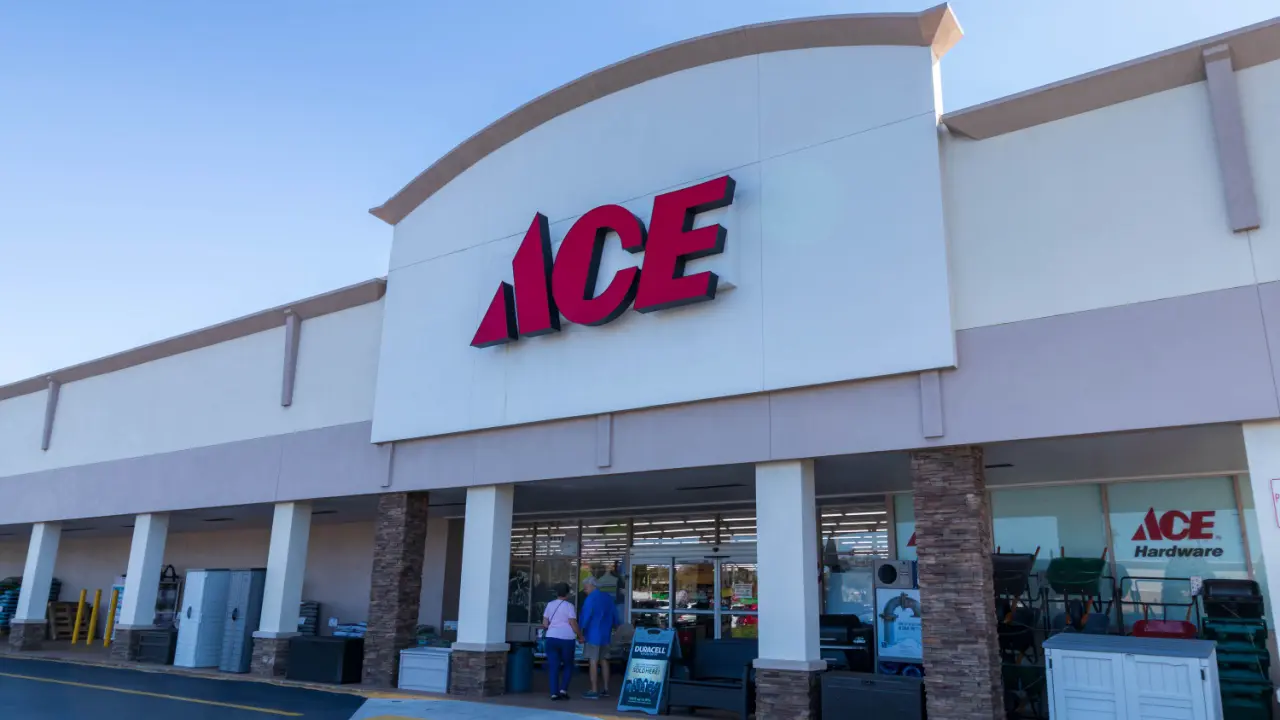
When it comes to home improvement retail, big-box chains like Home Depot and Lowe’s are often top of mind. However, retail visit share data shows that smaller-format chains such as Ace Hardware, Harbor Freight, and Tractor Supply have been outperforming their larger competitors over the past several years.
This trend is primarily driven by store expansion and migration patterns. Ace Hardware and Harbor Freight have aggressively increased their presence in high-growth markets, particularly in smaller cities where their 10,000-20,000 square foot store footprints provide a strategic advantage. In contrast, Home Depot and Lowe’s, with their larger 100,000+ square foot layouts, face greater challenges expanding into these markets.
The success of smaller retailers reflects a broader industry shift toward optimizing store formats, with many retailers—including those in home furnishings, department stores, and grocery – embracing smaller stores to mitigate rising operational costs and respond to evolving consumer migration trends.

We’ve seen mall operators investing in tenants, such as when Simon and Brookfield invested in JCPenney. Of late, outlet operators such as Tanger are scooping up open-air mixed use centers. Walmart’s latest move to purchase Monroeville Mall in Allegheny, PA is also turning heads. What do all these purchases have in common? A desire to diversify.
Over the years, Walmart has experimented beyond retail by adding grocery, optical, pharmacy, and healthcare. Walmart is now working on the Monroeville Mall with Cypress Equities, who position themselves as partners for “distinctive retail, residential, hospitality and mixed-use opportunities.’’ Analyzing visits to some of their properties – including Bayshore Mall in Glendale, WI and Legacy Square in Linden, NJ – reveals Cypress’ strong track record in managing successful shopping centers.
Legacy Square in particular saw impressive visit growth in 2024 – perhaps thanks to Cypress Equity’s investments in the center’s recent renovation. The project included opening a Walmart supercenter anchor followed by the addition of popular retailers and dining chains as well as a c-store and a medical facility – services that are increasingly coming to mixed-use centers.
And the data suggests that the redevelopment has been a success: In 2024, a variety of retailers and dining chains at Legacy Square – including Walmart, Starbucks, Verizon, and Mattress Firm – received significantly more visits per square foot than the New Jersey statewide average for each chain. The success of the Legacy Square redevelopment sheds some light on Walmart’s choice to partner with Cypress Equities on the Monroeville mall project.
The current performance at Monroeville Mall shows that visitation to the mall has declined most months compared to last year, with the exception of November when visits were likely boosted by a strong Black Friday.
At the same time, the mall’s trade area includes a wide array of consumer segments – from budget conscious singles to affluent families to middle income older folks – suggesting that the mall has significant potential to increase its visitations from a variety of audience segments.
Walmart's strategic acquisition and redevelopment of Monroeville Mall, in partnership with Cypress Equities, reflects a broader industry trend towards diversification and the creation of mixed-use destinations. By leveraging Cypress's proven success in revitalizing properties like Legacy Square, Walmart may well transform a struggling mall into a thriving community hub, catering to a diverse demographic and further solidifying its position in the evolving retail landscape.

The COVID-19 pandemic – and the subsequent shift to remote work – has fundamentally redefined where and how people live and work, creating new opportunities for smaller cities to thrive.
But where are relocators going in 2024 – and what are they looking for? This post dives into the data for several CBSAs with populations ranging from 500K to 2.5 million that have seen positive net domestic migration over the past several years – where population inflow outpaces outflow. Who is moving to these hubs, and what is drawing them?
The past few years have seen a shift in where people are moving. While major metropolitan areas like New York still attract newcomers, smaller cities, which offer a balance of affordability, livability, and career opportunities, are becoming attractive alternatives for those looking to relocate.
Between July 2020 and July 2024, for example, the Austin-Round Rock-Georgetown, TX CBSA, saw net domestic migration of 3.6% – not surprising, given the city of Austin’s ranking among U.S. News and World Report’s top places to live in 2024-5. Raleigh-Cary, NC, which also made the list, experienced net population inflow of 2.6%. And other metro areas, including Fayetteville-Springdale-Rogers, AR (3.3%), Des Moines-West Des Moines, IA (1.4%), Oklahoma City, OK (1.1%), and Madison, WI (0.6%) have seen more domestic relocators moving in than out over the past four years.
All of these CBSAs have also continued to see positive net migration over the past 12 months – highlighting their continued appeal into 2024.
What is driving domestic migration to these hubs? While these metropolitan areas span various regions of the country, they share a common characteristic: They all attract residents coming, on average, from CBSAs with younger and less affluent populations.
Between July 2020 and July 2024, for example, relocators to high-income Raleigh, NC – where the median household income (HHI) stands at $84K – tended to hail from CBSAs with a significantly lower weighted median HHI ($66.9K). Similarly, those moving to Austin, TX – where the median HHI is $85.4K – tended to come from regions with a median HHI of $69.9K. This pattern suggests that these cities offer newcomers an aspirational leap in both career and financial prospects.
Moreover, most of these CBSAs are drawing residents with a younger weighted median age than that of their existing residents, reinforcing their appeal as destinations for those still establishing and growing their careers. Des Moines and Oklahoma City, in particular, saw the largest gaps between the median age of newcomers and that of the existing population.
Career opportunities and affordable housing are major drivers of migration, and data from Niche’s Neighborhood Grades suggests that these CBSAs attract newcomers due to their strong performance in both areas. All of the analyzed CBSAs had better "Jobs" and "Housing" grades compared to the regions from which people migrated. For example, Austin, Texas received the highest "Jobs" rating with an A-, while most new arrivals came from areas where the "Jobs" grade was a B.
While the other analyzed CBSAs showed smaller improvements in job ratings, the combination of improvements in both “Jobs” and “Housing” make them appealing destinations for those seeking better economic opportunities and affordability.
Young professionals may be more open than ever to living in smaller metro areas, offering opportunities for cities like Austin and Raleigh to thrive. And the demographic analysis of newcomers to these CBSAs underscores their appeal to individuals seeking job opportunities and upward mobility.
Will these CBSAs continue to attract newcomers and cement their status as vibrant, opportunity-rich hubs for young professionals? And how will this new mix of population impact these growing markets?
Visit Placer.ai to keep up with the latest data-driven civic news.

Convenience stores, or c-stores, have been one of the more exciting retail categories to watch over the past few years. The segment has undergone significant shifts, embracing more diverse offerings like fresh food and expanded dining options, while also exploring new markets and adapting to changing consumer needs. We looked at the recent foot traffic data to see what this category's successes reveal about the current state of brick-and-mortar retail.
Convenience stores are increasingly viewed not only as places to fuel up, but as affordable destinations for quick meals, snacks, and other necessities. And analyzing monthly visits to the category shows that it is continuing to benefit from its positioning as a stop for food, fuel, and in some cases, tourism.
Despite lapping a strong H1 2023, visits to the category either exceeded last year’s levels or held steady during all but one of the first eight months of 2024 – highlighting the segment’s ongoing strength. Only in January 2024 did C-stores see a slight YoY dip, likely reflecting a weather-induced exaggeration of the segment’s normal seasonality.
Indeed, examining monthly fluctuations in visits to c-stores (compared to a January 2021 baseline) shows that foot traffic to the category tends to peak in summer months – perhaps driven by summer road trips and vacations – and slow down significantly in winter. Given summer’s importance for convenience stores, the category’s August YoY visit bump is a particularly promising indication of c-stores’ robust positioning this year.
While some C-store chains, like 7-Eleven, have a nationwide presence, others are concentrated in specific areas of the country. But as the popularity of C-stores continues to grow, regional chains like Wawa, Buc-ee’s, and Sheetz are expanding into new territories, broadening their reach.
Wawa, a beloved brand with roots in Pennsylvania, has become synonymous with its fresh sandwiches, coffee, and a highly loyal customer base. Wawa has been a major player in the c-store space in recent years, with a revamped menu driving ever-stronger foot traffic to its Mid-Atlantic region stores. Between January and August 2024, YoY visits to the chain were mostly elevated. And the chain is now venturing into states like Florida – where its store count has grown significantly over the past few years – as well as Georgia and Alabama.
Meanwhile, Texas favorite Buc-ee’s, though known for its enormous stores and mind boggling array of dining options, has a relatively small footprint – but that might be changing. The chain, which also outpaced its already-strong 2023 performance this year, is opening locations in Arkansas and North Carolina, further building on its reputation as a destination for travelers. And Sheetz, another regional chain with a strong presence in Pennsylvania, is also expanding, with plans to open locations in Southern states like North Carolina and Tennessee.
This trend toward regional expansion offers significant opportunities for growth, not only by increasing store count, but also by reaching new consumer bases and target audiences. Customer behavior differs between markets – and by expanding into new areas, c-stores can tap into unique local visitation patterns.
One metric that highlights local differences in consumer behavior is dwell time, or the amount of time a customer spends inside a convenience store per visit. In some regions, visitors tend to move in and out quickly, while in others, customers linger for longer periods of time.
Analyzing convenience store dwell times by state highlights substantial differences in visitor behavior. During the first eight months of 2024, coastal states (with the exception of Oregon) tended to see shorter average dwell times (between 7.5 and 11.8 minutes). On the other hand, in states like Wyoming, Montana, and North Dakota, average dwell times ranged between 21.2 and 28.2 minutes.
Interestingly, the states with the longest dwell times also have some of the highest percentages of truck traffic on interstate highways – suggesting that these longer stops are perhaps made by long-haul truckers looking for a place to shower, relax, and grab a bite to eat.
Even as regional favorites expand their reach, nationwide classic 7-Eleven is taking steps to further cement its growing role as a prime grab-and-go food and beverage destination. And like other dining destinations, the chain relies on limited-time offers (LTOs) to fuel excitement – and visits.
One of the most iconic, and beloved c-store LTOs is 7-Eleven’s Slurpee Day, which falls each year on July 11th. The event, during which all 7-Eleven locations hand out free slurpees, tends to drive significant upticks in foot traffic – and this year was no exception. Visits to the convenience store jumped by a whopping 127.3% on July 11th, 2024 relative to the YTD daily visit average – proving that good deals will bring customers in the door.
The convenience store sector continues building on the impressive growth seen in 2023. As many chains double down on expanding both their regional presence and their offerings, will they continue to drive growth in the coming years?
Visit Placer.ai to keep up with the latest data-driven convenience store updates.
Grocery chains in the United States are increasingly investing in on-site healthcare clinics, transforming their stores into hubs for both food and wellness. While grocery stores have long featured pharmacies and some basic healthcare services like vaccinations, recent years have seen a shift towards more extensive healthcare offerings.
Today, many grocery stores offer a range of services – from primary and urgent care to dental and mental health care. In addition to providing an important community service, grocery-anchored healthcare clinics can boost foot traffic at chains, help health providers reach more patients, and allow shoppers to manage their health and home needs in one convenient trip.
This white paper examines the impact these in-store clinics have on grocery chain visitation patterns and trade area characteristics. Are shoppers more or less likely to make repeat visits to grocery stores with healthcare services? And how does the addition of a clinic affect the demographic profile of a grocery store’s captured market? The report examines these questions and more, offering insights for stakeholders across the grocery and healthcare industries.
Analyzing foot traffic to grocery stores with and without in-store clinics shows the positive impact of these services: Across chains, locations with on-site healthcare offerings drew more visits in H1 2024 than their chain-wide averages.
The Kroger Co., which operates numerous regional banners as well as its own eponymous chain, has been a leader in in-store healthcare services since the early aughts. The company introduced its in-store medical center, The Little Clinic in 2003 – and today operates over 225 Little Clinic locations across its Kroger banner, as well as regional chains Dillons, Jay C Food Stores, Fry’s, and King Soopers.
And in H1 2024, the eight Dillons locations with clinics saw, on average, 93.0% more visits per location than the chain’s banner-wide average. Jay C, which offers two in-store clinics, also saw visits to these venues outpace the H1 2024 banner-wide average by 92.9%. For both chains, relatively small overall footprints may contribute to their outsize visit differences: Indiana-focused Jay C operates just 22 locations, all in the Hoosier State, while Kansas-based Dillons has some 64 locations.
But similar patterns, if somewhat less pronounced, could be observed at Kroger (43.0%), Fry’s (19.2%), and King Soopers (16.5%) – as well as at H-E-B (14.5%), which boasts its own expanding network of in-store clinics.
Analyzing the trade areas of grocery stores with healthcare clinics shows that these services tend to draw more affluent visitors from within the stores’ trade areas.
For some chains, including King Soopers, H-E-B, and Jay C, the clinics are positioned to begin with in areas serving higher-income communities. The median household income (HHI) of King Soopers’ in-store clinic’s potential markets, for example, came in at $92.3K in H1 2024 – significantly above the chain’s overall potential market median HHI of $88.1K. Similarly, the potential markets of H-E-B and Jay C Food Stores with clinics had higher median HHIs than the chains’ overall averages.
And for all three chains, stores with clinics tended to attract visitors from captured markets with even higher median HHIs – showing that within these affluent communities, it is the more well-to-do customers that tend to frequent these venues. (A chain or store’s potential market is obtained by weighting each CBG in its trade area according to the size of the population – thus reflecting the general composition of the community it serves. A chain or store’s captured market, on the other hand, is obtained by weighting each CBG according to its share of visits to the business in question – and thus represents the population that actually visits it in practice.)
Other brands, including Fry’s, Kroger, and Dillons, have positioned clinics in stores with potential market median HHIs slightly below chain-wide averages. But within these markets, too, it is the more affluent consumers that are visiting these stores, pushing up the median HHI of their captured markets.
These patterns highlight that, for now, grocery store clinics tend to attract consumers on the upper ends of local income spectrums. This information can be utilized by healthcare professionals and grocery store owners to pinpoint neighborhoods that may be open to grocery-anchored clinics, or to take steps to increase penetration in other areas.
Supermarket giant Kroger is a major player in the world of grocery-anchored healthcare, offering visitors access to pharmacies, clinics, and telehealth options via its grocery stores. What impact has the company’s embrace of healthcare had on visits and loyalty?
An analysis of household compositions across the potential and captured markets of Kroger-owned stores with and without Little Clinic offerings suggests that families with children are extremely receptive to these services.
In H1 2024, Kroger, King Soopers, Fry’s, Jay C, and Dillons all featured captured markets with higher shares of STI: PopStats’ “Households With Children” segment than their potential ones – highlighting the chains’ appeal for families. But the share of parental households in those stores with Little Clinics jumped significantly higher for all five banners.
The share of families with children in King Soopers’ overall captured market stood at 28.3% in H1 2024, higher than the 27.2% in its potential one. But the households with children in the captured markets of King Soopers locations with Little Clinics was significantly higher – 30.6% – and similar patterns emerged at Jay C, Dillons, Kroger, and Fry’s.
This special draw is likely linked to the clinics' focus on family health services like physicals, nutrition plans, and vaccines. The convenience of being able to take care of healthcare, grocery shopping, and pharmacy needs all in one go makes these stores particularly attractive to parents. And this jump in foot traffic shows the strategic advantage of incorporating healthcare services into the retail environment.
Providing essential healthcare services at the supermarket can establish a grocery chain as a crucial part of a shopper's daily life, enhancing visitor loyalty, and helping nurture long-term customer relationships. Indeed, in-store clinics offer a unique opportunity for grocery providers to connect with customers on a level that extends beyond the transactional.
An analysis of several Kroger-branded locations in the Cincinnati metro area showcases the profound impact in-store clinics can have on customer loyalty. In H1 2024, stores with Little Clinics had significantly higher shares of repeat visitors – defined as those making six or more stops at the store during the analyzed period – than those without.
For instance, 36.4% of visitors to a Kroger Marketplace store with an in-store clinic in Harrison, Ohio, frequented the location at least six times during the first half of 2024. But over the same period, only 29.0% of visitors stopped by at least six times to a nearby Kroger location in Cleves, Ohio – just ten miles away. Similarly, 30.7% of visitors to the Beechmont Ave. Kroger Food & Drug location with a clinic visited at least six times in H1 2024, compared to 23.0% for the nearby Ohio Pike Kroger store.
This trend was consistent across the analyzed locations, with those offering in-store clinics attracting significantly higher shares of loyal visitors. These metrics support the value of offering additional services as a draw for frequent visitors, while also providing the clinics themselves with the visitor volume needed to operate profitably.
Texan grocery chain H-E-B is beloved across the state – and though the chain isn’t new to the healthcare scene, it has been doubling down on wellness. In 2022, H-E-B launched H-E-B Wellness, a healthcare platform that offers patrons a variety of medical services, including – as of today – some 12 primary care clinics, many of them inside stores.
H-E-B stores with primary care clinics are helping to cement the grocer’s role as a convenient one-stop for local residents – allowing them to drop in to a nearby location for both daily grocery needs and wellness care.
H-E-B has always placed a premium on community, stepping up to help local residents in times of need. And though the chain as a whole draws an overwhelming majority of its visitors from nearby areas, those with clinics do so even more effectively. In H1 2024, some 83.6% of visitors to H-E-B came from less than 10 miles away. But for locations with primary care clinics, this share increased to 88.0%.
This suggests that wellness services are particularly appealing to nearby residents, strengthening H-E-B’s connection with local consumers even further. And for a grocery store centered on community engagement, the integration of health services into its offerings is proving to be a winning strategy.
H-E-B has been steadily expanding its primary care offerings since it launched the Wellness concept, adding two primary clinics at locations in Cypress, TX and Katy, TX in June 2023. Following the opening of these clinics – which operate Mondays through Fridays – both locations saw marked increases in the share of “Urban Cliff Dwellers” in their weekday captured markets. This STI: Landscape segment group encompasses families both with and without children, earning modest incomes and enjoying middle-class pleasantries.
Between June 2022 - May 2023, the share of “Urban Cliff Dwellers” in the weekday captured markets of the Cypress and Katy locations stood at 9.5% and 7.2%, respectively. But once the stores had clinics in place, those numbers jumped to 12.4% and 11.0%, respectively.
This increase in the stores’ reach among “Urban Cliff Dwellers” immediately following the clinics’ openings suggests that in addition to more affluent consumers, middle-class families also harbor considerable interest in these services. As more retailers continue making inroads into the healthcare sector, they may find similar success in attracting diverse groups of convenience-seeking shoppers.
As grocery stores lean into healthcare, they are transforming into multifaceted hubs that offer both essential health services and everyday shopping needs. Retailers like Kroger and H-E-B are reaping the benefits of boosted foot traffic, higher-income visitors, and strengthened community ties – while offering their shoppers convenience that helps streamline their daily routines.