


.svg)





Millennials everywhere, rejoice, because a beloved brand is back, for the next generation. Limited Too, an apparel staple for girls growing up in the 1990’s and 2000’s, has found its way back to the retail stage after years of dormancy. The brand began teasing its return a month ago, but last week brought the announcement that Limited Too’s relaunch will take place via a new apparel line at Kohl’s. With the Fourth of July over and Amazon Prime Day complete, the back-to-school season is officially upon us, even if it still feels like summer. In Kohl’s press release on Friday, the Limited Too introduction is a part of its larger back-to-school efforts, and it appears to be aimed at expanding apparel offerings for girls. And, with Kohl’s recent and upcoming additions like Sephora, Babies”R”Us, and now Limited Too, the target is clearly to woo and excite the Millennial shopper.
The relaunch of Limited Too includes fashion for girls size 7-16, the same Tween demographic that the brand originally captured. Mall-based Limited Too shut its doors in 2008, and the majority of stores were converted into rival retailer, Justice, who shuttered all of its stores in 2020. The brand revival is likely positioned by Kohl’s to appeal to parents who grew up with an affinity for the brand who can now purchase for their children.
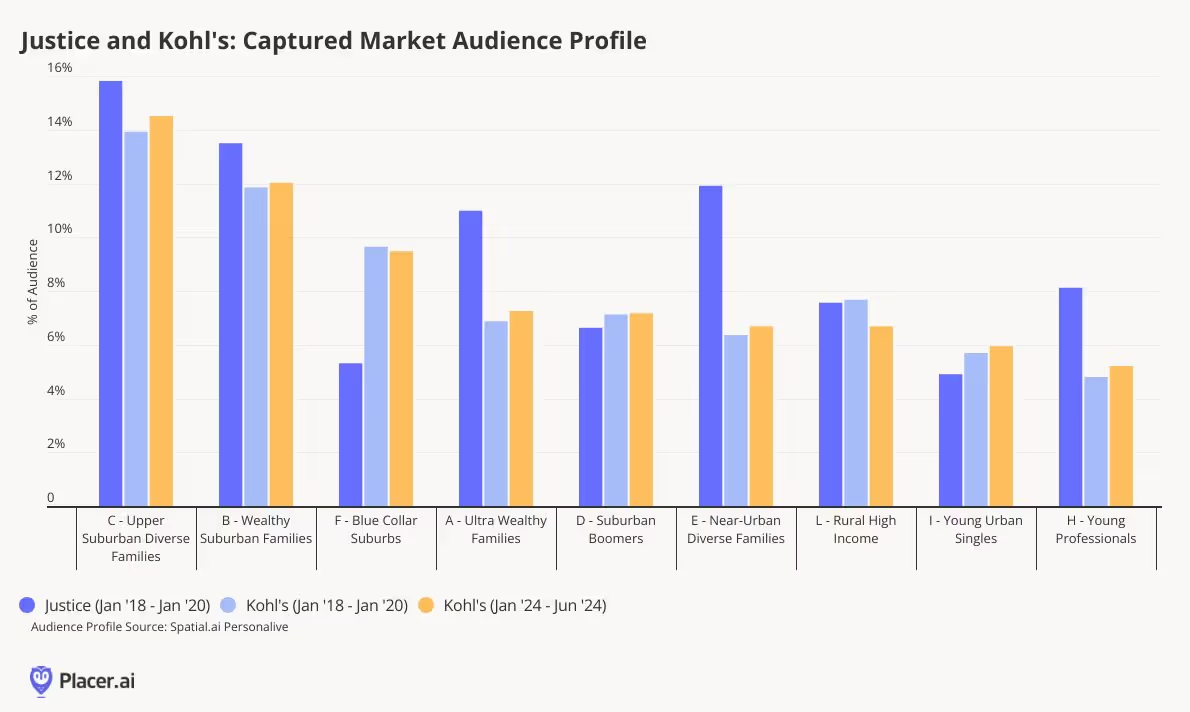
With the relaunch, how well situated is Kohl’s to attract this ideal “Limited Too Loyalist”? We took a look at a sampling of former Justice stores prior to closing, from 2018 to January 2020, and compared the audience profile of Justice visitors to Kohl’s visitors using Spatial.ai PersonaLive, both during the same time period as well as in 2024.
Our data highlights that both retailers actually have a similar audience profile of visitors, and that Kohl’s has continued to grow its percentage of Upper Suburban Diverse Families and Wealthy Suburban Families to more closely align with the former Justice demographics. Since the pandemic and through its new partnerships and planned additions, Kohl’s has been able to capture wealthier suburban families, and as Millennials continue to migrate out of urban centers, the retailer may have set itself up well to welcome these shoppers.
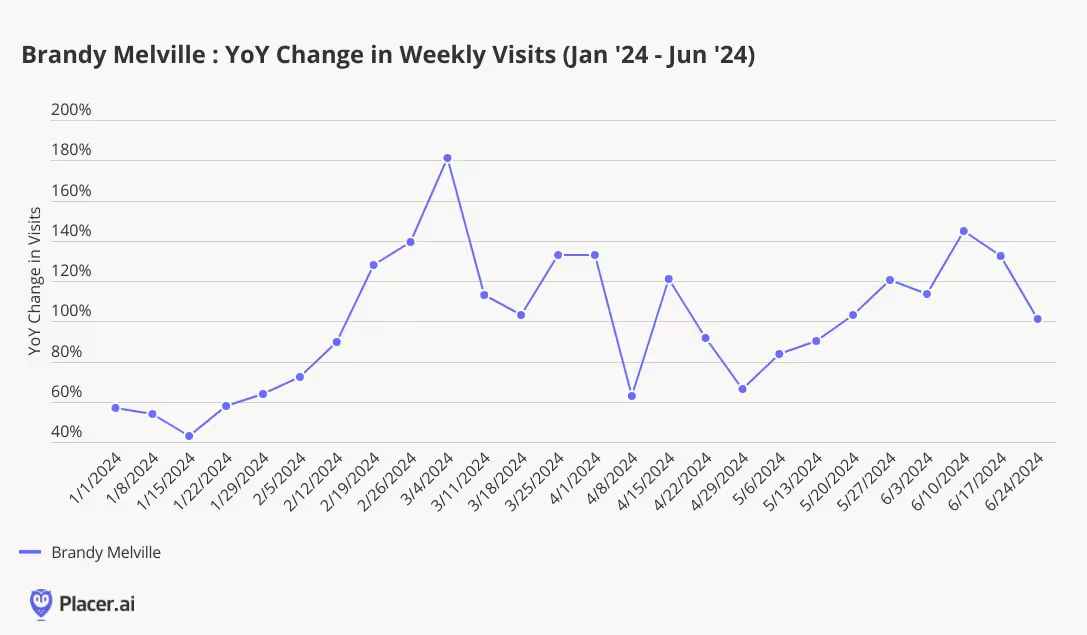
The tween apparel market today is highly fragmented, as is true with most areas of discretionary retail, with shoppers having access to countless brands and channels to choose from. Mass merchants, fast fashion, and athleisure brands are all vying for the attention of tweens, who are in turn influencing the retail decisions of their parents. A few months ago, we wrote about Brandy Melville, a somewhat controversial retailer that is still hugely popular with tweens. The retailer has the cool and elusive styling that young shoppers crave, and continues to be a strong traffic performer so far in 2024 (below). We’ve also written about the renaissance of Abercrombie & Fitch, another 2000’s brand with a strong connection to Millennials that has been able to recapture visitors’ attention, and still operates the Abercrombie Kids brand aimed at the same size range as the newly launched Limited Too.
Kohl’s new bet for the back-to-school season hangs on appealing to nostalgic Millennial parents, a group that quickly is becoming a target for many retailer strategies. We wrote last week about the rise of younger visitors to warehouse clubs, and the importance of younger shoppers to growing the member base. In a competitive and value-oriented retail environment, appealing to this group and gaining their loyalty in visits is critical to long-term success. It will be interesting to see if the Millennial love for Limited Too still remains, even after all these years.
We’ve discussed the meteoric rise of warehouse clubs, particularly in relation to their mass merchant counterparts so far in 2024. Clubs continue to provide all three components of what makes retail successful today; unique products, value and a positive in-store experience. And as we previously highlighted, each club has its unique value proposition that drives engagement with its members.
A few weeks ago, at the Bank of America London Investor Conference, Walmart CFO John David Rainey, spoke about the growth of Sam’s Club and the relationship between that growth and Millennials and Gen Z cohorts. He mentioned that those two groups represent the highest level of growth to the Sam’s Club business, and logically, against the backdrop of changes across the retail industry, this makes sense. As this group ages into the family formation life stage, their retail needs change, and coupled with migration patterns since the pandemic, most likely more space means more bulk.
Using Placer’s foot traffic estimates and Experian Mosaic lifestyle cohorts, we compared the first six months of 2019 to the first six months of this year to determine if this trend also was reflected in consumer visits. Costco showed a 50-basis-point increase in visits from trade areas with a higher percentage of Singles and Starters and Promising Families, both groups that align with Millennial and Gen Z life stages. Those cohorts also represented the highest levels of change over the five years of any group of Costco trade area constituents.

Sam’s Club tells a similar story, if not one that is even more compelling. Singles & Starters, as of 2024, represented the highest percentage of visitors, and increased 80 basis points from 2019. Promising Families also increased by 20 basis points over the same period, while many segments of more mature consumers declined in percentage over the five year period. Both Sam’s Club and Costco have grown visits so far in 2024, and it’s likely that the growth is being fueled by younger shoppers.

Migration from urban environments to more suburban and rural areas as well as aging into larger spaces both could play a role in the growth in popularity of warehouse clubs by younger consumers. This sector of retail relies on, and greatly benefits from loyalty, and getting buy-in from elusive younger consumers can provide some more long-term stability for Sam’s Club and Costco. With Costco’s announcement this week that it will be raising prices on memberships for the first time since 2017, focusing on those newer, younger members with higher earning potential may help to alleviate some of the pressure. Younger visitors may be enticed by the food court, stocking up on essentials or impulsive items, and warehouse clubs are welcoming this next wave of consumers through their doors.
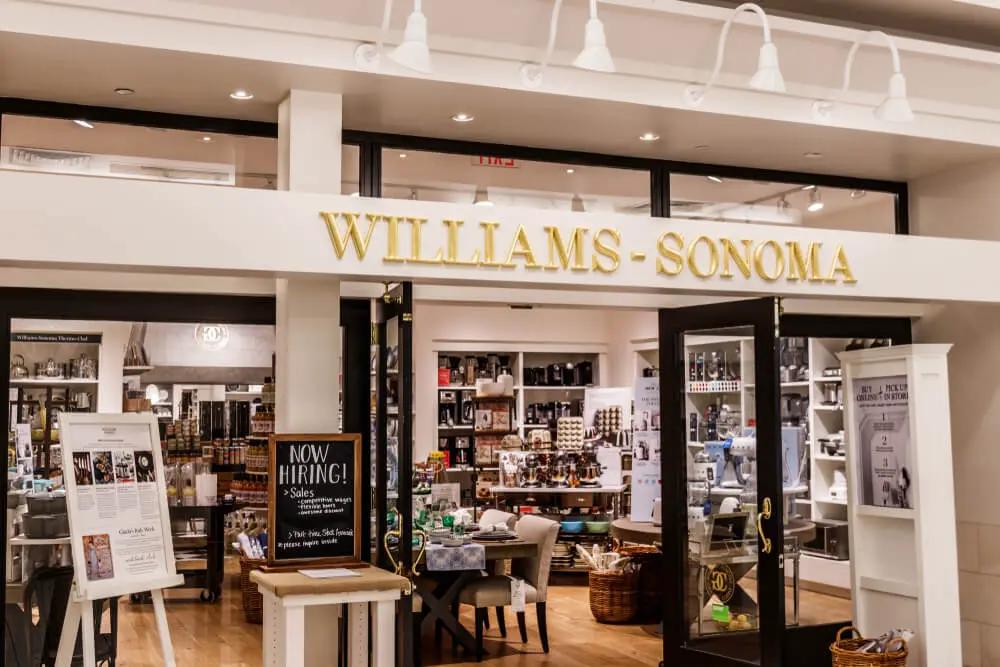
Sourcing food at home has become a lot more attractive for consumers against the backdrop of economic concerns in 2024. In Kroger’s earnings call, CEO Rodney McMullen called out that out of home food costs are outpacing in home food costs, leading shoppers to focus more on in-home meal solutions. Cooking can be seen as a cost saving lever for visitors, but the pandemic period also fostered a love of cooking and spending time in the kitchen, even for higher income households not necessarily looking to save money. And it appears through Placer’s location insights that retailers that focus on outfitting the kitchen have been benefiting from this change in consumer behavior.
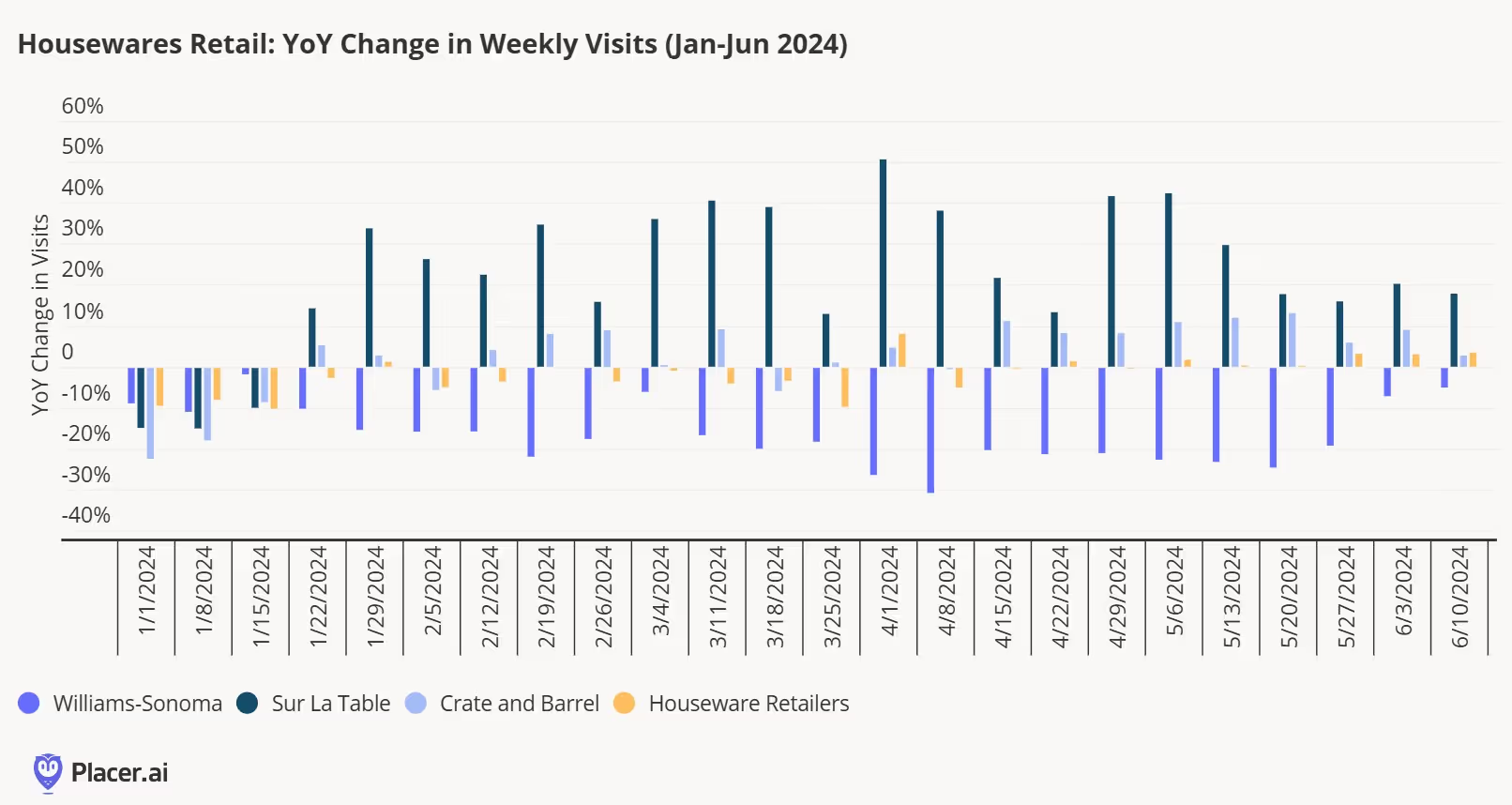
Despite the home industry having its challenges in foot traffic after the pandemic, housewares retailers have had some positive momentum over the past few months. Beyond that, houseware retailers that specialize in kitchen wares, such as Crate & Barrel and Sur La Table, have seen traffic growth throughout 2024. Williams-Sonoma, despite challenging year-over-year declines in traffic, reported comparable sales growth in the first quarter of 2024, which signals a higher level of conversion in-store.
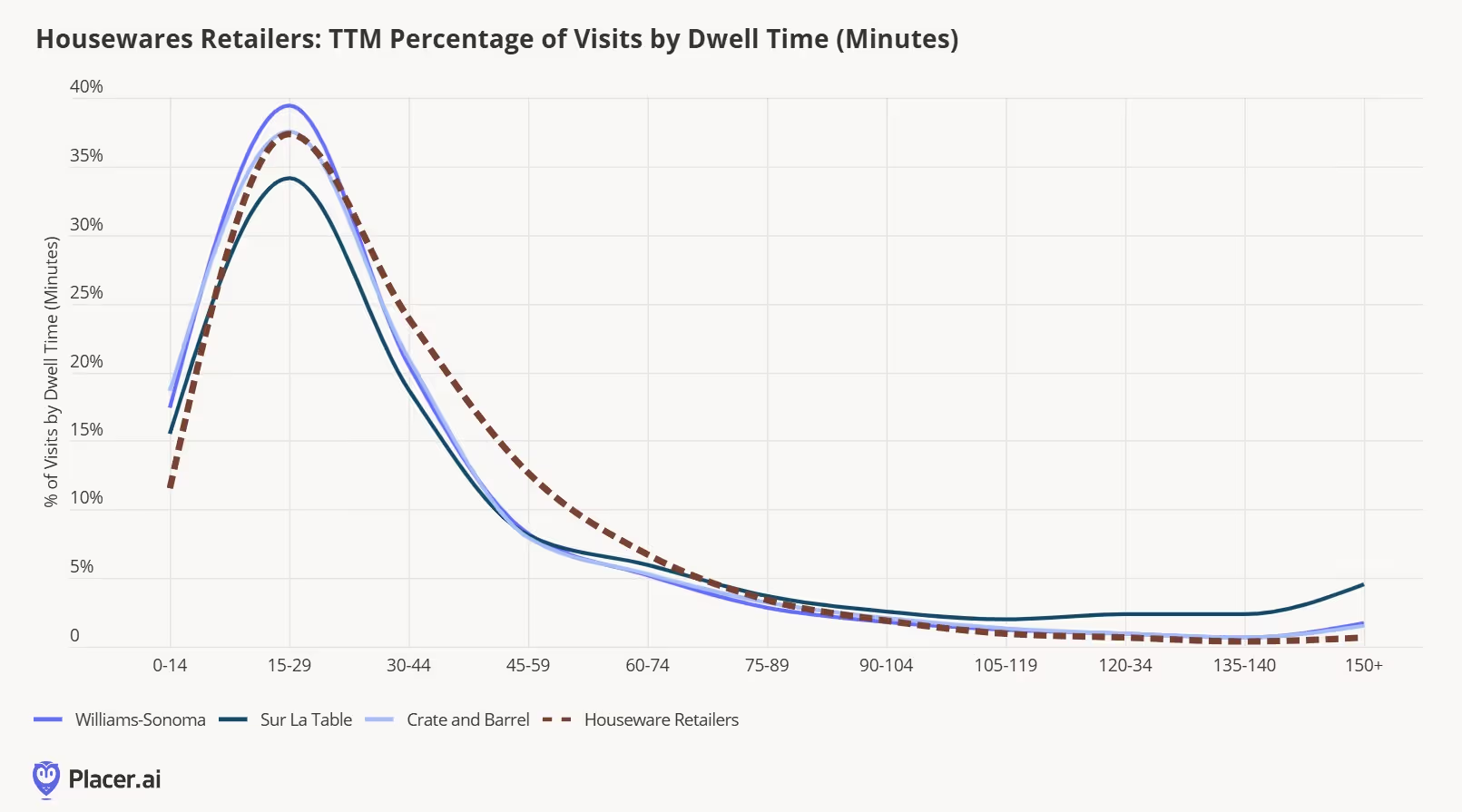
Sur La Table, a retailer that’s been challenged in the past, has found new life in changing consumer needs. One of Sur La Table’s core competencies is in-store cooking classes, and experiential retail continues to be one way the industry can provide inherent value to visitors. Dwell times are almost 10 minutes longer than Williams-Sonoma, its closest competitor (below). It also has the highest median household income of visitors and has the highest share of visits from households over $150k. Certainly at-home cooking has increased across income brackets, but high-end consumers also appear to be interested in adjacent home categories to take their skills to the next level. Blending product knowledge, experiences and assortment has greatly benefitted Sur La Table, and even against a challenging specialty retail landscape, the retailer has once again found its niche.
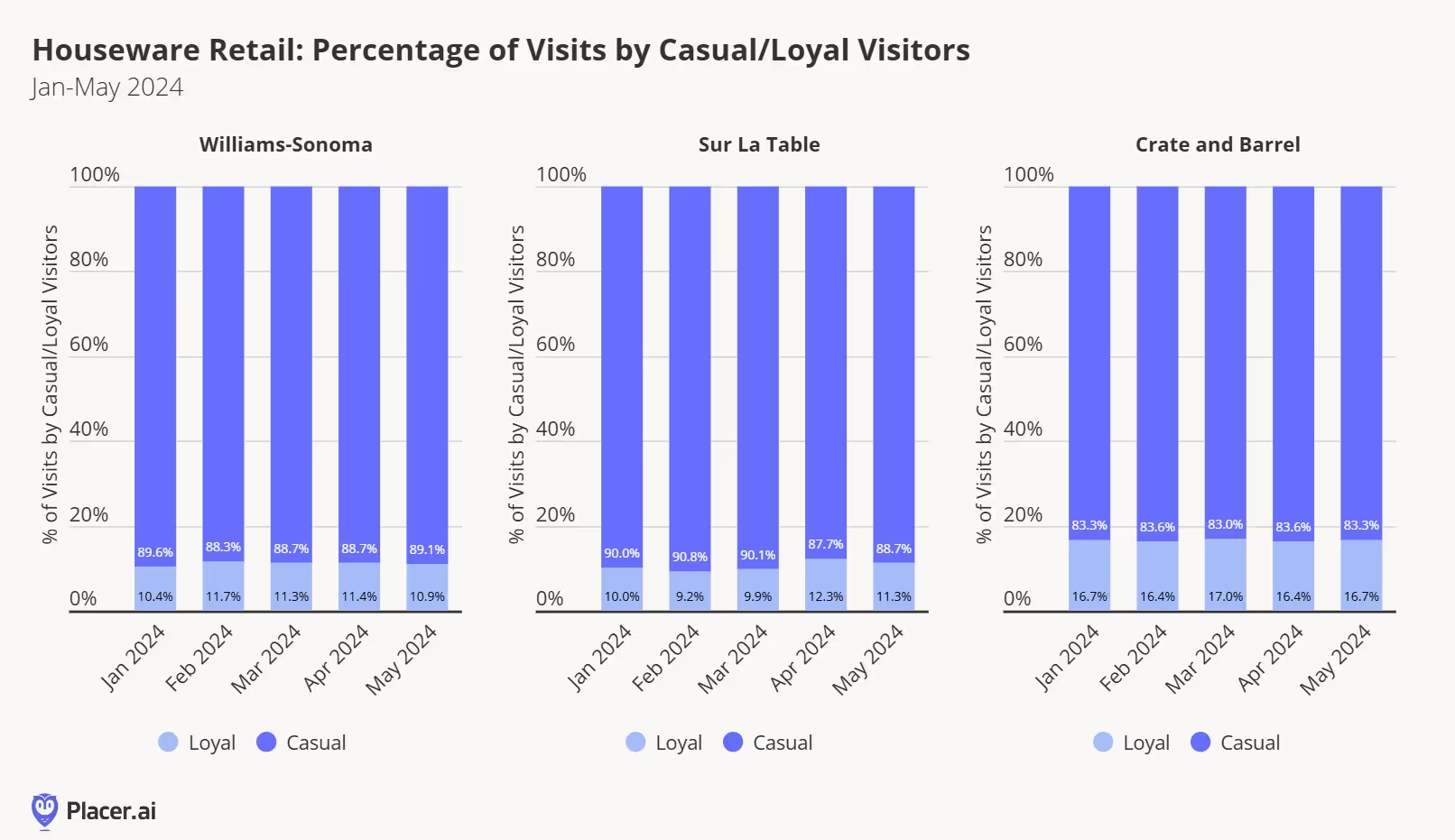
These retailers are often at the top of wedding registry lists, which could benefit traffic as we head into the summer months and the height of wedding season. Crate & Barrel, while not solely a kitchen focused retailer, has long been known as a registry destination that helps registrants outfit a kitchen with all of the cookware and gadgets one could need. Year to date through June, Crate & Barrel traffic is up 3% year-over-year, which is even more impressive considering that its assortment features an array of home furnishings categories, including furniture. Looking at demographic segments using Spatial.ai, Crate & Barrel over indexes in visits from Educated Urbanites and Young Professionals and Sunset Boomers compared the the average of other housewares chains, a signal that the wedding registry business, typically fueled by kitchen goods, could be attracting these particular subsets. Crate & Barrel also has a high level of loyalty in visits compared to other competitors in the space.
As we reported about Wayfair a few weeks ago, home retailers that have created exciting experiences and reasons to visit are still resonating with consumers, despite the tempered interest in the home category. An increased interest in cooking by consumers certainly plays a part in these retailers' success, but they have also had to provide even more incentive to drive traffic growth as consumers shift their attention away from purchasing for their homes. Having an experiential component or registry business have kept kitchen focused retailers more aligned with their consumer’s needs, which drive inherent value in today’s retail landscape, something not easy to come by.
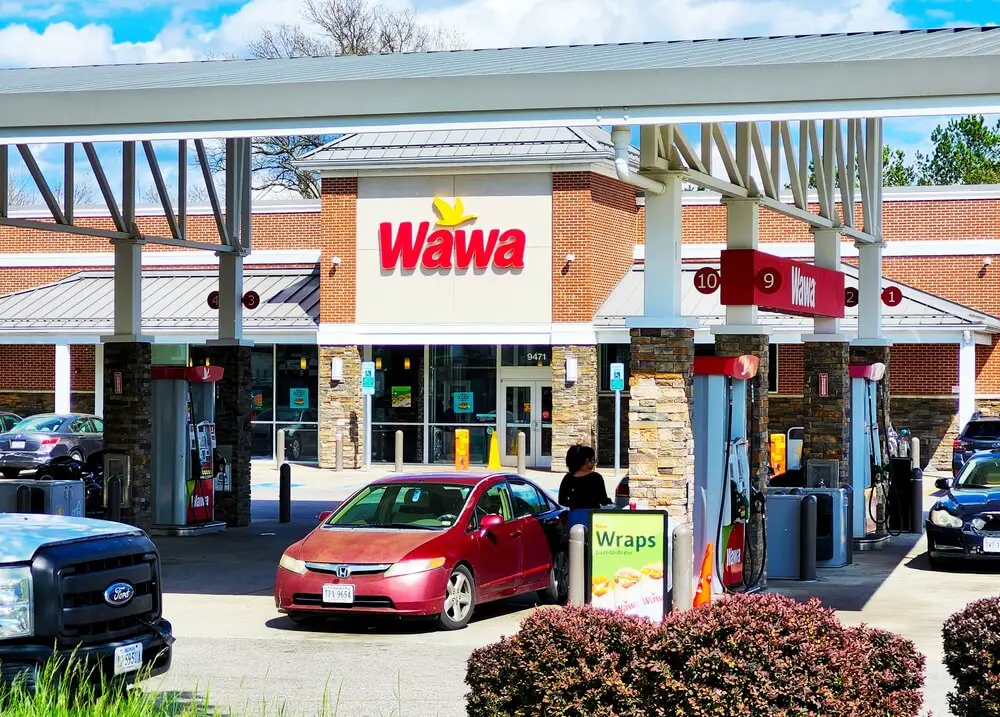
Summer has unofficially arrived, and with that comes the desire to relax, unwind and travel. And despite some of the economic uncertainty still facing consumers, 2024 is off to a surprising start for traffic in certain parts of retail. According to AAA, auto traffic growth for Memorial Day weekend was projected to grow by 4% compared to last year and by almost 2% versus 2019. Car travel has long been seen as the value-based travel method across the U.S., and who can forget the allure of the “summer road trip”. But inflationary pressures may have made it less appealing over the past few years. In the most recent consumer price index for May 2024, a drop in gasoline prices was a large positive contributor to the overall rate of 3.3%, which could provide a stronger consumer push for summer car travel.
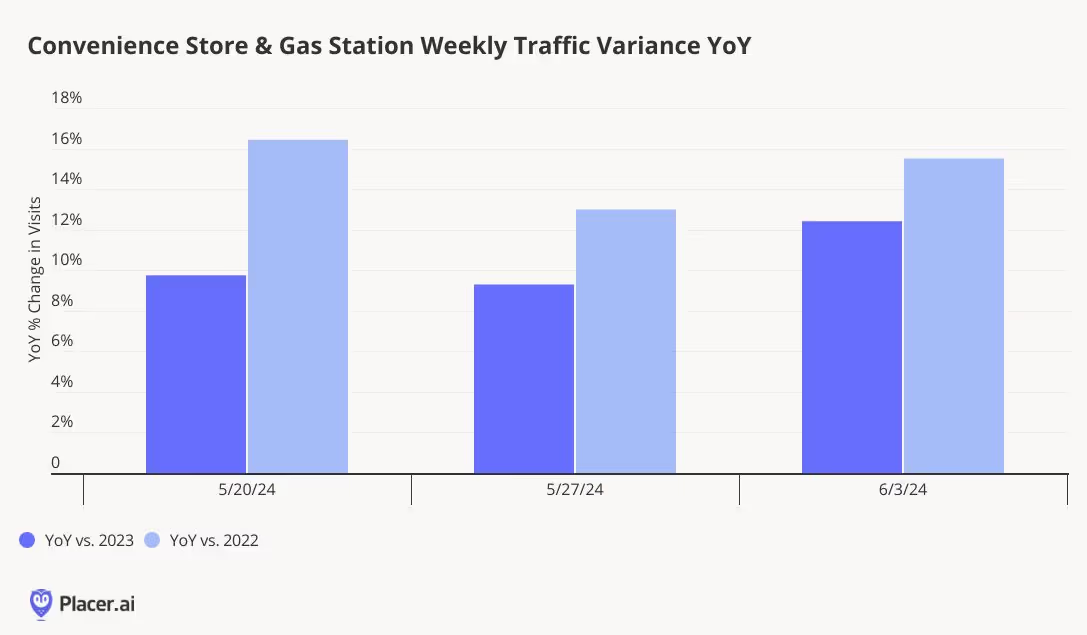
With the positive momentum in auto traffic and gas prices, gas station and convenience store traffic has greatly benefited since Memorial Day weekend. In fact, visits to chains from May 20 to June 10 this year increased by 11% compared to the same weeks in 2023 and 15% versus 2022. Traffic to convenience stores and gas chains is up almost 30% compared to the same weeks in 2019. Traffic growth steadily climbed over the course of the three weekends measured, and the weeks had some of the highest growth rates so far in 2024 with the exception of a week in March. Even with the projected increase in auto traffic across the country, convenience and gas is the summer blockbuster, building on the consumer trends of the past year and the successful strategies of various retailers.
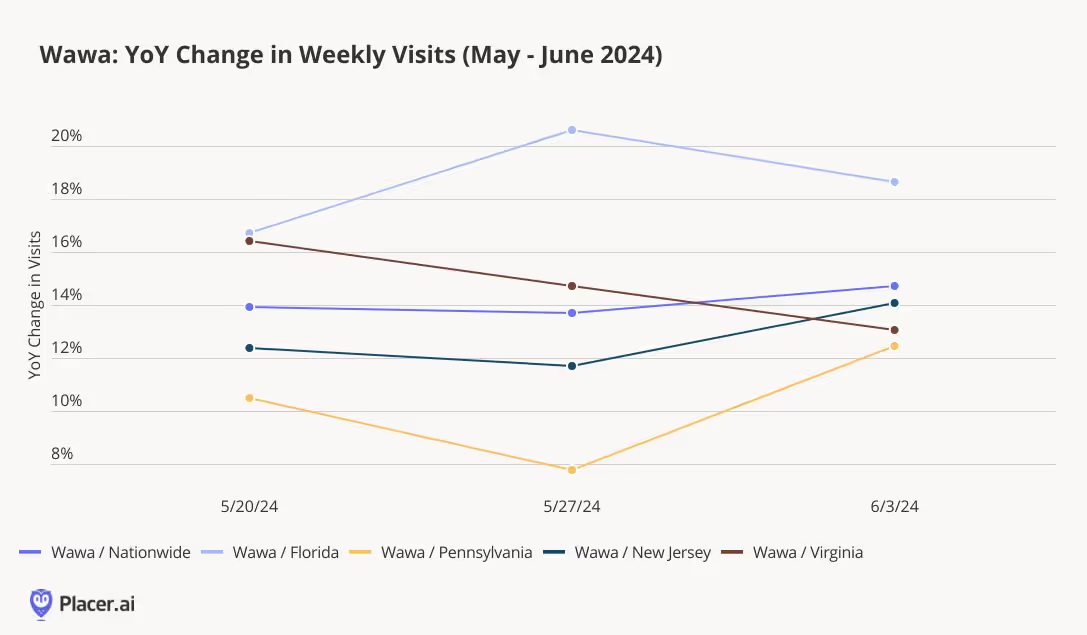
Wawa, in particular, saw strong visit patterns in the first unofficial few weeks of summer travel. The chain at a total level is up an impressive 14% year-over-year for the measured weeks. Looking at Wawa’s performance across various states, Florida drove much of the growth in traffic as the weather heats up, and outperformed some of the brand’s stronghold states like Pennsylvania & New Jersey. Average dwell times at Wawa locations in Florida are almost a minute higher than the chain average, highlighting that stores are not only pulling in more visits, but keeping visitors in-store for longer. The strong performance of the Florida locations, even during the off season, corroborates the brand’s investment in expansion across the state. One might suspect that Wawa is well positioned heading into the remainder of the summer with its coastal strategy.
Will C-stores continue to grow traffic as we officially enter the summer season? All signs point to yes, even if gas prices rise due to increased demand. Chains have done a fantastic job of enticing consumers with unique food offerings and might become the must-visit destination before heading to the beach this summer.
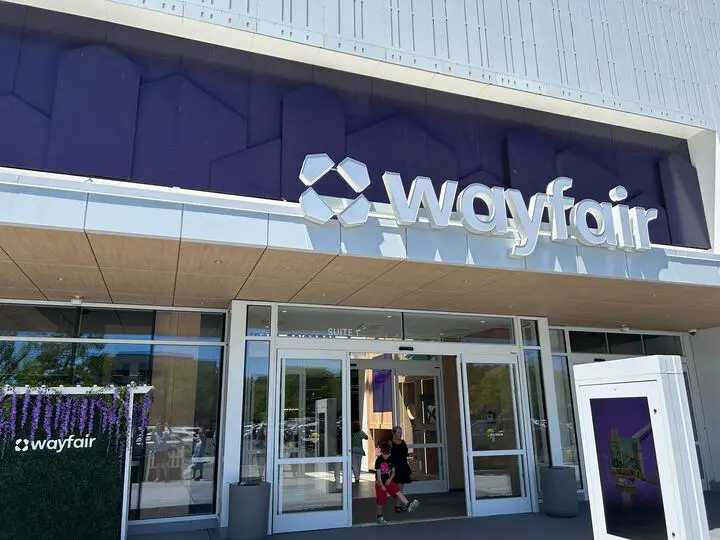
Over Memorial Day Weekend, Wayfair opened its highly anticipated addition to the world of physical retail, something we've been waiting for since the company's large-format store plan first came into view in early 2022. Technically, Wayfair’s new mega-store, sized at 150,000 square feet in Wilmette, Illinois, isn’t its first foray into brick-and-mortar, but it is certainly its splashiest. In an era when many home furnishing retailers are going small, early indications from Placer show that betting big has yielded success in attracting visitors, but questions about the longevity of success and health of the broader home industry remain.
This week, we had a chance to visit the store ourselves, and it's immediately evident how much attention was put into the store. Most visitors enter through the "Market Square", which feature unique housewares, locally-relevant products, and seasonal merchandise. Above the Market Square is a large video board that showcases certain products and other digital media assets which help set the tone for the shopping experience.


According to the retailer, its first namesake location brings a new shopping experience to consumers and features its first food service offering, The Porch (below).
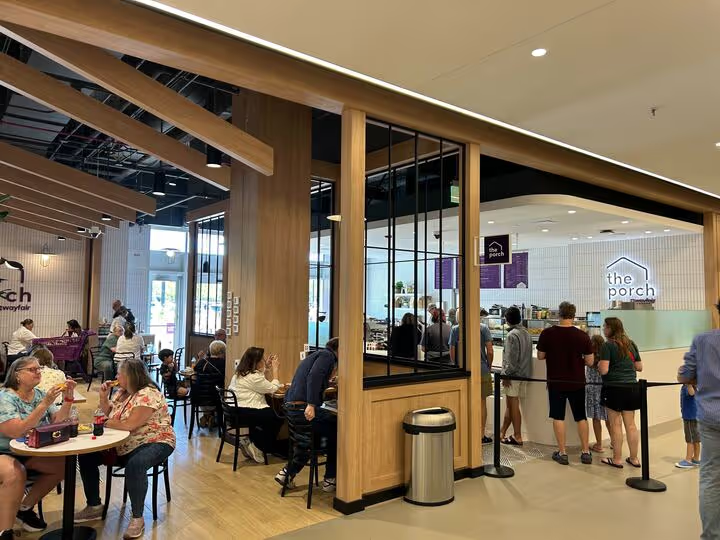
The store also features an expanded selection and one-on-one personal design services, which can be seen in store layout below. The new location clearly took learnings from other Wayfair-owned brands like Joss & Main or All Modern, each of which have also opened physical stores.

The Wilmette large format store opened on May 23, just in time for Memorial Day Weekend foot traffic, and the location greatly benefitted from the timing. According to Placer’s early reads from May 18-June 1, 2024, Wayfair’s visits accounted for almost half of the visits to Edens Plaza (below), the shopping center in which it’s located. Beyond that, during its opening weekend from May 23-27, it drove 60% of visits to the plaza. The shopping center is located right off the Edens expressway, and the store is visible from the road, which helping to draw the attention of travelers.

Wayfair’s debut is a clear victory for the shopping center, with the store’s first few weeks helping to attract new visitors to the center. Comparing the two week period before the store opening to the two weeks of its opening using Spatial.ai’s PersonaLive segments, the percentage of visits coming from trade areas from Ultra Wealthy Families--the typical center visitors--actually decreased from 45% to 32%. However, there was a large increase in the percentage of visits by Educated Urbanites and Young Professionals. Buzzworthy openings help to revitalize shopping centers and Wayfair’s initial success will hopefully provide some meaningful shifts in visitors beyond the first few weeks.

Home furnishing retailers, in particular, have made experiences and expanded service offerings a cornerstone of their strategies to foster a captive consumer audience and increase dwell time, and hopefully conversion. Looking at local home furnishing experiential retail locations in the Metro Chicago area, Wayfair’s opening splash is even more apparent with its two story, expansive footprint. Compared to the closest IKEA store (Schaumburg), Wayfair Wilmette's visits were 12% higher during its initial two-week period and saw 19% more visits than IKEA during the highest traffic day of opening weekend. The trade area of the two retailers, even in the first two weeks, starts to tell the story of the visiting consumer; Wayfair drove more visits despite having a smaller trade area than IKEA and more overlapping territory, and primarily pulled its visitors from the northern Chicago suburbs.

Wayfair’s early indicators of traffic highlight a combination of the right concept, the right consumer, and the right location. It will be fascinating to watch the long-term visit trends for Wayfair, especially compared to other large-scale regional furniture retailers. Despite many home furnishing retailers looking to smaller formats for growth, if Wayfair’s location sustains its traffic growth, larger-format stores may become an attractive solution for shopping centers to revitalize themselves.
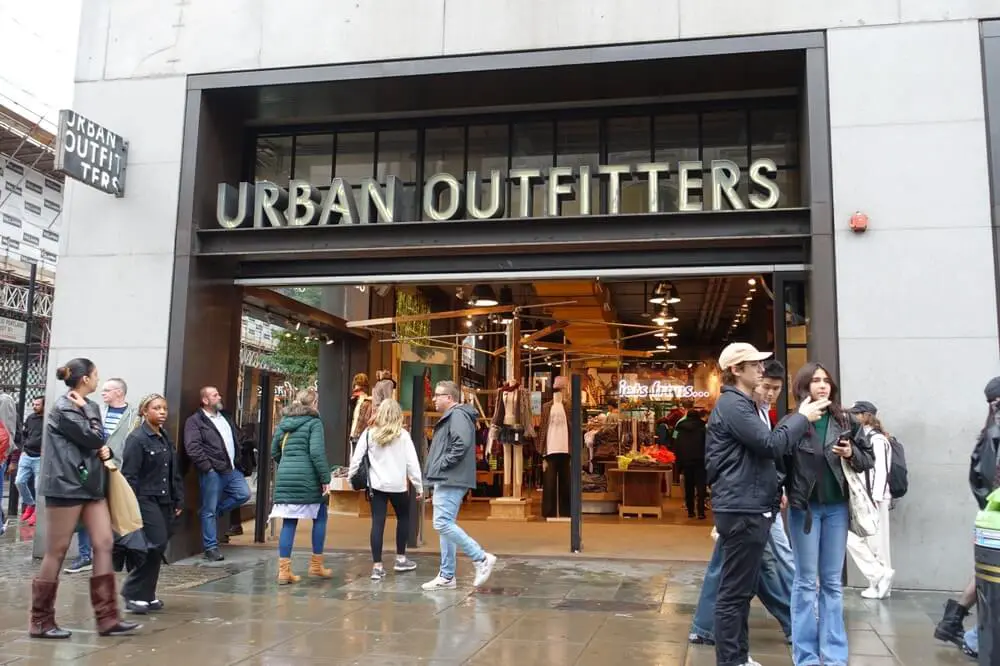
In the spirit of retail quarterly earnings season, it has been eye-opening to see the disparity in performances, especially among specialty retailers. This week, Urban Outfitters, Inc. (URBN) reported first quarter earnings, with comparable dollar sales up 4.6%, a strong growth number compared to many in the industry. Urban Outfitters, Inc. benefitted from a diversified retail portfolio, with the growth stemming from its Anthropologie, Free People and Nuuly brands, both in-store and online, while its namesake brand continues to be challenged over the past few years. As far as specialty apparel retailers go, the company has done a fantastic job of creating retail experiences that are unique and irreplaceable for their customers, and finding true competitors of its brands proves difficult.
Looking at Q1 2024 traffic performance, Free People and Anthropologie led the way, echoing the earnings release. Free People visits, excluding FP Movement, grew 8% year-over-year and Anthropologie saw an increase in traffic of 5% year-over-year. Urban Outfitters, on the other hand, actually saw traffic levels beat sales performance, with traffic flat compared to Q1 2023.
Anthropologie, despite retail and economic headwinds, has tightened up its value proposition to consumers and has a clear vision of its target shopper. Using Spatial.ai’s PersonaLive segmentation (as shown below), Anthropologie attracted the most visits from Ultra Wealthy Families in Q1 2024, followed by Young Professionals and Sunset Boomers. Compared to the other portfolio brands, Anthropologie attracts a higher median income consumer and over indexes with more mature consumers, two groups that have higher levels of spending power in today’s economy and haven’t decidedly altered their retail habits as much as middle- and lower-income shoppers. Anthropologie has clearly benefited from the strength of its visitors, and its curated multi-category retail experience that has shielded the chain from the struggles of other home furnishing and apparel retailers. It will be interesting to watch if the brand is able to continue to maintain its success through the remainder of the year if economic conditions become further challenged.
Free People appeals to a consumer somewhat in the middle of both Anthropologie and Urban Outfitters, and has been able to capitalize on Anthropologie’s success and hedge against Urban Outfitters’ struggles. Free People’s design sense makes it a crowd-favorite but also a source for many “dupes” on other retail platforms; however, the influx of similar designs haven’t seen to slow their momentum. FP Movement, the brand’s athleisure line that also has stand alone retail locations, has been another lever for growth. Using Placer.ai to look at three FP movement locations compared to the Free People chain, FP movement grew visits faster than the parent brand, and also had a higher dwell time. Urban Outfitters, Inc. disclosed that dollar sales for Free People were up almost 18% in Q1 2024, but the company doesn't break out sales between FP Movement and Free People. There are some risks with the athleisure market, as brands face softening performance and consumers shift away from more discretionary apparel categories. FP movement has created core and in-demand silhouettes that drive traffic, but with fashion trends, that may not be enough to sustain long-term visit growth.
Finally, there’s the lackluster performance from the namesake brand. Younger adults have so many retail options at their fingertips that retailers who cater to these consumers can often be lost in the shuffle, especially with so much competition coming from online and offline retail. Urban Outfitters long curated a distinct look and feel, as well as a mix of national brands and private labels that differentiated it from competitors; with retailers in similar price bands like Abercrombie & Fitch staging a comeback, Urban Outfitters has lost its footing. Looking into the consumer segments using Spatial.ai’s PersonaLive, Educated Urbanites and Young Professionals top Urban Outfitters segmentation; price-sensitivity could be making younger shoppers more discerning in their apparel purchases. Off-price may also be a factor here and provide higher levels of competition for the customer base. Urban Outfitters holds a lot of brand value, and if the brand is able to right size assortments and value in the short term, there could be upside to bring it closer to its sister brands.
Compared to most of the specialty retail narratives out in the market, Urban Outfitters, Inc. has a lot of positive momentum with a few of its brands. Nuuly, its subscription rental service, was also called out as a positive highlight of the quarter, and learnings about consumer preferences through that service could help to inform the go-forward strategies at Anthropologie, Free People and Urban Outfitters. There is a lot to celebrate as it relates to its discretionary retail fleet, despite the challenges at the namesake brand, and proves that specialty retail that still feels “special” has consumers' lasting attention.

Introduction
2024 has been another challenging year for retailers. Still-high prices and an uncertain economic climate led many shoppers to trade down and cut back on unnecessary indulgences. Value took center stage, as cautious consumers sought to stretch their dollars as far as possible.
But price wasn’t the only factor driving consumer behavior in 2024. This past year saw the rise of a variety of retail and dining trends, some seemingly at odds with one another. Shoppers curbed discretionary spending, but made room in their budgets for “essential non-essentials” like gym memberships and other wellness offerings. Consumers placed a high premium on speed and convenience, while at the same time demonstrating a willingness to go out of their way for quality or value finds. And even amidst concern about the economy, shoppers were ready to pony up for specialty items, legacy brands, and fun experiences – as long as they didn’t break the bank.
How did these currents – likely to continue shaping the retail landscape into 2025 – impact leading brands and categories? We dove into the data to find out.
Conventional Value Reaching Its Ceiling
Bifurcation has emerged as a foundational principle in retail over the past few years: Consumers are increasingly gravitating toward either luxury or value offerings and away from the ‘middle.’ Add extended economic uncertainty along with rapid expansions and product diversification from top value-oriented retailers, and you have an explosion of visits in the value lane.
But we are seeing a ceiling to that growth – especially in the discount & dollar store space. Throughout 2023 and the first part of 2024, visits to discount & dollar stores increased steadily. But no category can sustain uninterrupted visit growth forever. Since April 2024, year–over-year (YoY) foot traffic to the segment has begun to slow, with September 2024 showing just a modest 0.8% YoY visit increase.
Discount & dollar stores, which attract lower-income shoppers compared to both grocery stores and superstores, have also begun lagging behind these segments in visit-per-location growth. In Q3, the average number of visits to each discount and dollar store location remained essentially flat compared to 2023 (+0.2%), while visits per location to superstores and grocery stores grew by 2.8% and 1.0%, respectively. As 2024 draws to a close, it is the latter segments, which appeal to shoppers with incomes closer to the nationwide median of $76.1K, which are seeing better YoY performance.
The deceleration doesn’t mean that discount retailers are facing existential risk – discount & dollar stores are still extremely strong and well-positioned with focused offerings that resonate with consumers. The visitation data does suggest, however, that future growth may need to focus on initiatives other large-scale fleet expansions. Some of these efforts will involve moving upmarket (see pOpShelf), some will focus on fleet optimization, and others may include new offerings and channels.
Return of the middle anyone?
Innovative and Disruptive Value Shake Up Retail and Dining
Still, in an environment where consumers have been facing the compounded effects of rising prices, value remains paramount for many shoppers. And brands that have found ways to let customers have their cake and eat it too – enjoy specialty offerings and elevated experiences without breaking the bank – have emerged as major visit winners this year.
Trader Joe’s Drives Visits With Private Label Innovation
Trader Joe’s, in particular, has stood out as one of the leading retail brands for innovative value in 2024, a trend that is expected to continue into 2025.
Trader Joe’s dedicated fan base is positively addicted to the chain’s broad range of high-quality specialty items. But by maintaining a much higher private label mix than most grocers – approximately 80%, compared to an industry average of 25% to 30% – the retailer is also able to keep its pricing competitive. Trader Joe’s cultivates consumer excitement by constantly innovating its product line – there are even websites dedicated to showcasing the chain’s new offerings each season. In turn, Trader Joe’s enjoys much higher visits per square foot than the rest of the grocery category: Over the past twelve months, Trader Joe’s drew a median 56 visits per square foot – compared to 23 for H-E-B, the second-strongest performer.
Chili’s Beats QSR at its Own Game
Casual dining chain Chili’s has also been a standout on the disruptive value front this past year – offering consumers a full-service dining experience at a quick-service price point.
Chili’s launched its Big Smasher Burger on April 29th, 2024, adding the item to its popular ‘3 for Me’ offering, which includes an appetizer, entrée, and drink for just $10.99 – lower than than the average ticket at many quick-service restaurant chains. The innovative promotion, which has been further expanded since, continues to drive impressive visitation trends. With food-away-from-home inflation continuing to decelerate, this strategy of offering deep discounts is likely to continue to be a key story in 2025.
The Convenience Myth
Convenience is king, right?
Well, probably not. If convenience truly were king, visitors would orient themselves to making fewer, longer visits to retailers – to minimize the inconvenience of frequent grocery trips and spend less time on the road. But analyzing the data suggests that, while consumers may want to save time, it is not always their chief concern.
Looking at the superstore and grocery segments (among others) reveals that the proportion of visitors spending under 30 minutes at the grocery store is actually increasing – from 73.3% in Q3 2019 to 76.6% in Q3 2024. This indicates that shoppers are increasingly willing to make shorter trips to the store to pick up just a few items.
At the same time, more consumers than ever are willing to travel farther to visit specialty grocery chains in the search of specific products that make the visit worthwhile.
Cross visitation between chains is also increasing – suggesting that shoppers are willing to make multiple trips to find the products they want – at the right price point. Between Q3 2023 and Q3 2024, the share of traditional grocery store visitors who also visited a Costco at least three times during the quarter grew across chains.
Does this mean convenience doesn’t matter? Of course not. Does it indicate that value, quality and a love of specific products are becoming just as, if not more, important to shoppers? Yes.
The implications here are very significant. If consumers are willing to go out of their way for the right products at the right price points – even at the expense of convenience – then the retailers able to leverage these ‘visit drivers’ will be best positioned to grow their reach considerably. The willingness of consumers to forego convenience considerations when the incentives are right also reinforces the ever-growing importance of the in-store experience.
So while convenience may still be within the royal family, the role of king is up for grabs.
Serving Diners Quicker With Automatization
Chipotle Draws Crowds With Autocado
Convenience may not be everything, but the drive for quicker service has emerged as more important than ever in the restaurant space. Diners want their fast food… well, as fast as possible. And to meet this demand, quick-service restaurants (QSRs) and fast-casual chains have been integrating more technology into their operations. Chipotle has been a leader in this regard, unveiling the “Autocado” robot at a Huntington Beach, California location last month. The robot can peel, pit, and chop avocados in record time, a major benefit for the Tex-Mex chain.
And the Autocado seems to be paying off. The Huntington Beach location drew 10.0% more visits compared to the average Chipotle location in the Los Angeles-Long Beach-Anaheim metro area in Q3 2024. Visitors are visiting more frequently and getting their food more quickly – 43.9% of visits at this location lasted 10 minutes or less, compared to 37.5% at other stores in the CBSA.
Are diners flocking to this Chipotle location to watch the future of avocado chopping in action, or are they enticed by shorter wait times? Time will tell. But with workers able to focus on other aspects of food preparation and customer service, the innovation appears to be resonating with diners.
McDonald’s Leans into Automation in Texas
McDonald’s, too, has leaned into new technologies to streamline its service. The chain debuted its first (almost) fully automated, takeaway-only restaurant in White Settlement, TX in 2022 – where orders are placed at kiosks or on app, and then delivered to customers by robots. (The food is still prepared by humans.) Unsurprisingly, the restaurant drives faster visits than other local McDonald’s locations – in Q3 2023, 79.7% of visits to the chain lasted less than 10 minutes, compared to 68.5% for other McDonald’s in the Dallas-Fort Worth-Arlington, TX CBSA. But crucially, the automated location is also busier than other area McDonald’s, garnering 16.8% more visits in Q3 than the chain’s CBSA-wide average. And the location draws a higher share of late-night visits than other area McDonald’s – customers on the hunt for a late-night snack might be drawn to a restaurant that offers quick, interaction-free service.
Evolving Retail Formats - Finding the Right Fit
Changing store formats is another key trend shaping retail in 2024. Whether by reducing box sizes to cut costs, make stores more accessible, or serve smaller growth markets – or by going big with one-stop shops, retailers are reimagining store design. And the moves are resonating with consumers, driving visits while at the same improving efficiency.
Macy’s Draws Local Weekday Visitors With Small-Format Stores
Macy’s, Inc. is one retailer that is leading the small-format charge this year. In February 2024, Macy’s announced its “Bold New Chapter” – a turnaround plan including the downsizing of its traditional eponymous department store fleet and a pivot towards smaller-format Macy’s locations. Macy’s has also continued to expand its highly-curated, small-format Bloomie’s concept, which features a mix of established and trendy pop-up brands tailored to local preferences.
And the data shows that this shift towards small format may be helping Macy’s drive visits with more accessible and targeted offerings that consumers can enjoy as they go about their daily routines: In Q3 2024, Macy’s small-format stores drew a higher share of weekday visitors and of local customers (i.e. those coming from less than seven miles away) than Macy’s traditional stores.
Harbor Freight Tools and Ace Hardware Serve Smaller Growth Markets With Less Square Footage
Small-format stores are also making inroads in the home improvement category. The past few years have seen consumers across the U.S. migrating to smaller suburban and rural markets – and retailers like Harbor Freight Tools and Ace Hardware are harnessing their small-format advantage to accommodate these customers while keeping costs low.
Harbor Freight tools and Ace Hardware’s trade areas have a high degree of overlap with some of the highest growth markets in the U.S., many of which have populations under 200K. And while it can be difficult to justify opening a Home Depot or Lowe’s in these hubs – both chains average more than 100,000 square feet per store – Harbor Freight Tools and Ace Hardware’s smaller boxes, generally under 20,000 square feet, are a perfect fit.
This has allowed both chains to tap into the smaller markets which are attracting growing shares of the population. And so while Home Depot and Lowe’s have seen moderate visits declines on a YoY basis, Harbor Freight and Ace Hardware have seen consistent YoY visit boosts since Q1 2024 – outperforming the wider category since early 2023.
Hy-Vee Bucks the Trend by Going Big
Are smaller stores a better bet across the board? At the end of the day, the success of smaller-format stores depends largely on the category. For retail segments that have seen visit trends slow since the pandemic – home furnishings and consumer electronics, for example – smaller-format stores offer brands a more economical way to serve their customers. Retailers have also used smaller-format stores to better curate their merchandise assortments for their most loyal customers, helping to drive improved visit frequency.
That said, a handful of retailers, such as Hy-Vee, have recently bucked the trend of smaller-format stores. These large-format stores are often designed as destination locations – Hy-Vee’s larger-format locations usually offer a full suite of amenities beyond groceries, such as a food hall, eyewear kiosk, beauty department, and candy shop. Rather than focusing on smaller markets, these stores aim to attract visitors from surrounding areas.
Visit data for Hy-Vee’s large-format store in Gretna, Nebraska indicates that this location sees a higher percentage of weekend visits than other area locations – 37.7% compared to 33.1% for the chain’s Omaha CBSA average – as well as more visits lasting over 30 minutes (32.9% compared to 21.9% for the metro area as a whole). For these shoppers, large-format, one-stop shops offer a convenient – and perhaps more exciting – alternative to traditionally sized grocery stores. The success of the large-format stores is another sign that though convenience isn’t everything in 2024, it certainly resonates – especially when paired with added-value offerings.
A Resurgence of Legacy Brands
Many retail brands have entrenched themselves in American culture and become an extension of consumers' identities. And while some of these previously ubiquitous brands have disappeared over the years as the retail industry evolved, others have transformed to keep pace with changing consumer needs – and some have even come back from the brink of extinction. And the quest for value notwithstanding, 2024 has also seen the resurgence of many of these (decidedly non-off-price) legacy brands.
In apparel specifically, Gap and Abercrombie & Fitch – two brands that dominated the cultural zeitgeist of the 1990s and early 2000s before seeing their popularity decline somewhat in the late aughts and 2010s – may be staging a comeback. Bed Bath & Beyond, a leader in the home goods category, is also making a play at returning to physical retail through partnerships.
Anthropologie, another legacy player in women’s fashion and home goods, is also on the rise. Anthropologie’s distinctive aesthetic resonates deeply with consumers – especially women millennials aged 30 to 45. And by capturing the hearts of its customers, the retailer stands as a beacon for retailers that can hedge against promotional activity and still drive foot traffic growth.
And visits to the chain have been rising steadily. In Q4 2023, the chain experienced a bigger holiday season foot traffic spike than pre-pandemic, drawing more overall visits than in Q4 2019. And in Q3 2024, visits were higher than in Q3 2023.
Meeting the Evolving Needs of Millennials
And speaking of the 35 to 40 set – the generation that all retailers are courting? Millennials. Does that sound familiar? Yes, because this is the same generational cohort that retailers tried to target a decade ago. As millennials have aged into the family-formation stage of life, their retail needs have evolved, and the industry is now primed to meet them.
Sam’s Club Draws Value-Conscious Singles and Starters
From the revival of nostalgic brands like the Limited Too launch at Kohl’s to warehouse clubs expanding memberships to younger consumers as they move to suburban and rural communities, there are myriad examples of retailers reaching out to this cohort. And Sam’s Club offers a prime example of this trend.
Over the past few years, millennials and Gen-Zers have emerged as major drivers of membership growth at Sam’s Club, drawn to the retailer’s value offerings and digital upgrades – like the club’s Scan & Go technology. Over the same period, Sam’s Club has grown the share of “Singles and Starters” households in its captured market from 6% above the national benchmark in Q3 2019 to 15% in Q3 2024. And with plans to involve customers in co-creating products for its private-label brand, Sam’s Club may continue to grow its market share among this value-conscious – but also discerning and optimistic – demographic.
Taco Bell Brings in Crowds With Value Nostalgia Menu
Millennials are also now old enough to wax nostalgic about their youth – and brands are paying attention. This summer, Taco Bell leaned into nostalgia with a promotion bringing back iconic menu items from the 60s, 70s, 80s, and 90s – all priced under $3. The promotion, which soft-launched at three Southern California locations in August, was so successful that the company is now offering the specials nationwide. The three locations that trialed the “Decades Menu” saw significant boosts in visits during the promotional period compared to their daily averages for August. And people came from far and wide to sample the offerings – with a higher proportion of visitors traveling over seven miles to reach the stores while the items were available.
What Lies Ahead?
Hot on the heels of a tumultuous 2023, 2024’s retail environment has certainly kept retailers on their toes. While embracing innovative value has helped some chains thrive, other previously ascendant value segments, including discount & dollar stores, may have reached their growth ceilings. Consumers clearly care about convenience – but are willing to make multiple grocery stops to find what they need. At the same time, legacy brands are plotting their comeback, while others are harnessing the power of nostalgia to drive millennials – and other consumers – through their doors.

