Thank you! Your submission has been received!
Oops! Something went wrong while submitting the form.
0
0
0
0
----------
0
0
Articles
Article
Best Buy: Fully Charged for 2025
Best Buy has long been a go-to destination for consumers looking for the latest tech – but like many retailers, it has faced challenges in recent years. We dove into the data to explore the latest visitation trends for Best Buy and the demographics of visitors that are driving traffic to the chain. 
Ezra Carmel
Feb 26, 2025
4 minutes

Best Buy has long been a go-to destination for consumers looking for the latest tech – but like many retailers, it has faced challenges in recent years. We dove into the data to explore the latest visitation trends for Best Buy and the demographics of visitors that are driving traffic to the chain. 

Best Buy Bounces Back

Best Buy’s visits lagged in 2024 (7.0% below 2023 levels), but the company continues to invest in a real estate strategy aimed at improving consumer engagement. To leverage its store fleet most efficiently, Best Buy is closing traditional large-format stores while opening smaller-format ones to provide a tailored experience to consumers – often in small and midsized markets previously untapped by the retailer. 

And Best Buy may already be reaping the benefits of this strategy; in January 2025, the retailer received a 0.4% YoY boost in foot traffic. As the chain continues to optimize its real estate footprint, it could be on track to drive more visit growth in the near future – particularly as more shoppers replace consumer electronics purchased during the pandemic.

Daily Holiday Spikes

Drilling down to daily visitation over the holiday season further highlights Best Buy’s momentum going into 2025. Best Buy consistently drives traffic during critical retail moments, and 2024 was no exception. 

On Black Friday 2024, the retailer saw a 473.1% visit boost compared to the daily average for 2024. And the foot traffic surge continued the following day (Black Saturday, 162.4%) as consumers likely continued to take advantage of the weekend’s discounts. 

And as was the case in previous years, Best Buy’s traffic picked up as Christmas 2024 neared, with significant visit spikes on Super Saturday (199.0%), Panic Sunday (151.3%), and Christmas Eve Eve (171.7%). Best Buy also saw elevated traffic post-Christmas traffic on Boxing Day (128.0%), when consumers likely looked to exchange gifts or set up their new tech with the help of the renowned Geek Squad

Plugging in to Family Foot Traffic

Of course, Best Buy is more than just a holiday shopping destination. And analysis of audience segmentation for the retailer reveals that families are overrepresented in the chain’s captured* market relative to its potential* market – indicating that this segment in particular drives significant traffic year-round.

According to the AGS: Demographic Dimensions dataset, in 2024, the average household size in Best Buy’s potential market was 2.49 people compared to 2.64 people in the chain’s captured market. Married couples with children were also more heavily represented in the chain’s captured market (33.4%) compared to its potential market (32.0%), suggesting a relatively larger share of visitors from family households among Best Buy’s visitors.

Further analysis of audience segments within the chain’s captured and potential markets indicates that visitors from a variety of family types are drawn to Best Buy. According to the Spatial.ai: PersonaLive dataset, residents belonging to the “Wealthy Suburban Families”, “Upper Suburban Diverse Families”, “Near-Urban Diverse Families”, and “Blue Collar Suburbs” segments were all over-represented in Best Buy’s captured market compared to its potential market. This suggests that visitors from different types of family households – working-class, wealthy, urban, and suburban – are driving traffic to Best Buy. 

Perhaps families are drawn to Best Buy’s expanding experiential format, where visitors of all ages can get hands-on with LEGO and explore home theater set ups worthy of a family movie night. 

*A chain or venue’s potential market is derived by the census block groups (CBGs) from which the retailer draws its visitors weighted by the population size of each, whereas a captured market is derived from the same CBGs weighted by the share of visits from each, and thus reflects the population that actually visits the chain or venue.

The Best is Yet to Come

Best Buy’s ability to drive traffic through strategic store formats, holiday shopping surges, and family households highlights the company’s ongoing relevance in the evolving consumer electronics landscape. With early signs of a foot traffic resurgence, Best Buy appears to have positioned itself for continued success in 2025.

Want more data-driven retail insights? Visit Placer.ai.

Article
Shopping Centers Provide Havens for Residents Affected by the LA Fires
Our hearts go out to all those affected by the recent Los Angeles wildfires. Many Angelenos, in search of a sense of normalcy and diversion, have turned to a familiar and comforting place—the mall. 
Caroline Wu
Feb 25, 2025
3 minutes

Our hearts go out to all those affected by the recent Los Angeles wildfires. Many Angelenos, in search of a sense of normalcy and diversion, have turned to a familiar and comforting place—the mall. 

Los Angeles Malls Provide Escape to Displaced Palisadians

On the west side of Los Angeles, Third Street Promenade in Santa Monica experienced a significant surge in weekly visitation compared to a baseline of January 6th-12th 2025. This increase is not surprising, as many Palisadians fled south to Santa Monica hotels and rentals, allowing them to stay close to their neighborhoods, children’s schools, and social circles.

Westfield Century City and The Grove also saw increased foot traffic, as both malls serve as key gathering spots in their communities and feature state-of-the-art movie theaters, providing a few hours of escape. Additionally, their upgraded HVAC systems—enhanced post-pandemic—may offer an added layer of comfort for visitors. Similarly, Westfield Topanga, a familiar shopping destination for residents of the San Fernando Valley, saw an uptick in visits during the second half of January. And traffic at these shopping destinations was still elevated as of mid-February, suggesting that at least some displaced residents are likely staying in the area in the more medium-term. 

Some Palisadians have opted to relocate much farther south, though this migration appears to have had a more dispersed effect on shopping patterns. As a result, we do not see a significant impact on visitation to South Bay shopping centers like Manhattan Village and Del Amo Fashion Center.

While reports have mentioned some Palisadians moving to Newport Beach—a community that shares similar demographics with the Palisades—the influx does not appear to be large enough to meaningfully shift mall visitation patterns in January. Additionally, given the circumstances, it is unlikely that many displaced residents would be making frequent trips to Fashion Island or South Coast Plaza. Instead, those who have temporarily relocated to the area are likely settling in as newly arrived locals.

Visits to Third Street Promenade from Pacific Palisades Increased in January 2025

If we examine the year-over-year (YoY) change in visits from specific ZIP codes, Placer data reveals a significant surge in visitation to Third Street Promenade from the Pacific Palisades during January 2025, with visits increasing by 20.4% compared to the same period last year.

Third Street Promenade Drew More Families and Affluent Visitors

Demographic analysis of the Third Street Promenade’s trade area also indicates that the shopping corridor drew a higher proportion of family households and more affluent audience segments – perhaps thanks to the influx of visitors from the Palisades.

Shopping Centers Serve As Oases of Normalcy 

Amid the disruption caused by the wildfires, shopping centers have stepped in as steady community spaces rather than just retail venues. The uptick in foot traffic at locations like Third Street Promenade and Westfield Century City shows that these malls are serving as reliable hubs for daily routines and social connection, offering residents practical support as they navigate uncertain times.

Article
National Retail Chains Utilize Stores to Support LA Fire Relief Efforts
Retailers have played a crucial role in providing relief, comfort, and community for those impacted by the devastating wildfires across the greater Los Angeles area. Location analytics provide a glimpse into some of the ways retailers stepped up to meet their community's needs.
Elizabeth Lafontaine
Feb 24, 2025
3 minutes

In the wake of the devastating wildfires across the greater Los Angeles area, retailers—both local and national—have played a crucial role in providing relief, comfort, and a sense of community for those impacted. Retail is an industry that touches consumers’ lives daily, often more frequently than most other businesses. Because retailers fulfill a wide range of needs, they have become essential partners in supporting communities facing unimaginable crises.

Retailers Transform Stores into Donation Hubs 

In the immediate aftermath of the Palisades and Eaton Fires, retailers transformed their stores into donation hubs, offering displaced individuals essential items such as clothing and N95 masks. Major brands, including J.Crew, Gap Inc., and Free People, quickly repurposed their stores to serve as distribution centers. Free People even opened an entirely new shop in Santa Monica—Free Shop by Free People and FP Movement—where affected residents could book time slots to browse and collect necessary items. Beyond national retailers, Los Angeles-based brands also stepped up to support fire victims. Babyletto, a juvenile furniture brand, donated cribs to displaced families, while apparel company Big Bud Press launched new collections with proceeds benefiting the Pasadena Jobs Center.

While retail depends on consumerism, its role over the past month has extended beyond sales, making a profound impact on the local community. Many retailers in the discretionary sector opened their doors to directly assist affected families, demonstrating that physical retail spaces can be used for more than just commerce. By taking action on the ground rather than simply offering monetary donations, retailers provided immediate, tangible support to those in need.

Relief Initiatives at Gap, Babylist, and Alo Yoga 

Three specific retail locations in Los Angeles exemplified this effort, with Placer’s data revealing just how meaningful their initiatives were. Gap’s Santa Monica store was among the first to pivot toward relief efforts, distributing new Gap merchandise and PPE to community members beginning on January 11th. Alo Yoga’s Beverly Hills location provided care kits to impacted residents between January 14th and 16th. Meanwhile, Babylist, an online registry service with a physical showroom in Beverly Hills, hosted donation days on January 21st and 28th, allowing displaced families to shop for free and replace lost items.

Placer’s foot traffic estimates suggest that these relief efforts were well-received and widely utilized. Each of these locations saw an increase in visits during the weeks their relief initiatives took place, surpassing the average January baseline. The data underscores how critical these retailer-driven efforts were in supporting Los Angeles families and providing much-needed aid during a difficult time.

More Visits From Greater Los Angeles Area During Alo Yoga’s Donation Event 

During Alo Yoga’s donation event from January 14th to 16th, there was a noticeable increase in visitation from across the greater Los Angeles area, drawing new traffic beyond the Beverly Hills neighborhood. Compared to January baseline trends, the week of January 13th saw a higher share of visits originating from 3 to 10 miles away. More significantly, visits also increased from 10 to 30 miles away, likely including individuals affected by the Eaton Fire. In contrast, visits from over 250 miles away declined, underscoring the sharp drop in tourism to Los Angeles during the peak of the wildfire crisis.

Babylist’s Donation Efforts Help Young Families and Grandparents

Babylist’s LA showroom opened its doors to families in need, offering a space to replace essential baby items lost in the fires. These relief events attracted a different visitor mix than the store typically sees, providing immediate support for young families and grandparents. According to PersonaLive’s visitor segmentation, during the weeks Babylist hosted its relief events, there was a higher distribution of visits from Educated Urbanites, Young Professionals, and Sunset Boomers. In contrast, the full-month January data showed a greater share of visits from Ultra Wealthy Families. This shift highlights how retailer-led relief efforts were actively utilized by those in need, reinforcing the critical role local businesses can play in supporting communities during crises.

Brick-and-Mortar Stores As Essential Community Assets 

Retailers play a vital role in the communities they serve, and their ability to provide immediate support in Los Angeles through physical stores allowed for faster distribution of donations and aid. The best-in-class relief strategies implemented by these retailers should serve as a blueprint for others to follow, reinforcing the importance of brick-and-mortar stores as essential community assets during times of crisis and recovery.

Article
Restaurant Success in 2025: Experience, Convenience, and Familiarity
Find out how restaurant operators can position their brands for long-term success in an increasingly competitive landscape.
R.J. Hottovy
Feb 21, 2025
5 minutes

2024 was a challenging year for the restaurant industry, marked by increased competition from other food retail channels, intensified value wars, and rising operational costs, all of which contributed to a surge in bankruptcies. The start of 2025 has been equally difficult

Despite these challenges, our data continues to show strong consumer demand for dining out. However, the way consumers interact with restaurants is evolving more than ever before. Below, we highlight several key shifts in consumer behavior that restaurant operators, suppliers, and investors should consider in the year ahead.

How to Balance Convenience Versus Experience?

With Starbucks' renewed focus on its coffeehouse roots under CEO Brian Niccol, an important question emerges: have today’s restaurants become too complex? Starbucks originally built its brand as a “third place” away from home and work – an inviting space for customers to gather. However, this focus began shifting about a decade ago with the rollout of Mobile Order and Pay. As e-commerce surged in the early 2010s, consumers became accustomed to making purchases online or via mobile apps, making digital ordering a necessity for most retailers and restaurants. Yet, prioritizing convenience through mobile ordering and pickup created a disconnect with Starbucks’ experience-driven identity, leading to friction between its convenience-oriented and experience-focused customers.

This tension between experience and convenience has been a challenge for many restaurant operators in recent years. It explains why QSR chains have reduced store footprints while expanding drive-thru capacity, why fast-casual and casual-dining restaurants have increasingly adopted pickup and drive-thru windows, and why many chains now allocate dedicated space for delivery orders. Even Darden, long resistant to third-party delivery, ultimately embraced it to adapt to changing consumer behavior.

Visitation trends in 2024 reinforced the difficulty of balancing experience and convenience within the same restaurant model. Among chains with more than 100 locations, those with the highest year-over-year (YoY) growth in visits per location were largely drive-thru specialists, such as Raising Cane’s, In-N-Out Burger, 7 Brew Coffee, and PJ’s Coffee. Meanwhile, non-drive-thru leaders like CAVA and Chipotle thrived by focusing on customization, underscoring that consumers are willing to pay a premium for personalized experiences that align with their preferences.

The rise of convenience-based restaurants does not signal the end of experiential dining – far from it. Below, we’ve outlined monthly year-over-year (YoY) visit trends for major restaurant categories in 2024. While QSR value wars dominated industry headlines throughout the year, casual- and fine-dining chains actually outperformed the QSR segment in YoY visit growth.

Some of this success can be attributed to well-executed promotions, such as Chili’s "3 for Me" deal – which helped the chain finish just behind Raising Cane’s in visit-per-location growth for 2024 – and Buffalo Wild Wings’ "All You Can Eat Wings" promotion. However, the strong YoY performance of fine-dining chains further underscores that experience-driven dining remained highly in demand throughout the year.

We also see this trend reflected in dwell time across the restaurant industry. With the rise of drive-thru and takeout orders during and after the pandemic, combined with advancements in mobile ordering technology, it’s no surprise that dwell times for limited-service restaurants have remained below pre-pandemic levels (below). However, the opposite is happening in full-service restaurant categories, where dwell times are on par with or even exceeding pre-pandemic levels.

While many casual dining chains have seen an increase in takeout and delivery orders over the past few years, the growth of experiential dining concepts like Kura Sushi and GEN Korean BBQ, along with the continued expansion of eatertainment venues such as Topgolf, Puttshack, and Pinstripes—where dwell times often exceed 90 minutes—has helped maintain overall category dwell times. Meanwhile, the increase in dwell time for fine-dining establishments suggests that guests are making the most of their time when dining out, reinforcing the growing consumer preference for experience over convenience.

“Familiarity” and Its Impact on New Store Contribution

We've previously highlighted the importance of familiarity in consumer dining decisions, particularly in a challenging macroeconomic environment. With years of elevated inflation across food, rent, healthcare, and insurance, consumers have fewer discretionary dollars to spend. As a result, when they choose to dine out, they gravitate toward brands they know and trust.

In collaboration with the team at Bloomberg Second Measure, we analyzed data on the percentage of revenue generated from new customers at both full-service and limited-service restaurants. Our findings revealed a noticeable decline in new customer revenue during the second half of 2024, further reinforcing the idea that consumers are prioritizing familiarity when making dining choices.

This preference for familiar brands may be creating challenges for restaurant chains expanding into new markets. Traditionally, a new restaurant location in an unfamiliar market could expect to generate around 75% of the sales/visits seen in an established market—after an initial “honeymoon” phase when consumers try the brand for the first time. However, our data suggests that visit trends for restaurants entering new markets are now significantly lower than historical averages. Unsurprisingly, many operators have told us that their 2025 expansion plans will prioritize in-filling existing markets rather than expanding into new ones.

Portillo’s—the Chicago-based chain known for its Chicago-style hot dogs, Italian beef sandwiches, and char-grilled burgers—has experienced mixed visit trends when entering new markets. Below, we present visit per location trends for Portillo’s nationwide, in its home market of Chicago, and in several states where it has expanded in recent years. In its latest investor presentation, Portillo’s acknowledged that its average unit volumes are highest in its home market ($11.3 million in sales per location), compared to other Midwest markets ($6.0 million) and Sunbelt locations ($6.6 million). While these figures are still strong, they reflect the broader challenge that many restaurant brands face when expanding beyond their core markets.

Conclusion

As the restaurant industry navigates 2025, operators must strike a delicate balance between convenience and experience while adapting to shifting consumer preferences. The demand for dining out remains strong, but consumers are making more intentional choices, favoring trusted brands and prioritizing either speed and efficiency or immersive, experiential dining. At the same time, new market expansion presents growing challenges, with visit trends suggesting a preference for familiarity over novelty. As brands refine their strategies, those that successfully integrate innovation with operational excellence—whether through streamlined digital convenience, compelling promotions, or differentiated in-store experiences—will be best positioned for long-term success in an increasingly competitive landscape.

Article
Dutch Bros. & Sprouts: Beverage-Led Success
Find out what's been driving the continued success at Sprouts at Dutch Bros.
Bracha Arnold
Feb 20, 2025
3 minutes

Sprouts Farmers Market and Dutch Bros. have seen impressive foot traffic growth over the past few years. We analyzed their visitation metrics for 2024 to understand what’s driving their continued success.

Continued Visit Dominance

Both Sprouts and Dutch Bros. posted impressive visitation numbers throughout 2024, with visits for the full year elevated by 7.3% and 15.8%, respectively, compared to 2023. This momentum caps off several years of sustained growth – particularly for Dutch Bros. – which has expanded rapidly while maintaining consistent foot traffic increases. And though average visits per location at Dutch Bros. were slightly down YoY in 2024, the visit gaps were relatively modest – indicating that the chain is succeeding in expanding with minimal cannibalization to its existing venues.   

Sprouts also expanded with dozens of new stores over the past year – and the chain’s foot traffic metrics suggest strong shopper interest in these openings. The health-forward grocer saw visits per location rise in the second half of the year, capping off Q4 2024 with a 5.0% YoY increase.

The two chains have kept their visit growth going into the new year. Weekly visits to both Sprouts and Dutch Bros. grew all weeks analyzed, a promising sign as 2025 gets underway. 

New Smoothie Kings

Smoothies are having a major moment, fueled by the growing nationwide focus on health and wellness – an area where Sprouts has successfully positioned itself as a leader. Now, the chain is doubling down on its wellness-focused strategy by introducing smoothies at select locations.

Many Sprouts locations offer smoothies to go – but the chain has also been investing in in-store smoothie bars, allowing shoppers to enjoy a fresh, healthy drink while browsing or take one on the go. Visits to a Cerritos, California location jumped following the introduction of a smoothie bar in January 2025, with YoY monthly visits exceeding the Sprouts nationwide average for the first time in the analyzed period – perhaps thanks to excited reviews posted on social media

By offering smoothies that are more affordable than some of the viral options trending online, Sprouts is solidifying itself as a go-to destination for shoppers seeking wellness-driven choices without breaking the bank.

Dutch Bros.’ Morning Brew 

While Sprouts is expanding into new beverage categories, Dutch Bros is focusing on building out its food offerings. The chain has traditionally been strongest in the afternoon and evening, bucking the usual trends for caffeine-focused brands. To that end, Dutch Bros. has focused on attracting more morning visitors, both by expanding its mobile ordering capabilities and by testing a new food menu in select locations. 

The data suggests that the company’s focus on the morning daypart may amplify changes in Dutch Bros. consumer behavior that are already underway. Between January 2024 and January 2025, the share of visits during morning hours saw a small but meaningful uptick. The share of visits during the 6:00 AM to 11:00 AM daypart grew from 28.4% to 29.5% of daily visits, while the share of evening visits (4:00 PM to 9:00 PM) decreased. While the brand still maintains a strong presence later in the day, this shift could be a sign that Dutch Bros is successfully nudging consumers toward earlier-day coffee runs.

Drink To That

Sprouts and Dutch Bros. are thriving by gearing their offerings to their customer bases. By leaning into health-forward beverages and early-morning visits, the two chains are driving visits and interest.

For more data-driven insights, visit Placer.ai.

Article
Off-Price Apparel: Off to a Strong Start in 2025
The off-price apparel space remains well-positioned as consumers continue to favor budget-friendly retailers. We dive into the latest location intelligence for category leaders Burlington, Marshalls, Ross Dress for Less, and T.J. Maxx – to explore how the segment closed out 2024 and began 2025.
Ezra Carmel
Feb 19, 2025
4 minutes

The off-price apparel space remains well-positioned as consumers continue to favor budget-friendly retailers. We dive into the latest location intelligence for the space – and category leaders Burlington, Marshalls, Ross Dress for Less, and T.J. Maxx – to explore how the segment closed out 2024 and started off in 2025. 

Increased Visitation to Off-Price Leaders

The leaders of the off-price apparel space – Burlington, Marshalls, Ross Dress for Less, and T.J. Maxx – drove the success of the category last year. In 2024, Burlington’s visits increased (7.9%), as did visits to Marshalls (5.3%), Ross (0.7%) and T.J. Maxx (4.9%).

Zooming into H2 2024 reveals that Burlington, Marshalls, and T.J. Maxx saw consistent YoY visit growth. And although Ross Dress for Less saw mild visit gaps for some of the period, all four off-price apparel chains analyzed started the new year on a high note with January 2025 visits up across the board compared to the previous year. 

Marmaxx, Ross, and Burlington expanded their real estate footprints in 2024 – likely contributing to the chains’ YoY visit increases. And all four retailers’ have plans to continue their expansion strategies in the coming years – putting them on a foot traffic growth trajectory for 2025.

Off-Price Tips the Scales

The foot traffic growth of Burlington, Marmaxx, and Ross plays a significant role in the success of the off-price category, which has steadily increased its share of total apparel visits. 

In Q4 2024, the off-price apparel category claimed a majority of the combined off-price and our traditional apparel category visits (51.9%) for the first time since at least 2019. This demonstrates the segment’s strong holiday performance and continued resilience in the face of economic headwinds for both consumers and retailers.

Regional Paths to Success

Diving deeper into the foot traffic for Burlington, Ross, Marshalls, and T.J. Maxx highlights robust nationwide visits as well as several regional preferences among consumers. 

Nationwide, Ross claimed the lion’s share of visits between the four chains in Q4 2024 (31.0%), followed by T.J. Maxx (28.0%), Marshalls (23.1%), and Burlington (17.9%).

Analysis of the chains’ share of visits by CBSA reveals that Ross claimed the greatest share of visits in a majority of the West and Southwest, as well as in many large metropolises. Meanwhile, T.J. Maxx appeared to be the most-visited brand in many CBSAs throughout the Eastern United States, while Marshalls appeared to be the preferred brand in the Mid-Atlantic.

And despite claiming 17.9% of combined visits to the four off-price apparel chains, Burlington received the largest share of visits in only two CBSAs – Midland, TX and Anchorage, AK, which could be due to the brand’s long-term smaller-format strategy. While a smaller-format store may have less physical real estate (and therefore visitor potential) than the typical Marmaxx and Ross location, it affords Burlington the flexibility to source locations with strong economics that can drive productivity for the brand in markets nationwide

All four brands have a robust presence nationwide, yet regional preferences and variations in real estate footprints highlight the different paths to success in the off-price space.

Taking Off

The off-price apparel segment is thriving in 2025, with Burlington, Marshalls, Ross, and T.J. Maxx leading the charge. Consumers continue to prioritize value, fueling steady foot traffic growth and cementing off-price retailers as key players in the apparel space. Each brand is carving out its own regional strongholds while expanding its footprint, setting the stage for even greater success in the year ahead.

Want more data-driven insights? Visit Placer.ai

Reports
INSIDER
Report
3 Consumer Trends to Watch in 2025
Dive into the data to explore key trends shaping consumer behavior in 2025 and discover strategies helping top brands drive foot traffic to brick-and-mortar stores.
March 27, 2025
6 minutes

In today’s retail landscape, consumer behavior is influenced by a multitude of factors, directly impacting the success of products and brands. This report explores the latest trends in value perception, shopping behavior, and media consumption that impact which brands consumers are most likely to engage with – and how. 

Demand for Value and the Perfect Piece

In the apparel space, consumers continue to prioritize value and unique merchandise. 

Thrift and Off-Price Shopping Appeals to Diverse Audience Segments

Analysis of visits to various apparel categories reveals a steady increase in the share of visits going to off-price retailers and thrift stores at the expense of traditional apparel chains. 

And the popularity of off-price chains and thrift stores appears to be widespread across multiple audience segments. Analyzing trade area data with the Experian: Mosaic psychographic dataset reveals a clear preference for second-hand retailers among both younger (ages 25-30) and older (51+) consumer segments. Meanwhile, middle-class parents aged 36-45 with teenagers – the “Family Union” segment – are significantly more likely to shop at off-price apparel stores, highlighting their emphasis on buying new, while saving both time and money.

This suggests that the powerful blend of treasure-hunting and deep value, central to both the off-price and thrift experiences, is driving traffic from a variety of audiences, and that other industries could benefit from combining affordability with the allure of unique products.

Consumers Shop a Mix of High-End and Budget Retailers, Balancing Cost and Quality

Diving deeper into the location intelligence for the apparel space further highlights thrift and off-price’s broad appeal – and that a combination of quality and price motivates consumers to visit different retailers. 

Between 2019 and 2024, the share of Bloomingdale’s, Saks Fifth Avenue, Neiman Marcus, and Nordstrom visitors that also visited a Goodwill or Ross Dress for Less increased significantly. 

And while this could mean that the current economic climate is causing some higher-income consumers to trade down to lower-priced retailers, it could also be that consumers are prioritizing sustainability and seeking value in terms of  “bang for their buck” – shopping a combination of retailers depending on the cost versus quality considerations for each purchase.

Flexible Consumerism on the Rise

Consumers increasingly expect to shop on their own terms, opting for a more flexible shopping experience that blurs the lines between traditional retail channels and categories. 

Superstores as Quick-Visit Destinations

Superstores and warehouse stores, for example, often evoke the image of navigating aisle after aisle of nearly every product imaginable – a time-consuming endeavor given the sheer size of their stores. But the latest location intelligence shows that more consumers are turning to these retailers for super-quick shopping trips. 

Between 2019 and 2024, the share of visits lasting less than ten minutes at Target, Walmart, BJ’s Wholesale Club, Sam’s Club, and to a lesser extent Costco, rose steadily – perhaps due to increased use of flexible BOPIS (buy online, pick-up in-store) and curbside pick-up options. These stores may also be seeing a rise in consumers popping in to grab just a few items as-needed or to cherry-pick particular deals to complement their larger online shopping orders.

This trend highlights the demand for frictionless store experiences that allow visitors to conveniently shop or pick up orders even at large physical retailers. 

Finding Quick Eats Outside of the Quick-Service Category

And the breaking down of traditional retail silos isn’t limited to big-box chains. Diving into the data for quick service restaurants (QSR), fast casual chains, and grocery stores indicates that more consumers are also looking for new ways to grab a convenient bite. 

Since 2019, grocery stores have been claiming an increasingly large share of the midday short visit pie –  i.e. visits between 11:00 AM 3:00 PM lasting less than ten minutes – at the expense of QSR chains. This suggests that consumers seeking quick and affordable lunches are increasingly turning to grocery stores to pick up a few items or take advantage of self-service food bars. Notably, the rise in supermarket lunching hasn’t come at the expense of fast-casual restaurants, which have also upped their quick-service games – and have seen a small increase in their share of the quick lunchtime crowd over the past five years. 

While some of QSR’s relative decline in short lunchtime visits could be due to discontent with rising fast-food prices, it’s clear that an increasing share of consumers see grocery and fast-casual chains as viable options during the lunch rush.

Tapping into Trends Amplifies Brand Success

In 2025, tapping into hot trends and creating viral moments are among the most powerful tools for amplifying promotions and driving foot traffic to physical stores.  

Pop Culture Collabs Drive Customer Engagement

Retailers across categories have successfully harnessed the power of pop culture collaborations to generate excitement – and visits – by leaning into trending themes. On October 8th, 2024, for example, Wendy’s launched its epic Krabby Patty Collab, inspired by the beloved SpongeBob franchise. And during the week of the offering, the chain experienced a remarkable 21.5% increase in foot traffic compared to an average week that year. 

Similarly, Crumbl – adept at creating buzz through manufactured scarcity – sparked a frenzy with the debut of its exclusive Olivia Rodrigo GUTS cookie. Initially available only at select locations near the artist’s concert venues, the cookie was launched nationwide for a limited time from August 19th to 24th, 2024. This buzz-driven release resulted in a 27.7% traffic surge during the week of the launch, as fans rushed to get a taste of the star-studded treat. 

And it’s not just dining chains benefiting from these pop-culture moments. On February 16th, 2025, Bath & Body Works launched a Disney Princess-inspired fragrance line, perfect for fans of Cinderella, Ariel, Belle, Jasmine, Moana, and Tiana. The collaboration resonated, fueling a 23.2% visit spike for the chain. 

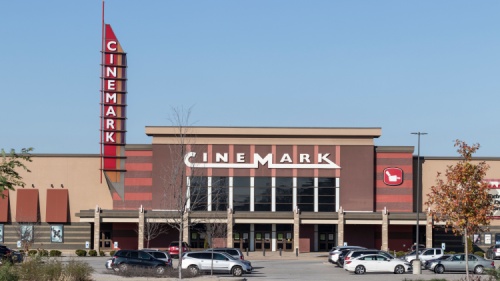
Trend-Setting Promotion Drives Visits to Cinemark

While tapping into existing pop-culture trends has the ability to drive traffic, so does creating a new one. Analysis of movie theater visits on National Popcorn Day (Sunday, January 19th, 2025) shows how initiating a trend can spur social media engagement and impact in-person traffic to physical retail spaces.

National Popcorn Day was a successful promotional holiday across the movie theater industry in 2025. Both Regal Cinemas and AMC Theatres offered popcorn-based promotions on the day, but Cinemark’s “Bring Your Own Bucket” campaign, in particular, appears to have spurred a significant foot traffic boost during the event. 

Visits to Cinemark on National Popcorn Day in 2025 increased 57.5% relative to the Sunday visit average for January and February 2025, as movie-goers showed off their out-of-the-bucket popcorn receptacles on social media. Clearly, by starting a trend that invited creativity and expression, Cinemark was able to amplify the impact of its National Popcorn Day promotion. 

The 2025 Consumer

Location intelligence illuminates some of the key trends shaping consumer behavior in 2025. The data reveals that value-driven shopping, demand for flexibility across touchpoints, and the power of unique retail moments have the power to drive consumer engagement and the success of retail categories, brands, and products.

INSIDER
Report
Hotels in the Heart of the City
Dive into the data to examine hotel visit trends across four major downtown cores: Miami, Chicago, New York, and Los Angeles.
March 10, 2025
6 minutes

Placer.ai observes a panel of mobile devices in order to extrapolate and generate visitation insights for a variety of locations across the U.S. This panel covers only visitors from within the United States and does not represent or take into account international visitors.

Downtown Occupancy On The Rise

Downtown districts in the nation’s major cities attract domestic travelers all year long with their iconic sights, lively entertainment, and diverse dining offerings. But each hub follows its own rhythm, shaped by distinct seasonal peaks and dips in visitor flow. 

This white paper examines downtown hotel visitation patterns in four of the nation’s most popular destinations for domestic tourists: Miami, Chicago, New York, and Los Angeles. Focusing on 20 downtown hotels in each city, the analysis explores seasonal variations in domestic travel, city-specific dynamics, and differentiating factors.

Miami and Chicago Take the Visit Growth Lead

Domestic tourism has rebounded strongly in recent years, and hotels in Miami and Chicago have been the biggest beneficiaries. In 2024, visits to analyzed hotels in each of these cities’ downtown areas grew by 8.9% and 7.4%, respectively, compared to 2023.  Meanwhile, hotels in downtown and midtown Manhattan saw a more modest 2.0% increase, while Los Angeles experienced a slight year-over-year (YoY) decline in downtown hotel visits. 

One factor that may be driving Miami and Chicago’s stronger performance is their higher proportion of long-distance visitors, defined as those visiting from over 250 miles away. Miami remains a top destination for snowbirds and spring breakers, while Chicago serves as a cultural and entertainment hub for the sprawling Midwest. These long-distance leisure travelers may be more likely to splurge on downtown hotel stays during their trips, helping drive hotel visit growth in the two cities. 

By contrast, hotels in the Los Angeles and Manhattan city centers drew lower shares of domestic travelers coming from less than 250 miles away. These shorter-haul domestic tourists may be less likely to splurge on downtown hotels than those taking longer vacations. Both cities are also surrounded by numerous regional getaway options that can draw long-haul leisure travelers away from their downtown cores.

Visits Peak At Different Points

Each of the four analyzed cities has its own unique ebbs and flows – and city center hotel visits reflect these patterns. Miami, with its warm, sunny climate, experiences influxes of tourists during the winter and spring, with March seeing the biggest jump in downtown hotel visits last year (13.0% above the monthly visit average). Chicago, which thrives in the summer with its many festivals and events, saw its biggest downtown hotel visit bump in August. Meanwhile, Manhattan experienced a major uptick in December, likely fueled by holiday tourism and New Year celebrations, and Los Angeles visits were highest in the summertime.

Feeling The Miami Heat

What drives these seasonal visit peaks? Miami has long been a top tourism destination, especially in early spring, when snowbirds and spring breakers flock to the city for sun and relaxation. In recent years, the city has seen a rise in short-term domestic tourism, suggesting that the city is becoming increasingly popular for weekend getaways. According to the Placer.ai Tourism Dashboard, the share of domestic tourists staying just one or two nights grew from 71.7% in March 2022 to 78.3% in March 2024.

This shift aligns with an impressive increase in the magnitude of downtown Miami’s springtime hotel visit peak: In March 2022, visits to downtown hotels were 5.0% above the monthly average for the year, a share that more than doubled by 2024 to 12.9%. 

These numbers may mean that more people are choosing to head to Miami for a quick break from the cold – and staying in downtown hotels to make the most of their short getaway.

A Taste of Chicago in the Summer

Chicago’s major August visit spike was likely driven by the Windy City’s impressive lineup of major summer festivals, from Lollapalooza to the Chicago Air and Water Show, which draw thousands of attendees from across the country. 

Lollapalooza fueled the largest visit spike to the city – between Thursday, August 1st and Sunday, August 4th, visits to downtown Chicago hotels surged between 51.1% and 63.8% above 2024 daily averages for those days of the week. The Air and Water Show and the Chicago Jazz Festival also generated significant hotel visit increases – highlighting the boost these events bring to the city’s tourism and hospitality sector.

Staying in The City That Never Sleeps

The Big Apple draws a diverse mix of visitors throughout the year. But in December – the city’s peak tourist season – visitors pour in from all over the country to skate in Rockefeller Center, browse Fifth Avenue’s festive window displays and experience the city’s unique holiday magic. 

And analyzing data from hotels in midtown and downtown Manhattan reveals a striking shift in the types of visitors who stay in the heart of NYC during the holiday season. While visitors from other urban centers dominated downtown hotel stays throughout most of the year – accounting for 47.9% of visits from January to November 2024 – their share dropped to 42.0% in December 2024. Meanwhile, the share of guests from suburban areas and small towns rose from 37.3% to 41.0%, and the share of guests from rural and semi-rural areas nearly doubled, from 3.5% to 6.1%. 

These patterns suggest that, though Manhattan typically attracts a wide range of visitors, the holiday season is uniquely appealing to tourists from smaller towns and suburban areas. Understanding these trends can provide crucial context for hotels and civic stakeholders alike as they work to maximize the opportunities presented by the city’s December visit surge. 

Tinseltown Tourism

Los Angeles hotels also experience significant demographic shifts during peak season. In July, visits to downtown LA hotels surged by 15.3% relative to the 2024 monthly visit average. And a closer look at audience segmentation data suggests a corresponding surge in the share of "Flourishing Families" – an Experian: Mosaic segment consisting of affluent, middle-aged households with children. Throughout the year, "Flourishing Families" comprised between 7.7% and 8.7% of the census block groups (CBGs) driving visits to downtown LA hotels. But in July, this share jumped to 9.9%.

These families may be taking advantage of summer vacations to enjoy Los Angeles’ cultural attractions and entertainment. Hotels and city stakeholders who understand the appeal the city holds for this demographic can better cater to them through family-friendly promotions and strategic marketing efforts to target these households.

Downtown Cores Continue to Drive Visits

Downtowns are making a comeback – and hotels in the heart of the nation’s major tourist hubs are reaping the benefits. By understanding who frequents these downtown hotels and when, local businesses and civic leaders can optimize their resource management and strategic planning to make the most of these opportunities.

INSIDER
Report
Blueprint for Recovery: Lessons From New York’s Office Comeback
Dive into the data to see how New York office visitation patterns evolved in 2024 - and uncover trends shaping Big Apple work routines heading into 2025.
February 27, 2025

Wall Street Wakeup

The New York office scene is buzzing once again, as companies from JPMorgan to Meta double down on return-to-office (RTO) mandates. But just how did New York office foot traffic fare in 2024? How did Big Apple office foot traffic compare to that of other major business hubs nationwide? And how is New York’s office recovery impacting post-COVID trends like the TGIF work week? Are office visits still concentrated mid-week, or are people coming in more on Fridays and Mondays? And how has Manhattan’s RTO affected local commuting patterns? 

We dove into the data to find out. 

Nationwide Recovery Leader

In 2024, New York City cemented its position as the nationwide leader in office recovery. Thanks in part to remote work crackdowns by banking behemoths like Goldman Sachs, Morgan Stanley, and JPMorgan, visits to NYC office buildings in 2024 were just 13.1% below pre-pandemic (2019) levels.

For comparison, Miami’s office foot traffic remained 16.2% below pre-pandemic levels, while Atlanta, Washington D.C., and Boston saw significantly larger gaps at 28.6%, 37.8%, and 43.9%, respectively.

No Slowing in Sight

Perhaps unsurprisingly given the Big Apple’s robust year-over-five-year (Yo5Y) recovery, the pace of year-over-year (YoY) visit growth to NYC office buildings was somewhat slower in 2024 than in other major East Coast business centers. Still, New York’s YoY office recovery rate of 12.4% outpaced the nationwide baseline, and came in just slightly below Washington, D.C.’s 15.2% and Atlanta’s 14.6%. 

Fridays Fizzle, Mondays Rebound, Tuesdays Surge

Interestingly, New York’s return to office has not led to a significant retreat from the TGIF work week that emerged during COVID. In 2024, just 11.9% of weekday (Monday to Friday) visits to NYC offices took place on Fridays – only slightly more than the 11.5% recorded in 2023 and significantly below the pre-pandemic baseline of 17.2%.

Meanwhile, Monday has quietly regained its footing as the dreaded start of the New York work week. After dropping significantly in 2022 and 2023, the share of weekday office visits taking place on Mondays rebounded to 18.2% in 2024 – just slightly below 2019’s 19.5%. Still, Tuesday remained the Big Apple’s busiest in-office day of the week last year, accounting for nearly a quarter (24.6%) of weekday NYC office foot traffic.

Tuesday Recovery (Nearly) Complete

And diving into Yo5Y data for each day of the work week shows just how much New York’s overall recovery is driven by mid-week visits – and especially Tuesday ones. In 2024, Friday visits to NYC office buildings were down 40.2% compared to 2019. But on Tuesdays, visits were essentially on par with pre-pandemic levels (-0.3%), even as nationwide office visits remained 24.6% below 2019.

The Office Next Door

Another post-COVID trend that has shown staying power in New York is the growing share of office visits coming from employees who live nearby. As hybrid schedules become the norm, it seems that those commuting more frequently are often just a short subway ride -or even a stroll- away.

A Steadily Growing Share of Nearby Workers

The share of NYC office workers coming from less than five miles away, for example, has risen steadily since COVID, reaching 46.0% in 2024. Over the same period, the share of workers coming from 5-10 miles, 10-15 miles, or 25+ miles away has declined.

Outpacing Other Markets in Short Commutes

Looking at commuting trends across the East Coast helps put New York City’s shift into perspective. In 2019, NYC’s share of nearby commuters was on par with Washington, D.C. and slightly below Boston. But while both cities experienced moderate increases in local commuters between 2019 and 2024, New York pulled ahead, outpacing all other analyzed cities in its share of nearby office workers last year.

Miami and Atlanta – two other standout cities in office recovery – also saw significant growth in the percentage of short-distance commuters over the past five years. This trend underscores a broader shift: As hybrid work reshapes commuting habits, employees across multiple markets are more likely to go into the office if they live nearby, reducing reliance on long-haul commutes.

A Big Apple Bellweather

As the nation’s office recovery leader, New York offers a glimpse into what other cities can expect as office visitation rates continue to improve. Even at just 13.1% below pre-pandemic levels, NYC office visit levels continue to rise. And as recovery nears completion, trends that took hold during COVID remain firmly entrenched.

Loading results...
We couldn't find anything matching your search.
Browse one of our topic pages to help find what you're looking for.
For more in-depth analyses on a variety of subjects, explore Reports.
The Anchor Logo
INSIDER
Stay Anchored: Subscribe to Insider & Unlock more Foot Traffic Insights
Gain insider insights with our in-depth analytics crafted by industry experts
— giving you the knowledge and edge to stay ahead.
Subscribe