Skip to Main Content
Thank you! Your submission has been received!
Oops! Something went wrong while submitting the form.
0
0
0
0
----------
0
0
Articles
Article
Seasonal Foot Traffic Trends Tells a Tale of Two Types of Retail Corridors
Foot traffic trends reveal that flagship-led and lifestyle-driven retail corridors vary in their seasonal foot traffic patterns, but both types of corridors are poised for a busy end to the holiday season.
Ezra Carmel
Dec 19, 2025
2 minutes

Retail corridors have long been central to the holiday experience, offering festive spaces for shopping and intricate window displays to admire. But retail corridors can vary significantly – some cluster large global flagship stores, while others lean into smaller regional formats and boutique-style shops, creating a more lifestyle-oriented setting for spending time with friends and family.

We dove into the data for these two types of retail corridors to explore the foot traffic trends defining each space this holiday season. 

End-of-Year Traffic Boost Particularly Strong For Flagship-Led Corridors

Flagship-led corridors such as SoHo in New York City and Union Square in San Francisco typically see their visitation peak in December, when consumers come to browse elegant window displays, holiday lights, and seasonal attractions – often turning a shopping trip into a full outing with friends or family. Union Square’s towering Macy’s Christmas tree, outdoor ice rink, and “Winter Walk” draw crowds looking for a quintessential holiday atmosphere. And SoHo, home to numerous high-end flagship stores, remains one of Manhattan’s most sought-after luxury shopping districts during the holidays. 

Both corridors have seen rising visits throughout 2025, suggesting that their December 2025 lifts could exceed last year’s levels.

Lifestyle-Driven Retail Corridors See Strong Lift in Spring & Summer 

However, retail corridors that center on boutiques, independent retailers, and lifestyle-oriented offerings rather than global luxury flagships – like Back Bay in Boston and South Congress Avenue in Austin – follow a different seasonal rhythm. Rather than peaking at year-end, visits to these districts spike earlier in the calendar. 

Back Bay perhaps benefits from “Open Newbury,” the summer program that closes Newbury Street to vehicular traffic and turns the corridor into a pedestrian promenade, while South Congress sees heightened activity in the spring, before the Texas heat arrives. Both have also seen solid visit growth in 2025, indicating the potential for a healthy December – even if holiday foot traffic plays a smaller role in their overall annual performance compared to flagship-led districts.

Positioning Retail Corridors for a Strong 2026

As both flagship-led and lifestyle-driven corridors head into December with solid year-to-date momentum, high street retailers have a clear opportunity to capitalize on distinct seasonal strengths. Flagship districts should be prepared for an especially pronounced holiday surge, while lifestyle-oriented corridors can focus on converting growing spring and summer foot traffic bumps into sustained engagement year-round. 

For more foot traffic insights, visit Placer.ai/anchor

Placer.ai leverages a panel of tens of millions of devices and utilizes machine learning to make estimations for visits to locations across the US. The data is trusted by thousands of industry leaders who leverage Placer.ai for insights into foot traffic, demographic breakdowns, retail sale predictions, migration trends, site selection, and more.

Article
E-Commerce Strength Outpaces Manufacturing Weakness Going Into 2026
Placer.ai analysis reveals a two-speed economy heading into 2026: E-commerce fulfillment traffic surged 6.6% in November, outpacing a 3.5% decline in manufacturing activity.
Shira Petrack
Dec 18, 2025
2 minutes

Manufacturing Softness Heading Into December

Traffic for manufacturing facilities included in the Placer.ai Manufacturing Index declined 3.5% year over year (YoY) in November 2025, indicating reduced operational intensity that may reflect fewer production shifts, lower output volumes, or scaled-back facility utilization. While part of the decline reflects calendar shifts – November 2025 contained one fewer working day than the prior year – the broader trend aligns with official data. The ISM Manufacturing PMI remained in contraction during the month, underscoring a subdued end to 2025 for the U.S. manufacturing sector.

E-Commerce Fulfillment Traffic Peaked in November 

But even as macro headwinds weighed on other parts of the economy – particularly goods production – e-commerce operators seem to be scaling capacity, expanding hiring, and investing in distribution efficiency. This momentum is reflected in visit gains to e-commerce fulfillment facilities nationwide, with November posting the strongest growth of 2025 at 6.6% YoY.

The consistent upward trajectory in foot traffic indicates that digital retail channels remain a key engine of economic activity, with robust consumer demand fueling the growth of fulfillment networks despite broader industrial softness. The steady gains through the fall in particular suggest that operators are expecting strong holiday demand and are well prepared to handle it.

Two-Speed Economy Heading Into 2026

The softness of the Industrial Index combined with the strength of the E-Commerce Distribution Index highlights a growing paradox: manufacturing activity is weakening even as consumer demand remains firm. 

This divergence is likely due to a confluence of factors. Consumer spending may be flowing toward lower-cost online goods and everyday essentials rather than the higher-priced durable goods that drive factory output. Retailers may also be working through excess inventories and placing fewer new orders, while high interest rates make it more expensive for businesses to invest in equipment or expand production. Together, these dynamics point to a two-speed economy heading into 2026 – one powered by resilient consumption and digital commerce, while traditional production continues to recalibrate.

For more data-driven consumer insights, visit placer.ai/anchor

Placer.ai leverages a panel of tens of millions of devices and utilizes machine learning to make estimations for visits to locations across the US. The data is trusted by thousands of industry leaders who leverage Placer.ai for insights into foot traffic, demographic breakdowns, retail sale predictions, migration trends, site selection, and more. 

Article
How Much Does Price Really Matter to Today’s Dining Consumer?
Experience-Promoting Offers and LTOs at McDonald’s and Burger King are outperforming discounts, revealing how value and pricing expectations are evolving across the dining industry.
Shira Petrack
Dec 17, 2025
3 minutes

With budgets stretched and food inflation lingering, many dining concepts assume that value – specifically, a compelling price-per-food-item ratio – is the key to driving traffic in 2025. And this approach may work: chains like Chili's have shown that an array of deals – such as the 3 For Me and the Triple Dipper Deal – has helped the casual dining brand significantly outpace the wider dining category for more than a year. 

But looking at recent QSR traffic trends suggests a more nuanced story. At both McDonald’s and Burger King, the strongest visit lifts in recent months came from experiential promotions and culturally resonant LTOs – not from discounts.

Boo Buckets & The Grinch Meal Outperform Extra Value Meals

McDonald’s reintroduced its Extra Value Meals on September 8, 2025 – but despite substantial promotional support, the rollout produced only a modest uptick in visits that week. And while traffic improved slightly in the weeks that followed, analyzing recent foot traffic trends highlights that the real inflection points came from experiential activations. 

The return of Monopoly, which gave registered app users the chance to win prizes ranging from free food to high-value rewards, sustained elevated visits for weeks through gamification. Boo Buckets sparked a Halloween-season surge driven by nostalgia and collectability and drove a 10.8% increase in weekly visits compared to the January to August weekly visit average. And The Grinch Meal generated the strongest spike of the entire period by tapping into holiday IP and playful packaging. This data highlights that while consumers may appreciate affordability, moments that feel fun, shareable, and culturally relevant may sometimes be more effective at bringing them through the door. 

LTOs Outperform Deal Weaks at Burger King 

Burger King’s recent performance shows a similar pattern. The rollout of the limited-time Monster Menu generated a stronger visit lift than either Treat Week or Perks Week, both of which focused on giveaways and discounts. The debut of the chain’s nearly $20 Advent Calendar also outperformed Treat Week and Perks Week, underscoring how novelty and excitement may have a greater impact than price-based incentives. 

And the strongest surge came with the debut of the SpongeBob Menu, which produced the strongest spike of the entire period and pushed weekly visits well above the January to August average. By pairing a beloved character franchise with themed packaging, kids’ meal tie-ins, and a sense of occasion, Burger King tapped into the same emotional drivers fueling McDonald’s biggest wins.

Designing Value for 2026: Different Playbooks for QSR and Full-Service Chains

While price sensitivity will likely continue to influence dining decisions in 2026, recent QSR data underscores an important point: Consumers may be watching their wallets, but price alone doesn’t determine where they choose to eat. Chili’s success shows that a compelling value platform can be a powerful differentiator in full-service dining, where the experience is already baked into the visit. But the same strategy doesn’t automatically translate to the QSR landscape, where affordability is expected and price-based promotions quickly blur together. 

Consumers still care about value – but value now spans both price and experience. For full-service restaurants, this means leaning harder into the affordability side of that equation. With ambiance, service, and hospitality already part of the offering, emphasizing everyday value or reliable deal structures may help guests justify dining out more often.

For QSR brands, the calculus is different, and price alone may not be enough to unlock meaningful incremental traffic. Instead, traffic data shows that the strongest results in the QSR space come from experience-driven LTOs, cultural tie-ins, and moments that feel fun, collectible, or social. In other words, fast-food chains may need to focus less on matching grocery-store economics and more on delivering the kind of excitement consumers simply can’t get at home.

As budgets remain tight and expectations continue to evolve, the brands that win won’t be those that chase the lowest price – but those that understand how to deliver the right kind of value for their category: affordability where it matters, and memorable experiences where it counts.

For more data-driven insights, visit placer.ai/anchor

Placer.ai leverages a panel of tens of millions of devices and utilizes machine learning to make estimations for visits to locations across the US. The data is trusted by thousands of industry leaders who leverage Placer.ai for insights into foot traffic, demographic breakdowns, retail sale predictions, migration trends, site selection, and more.  

Article
Die-hard Shoppers Pack the Citadel for 27-Hour Shopping Marathon
Citadel Outlets' 27-hour Black Friday marathon drew dedicated, value-driven shoppers, generating a major Thanksgiving traffic surge and expanding the mall’s trade area through festive experiences and early store openings
Caroline Wu
Dec 16, 2025
2 minutes

Thanksgiving Night Opening Drove Exceptional Traffic

Black Friday deals may now be spread throughout the month of November – but for the Citadel Outlet’s most passionate shoppers, nothing beats the rush of standing in line with thousands of other eager customers awaiting the chance to be the first to scoop up deals. This year, the mall opened on Thanksgiving night once again – and the foot-traffic data shows that shoppers responded. While most malls in California and across the country saw visits plunge on the holiday, Citadel Outlets experienced a significant surge in traffic, despite being open for only a limited window.

27-Hour Shopping Marathon Attracted Dedicated Shoppers

Citadel Outlet as a whole opened Thanksgiving evening at 8pm, with certain stores opening even earlier at 4pm or 6pm. Black Friday sale hours ran until 11pm on Friday, giving these marathon shoppers 27 hours of continuous shopping. People driving northbound on the 5 freeway post-Thanksgiving dinner would have come across lines of cars visible already waiting to get into the Citadel parking lot to get a start on holiday shopping and burn off that turkey by hitting their step count. Once there, exciting experiences awaited, such as a giant Christmas tree and a gingerbread man scavenger hunt.

A quarter of visits to the Citadel on Thursday/Friday actually took place on the Thursday of Thanksgiving itself.

Value Seekers & Younger Shoppers Led the Charge

Value seekers came out in abundance, led by Melting Pot Families, Near-Urban Diverse Families, and City Hopefuls per Spatial.ai’s Personalive.

Citadel Outlets Pulled From an Exceptionally Wide Trade Area

Angelenos were willing to come from afar, with the Citadel shoppers encompassing a whopping 255.5 mile trade area to score their deals on Black Friday alone. They say shopping is a marathon and it appears that for these dedicated customers, nothing beats the thrill of the chase when it comes to saving money.

Ultimately, Citadel Outlets’ Black Friday performance suggests that immersive experiences, extended hours, and a strong value proposition can still transform holiday shopping into a destination-worthy event.

For more data-driven retail insights, visit placer.ai/anchor

Placer.ai leverages a panel of tens of millions of devices and utilizes machine learning to make estimations for visits to locations across the US. The data is trusted by thousands of industry leaders who leverage Placer.ai for insights into foot traffic, demographic breakdowns, retail sale predictions, migration trends, site selection, and more.  

Article
Candle Day 2025 Highlights Enduring Pull of Strong Brands & Good Deals
Candle Day’s performance in 2025 highlights how value-driven promotions and strong brand loyalty can sustain discretionary spending even in a cautious consumer climate.
Shira Petrack
Dec 15, 2025
2 minutes

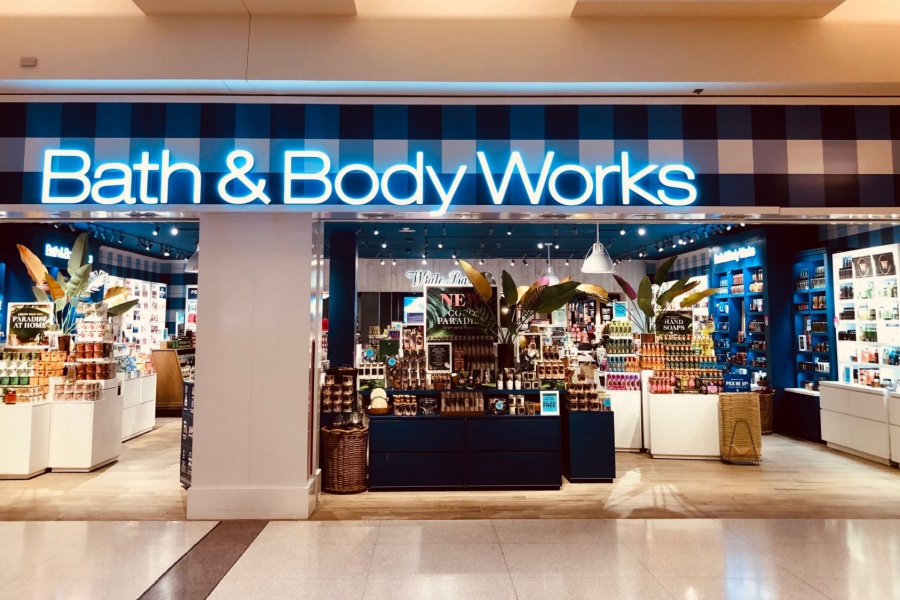
Strong In-Store Traffic on Candle Day Sale

This year’s Candle Day once again drew eager shoppers to Bath & Body Works in search of deeply discounted candles. The in-store portion of the annual sale ran from December 5th through December 7th, 2025, during which traffic increased 266.8% compared to the chain's January to November daily average – a larger boost than that generated by the sale in both 2023 and 2024. This impressive visit surge suggests that shoppers are still willing to invest in affordable, emotionally resonant, or tradition-linked discretionary goods, provided the perceived value is high. 

Candle Day Sparks Early-Morning Rush 

The sale also drove a noticeable spike in morning traffic, with roughly one-fifth of visits occurring before noon during Candle Day – up from the typical 17.1%.

Seasonal Rituals and Brand Power Sustain Consumer Demand

Candle Day's strong showing highlights how brand appeal and strong value can still generate strong consumer interest – even as household budgets remain under pressure. 

By pairing compelling pricing with strong brand identity and holiday timing, Bath & Body Works has succeeded in turning a discretionary product into a seasonal ritual that reliably drives engagement. Much like Starbucks’ Pumpkin Spice Latte phenomenon – where limited availability and emotional resonance generate recurring traffic spikes – Candle Day leverages anticipation, tradition, and value to prompt purchases that might otherwise be deprioritized. 

For more data-driven insights, visit placer.ai/anchor

Placer.ai leverages a panel of tens of millions of devices and utilizes machine learning to make estimations for visits to locations across the US. The data is trusted by thousands of industry leaders who leverage Placer.ai for insights into foot traffic, demographic breakdowns, retail sale predictions, migration trends, site selection, and more.  

Article
Starbucks and Dunkin’s LTOs Boost Traffic
As the 2025 holiday season kicks off, Starbucks and Dunkin’ continue to see strong consumer engagement, with both brands outperforming their 2024 traffic levels and capitalizing on early seasonal launches.
Shira Petrack
Dec 12, 2025
2 minutes

As the 2025 holiday season kicks off, Starbucks and Dunkin’ continue to see strong consumer engagement, with both brands outperforming their 2024 traffic levels and capitalizing on early seasonal launches.

Q3 2025: Strong Recovery for Both Coffee Giants

Both Starbucks and Dunkin’ outperformed their 2024 traffic levels in Q3 2025. Starbucks visits rose 0.7% year-over-year in Q3, following slight declines in Q1 (-1.0%) and Q2 (-0.2%). Dunkin’ showed a similar trajectory – rebounding from a 1.8% drop in Q1 to a 1.7% increase in both Q2 and Q3.

These gains suggest that both brands have successfully reignited customer visits heading into the critical holiday season, when limited-time drinks and seasonal marketing tend to drive engagement.

Holiday Menu Drives Traffic 

The weekly data highlights the impact of seasonal offerings in the coffee space. Starbucks’ Bearista launch – on the same day as the holiday menu rollout – proved to be a major traffic driver, propelling visits up 11.9% year-over-year during the week of its launch. And the strong visit trends continued the following week with a 6.2% YoY increase, helped by an impressive “Red Cup Day” performance and highlighting Starbucks' capacity for generating demand with limited-time offerings.

Meanwhile, Dunkin’s Wicked collab – announced along with its holiday menu rollout – also generated traffic boosts, with visits up 3.5% to 3.6% YoY during the two weeks following the launch. 

As competition in the coffee category intensifies, both brands’ early-season success highlights the growing importance of timing and tradition in driving visit growth.

For more data-driven consumer insights, visit placer.ai/anchor

Placer.ai leverages a panel of tens of millions of devices and utilizes machine learning to make estimations for visits to locations across the US. The data is trusted by thousands of industry leaders who leverage Placer.ai for insights into foot traffic, demographic breakdowns, retail sale predictions, migration trends, site selection, and more.  

Reports
INSIDER
Report
3 Trends Shaping the Grocery Sector Right Now
Discover the 2025 grocery sector trends driving growth across value, fresh, traditional, and ethnic formats. Learn how shifting consumer behavior, bifurcated spending, and short-trip missions are reshaping retail competition.
Placer Research
September 22, 2025

Key Takeaways 

1) Broad-based growth: All four grocery formats grew year-over-year in Q2 2025, with traditional grocers posting their first rebound since early 2024.

2) Value grocers slow: After leading during the 2022–24 trade-down wave, value grocer growth has decelerated as that shift matures.

3) Fresh formats surge: Now the fastest-growing segment, fueled by affluent shoppers seeking health, wellness, and convenience.

4) Bifurcation widens: Growth concentrated at both the low-income (value) and high-income (fresh) ends, highlighting polarized spending.

5) Shopping missions diverge: Short trips are rising, supporting fresh formats, while traditional grocers retain loyal stock-up customers and value chains capture fill-in trips through private labels.

6) Traditional grocers adapt: H-E-B and Harris Teeter outperformed by tailoring strategies to their core geographies and demographics.Bifurcation of Consumer Spending Help Fresh Format Lead Grocery Growth

Growth Across Grocery Formats

Grocery traffic across all four major categories – value grocers, fresh format, traditional grocery, ethnic grocers – was up year over year in Q2 2025 as shoppers continue to engage with a wide range of grocery formats. Traditional grocery posted its first YoY traffic increase since Q1 2024, while ethnic grocers maintained their steady pattern of modest but consistent gains.

Value Grocers Growth Slows as Trade-Down Effect Matures

Value grocers, which dominated growth through most of 2024 as shoppers prioritized affordability, continued to expand but have now ceded leadership to fresh-format grocers. Rising food costs between 2022 and 2024 drove many consumers to chains like Aldi and Lidl, but much of this “trade-down” movement has already occurred. Although price sensitivity still shapes consumer choices – keeping the value segment on an upward trajectory – its growth momentum has slowed, making it less of a driver for the overall sector.

Affluent Shoppers Drive Major Gains for Fresh-Format Grocers

Fresh-format grocers have now taken the lead, posting the strongest YoY traffic gains of any category in 2025. This segment, anchored by players like Sprouts, appeals to the highest-income households of the four categories, signaling a growing influence of affluent shoppers on the competitive grocery landscape. Despite accounting for just 7.0% of total grocery visits in H1 2025, the segment’s rapid gains point to a broader shift: premium brands emphasizing health and wellness are emerging as the primary engine of growth in the grocery sector.

Bifurcation of Spending Reshaping Grocery

The fact that value grocers and fresh-format grocers – segments with the lowest and highest median household incomes among their customer bases – are the two categories driving the most growth underscores how the bifurcation of consumer spending is playing out in the grocery space as well. On one end, price-sensitive shoppers continue to seek out affordable options, while on the other, affluent consumers are fueling demand for premium, health-oriented formats. This dual-track growth pattern highlights how widening economic divides are reshaping competitive dynamics in grocery retail.

Bottom Line: 

1) Broad-based growth: All four grocery categories posted YoY traffic gains in Q2 2025.

2) Traditional grocery rebound: First YoY increase since Q1 2024.

3) Ethnic grocers: Continued steady but modest upward trend.

4) Value grocers: Still growing, but slowing after most trade-down activity already occurred (2022–24).

5) Fresh formats: Now the fastest-growing segment, driven by affluent shoppers and interest in health & wellness.

6) Market shift: Premium, health-oriented brands are becoming the new growth driver in grocery.

7) Bifurcation of spending: Growth at both value and fresh-format grocers highlights a polarization in consumer spending patterns that is reshaping grocery competition.

Consumers Turn to Different Grocery Formats for Different Needs

The Rise of Short Trips

Over the past two years, short grocery trips (under 10 minutes) have grown far more quickly than longer visits. While they still make up less than one-quarter of all U.S. grocery trips, their steady expansion suggests this behavioral shift is here to stay and that its full impact on the industry has yet to be realized.

Fresh Formats Capture Quick Missions

One format particularly aligned with this trend is the fresh-format grocer, where average dwell times are shorter than in other categories. Yet despite benefiting from the rise of convenience-driven shopping, fresh formats attract the smallest share of loyal visitors (4+ times per month). This indicates they are rarely used for a primary weekly shop. Instead, they capture supplemental trips from consumers looking for specific needs – unique items, high-quality produce, or a prepared meal – who also value the ability to get in and out quickly.

Traditional Grocers Built on Loyalty

In contrast, leading traditional grocers like H-E-B and Kroger thrive on a classic supermarket model built around frequent, comprehensive shopping trips. With the highest share of loyal visitors (38.5% and 27.6% respectively), they command a reliable customer base coming for full grocery runs and taking time to fill their carts. 

Value Grocers as “Fill-In” Players

Value grocers follow a different, but equally effective playbook. Positioned as primary “fill-in” stores, they sit between traditional and fresh formats in both dwell time and visit frequency. Many rely on limited assortments and a heavy emphasis on private-label goods, encouraging shoppers to build larger baskets around basics and store brands. Still, the data suggests consumers reserve their main grocery hauls for traditional supermarkets with broader selections, while using value grocers to stretch budgets and stock up on essentials.

Bottom Line: 

1) Short trips surge: Under-10-minute visits have grown fastest, signaling a lasting behavioral shift.

2) Fresh formats thrive on convenience: Small footprints, prepared foods, and specialty items align with quick missions.

3) Traditional grocers retain loyalty: Traditional grocers such as H-E-B and Kroger attract frequent, comprehensive stock-up trips.

4) Value grocers fill the middle ground: Limited assortments and private label drive larger baskets, but main hauls remain with traditional supermarkets.

5) Fresh formats as supplements: Fresh format grocers such as The Fresh Market capture quick, specialized trips rather than weekly shops.

The Right Strategy Can Drive Growth For Traditional Grocers 

Traditional Grocers Can Still Win

While broad market trends favor value and fresh-format grocers, certain traditional grocers are proving that a tailored strategy is a powerful tool for success. In the first half of 2025, H-E-B and Harris Teeter significantly outperformed their category's modest 0.6% average year-over-year visit growth, posting impressive gains of 5.6% and 2.8%, respectively. Their success demonstrates that even in a polarizing environment, there is ample room for traditional formats to thrive by deeply understanding and catering to a specific target audience.

Different Paths, Same Focus

These two brands achieve their success with distinctly different, yet equally focused, demographic strategies. H-E-B, a Texas powerhouse, leans heavily into major metropolitan areas like Austin and San Antonio. This urban focus is clear, with 32.6% of its visitors coming from urban centers and their peripheries, far above the category average. Conversely, Harris Teeter has cultivated a strong following in suburban and satellite cities in the South Atlantic region, drawing a massive 78.3% of its traffic from these areas. This deliberate targeting shows that knowing your customer's geography and lifestyle remains a winning formula for growth.

Bottom Line: 

1) Traditional grocers can still be competitive: H-E-B (+5.6% YoY) and Harris Teeter (+2.8% YoY) outpaced the category average of +0.6% in H1 2025.

2) H-E-B’s strategy: Strong urban focus, with 32.6% of traffic from major metro areas like Austin and San Antonio.

3) Harris Teeter’s strategy: Suburban and satellite city focus, with 78.3% of traffic from South Atlantic suburbs.

INSIDER
Report
Emerging Trends for CRE in 2025
This Placer Snapshot examines the evolution of key industries impacting commercial real estate. We explore the shifting dynamics of office visits, the recovery of shopping centers, and population growth patterns across the United States in 2025.
August 28, 2025
INSIDER
Report
A New Era for Retail Giants: Who’s Winning in 2025?
Find out how the Dollar General, Dollar Tree, and Costco's hyper growth have changed the retail landscape and see how Walmart and Target can stay competitive in today's value-driven market.
August 21, 2025

Key Takeaways:

1. The hypergrowth of Costco, Dollar Tree, and Dollar General between 2019 and 2025 has fundamentally changed the brick-and-mortar retail landscape. 

2. Overall visits to Target and Walmart have remained essentially stable even as traffic to the new retail giants skyrocketed – so the increased competition is not necessarily coming at legacy giants' expense. Instead, each retail giant is filling a different need, and success now requires excelling at specific shopping missions rather than broad market dominance.

3. Cross-shopping has become the new normal, with Walmart and Target maintaining their popularity even as their relative visit shares decline, creating opportunities for complementary rather than purely competitive strategies.

4. Dollar stores are rapidly graduating from "fill-in" destinations to primary shopping locations, signaling a fundamental shift in how Americans approach everyday retail.

5. Walmart still enjoys the highest visit frequency, but the other four chains – and especially Dollar General – are gaining ground in this realm.

6. Geographic and demographic specialization is becoming the key differentiator, as each chain carves out distinct niches rather than competing head-to-head across all markets and customer segments.

Shifting Retail Dynamics

Evolving shopper priorities, economic pressures, and new competitors are reshaping how and where Americans buy everyday goods. And as value-focused players gain ground, legacy retail powerhouses are adapting their strategies in a bid to maintain their visit share. In this new consumer reality, shoppers no longer stick to one lane, creating a complex ecosystem where loyalty, geography, and cross-visitation patterns – not just market share – define who is truly winning.

This report explores the latest retail traffic data for Walmart, Target, Costco, Dollar Tree, and Dollar General to decode what consumers want from retail giants in 2025. By analyzing visit patterns, loyalty trends, and cross-shopping shifts, we reveal how fast-growing chains are winning over consumers and uncover the strategies helping legacy players stay competitive in today's value-driven retail landscape. 

The New Competitive Landscape

Dollar General, Dollar Tree, and Costco's Hypergrowth Since 2019 

In 2019, Walmart and Target were the two major behemoths in the brick-and-mortar retail space. And while traffic to these chains remains close to 2019 levels, overall visits to Dollar General, Dollar Tree, and Costco have increased 36.6% to 45.9% in the past six years. Much of the growth was driven by aggressive store expansions, but average visits per location stayed constant (in the case of Dollar Tree) or grew as well (in the case of Dollar General and Costco). This means that these chains are successfully filling new stores with visitors – consumers who in the past may have gone to Walmart or Target for at least some of the items now purchased at wholesale clubs and dollar stores. 

This substantial increase in visits to Costco, Dollar General, and Dollar Tree has altered the competitive landscape in which Walmart and Target operate. In 2019, 55.9% of combined visits to the five retailers went to Walmart. Now, Walmart’s relative visit share is less than 50%. Target received the second-highest share of visits to the five retailers in 2019, with 15.9% of combined traffic to the chains. But Between January and July 2025, Dollar General received more visits than Target – even though the discount store had received just 12.1% of combined visits in 2019.

Some of the growth of the new retail giants could be attributed to well-timed expansion. But the success of these chains is also due to the extreme value orientation of U.S. consumers in recent years. Dollar General, Dollar Tree, and Costco each offer a unique value proposition, giving today's increasingly budget-conscious shoppers more options.

The Role of Each Retail Giant in the Wider Retail Ecosystem

Walmart’s strategy of "everyday low prices" and its strongholds in rural and semi-rural areas reflect its emphasis on serving broad, value-focused households – often catering to essential, non-discretionary shopping. 

Dollar General serves an even larger share of rural and semi-rural shoppers than Walmart, following its strategy of bringing a curated selection of everyday basics to underserved communities. The retailer's packaging is typically smaller than Walmart's, which allows Dollar General to price each item very affordably – and its geographic concentration in rural and semi-rural areas also highlights its direct competition to Walmart. 

By contrast, Target and Costco both compete for consumer attention in suburban and small city settings, where shopper profiles tilt more toward families seeking one-stop-shopping and broader discretionary offerings. But Costco's audience skews slightly more affluent – the retailer attracts consumers who can afford the membership fees and bulk purchasing requirements – and its visit growth may be partially driven by higher income Target shoppers now shopping at Costco. 

Dollar Tree, meanwhile, showcases a uniquely balanced real estate strategy. The chain's primary strength lies in suburban and small cities but it maintains a solid footing in both rural and urban areas. The chain also offers a unique value proposition, with a smaller store format and a fixed $1.25 price point on most items. So while the retailer isn't consistently cheaper than Walmart or Dollar General across all products, its convenience and predictability are helping it cement its role as a go-to chain for quick shopping trips or small quantities of discretionary items. And its versatile, three-pronged geographic footprint allows it to compete across diverse markets: Dollar Tree can serve as a convenient, quick-trip alternative to big-box retailers in the suburbs while also providing essential value in both rural and dense urban communities.

As each chain carves out distinct geographic and demographic niches, success increasingly depends on being the best option for particular shopping missions (bulk buying, quick trips, essential needs) rather than trying to be everything to everyone.

Cross-Shopping on the Rise Despite Visit Share Shuffle

Still, despite – or perhaps due to – the increased competition, shoppers are increasingly spreading their visits across multiple retailers: Cross-shopping between major chains rose significantly between 2019 and 2025. And Walmart remains the most popular brick-and-mortar retailer, consistently ranking as the most popular cross-shopping destination for visitors of every other chain, followed by Target.

This creates an interesting paradox when viewed alongside the overall visit share shift. Even as Walmart and Target's total share of visits has declined, their importance as a secondary stop has actually grown. This suggests that the legacy retail giants' dip in market share isn't due to shoppers abandoning them. Instead, consumers are expanding their shopping routines by visiting other growing chains in addition to their regular trips to Walmart and Target, effectively diluting the giants' share of a larger, more fragmented retail landscape.

Cross-visitation to Costco from Walmart, Target, and Dollar Tree also grew between 2019 and 2025, suggesting that Costco is attracting a more varied audience to its stores.

But the most significant jumps in cross-visitation went to Dollar Tree and Dollar General, with cross-visitation to these chains from Target, Walmart, and Costco doubling or tripling over the past six years. This suggests that these brands are rapidly graduating from “fill-in” fare to primary shopping destinations for millions of households.

The dramatic rise in cross-visitation to dollar stores signals an opportunity for all retailers to identify and capitalize on specific shopping missions while building complementary partnerships rather than viewing every chain as direct competition. 

Competition For Visit Frequency in a Fragmented Retail Landscape 

Walmart’s status as the go-to destination for essential, non-discretionary spending is clearly reflected in its exceptional loyalty rates – nearly half its visitors return at least three times per month on average -between  January to July 2025, a figure virtually unchanged since 2019. This steady high-frequency visitation underscores how necessity-driven shopping anchors customer routines and keeps Walmart atop the retail loyalty ranks. 

But the data also reveals that other retail giants – and Dollar General in particular – are steadily gaining ground. Dollar General's increased visit frequency is largely fueled by its strategic emphasis on adding fresh produce and other grocery items, making it a viable everyday stop for more households and positioning it to compete more directly with Walmart.

Target also demonstrates a notable uptick in loyal visitors, with its share of frequent shoppers visiting at least three times a month rising from 20.1% to 23.6% between 2019 and 2025. This growth may suggest that its strategic initiatives – like the popular Drive Up service, same-day delivery options, and an appealing mix of essentials and exclusive brands – are successfully converting some casual shoppers into repeat customers. 

Costco stands out for a different reason: while overall visits increased, loyalty rates remained essentially unchanged. This speaks to Costco’s unique position as a membership-based outlet for targeted bulk and premium-value purchases, where the shopping behavior of new visitors tends to follow the same patterns as those of its  already-loyal core. As a result, trip frequency – rooted largely in planned stock-ups – remains remarkably consistent even as the warehouse giant grows foot traffic overall. 

Dollar Tree currently has the smallest share of repeat visitors but is improving this metric. As it successfully encourages more frequent trips and narrows the loyalty gap with its larger rivals, it's poised to become an increasing source of competition for both Target and Costco.

The increase in repeat visits and cross-shopping across the five retail giants showcases consumers' current appetite for value-oriented mass merchants and discount chains. And although the retail giants landscape may be more fragmented, the data also reveals that the pie itself has grown significantly – so the increased competition does not necessarily need to come at the expense of legacy retail giants. 

The Path Forward

The retail landscape of 2025 demands a fundamental shift from zero-sum competition to strategic complementarity, where success lies in owning specific shopping missions rather than fighting for total market dominance. Retailers that forego attempting to compete on every front and instead clearly communicate their mission-specific value propositions – whether that's emergency runs, bulk essentials, or family shopping experiences – may come out on top. 

Loading results...
We couldn't find anything matching your search.
Browse one of our topic pages to help find what you're looking for.
For more in-depth analyses on a variety of subjects, explore Reports.
The Anchor Logo
INSIDER
Stay Anchored: Subscribe to Insider & Unlock more Foot Traffic Insights
Gain insider insights with our in-depth analytics crafted by industry experts
— giving you the knowledge and edge to stay ahead.
Subscribe