Skip to Main Content
Thank you! Your submission has been received!
Oops! Something went wrong while submitting the form.
0
0
0
0
----------
0
0
Articles
Article
Allbirds: Flying Towards New Opportunities
Allbirds rose to prominence during the direct-to-consumer (DTC) boom, quickly gaining a loyal following. But the brand faced challenges in recent years and closed some stores to optimize its fleet. How has this shift impacted foot traffic? We take a closer look.
Bracha Arnold
Mar 10, 2025
2 minutes

Allbirds rose to prominence during the direct-to-consumer (DTC) boom, quickly gaining a loyal following. However, the brand faced challenges in recent years and, in 2024, made a strategic pivot to optimize its store fleet and significantly rightsize its retail footprint. How has this shift impacted foot traffic? We took a closer look.

Rightsizing Efforts Paying Off

Allbirds closed almost a third of its U.S. store fleet in the first three quarters of 2024 – downsizing from 45 U.S. stores at the end of 2023 to 31 stores as of September 2024 – leading to expected declines in overall visit numbers. But as the number of Allbirds stores in operation fell, visits per location increased steadily – suggesting that the company is successfully consolidating its physical footprint and funneling visitors to its most successful stores.

California Dreamin’ 

While Allbirds has locations in a number of states across the country, its main stronghold remains its home state of California. And diving into the visit data reveals that its rightsizing strategy has paid off handsomely in the state, with YoY visits per location surging by 28.2% in January 2025 compared to 19.8% YoY growth nationwide, suggesting that Allbirds is successfully optimizing its footprint to focus on high-performing markets.

Concentrating Stores in Wealthier Areas

Rightsizing typically allows brands to focus on their best-performing markets – and it looks like Allbirds has succeeded in that regard. Between January 2024 and January 2025, the median household income (HHI) in Allbirds’ captured market rose from $108.5K to $125.6K. Similarly, the share of "Educated Urbanites" and "Ultra-Wealthy Families" Spatial.ai: PersonaLive segments increased, indicating that the brand is now catering to a more affluent visitor base that could help it weather economic uncertainties and wider retail challenges.

Sprinting Ahead

Allbirds’ strategic repositioning seems to be delivering some of the desired results. By focusing efforts on high-performance locations and the shopper experience, the brand is seeing higher visits per location and a more engaged customer base.

Will Allbirds continue to soar?

Visit Placer.ai to find out. 

Article
Placer.ai Mall Index: February 2025
With 2025 firmly underway, how are mall visits performing? We took a look at February's data to find out.
Shira Petrack
Mar 7, 2025
3 minutes

Mall Visits Held Steady in February 

Last year was a leap year, so February 2025 had one less day than February 2024 – leading to dips in year-over-year (YoY) monthly comparisons across the board, including in the mall space.

But comparing YoY at average daily visits – a more accurate analysis of YoY performance when comparing a regular year to a leap year – reveals that visits to indoor malls and open-air shopping centers held relatively stable in February 2025, despite the sharp drop in consumer confidence. And both mall types outperformed the wider retail YoY average – highlighting the ongoing resilience of the retail format.

Meanwhile, outlet malls continued lagging behind both overall retail numbers and the other two mall types. This mall type tends to attract a slightly lower-income visitor base, which could be more susceptible to economic uncertainties – and outlet mall shoppers may have avoided long travels in the cold, preferring to look for discounted items online or in off-price stores closer to home.

Valentine’s Day Boost

Malls’ unique position as both shopping centers and entertainment hubs likely contributed to malls’ stable February visitation patterns amidst the wider consumer headwinds. All three mall types saw significant visit increases on Valentine’s Day (February 14th) along with a rise in the share of evening (7 PM to 10 PM) visits. At the same time, only outlet malls saw a slight increase in the share of shorter visits (under 30 minutes) on Valentine’s Day.

This data suggests that malls played a role in many consumers’ Valentine’s Day celebrations – both in serving as a one-stop shop for gifts and as a centralized place with a variety of dining and entertainment options for the perfect Valentine’s date night.

Malls’ Enduring Draw 

The steady February foot traffic coupled with strong engagement on key holidays like Valentine’s Day underscores the enduring role of malls as more than just shopping destinations. As we move further into 2025, the ability of malls to adapt and cater to evolving consumer behaviors will remain a critical factor in their continued success.

For more data-driven retail insights visit placer.ai

Article
Beauty Retail: Changes, and Challenges Ahead
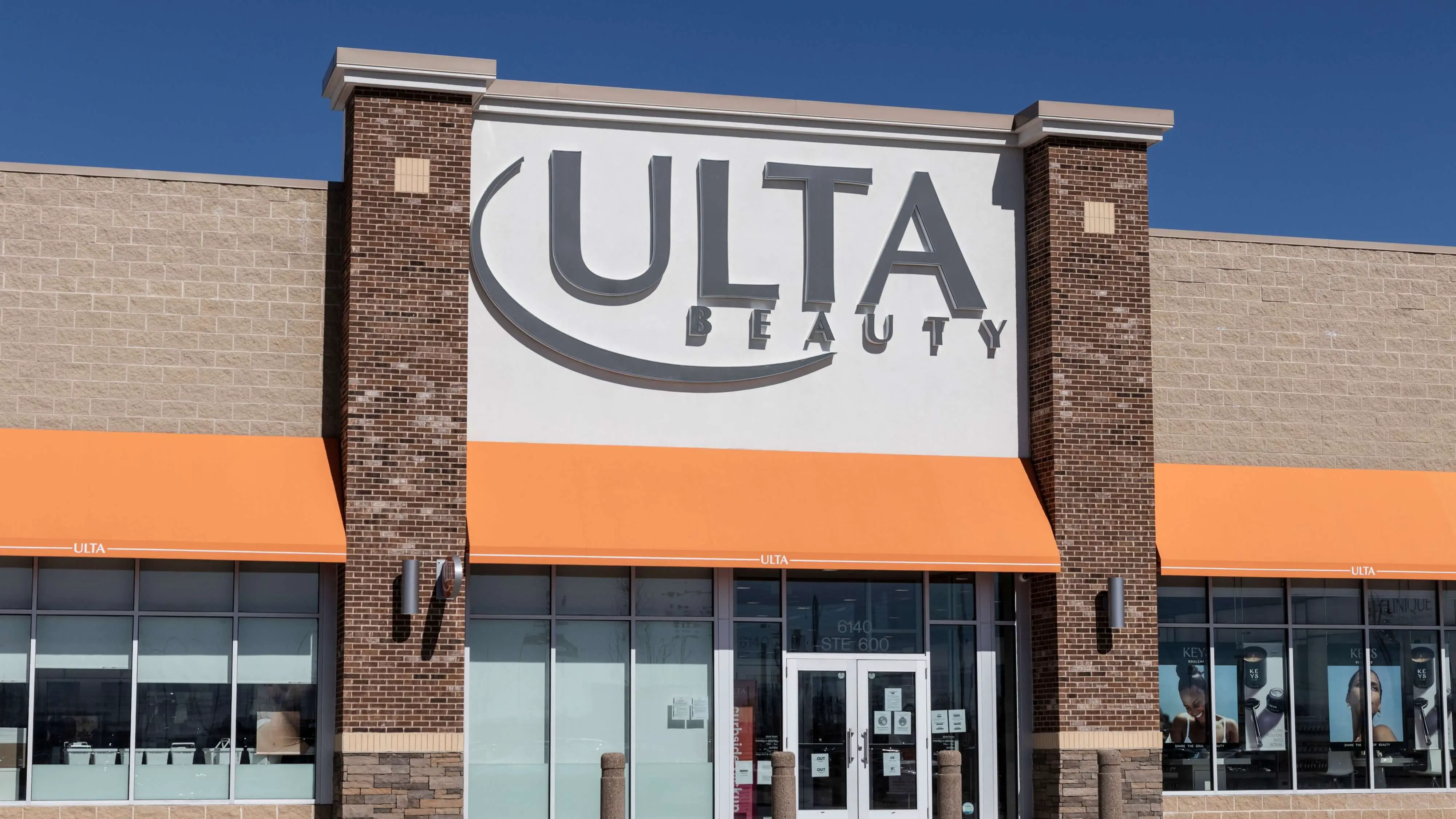
How are beauty retailers performing as consumers shift their focus to other discretionary categories? We took a look at visits to major retailers like Ulta to find out.
Elizabeth Lafontaine
Mar 6, 2025
4 minutes

Shifting Consumer Preferences Impact Beauty Retail 

The beauty industry’s reign over specialty retail may be slowly coming to an end in 2025. In the post-pandemic retail economy, beauty had been an outlier as it continued to grow visitation despite declines in other discretionary categories and a general pullback in retail demand. Beauty retailers were primed for the interaction of mass and prestige beauty growth; brands at both the low and high end benefited as consumers' appetite for make up and skincare exploded. 

But in 2024, consumers began to shift their focus away from beauty and back towards other discretionary categories, such as apparel and home furnishings. At the same time, we’ve also observed more caution amongst consumers surrounding all discretionary demand. Beauty tends to do well during times of economic uncertainty; items are small and generally less expensive than other discretionary purchases like shoes or accessories. 

However, the category’s sustained success over the past few years may have run out, even as consumers look for value and small indulgences. Beauty executives warned of these headwinds in early 2024, and Placer’s visit trends have corroborated the softening of trends across the industry.

Beauty Still Growing – But At a Slower Pace

2024 visits to beauty and self care retail chains grew 1.5% versus the previous year, compared to 18% growth in 2023 and 17% growth in 2022. There was a true shift in momentum of this industry over the last year, and the deceleration of growth is in stark contrast to the industry’s flourishing in the immediate post-pandemic years. 

When we put this into the context of broader discretionary retail, the trends in beauty counter those of apparel and home furnishings, who accelerated their rebounds throughout last year. There are a myriad of reasons for these changes in 2024, but major beauty brands have shared a drop-off in demand and waning sales, signs that point to changing consumer behavior instead of a shift in channel preference from physical to digital.

Ulta Beauty had been driving much of the growth of the beauty industry, due to its positioning as a destination for both mass and prestige beauty products. This business model, which served it well over the past few years, also exposed some potential hurdles as demand decelerated in 2024. Ulta’s visit growth in 2024 was just 1.9% year-over-year (2.5% YoY growth for Q4 2024), which surpassed other beauty chains, but slowed dramatically compared to previous trends. 

Ulta’s Target Shop-in-Shops May Be Cannibalizing Visits From Stand-Alone Stores 

A potential source of Ulta’s visit growth declaration could be one of its greatest opportunities over the past few years; its shop-in-shop partnership with Target. The two chains attract similar consumer demographics and align in their value offerings to shoppers. Looking at Placer’s cross visitation analysis, among visitors to Ulta Beauty, those who also visited Target increased from 86.9% in 2022 to 90.1% in 2024. Ulta visitors may be choosing to visit an Ulta outpost in Target more frequently than in the past, due to the convenience. But, that increase in visits to Target may be cannibalizing visit frequency to standalone Ulta Beauty locations. 

Shift in Ulta’s Visitor Base

Another change to Ulta Beauty’s overall visitation comes from the distribution of visitors to the retail chain. There were declines in the share of visits to Ulta from wealthier, suburban, and younger consumer segments, which account for the largest consumer bases for the retailer. There have been slight increases in the share of visits by Blue Collar Families and diverse shopper segments, but those consumers are likely to be more constrained in purchasing power than Ulta’s core shoppers.

What’s in Store for Beauty in 2025? 

Overall, the beauty space’s journey in 2024 is likely an indicator of what’s to come, especially for the larger chains. One retailer that has been the exception to the rule is Bluemercury, which Placer selected as a 10 Top Brands to Watch in 2025. For the remainder of the industry, retailers must find their reason for consumers to visit, despite a potential decline in demand for the category.

Article
Who Attends the Super Bowl and the Daytona 500?
Two of the biggest sporting events of the year – the Super Bowl and the Daytona 500 – took place in February 2025. We dove into the location analytics and demographic characteristics of visitors for both events to find out who attends the Big Game and the Great American Race.
Ezra Carmel
Mar 6, 2025
3 mintues

Two of the biggest sporting events of the year – the Super Bowl and the Daytona 500 – took place in February 2025. We dove into the location analytics and demographic characteristics of visitors for both events to find out who attends the Big Game and the Great American Race.

Super Bowl Demographics

Super Bowl tickets aren’t cheap, and combined with elevated travel costs, attending the game comes with a hefty price tag. So it may be no surprise that “Ultra Wealth Families” – Spatial.ai: Personalive segment for the nation’s wealthiest households – are consistently the largest segment within the stadiums’ captured markets* on game day. The same trend persists for NFL’s conference championships, indicating that regardless of the region in which the biggest games are played, fans in attendance come from relatively similar, affluent households. 

*A venue’s captured market is derived by the census block groups (CBGs) from which the venue draws its visitors, weighted by the share of visits from each, and thus reflects the population that actually visits the venue.

Daytona 500 Demographics

Visitors to the Daytona 500, it seems, are a more diverse cohort. Although the race is the most prestigious in NASCAR, tickets are available at price-points that suit a variety of budgets. And analyzing the visitor base of Daytona International Speedway on race day in 2025 reveals that the event’s relative affordability seemed to have attracted visitors from all walks of life: The venue’s trade area included a wide range of psychographic segments – ranging from the wealthiest families to retirement-age folks on a budget – demonstrating the diversity of the audience in attendance.

Where Do Super Bowl and Daytona 500 Visitors Come From?

Analysis of the 2025 Super Bowl and Daytona 500’s trade areas, which reflect the regions from which the venues received visitors on the day, reveals other key differences between the events’ attendees. 

As was the case for previous Super Bowls, the 2025 Super Bowl at the Caesars Superdome in New Orleans, LA drew visitors from the country’s major metro areas – and from some of the wealthiest – including New York City, Los Angeles, San Francisco, and Miami. The trade area also revealed elevated attendance from the teams’ home regions – Kansas City, MO and Philadelphia, PA – likely by the squads’ die-hard fans, and robust visitation from the host region (the New Orleans area), as local football fans appeared to take advantage of the opportunity to attend a Super Bowl close to home.

The 2025 Daytona 500's trade area, however, revealed a more tilted regional distribution of visitors. Although the event did draw fans from all over the country, most of the Daytona International Speedway attendees came from the Eastern United States, and Florida in particular – which hosts the race every year. This suggests that while the Daytona 500 attracts visitors from all over the country, the event is particularly popular among locals.

Want more data-driven event insights? Visit Placer.ai

Article
The $1B Question: Why Dave’s Hot Chicken Is a QSR Powerhouse
Dave's Hot Chicken is reportedly in talks to sell itself to Roark Capital for $1 billion. We took a look at the chicken chain's growth potential to highlight why Dave's is such a lucrative player in the QSR space.
R.J. Hottovy
Mar 5, 2025
1 minute

Wondering why Dave's Hot Chicken is reportedly in talks to sell itself to Roark Capital for $1 billion? One key reason is its strong growth potential. In 2024, chicken chains outpaced the broader QSR category in both new restaurant openings and increased visits per location. Dave's Hot Chicken stands out among them, with Placer's data showing it was one of the top performers in visit-per-location growth among chains with more than 100 locations last year.

Article
Kroger’s Grocery Dominance in 2025
The Kroger Company is one of the largest grocery retailers in the U.S, and the company continues to play a key role in the supermarket industry in 2025. We dove into traffic data for the company as a whole and for its leading banners to understand what 2025 may hold in store for the corporation.
Shira Petrack
Mar 5, 2025
3 minutes

The Kroger Company is one of the largest grocery retailers in the U.S, and the company continues to play a key role in the supermarket industry in 2025. We dove into traffic data for the company as a whole and for its leading banners to understand what 2025 may hold in store for the corporation.  

Kroger’s Role in the Wider Grocery Landscape 

Kroger and its variety of banners play a key role in the U.S. grocery landscape, with the company receiving around 16% of all visits to grocery stores nationwide (excluding non-traditional grocers such as superstores and wholesale clubs). And although Kroger’s visit share varies by state, the company receives more than a quarter of all grocery visits in 18 states, including four states – West Virginia, Utah, Colorado, and Kentucky – where Kroger receives more than half of the state’s grocery visits. 

It seems, then, that the company is positioned to continue having a major impact on the U.S. grocery market in 2025 – even without the addition of Alberstons’ grocery portfolio.

Foot Traffic to Kroger Holds Steady

The company’s recent visit performance also highlights Kroger’s ongoing resilience within an evolving grocery landscape. Traffic data shows that overall visits to Kroger chains held steady in 2024, with yearly visits just 1.3% lower than in 2023.

And the visit stability continued into 2025, with year-over-year (YoY) visits up every week in January 2025 just slightly below 2024 levels in February 2025 – indicating that shoppers are remaining loyal to Kroger’s chains amidst the inflationary environment.

Which Kroger Banners Are Performing Best?

Kroger operates a variety of banners, each catering to different regional markets and consumer segments. And analyzing 2024 visit data for Kroger’s largest chains shows overall stability across the portfolio – although some banners experienced slightly stronger growth while others did post minor visit gaps. 

California-based Food 4 Less led the way with a 2.5% YoY visit increase in 2024, and Colorado-based King Soopers posted YoY visit growth as well. Smith’s, which operates in most of the West, Ralphs in California, and Harris Teeter in the Southeast and Mid-Atlantic stayed within one percentage point of their 2023 visit performance. Arizona-based Fry’s and the company’s namesake banner Kroger also remained close to their 2023 traffic levels, while Fred Meyer and Pick ‘n Save saw minimal YoY visit gaps.

Kroger’s steady foot traffic highlights its strong consumer loyalty and adaptability. And as the grocery sector continues to shift, the company’s ability to maintain its stable performance across its portfolio and regions of operations will ensure it maintains its status as a grocery giant in 2025 and beyond.

For more data-driven retail insights, visit placer.ai

Reports
INSIDER
Exploring the Car Dealership Space
Dive into the foot traffic and audience segmentation data to find out where the new and used auto dealership space stands in 2023.

Overview 

This report leverages location intelligence data to analyze the auto dealership market in the United States. By looking at visit trends to branded showrooms, used car lots, and mixed inventory dealerships – and analyzing the types of visitors that visit each category – this white paper sheds light on the state of car dealership space in 2023. 

Shifts in Auto Dealerships Visit Trends

Prior to the pandemic and throughout most of 2020, visits to both car brand and used-only dealerships followed relatively similar trends. But the two categories began to diverge in early 2021. 

Visits to car brand dealerships briefly returned to pre-pandemic levels in mid-2021, but traffic fell consistently in the second half of the year as supply-chain issues drove consistent price increases. So despite the brief mid-year bump, 2021 ended with overall new car sales – as well as overall foot traffic to car brand dealerships – below 2019 levels. Visits continued falling in 2022 as low inventory and high prices hampered growth.  

Meanwhile, although the price for used cars rose even more (the average price for a new and used car was up 12.1% and 27.1% YoY, respectively, in September 2021), used cars still remained, on average, more affordable than new ones. So with rising demand for alternatives to public transportation – and with new cars now beyond the reach of many consumers – the used car market took off and visits to used car dealerships skyrocketed for much of 2021 and into 2022. But in the second half of last year, as gas prices remained elevated – tacking an additional cost onto operating a vehicle – visits to used car dealerships began falling dramatically. 

Now, the price of both used and new cars has finally begun falling slightly. Foot traffic data indicates that the price drops appear to be impacting the two markets differently. So far this year, sales and visits to dealerships of pre-owned vehicles have slowed, while new car sales grew – perhaps due to the more significant pent-up demand in the new car market. The ongoing inflation, which has had a stronger impact on lower-income households, may also be somewhat inhibiting used-car dealership visit growth. At the same time, foot traffic to used car dealerships did remain close to or slightly above 2019 levels for most of 2023, while visits to branded dealerships were significantly lower year-over-four-years. 

The situation remains dynamic – with some reports of prices creeping back up – so the auto dealership landscape may well continue to shift going into 2024.

Used Cars Appeal to a Range of Consumers

With car prices soaring, the demand for pre-owned vehicles has grown substantially. Analyzing the trade area composition of leading dealerships that sell used cars reveals the wide spectrum of consumers in this market. 

Dealerships carrying a mixed inventory of both new and used vehicles seem to attract relatively high-income consumers. Using the STI: Popstats 2022 data set to analyze the trade areas of Penske Automotive, AutoNation, and Lithia Auto Stores – which all sell used and new cars – reveals that the HHI in the three dealerships’ trade areas is higher than the nationwide median. Differences did emerge within the trade areas of the mixed inventory car dealerships, but the range was relatively narrow – between $77.5K to $84.5K trade area median HHI. 

Meanwhile, the dealerships selling exclusively used cars – DriveTime, Carvana, and CarMax – exhibited a much wider range of trade area median HHIs. CarMax, the largest used-only car dealership in the United States, had a yearly median HHI of $75.9K in its trade area – just slightly below the median HHI for mixed inventory dealerships Lithia Auto Stores and AutoNation and above the nationwide median of $69.5K. Carvana, a used car dealership that operates according to a Buy Online, Pick Up in Store (BOPIS) model, served an audience with a median HHI of $69.1K – more or less in-line with the nationwide median. And DriveTime’s trade areas have a median HHI of $57.6K – significantly below the nationwide median. 

The variance in HHI among the audiences of the different used-only car dealerships may reflect the wide variety of offerings within the used-car market – from virtually new luxury vehicles to basic sedans with 150k+ miles on the odometer. 

Tesla Leads the Car Brand Dealership Pack

Visits to car brands nationwide between January and September 2023 dipped 0.9% YoY, although several outliers reveal the potential for success in the space even during times of economic headwinds. 

Visits to Tesla’s dealerships have skyrocketed recently, perhaps thanks to the company’s frequent price cuts over the past year – between September 2022 and 2023, the average price for a new Tesla fell by 24.7%. And with the company’s network of Superchargers gearing up to serve non-Tesla Electric Vehicles (EVs), Tesla is finding room for growth beyond its already successful core EV manufacturing business and positioning itself for a strong 2024. 

Japan-based Mazda used the pandemic as an opportunity to strengthen its standing among U.S. consumers, and the company is now reaping the fruits of its labor as visits rise YoY. Porsche, the winner of U.S New & World Report Best Luxury Car Brand for 2023, also outperformed the wider car dealership sector. Kia – owned in part by Hyundai –  and Hyundai both saw their foot traffic increase YoY as well, thanks in part to the popularity of their SUV models.

Diving into Local Markets 

Analyzing dealerships on a national level can help car manufacturers make macro-level decisions on marketing, product design, and brick-and-mortar fleet configurations. But diving deeper into the unique characteristics of each dealership’s trade area on a state level reveals differences that can serve brands looking to optimize their offerings for their local audience. 

For example, analyzing the share of households with children in the trade areas of four car brand dealership chains in four different states reveals significant variation across the regional markets. 

Nationwide, Tesla served a larger share of households with children than Kia, Ford, or Land Rover. But focusing on California shows that in the Golden State, Kia’s trade area population included the largest share of this segment than the other three brands, while Land Rover led this segment in Illinois. Meanwhile, Ford served the smallest share of households with children on a nationwide basis – but although the trend held in Illinois and Pennsylvania, California Ford dealerships served more households with children than either Tesla or Land Rover.  

Leveraging Location Intelligence for Car Dealerships

Leveraging location intelligence to analyze car dealerships adds a layer of consumer insights to industry provided sales numbers. Visit patterns and audience demographics reveal how foot traffic to used-car lots, mixed inventory dealerships, and manufacturers’ showrooms change over time and who visits these businesses on a national or regional level. These insights allow auto industry stakeholders to assess current demand, predict future trends, and keep a finger on the pulse of car-purchasing habits in the United States. 

Loading results...
We couldn't find anything matching your search.
Browse one of our topic pages to help find what you're looking for.
For more in-depth analyses on a variety of subjects, explore Reports.
The Anchor Logo
INSIDER
Stay Anchored: Subscribe to Insider & Unlock more Foot Traffic Insights
Gain insider insights with our in-depth analytics crafted by industry experts
— giving you the knowledge and edge to stay ahead.
Subscribe