Skip to Main Content
Thank you! Your submission has been received!
Oops! Something went wrong while submitting the form.
0
0
0
0
----------
0
0
Articles
Article
Who Visits CVS and Walgreens?
CVS and Walgreens are the two leading brick-and-mortar pharmacy chains in the country. And though the two chains may appear similar, the location analytics reveals that each brand serves a slightly different audience. We take a closer look, here.
Shira Petrack
Jan 25, 2024
3 minutes

CVS and Walgreens are the two leading brick-and-mortar pharmacy chains, controlling together over 40% of the U.S. prescription drug market. And although the companies have been rightsizing their physical footprint over the past couple of years, CVS and Walgreens together still operate over 18,000 locations throughout the country. 

And while the two chains may sometimes appear interchangeable, diving into the demographic differences between CVS and Walgreens’ trade areas indicates that each brand serves a slightly different audience. 

Differences in Visitor Income 

A chain’s potential market looks at the Census Block Groups – CBGs – where visitors to a chain come from, weighted according to the population of each CBG. And since both CVS and Walgreens operate in all 50 states and often have locations in the same town or city, the makeup of the two chains’ potential market trade area is remarkably similar – indicating that both chains have the potential to reach the same types of households. 

But diving into the captured market (the trade area of each chain weighted according to the actual number of visits from each CBG) reveals a major difference in trade area median household income (HHI). Although both chains have the potential to attract visitors with a median HHI of around $70.0K, visitors to CVS come from CBGs with a median HHI of $76K – meaning that visitors to CVS tend to come from the more affluent neighborhoods within CVS’s potential trade area. Walgreens visitors, on the other hand, come from CBGs with a median HHI of $67.5K, which is lower than the median HHI in the brand’s potential market, and indicates that Walgreens visitors tend to come from the less affluent neighborhood within the company’s trade area.  

Bar graphs: CVS visitors tend to come form higher-income areas than Walgreens visitors. based on STI: Popstats 2022 dataset and placer.ai captured and potential trade areas

CVS Attracts Larger Households, While Walgreens Serves More Singles 

The two pharmacy leaders also seem to attract different shares of singles and families, although the differences are not as pronounced as the differences in median HHI. 

CVS and Walgreens have equal shares of one-person & non-family households in their trade areas, but the share of this segment in Walgreens’ captured market is slightly larger than in CVS’ captured market. Still, for both brands, one-person and non-family households are slightly underrepresented in the captured market relative to the potential market, indicating that singles across the board are perhaps slightly less likely to visit brick-and-mortar pharmacy chains. 

On the other hand, both CVS and Walgreens had more families (households with four or more children) in their captured market than in their potential market – although the share of this segment in CVS’ captured market was slightly higher than in Walgreens’.


bar graphs: CVS Attracts Larger Households, While Walgreens Serves More Singles, based on STI: PopStats 2022 dataset and placer.ai cap ured and potential trade areas

CVS Appeals to Families

CVS’ relative popularity with family segments also comes through when looking at the psychographic makeup of its trade area. When compared to Walgreens, CVS’s captured market included larger shares of three out of four family-oriented segments analyzed by the Spatial.ai: PersonaLive dataset – Ultra Wealthy Families, Wealthy Suburban Families, and Near-Urban Diverse Families. Walgreens’ captured market did include larger shares of Upper Suburban Diverse Families, but the difference was minimal – 9.8% for Walgreens compared to 9.5% for CVS. 

bar graphs: CVS' trade area includes more family psychographic segments. based on Spatial.ai: PersonaLive dataset combined with placer.ai captured trade area data

Differences and Overlaps between CVS and Walgreens Visitors  

CVS and Walgreens carry a very similar product selection, and the two chains’ nearly identical potential trade area makeup indicates that both brands’ locations have the potential to reach the same types of customers. But diving into CVS and Walgreens’ captured market reveals some differences between the two chains’ audiences – CVS tends to attract more affluent visitors, while Walgreens seems slightly more popular among singles. 

For more data-driven retail insights, visit placer.ai/blog

Article
Fashionably Frugal: Apparel in 2023
The fashion industry faced plenty of headwinds in 2023 - but discount and thrift apparel chains are thriving. We take a closer look at location intelligence to understand how the demographic profiles of visitors to apparel chains of all kinds have shifted in recent years.
Lila Margalit
Jan 24, 2024

From high prices to changing workplace attire (yes, soft pants are most definitely still a thing) – the fashion industry faced plenty of headwinds in 2023. But some segments, like off-price and thrift stores, reaped the benefits of trading down by consumers. And the category as a whole enjoyed a robust holiday season, helping to drive record holiday sales. 

So with 2024 getting underway, we dove into the data to explore the evolving relationship between three major segments that comprise the fashion industry: non-off-price apparel chains, off-price retailers (such as T.J. Maxx, Marshalls, Ross Dress for Less, and Burlington), and thrift shops.* Which segment drew the most foot traffic in 2023? And how have the demographic profiles of visitors to the three sub-categories shifted in recent years?  

*Analysis includes major thrift shop chains, including Goodwill, the Salvation Army, Buffalo Exchange, Plato’s Closet, and others.

Off-Price and Thrift Stores Gain Market Share

Last year saw an acceleration of the redistribution of foot traffic between non-off-price apparel retailers, off-price apparel chains, and thrift shops – a trend which began even before COVID. Back in 2017, non-off-price apparel stores accounted for just over 50% of visits to these three segments – but in the years since, the sub-category’s visit share dwindled to 38.9%. Over the same period, off–price-apparel chains grew their visit share by 8.1 percentage points, from 39.3% to 47.4%, and the share of visits to thrift shops increased by 3.2%.

Stacked Bar Graph: Off-Price apparel retailers and thrift stores have been gaining visit share since 2017

Apparel Affluence Gap Persists

Unsurprisingly, non-off-price apparel chains have traditionally attracted more affluent consumers than either off-price retailers or thrift stores. And throughout the analyzed period, the captured market of non-off-price apparel retailers continued to feature a median household income (HHI) that was significantly higher than the nationwide baseline, while the captured markets of off-price chains and thrift stores featured median HHIs below the nationwide median. 

But the three segments were impacted differently by shifts in consumer behavior in the wake of the pandemic. In early 2020, all three sub-categories experienced significant dips in the affluence of their captured markets. But while thrift shops saw an immediate HHI rebound, non-off-price apparel chains – and even more so off-price retailers – have yet to see the affluence of their visitor bases return to 2019 levels. 

Line graph: apparel retailers draw visitors from less affluent areas than before COVID, but thrift store visitor profiles have fully rebounded. Demographics based in STI: PopStats dataset and Placer.ai captured trade area data

Thrifting is (Disproportionately) for Singles

Foot traffic data also reveals an interesting divide in the household composition of visitors to the three segments: While the income profiles of off-price apparel shoppers are more akin to those of thrifters, their household composition is closer to that of visitors to non-off-price apparel stores. 

The potential markets of all three categories, for example, featured similar shares of one-person households in 2023. But their captured markets were quite different – with singles over-represented for thrift stores, and under-represented for off-price and non-off-price apparel stores. This indicates that thrifters hail disproportionately from Census Block Groups (CBGs) that feature higher-than-average shares of one-person households. And visitors to off-price and non-off-price retailers come from the CBGs within the trade areas of these chains that feature smaller-than-expected concentrations of one-person households. Given the special appeal thrift shops carry for demographics like college students, it may come as no surprise that singles are among their best customers. 

For families with children, on the other hand, more traditional apparel retailers hold sway: Visitors to off-price and non-off-price apparel stores were more likely to come from areas with higher concentrations of families with children in 2023, while thrifters were more likely to come from areas with smaller ones. 

Bar graphs: households that visit off-price retailers are more similar to those that visit non-off price than to thrift stores, based on STI: PopStats dataset and placer.ai captured and potential trade area data

Key Takeaways

Economic headwinds and evolving consumer preferences have left their mark on the shifting  relationship between different sub-categories within the fashion industry. But what does 2024 have in store for the sector? Will cooling inflation and rebounding consumer confidence lead to an increase in visit share for non-off-price favorites? And will more parental households make the pivot to thrift stores? 

Follow Placer.ai’s data-driven retail analyses to find out.

Article
Catching Up With Fast Food
2023 was a challenging year for many restaurant operators as persistent inflation caused many would-be diners to rethink a meal out. Today, we take a closer look at three fast-food and fast-casual dining chains – McDonald’s, Chipotle, and Panda Express – to see what is driving visits.
Bracha Arnold
Jan 23, 2024
3 minutes

2023 was a challenging year for many restaurant operators as persistent inflation caused many would-be diners to rethink going out for a bite to eat. Today, we take a closer look at three fast-food and fast-casual dining chains – McDonald’s, Chipotle, and Panda Express – to see what – and who – is driving visits to these restaurants. 

Biting Into Demographics

McDonald’s, Chipotle, and Panda Express each boast thousands of locations across the country. And a closer look at the three chains’ trade areas, analyzed using the STI: Popstats dataset, reveals differences in visitors across each dining chain. The median household income (HHI) of the three chains’ trade areas differed both on a nationwide average basis and when diving into individual states.

Chipotle consistently drew in visitors coming from higher-income trade areas – its nationwide median HHI stood at $75.9K/year. In contrast, Panda Express’ trade area had nationwide median HHIs of $68.2K/year, and McDonald’s, known for its affordability, had a trade area median $61.2K/year, respectively. And these trends persisted across all analyzed states, including New York, Texas, Arizona, North Carolina, and Florida, with Chipotle drawing visitors from the highest-income areas, followed by Panda Express and then McDonald’s.

Bar Graphs: Chipotle Trade Areas Tend to have highest income and lowest shares of households with children compared to Panda Express and McDonald's

Breakfast, Lunch, Or Dinner?

The past few years have seen consumers shifting their dining patterns as the pandemic with its more flexible schedules and drop in office attendance led many to adjust when, and where, they went out to eat. And though some pre-COVID habits have now returned, other consumer behaviors have proved to be stickier.  

For example, McDonald’s saw a significant drop in its share of early morning and lunch visits between 2019 and 2021, likely a result of fewer workers heading into the office and grabbing a coffee or Big Mac for a pick-me-up. But 2023 saw breakfast visits ticking back up, growing from 15.9% to 16.7% YoY, perhaps driven by a gradual return to in-person work.

Meanwhile, Panda Express, which also saw lunchtime visits drop in 2021 – but visits between 11:00 AM and 2:00 PM have steadily increased since and almost reached pre-pandemic levels in 2023. Midday visits also increased while dinnertime (7 PM to 10 PM) visits decreased slightly – perhaps thanks to the chain’s recent focus on building out its to-go options, which allows customers to pick up dinner on their way home instead of heading out to dine on-premises.

Like the other two chains, Chipotle also experienced a decline in lunchtime visits in 2021 – but unlike Panda Express, the lunchtime rush at Chipotle has yet to return in full force, with the share of visits between 11 AM and 2 PM just 36.2% in 2023 compared to 40.0% in 2019. At the same time, mid-afternoon (3 PM to 6 PM) visits picked up, which may be due to the chain’s relatively high prices compared to the other two chains leading some consumers to stick with lower-cost afternoon snacks instead of full meals. And evening visits have also increased since COVID, perhaps driven by the wider QSR trend towards more late-night visits and by some consumers choosing to visit Chipotle for their main meal of the day instead of splurging on an on-the-go lunch. 

Bar Graphs: Share of hourly visits for McDonald's, Panda Express, and Chipotle, 2019, 2021, 2022, and 2023

Final Plates

McDonald’s, Chipotle, and Panda Express have managed to find their own niche within the crowded and competitive world of quick-service and fast-casual dining. Will their success continue into 2024? 

Visit placer.ai/blog to find out.

Article
The Grocery Sector in 2023: An End-of-Year Recap
Which grocery brands were most popular in 2023? Did large chains dominate the scene, or did smaller regional or local banners also take market share? We look at the foot traffic to discover the broader trends that shaped brick-and-mortar grocery shopping last year.
Lila Margalit
Jan 22, 2024
3 minutes

For grocery stores, last year held plenty of challenges – from high food-at-home prices to increased competition from non-traditional grocery players like dollar stores and superstores. But 2023 also offered the segment plenty of opportunities. Discount chains made a strong showing – and customers spent more time browsing grocery aisles, loading up on essentials and making every trip to the store count.

But which grocery brands were most popular in 2023? Did large national chains dominate the scene, or did regional and local banners also have a role to play? And what can foot traffic analytics tell us about some of the broader trends that shaped brick-and-mortar grocery shopping last year?

We dove into the data to find out. 

And the Winner is… Kroger!

The nation’s most-visited grocery banner in 2023 was Kroger, which captured almost 19% of annual foot traffic to the nation’s ten most-frequented grocery chains. Safeway, owned by Albertsons, also made the top ten list. 

But significantly, several regional chains also garnered significant nationwide visit share – including Texas cult-favorite H-E-B, midwestern Meijer, and East Coast Food Lion and ShopRite. Aldi, the no-frills budget chain that keeps prices low by offering a limited inventory of mainly private-label products, emerged as the fourth most-visited grocery store in the country. And fan-favorite Trader Joe’s, also known for its high-quality own-label merchandise, drew 6.5% of visits to the top ten brands.

Pie Chart: Kroger's Kroger Banner Leads Nationwide Relative Share of Grocery Visits. Ten most-visited chains comprise 42.6% of total grocery visit share for 2023.

Plenty of Room for Regional and Local Players

And drilling down deeper into the data for each of the fifty states shows that each region of the country had its own local favorite. Kroger banners – including Kroger, Smith’s, King Soopers, Dillons, Fry’s Food Stores, Fred Meyer, and Pick n’ Save – topped the charts in 14 states. In one of these (Oregon), Kroger’s Fred Meyer was tied for first place with Safeway, an Albertsons banner. In addition to Oregon, Albertsons banners took the lead in nine more states, mainly in the Western region of the U.S., while Ahold Delhaize banners ranked first in seven Northeast and South Atlantic states. And a variety of more local chains held sway throughout much of the Midwest and parts of the South.

Map: Kroger Banners Are the Most-Visited Grocer in 14 States

A Changing Customer Profile

Who were the shoppers driving visits to brick-and-mortar grocery stores in 2023? Location intelligence shows that overall, visitors to grocery chains last year tended to come from areas with slightly higher median household incomes (HHIs) than the nationwide average. Less affluent consumers, perhaps, were more likely to seek out lower-cost grocery alternatives like dollar stores. At the same time, there remained significant HHI gaps between chains, likely reflective in part of regional differences.

Bar Graph: Visitors to Grocery Stores tend to come from more affluent areas but there is variance among chains.


And comparing the overall median HHI of grocery chains’ captured markets to that of previous years reveals a small but distinct decline in the relative affluence of likely grocery visitors, from $76.2K in 2019 to $73.8K in 2023. Over the same period, the share of “Flourishing Families” in the chains’ captured markets (A psychographic segment encompassing affluent middle-aged families and couples) decreased slightly, while the share of “Singles and Starters” increased. 

These shifts may be partially due to the more widespread adoption of online grocery shopping among certain audience segments in the wake of COVID. While ecommerce only accounted for an estimated 7.2% of grocery spending as of May 2023 – with high delivery fees continuing to deter many Americans from going the online route – higher-HHI consumers may be particularly willing to prioritize convenience over price. 

Graphs: The demographic and psychographic Profiles of In-Store Grocery Shoppers Have Shifted Over the Past Four years. Based on STI: PopStats and Experian: Mosaic datasets and Placer.ai captured trade area data

Key Takeaways

For grocery stores, 2023 was all about value – with many customers flocking to discount chains and going out of their way to maximize savings. Still, traditional mainstays like Kroger and Albertsons continued to capture the biggest pieces of the grocery pie. 

What does 2024 have in store for the grocery space? Will shoppers place less emphasis on savings as inflation continues to ease? And which chains will emerge as nationwide and regional winners?

Follow Placer.ai’s data-driven retail analyses to find out.

Article
The Lure of Waikiki and Beyond: The Feel of Fifth Avenue on Oahu?
Caroline Wu
Jan 20, 2024

While brutally cold weather blasts much of the continental U.S. this week--including the Midwest, Deep South, and Montana--one might just dream about moving to the balmy shores of Hawaii, where temperatures have been hovering in the high 70s of late. Besides being home to the Ala Moana Center, the most-visited open-air shopping center in the US over the holidays, there is also constant redevelopment and improvement occurring on the island of Oahu.

For instance, the International Market Place on Kalakaua Ave, once known for decades as a touristy collection of kiosks, has upped its game and now boasts a Tesla showroom and a Balenciaga store at its entrance. Were it not for the commanding Banyan Tree that has been preserved, one would hardly recognize this iteration of the shopping venue compared to 10 years ago. Since it re-opened in early 2017, traffic has steadily been climbing. Hawaii tourism was hit hard by COVID in Spring 2020, but by July 2021 we begin to see a marked increase, to be repeated and exceeded in subsequent Julys as well. The summer of 2023 boasts a record in traffic originating from domestic visitors for the International Market Place.  

Just down the street is the Royal Hawaiian Center, which encompasses three separate buildings that are connected by skywalks. Since its opening in 1980, it too has seen numerous changes, though its commitment to sharing the spirit of Aloha remains the same.  The food options are extensive and come from all corners of the globe, such as Wolfgang’s Steakhouse, Tsurutontan Udon Noodle, Tim Ho Wan dim sum, and Wicked Maine Lobster. There was a massive spike in visitation in July 2021, which has since decreased a bit, but is still above pre-COVID levels.

There are definitely some unique, only-in-Hawaii treats, such as the shaka waffle ice cream cone at Kokoro Cafe at the Royal Hawaiian Center.

Shake cone image 1.17.24

The other notable shift at the Royal Hawaiian Center is the bountiful array of luxury shopping available.  From Hermes to Fendi, Harry Winston to Tiffany, designer showcases beckon from the street as well as from the interior corridors.

Article
Home Furnishing: 2024 Outlook for Housewares, Mattress, and Furniture Retail
R.J. Hottovy
Jan 20, 2024

When we last checked in on the home furnishing retail category, we noted that we had started to see a divergence among several of the various subcategories, with houseware retailers seeing great visits year-over-year relative to furniture retailers. At the time, we hypothesized that housewares were outperforming because of several reasons, including (1) consumers’ willingness to spend around holiday periods last year due to post-pandemic home entertaining trends; (2) the departure of Bed Bath & Beyond and other retailer from the market driving visits to other housewares retailers; and (3) urban residential migration trends among younger families increasing demand for houseware trends. The divergence in visitation trends continued through the back half of 2023, with housewares continuing to outperform through December.

One of the home furnishing subcategories that flew under the radar in 2023 is mattresses. As shown above, this retail category didn’t quite keep pace with houseware retail visit trends, but outperformed value and full-priced furniture. What’s behind this outperformance? For starters, our data indicates that migration trends may play a role. We reviewed visitation trends for pure-play mattress retailers across the top 25 CBSAs in the U.S. (ranked by population) during the Black Friday promotional period (early November 2023 to early December 2023) and found that several of the top performing markets–New York, San Francisco, Minneapolis, Chicago, Detroit–had seen total population declines since the pandemic (according to Placer's Migration Trends Report) but also experienced a rebound in population growth this past summer, creating increased demand for mattresses. However, population trends continued on a downward trajectory in the second half of 2023 in a number of these markets, indicating this demand may not be sustainable.

What should home furnishing retailers expect in 2024? From a year-over-year visitation standpoint, we expect the subcategories to remain roughly the same in terms of rankings through the first half of the year, with housewares continuing to lead, followed by mattresses, value furniture, and then full-priced furniture. Continued migration trends across the U.S.--especially smaller markets–should continue to stimulate demand for housewares and mattresses (although Temu and other online retailers will also compete for houseware spending in the year ahead). Migration trends should also create demand for value furniture retailers, as should new smaller-format and smaller-market store openings from IKEA and others. Full-priced furniture will continue to face headwinds in the form of elevated mortgage rates (compared to last year), sluggish new housing development trends, and stagnant housing turnover, suggesting that visitation trends could be challenged for much of 2024 (despite facing easier comparisons).

Reports
INSIDER
Advantages of New Players in the Retail Media Space
Discover the unique brick-and-mortar advertising potential of Costco's and Wawa's new retail media networks - and how advertisers can best leverage this opportunity.
June 27, 2024

Retail Media: The Wave of the Present

Retail media networks (RMNs) have cemented their roles as the future – and present – of advertising. These networks enable advertisers to promote products and services through a retailer’s online properties and physical stores, when consumers are close to the point-of-purchase and primed to buy.  

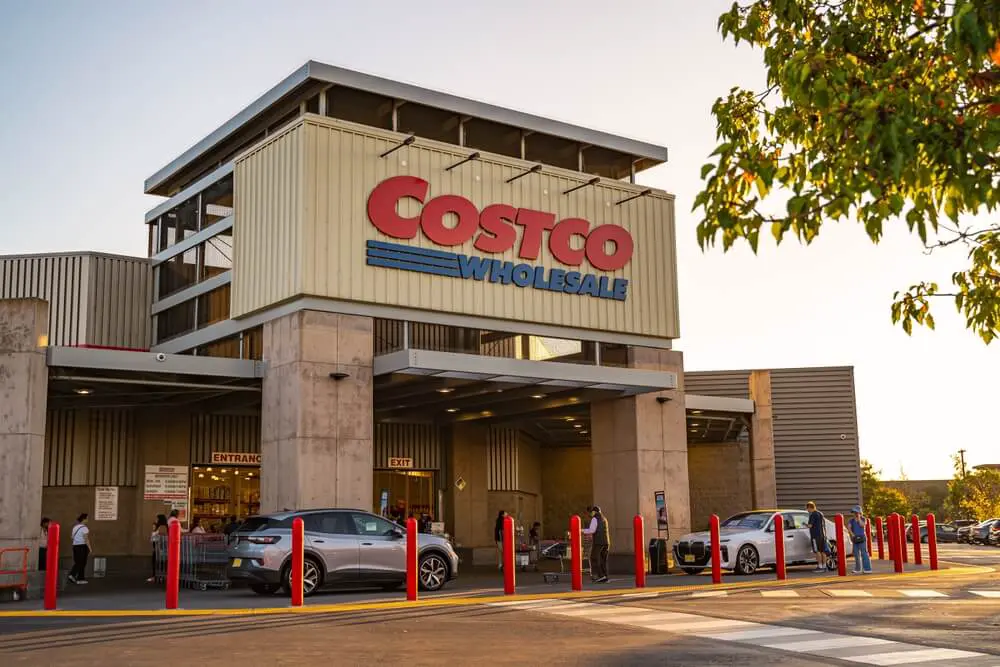
Today, we take a closer look at two newcomers to the retail media space: Costco Wholesale and Wawa. Both chains have an online presence – but both also excel at in-store experiences, offering unique opportunities for consumer engagement and exposure to new products.

This white paper dives into the data to explore some of the key advantages Costco and Wawa bring to the retail media table –  and examine how the retailers’ physical reach can best be leveraged to help advertising partners find new audiences. 

The Costco and Wawa Brick-and-Mortar Opportunity

Wawa and Costco, the latest additions to the growing number of companies with retail media networks, exhibit significant advertising potential. Both brands boast a wide reach and diverse customer base, and both have access to troves of customer data through membership and loyalty programs. 

Foot traffic data confirms the robust offline positioning of the two retailers. In Q1 2024, year-over-year (YoY) visits to Costco and Wawa increased 9.5% and 7.5% respectively – showing that their in-store engagement is on a growth trajectory. 

And since consumers tend to spend a lot more time in-store than they do on retailers’ websites, Costco’s and Wawa’s strong brick-and-mortar growth positions them especially well to help advertisers reach new customers. In Q1 2024, the average visits to Costco’s and Wawa’s physical stores lasted 37.4 and 11.4 minutes respectively – compared to just 6.7 and 4.6 minutes for the chains’ websites. These longer in-store dwell times can be harnessed to maximize ad exposure and offer partners more extended opportunities for meaningful interactions with customers. Partners can also analyze the behavior and preferences of the two chains’ growing visitor bases to craft targeted online campaigns.  

Costco Enters the Wholesale Club RMN Space

RMN Potential Nationwide 

Costco’s retail media network will tap into the on- and offline shopping habits of its staggering 74.5 million members to inform targeted advertising by partners. And the retailer’s tremendous reach offers a significant opportunity to engage customers in-store. 

But while Costco is dominant in some areas of the country, other markets are led by competitors like Sam’s Club and BJ’s Wholesale Club. And advertisers looking to choose between competing RMNs or hone in on the areas where Costco is strongest can analyze Costco's performance and visit share – on a local or national level – to determine where to focus their efforts.

An analysis of the share of visits to wholesalers across the country reveals that Costco is the dominant wholesale membership club in much of the Western United States. But Costco also captures the largest share of wholesale club visits in many other major population centers, including important markets like New York, Chicago, Phoenix, and San Antonio. Costco’s widespread brick-and-mortar dominance offers prospective advertising partners a significant opportunity to connect with regional audiences in a wide array of key markets.  

Longer, More Frequent Visits

Another one of Costco’s key advantages as a retail media provider lies in its highly loyal and engaged audience. In May 2024, a whopping 41.4% of Costco’s visitors frequented the club at least twice during the month – compared to 36.6% for Sam’s Club and 36.0% for BJ’s Wholesale. 

Moreover, Costco led in average visit duration compared to its competitors. In May 2024, customers spent an average of 37.1 minutes at Costco – surpassing even the impressive dwell times at Sam’s Club and BJ’s Wholesale Club.

YoY visits per location to Costco, too, were the highest of the analyzed wholesalers, all three of which saw YoY increases. These metrics further establish the wholesaler’s position as an effective retail media provider. 

Unique Audience Preferences and Characteristics 

Even when foot traffic doesn't show a brand’s clear regional dominance, location analytics can reveal other metrics that signal its unique potential. Take the Richmond-Petersburg, VA, designated market area (DMA), for example. In May 2024, BJ’s Wholesale Club led the DMA with 41.2% of wholesale club visits, while Costco was a close second with 37.3% of visits.

But despite BJ’s lead in visit share, Costco's Richmond audience was more affluent. Costco's visitors came from trade areas with a median household income (HHI) of $93.2K/year, compared to $73.1K/year for Sam’s Club and $89.5K/year for BJ’s. Additionally, Costco drew a higher share of weekday visits than its counterparts. 

Analyzing shopper habits and preferences across chains on a local level can provide crucial context for strategists working on media campaigns. Advertisers can partner with the brands most likely to attract consumers interested in their offerings, and identify where – and when – to focus their advertising efforts. 

Wawa Debuts Retail Media

Convenience stores, or c-stores, are emerging as destinations in and of themselves – and their rising popularity among a wider-than-ever swath of consumers opens up significant opportunities in the retail advertising space. 

A C-Store RMN Advantage

Wawa is a relative newcomer to the world of retail media, after other c-stores like 7-Eleven and Casey’s launched their networks in 2022 and 2023. But despite coming a bit late to the party, the potential for Wawa’s Goose Media Network is significant – thanks to a cadre of highly loyal visitors who enjoy the physical shopping experience the c-store chain offers.

In May 2024, Wawa’s share of loyal visitors (defined as those who visited the chain at least twice in a month) was 60.1%. In contrast, other leading c-store chains operating in Wawa’s market area – QuickTrip and 7-Eleven, for example – saw loyalty rates of 56.0% and 47.9%, respectively, for the same period. 

Additionally, Wawa visitors browsed the aisles longer than those at other convenience retailers. In May 2024, 39.9% of Wawa visitors stayed in-store for 10 minutes or longer, compared to 29.6% at QuickTrip and 25.7% at 7-Eleven.

Wawa's loyal customer base and longer visit durations make it a strong contender in the retail media space. By harnessing this high level of customer engagement, Wawa can draw in advertisers and develop targeted marketing strategies that resonate with its dedicated shoppers.

Doubling Down on Miami

Wawa has been on an expansion roll over the past few years, with plans to open at least 280 stores over the next decade in North Carolina, Tennessee, Georgia, Alabama, Ohio, Indiana, and Kentucky. The chain has also been steadily increasing its footprint in Florida – between January 2019 and April 2024, Wawa grew from 167 Sunshine State locations to 280, with more to come.

And analyzing changes in Wawa’s visit share in one of Florida’s biggest markets – the Miami-Ft. Lauderdale DMA – shows how successful the chain’s local expansion has been. Between January 2019 and April 2024, Wawa more than doubled its category-wide visit share in the Miami area (i.e. the portion of total c-store visits in the DMA going to Wawa) – from 19.0% to nearly 40.0%. 

A Growing and Evolving Audience

A look at changes in Wawa’s Miami-Ft. Lauderdale trade area shows that the chain’s growing visit share has been driven by an expanding market and an increasingly diverse audience. 

In April 2019, there were some 55 zip code tabulation areas (ZCTAs) in the Miami-Ft. Lauderdale DMA from which Wawa drew at least 3,000 visits per month. By April 2021, this figure grew to 96 – and by April 2024, it reached 129. 

Over the same period, the share of “Family Union” households in Wawa’s local captured market – defined by the Experian: Mosaic dataset as families comprised of middle-income, blue collar workers – nearly doubled, growing from 7.4% in April 2019 to 14.4% in April 2024.  

Final Thoughts

Retail media networks that make it easier to introduce shoppers to products and brands that are closely aligned with their preferences and habits offer a win-win-win for retailers, advertisers, and consumers alike. And Costco and Wawa are extremely well-positioned to make the most of this opportunity. 

INSIDER
Brewing Success: Winning Strategies for Coffee Chains
Dive into the data to explore foot traffic trends in the coffee space – and uncover factors driving visits to Starbucks, Dunkin’, and other leading chains.
June 20, 2024

Coffee on the Rise

Everybody loves coffee. And with some 75% of American adults indulging in a cup of joe at least once a week, it’s no wonder the industry is constantly on an upswing.

In early 2024, year-over-year (YoY) visits to coffee chains increased nationwide – with every state in the continental U.S. experiencing year-over-year (YoY) coffee visit growth.

The most substantial foot traffic boosts were seen in smaller markets like Oklahoma (19.4%), Wyoming (19.3%), and Arkansas (16.9%), where expansions may have a more substantial impact on statewide industry growth. But the nation’s largest coffee markets, including Texas (10.9%), California (4.2%), Florida (4.2%), and New York (3.5%), also experienced significant YoY upticks. 

Expanding to Meet Growing Demand

The nation’s coffee visit growth is being fueled, in large part, by chain expansions: Major coffee players are leaning into growing demand by steadily increasing their footprints. And a look at per-location foot traffic trends shows that by and large, they are doing so without significantly diluting visitation to existing stores. 

On an industry-wide level, visits to coffee chains increased 5.1% YoY during the first five months of 2024. And over the same period, the average number of visits to each individual coffee location declined just slightly by 0.6% – meaning that individual stores drew just about the same amount of foot traffic as they did in 2023. 

Drilling down into chain-level data shows some variation between brands. Dutch Bros., BIGGBY COFFEE and Dunkin’ all saw significant chain-wide visit boosts, accompanied by minor increases in their average number of visits per location. 

Starbucks, for its part, which reported a YoY decline in U.S. sales for Q2 2024, maintained a small lag in visits per location. But given the coffee leader’s massive footprint – some 16,600 stores nationwide – its ability to expand while avoiding more significant dilution of individual store performance shows that Starbucks’ growth is meeting robust demand. 

What is driving the coffee industry’s remarkable category-wide growth? And who are the customers behind it? This white paper dives into the data to explore key factors driving foot traffic to leading coffee chains in early 2024. The report explores the demographic and psychographic characteristics of visitors to major players in the coffee space and examines strategies brands can use to make the most of the opportunity presented by a thriving industry.

Starbucks Visits Fueled by RTO

One factor shaping the surge in coffee visit growth is the slow-but-sure return-to-office (RTO). Hybrid work may be the post-COVID new normal – but RTO mandates and WFH fatigue have led to steady increases in office foot traffic over the past year. And in some major hubs – including New York and Miami – office visits are back to more than 80.0% of what they were pre-pandemic.

A look at shifting Starbucks visitation patterns shows that customer journeys and behavior increasingly reflect those of office-goers. In April and May 2022, for example, 18.6% of Starbucks visitors proceeded to their workplace immediately following their coffee stop – but by 2024, this share shot up to 21.0%. 

Over the same period, the percentage of early morning (7:00 to 10:00 AM) Starbucks visits lasting less than 10 minutes also increased significantly – from 64.3% in 2022 to 68.7% in 2024. More customers are picking up their coffee on the go – many of them on the way to work – rather than settling down to enjoy it on-site.

Short Visits Driving Success at Dunkin’

Dunkin’ is another chain that is benefiting from consumers on the go. Examining the coffee giant’s performance across major regional markets – those where the chain maintains a significant presence – reveals a strong correlation between the share of Dunkin’ visits in each state lasting less than five minutes and the chain’s local YoY trajectory. 

In Wisconsin, for example, 50.9% of visits to Dunkin’ between January and May 2024 lasted less than five minutes. And Wisconsin also saw the most impressive YoY visit growth (5.9%). Illinois, Ohio, Maine, and Connecticut followed similar patterns, with high shares of very short visits and strong YoY showings. 

On the other end of the spectrum lay Tennessee, Alabama, and Florida, where very short visits accounted for a low share of the chain’s statewide total – under 40.% – and where visits declined YoY. 

Dunkin’s success with very short visits may be driven in part by its popular app, which makes it easy for harried customers to place their order online and save time in-store. And this is good news indeed for the coffee leader – since customers using the app also tend to generate bigger tickets. 

Dutch Bros. Appealing to Singles

Dutch Bros.’ meteoric rise has been fueled, in part, by its appeal to younger audiences. Recently ranked as Gen Z’s favorite quick-service restaurant, the rapidly-expanding coffee chain sets itself apart with a strong brand identity built on cultivating a positive, friendly customer experience. 

And Dutch Bros.’ people-centered approach is resonating especially well with singles – including young adults living alone – who may particularly appreciate the chain’s community atmosphere.

Analyzing the relative performance of Dutch Bros.’ locations across metro areas – focusing on regions where the chain has a strong local presence – shows that it performs best in areas with plenty of singles. Indeed, the share of one-person households in Dutch Bros.’ local captured markets is very strongly correlated with the coffee brand’s CBSA-level YoY per-location visit performance. Areas with higher concentrations of one-person households saw significantly more YoY visit growth in the first part of 2024.  (A chain’s captured market is obtained by weighting each Census Block Group (CBG) in its trade area according to the CBG’s share of visits to the chain – and so reflects the population that actually visits the chain in practice). 

The share of one-person households in Dutch Bros.’ Tucson, AZ captured market, for example, stands at 33.4% – well above the nationwide baseline of 27.5%. And between January and May 2024, Tucson-area Dutch Bros. saw a 6.0% increase in the average number of visits per location. Tulsa, OK, Medford, OR, and Oklahoma City, OK – which also feature high shares of one-person households (over 30.0%) – similarly saw per-location visit increases ranging from 3.6% - 7.0%. On the flip side, Fresno, CA, Las Vegas-Henderson-Paradise, NV, and San Antonio-New Braunfels, TX, which feature lower-than-average shares of single-person households, saw YoY per-location visit declines ranging from 1.5%-9.5%. 

As Dutch Bros. forges ahead with its planned expansions, it may benefit from doubling down on this trends and focusing its development efforts on markets with higher-than-average shares of one-person households – such as university towns or urban areas with lots of young professionals.

BIGGBY COFFEE: Pressing the Suburban Advantage  

Michigan-based BIGGBY COFFEE is another java winner in expansion mode. With a growth strategy focused on emerging markets with less brand saturation, BIGGBY has been setting its sights on small towns and rural areas throughout the Midwest and South. Though the chain does have locations in bigger cities like Detroit and Cincinnati, some of its most significant markets are in smaller population centers.

And a look at the captured markets of BIGGBY’s 20 top-performing locations in early 2024 shows that they are significantly over-indexed for suburban consumers – both compared to BIGGBY as a whole and compared to nationwide baselines. (Top-performing locations are defined as those that experienced the greatest YoY visit growth between January and May 2024).

“Suburban Boomers”, for example – a Spatial.ai: PersonaLive segment encompassing middle-class empty-nesters living in suburbs – comprised 10.6% of BIGGBY’s top captured markets in early 2024, compared to just 6.6% for BIGGBY’s overall. (The nationwide baseline for Suburban Boomers is even lower – 4.4%.) And Upper Diverse Suburban Families – a segment made up of upper-middle-class suburbanites – accounted for 9.6% of the captured markets of BIGGBY’s 20 top locations, compared to just 7.2% for BIGGBY’s as a whole, and 8.3% nationwide. 

Coffee for Everyone

Coffee has long been one of America’s favorite beverages. And java chains that offer consumers an enjoyable, affordable way to splurge are expanding both their footprints and their audiences. By leaning into shifting work routines and catering to customers’ varying habits and preferences, major coffee players like Starbucks, Dunkin’, Dutch Bros., and BIGGBY COFFEE are continuing to thrive.

INSIDER
Unlocking Potential in Underserved Grocery Markets
Dive into the location analytics to uncover potential growth markets in regions with limited grocery store availability.
June 6, 2024
6 minutes

Note: This report is based on an analysis of visitation patterns for regional and nationwide grocery chains and does not include single-location stores. 

Understanding Grocery Store Chain Distribution

Grocery stores, superstores, and dollar stores all carry food products – and American consumers buy groceries at all three. But even in today’s crowded food retail environment, traditional grocery chains have a special role to play. With their primary focus on stocking a wide variety of fresh foods, these chains serve a critical function in offering consumers access to healthy options. 

But visualizing the footprints of major grocery chains across the continental U.S. – alongside those of discount & dollar stores – shows that the geographical distribution of grocery chains remains uneven.

In some areas, including parts of the Northeast, Midwest, South Atlantic, and Pacific regions, grocery chains are plentiful. But in others – some with population centers large enough to feature a robust dollar store presence – they remain in short supply.

And though many superstore locations also provide a full array of grocery offerings, they, too, are often sparsely represented in areas with low concentrations of grocery chains. 

For grocery chain operators seeking to expand, these underserved grocery markets can present a significant opportunity. And for civic stakeholders looking to broaden access to healthy food across communities, these areas highlight a policy challenge. For both groups, identifying underserved markets with significant untapped demand can be a critical first step in deciding where to focus grocery development initiatives.

This white paper dives into the location analytics to examine grocery store availability across the United States – and harnesses these insights to explore potential demand in some underserved markets. The report focuses on locations belonging to regional or nationwide grocery chains, rather than single-location stores. 

Untapped Grocery Markets

Last year, grocery chains accounted for 43.4% of nationwide visits to food retailers – including grocery chains, superstores, and discount & dollar stores. But drilling down into the data for different areas of the country reveals striking regional variation – offering a glimpse into the variability of grocery store access throughout the U.S.  In some states, grocery stores attract the majority of visit share to food retailers, while in others, dollar stores or superstores dominate the scene. 

The ten states where residents were most likely to visit grocery chains in early 2024 – Oregon, Vermont, Washington, Massachusetts, California, Maryland, New Hampshire, Connecticut, New Jersey, and Rhode Island – were all on the East or West Coasts. In these states, as well as in Nevada and New York, grocery chain visits accounted for 50.0% or more of food retail visits between January and April 2024.

Meanwhile, residents of many West North Central and South Central states were much less likely to do their food shopping at grocery chains. In North Dakota, for example, grocery chain visits accounted for just 11.7% of visits to food retailers over the analyzed period. And in Mississippi, Oklahoma, and Arkansas, too, grocery stores drew less than 20.0% of the overall food retail foot traffic. 

YoY Visit Growth Data Highlights Strong Grocery Demand In Some States

But low grocery store visit share does not necessarily indicate a lack of consumer interest or ability to support such stores. And in some of these underserved regions, existing grocery chains are seeing outsize visit growth – indicating growing demand for their offerings. 

North Dakota, the state with the smallest share of visits going to grocery chains in early 2024, experienced a 9.1% year-over-year (YoY) increase in grocery visits during the same period – nearly double the nationwide baseline of 5.7%. Other states with low grocery visit share, including Nebraska, Arkansas, Alabama, Mississippi, and New Mexico, also experienced higher-than-average YoY grocery chain visit growth. This suggests significant untapped potential for grocery stores and a market that is hungry for more. 

Alabama Bound: Identifying Grocery Markets With Increasing Demand

Alabama is one state where grocery chains accounted for a relatively small share of overall food retail foot traffic in early 2024 (just 28.9%) – but where YoY visit growth outperformed the nationwide average. And digging down even further into local grocery store visitation trends provides further evidence that at least in some places, low grocery visit share may be due to inadequate supply, rather than insufficient demand. 

In Central Alabama, for example, many residents drive at least 10 miles to reach a local grocery chain. And several parts of the state, both rural and urban, feature clusters of grocery stores that draw customers from relatively far away.

But zooming in on YoY visitation data for local grocery chain locations shows that at least some of these areas likely harbor untapped demand. Take for example the Camden, Butler, Thomasville, and Gilbertown areas (circled in the map above). The Piggly Wiggly location in Butler, AL, drew 40.1% of visits from 10 or more miles away. The same store experienced a 23.3% YoY increase in visits in early 2024 –  far above the statewide baseline of 6.6%. Meanwhile, the Super Foods location in Thomasville, AL, which drew 52.8% of visits from at least 10 miles away – experienced YoY visit growth of 12.3%. The Piggly Wiggly locations in Camden, AL and Gilbertown, AL saw similar trends. 

At the same time, trade area analysis of the four locations reveals that the grocery stores had little to no trade area overlap during the analyzed period. Each store served specific areas, with minimal cannibalization among customer bases.

These metrics appear to highlight robust demand for grocery stores in the region – grocery visits are growing at a stronger rate than those in the overall state, people are willing to make the drive to these stores, and each one has little to no competition from the others. 

Increasing Access to Fresh Food in Greenville County, SC

While significant opportunity exists across the country, many communities still face considerable challenges in supporting large grocery stores. Though South Carolina has a significant number of grocery chain locations, for example, certain areas within the state have low access to food shopping opportunities. And one local government – Greenville County – is considering offering tax breaks to grocery stores that set up shop in the area, to improve local fresh food accessibility.

Assessing Local Demand – And Preferences

Placer.ai migration and visitation data shows that Greenville County is ripe for such initiatives: the county’s population grew by 4.8% over the past four years – with much of that increase a result of positive net migration. And YoY visits to Greenville County Grocery Stores have consistently outperformed state averages: In April 2024, grocery visits in the county grew by 6.1% YoY, while overall visits to grocery stores in South Carolina grew by 4.2%. This growth – both in terms of grocery visits and population – points to rising demand for grocery stores in Greenville County. 

Analyzing the Greenville County grocery store trade areas with Spatial.ai’s FollowGraph dataset – which looks at the social media activity of a given audience – offers further insight into local grocery shoppers’ particular demand and preferences. 

Consumers in Greenville-area grocery store trade areas, for example, are more likely to be interested in “Mid-Range Grocery Stores” (including brands like Aldi, Kroger, and Lidl) than residents of grocery store trade areas in the state as a whole. This metric provides further evidence of local demand for grocery chains – and offers a glimpse into the kinds of specific grocery offerings likely to succeed in the area. 

Final Thoughts 

Grocery stores remain essential services for many consumers, providing a place to pick up fresh produce, meat, and other healthy food options. And many areas in the country are ripe for expansion, with eager customer bases and growing demand. Identifying such areas with location analytics can help both grocery store operators and municipal stakeholders provide their communities and customer bases with an enhanced grocery shopping experience that caters to local preferences. 

Loading results...
We couldn't find anything matching your search.
Browse one of our topic pages to help find what you're looking for.
For more in-depth analyses on a variety of subjects, explore Reports.
The Anchor Logo
INSIDER
Stay Anchored: Subscribe to Insider & Unlock more Foot Traffic Insights
Gain insider insights with our in-depth analytics crafted by industry experts
— giving you the knowledge and edge to stay ahead.
Subscribe