Thank you! Your submission has been received!
Oops! Something went wrong while submitting the form.
0
0
0
0
----------
0
0
Articles
Article
Retailers Betting on High Income Households
Despite general growth in retail visitation over the past few years, rapid price increases and changes in consumer behavior may finally have caught up to consumers across income levels. Retailers are increasingly targeting high income consumers to offset a drop-off in demand.
Elizabeth Lafontaine
Mar 24, 2025
5 minutes

As we wrap up Q1 2025, we’re already beginning to see a slow down in retail visitation by consumers. Despite general growth in retail visitation over the past few years, rapid price increases and changes in consumer behavior may finally have caught up to consumers across income levels. In this new unknown chapter of the retail industry, one thing is clear; high income consumers are critical for retailers to capture and retain in order to offset a drop-off in demand by other cohorts. 

High income shoppers have long been the elusive target of retailers across a variety of price points. From Target to Neiman Marcus to specialty grocers, retailers have tried to enhance assortments, increase service offerings, and eliminate inconveniences for consumers who have the highest levels of disposable income. These factors only grew in importance as the retail industry navigated the pandemic and the subsequent consumer recovery – high income shoppers' price elasticity has bolstered the industry against rising inflation and price increases. 

Share of High-Income Shoppers in Brick-and-Mortar Retail Declined Slightly Since the Pandemic

What’s fascinating, though, is that despite the buying power of high income consumers  – they aren’t large contributors of retail visitation overall. According to our Placer 100 Dining and Retail Index, households with income greater than $200K accounted for 8.1% of overall visits in 2024, which is slightly lower than the share of visits from the same group in 2019 (8.2%). The share of visits from lower income households increased since the pandemic (32.9% of visits from households with a median income of $50K or less in 2024, compared to 32.7% in 2019), while the inverse is true for higher income shoppers.

The lower share of visits from high income households does align with the general trends we’ve observed across retail. Lower income shoppers, who have become more price conscious and constrained by rising costs, have increased their frequency of visits across multiple retail chains in order to derive the most value from their visits. Meanwhile, wealthier shoppers may have maintained or increased their online purchasing since the pandemic onset, which could have lessened their desire to shop in person.

With a smaller share of the wealthiest shoppers visiting retail locations, the fight for those consumer dollars is going to be even more competitive. Alternatively, for categories that are capturing even more visits from high income shoppers, the need to satisfy their needs and drive conversion is critical.

Walmart’s Success With Wealthier Cohorts

Retailers that have won over this group have tapped into the desire for value no matter the level of household income. Walmart executives recently shared that their largest growth in market share came from consumers with income over $100K. Placer’s foot traffic estimates also indicate that, indeed, traffic distribution for households with income over $75K increased in 2024 compared to 2022, with declines in the share of visits by lower income households.

Walmart attributed these changes to their increased premium service offerings, including its membership program and delivery services – but there could also be another element at play. As prices have gone up considerably since the pandemic, even wealthier shoppers don’t want to see their receipts rise on a daily or weekly basis. Price perception can spur changes in consumer behavior, and this can apply to any consumer, no matter their socioeconomic status. Walmart’s success with wealthier cohorts sends a message to others in the industry; just because a consumer can afford to pay higher prices, doesn’t mean they will.

Shifts in Luxury Retail Shoppers

On the other end of the retail spectrum, the luxury retail market is also facing new challenges in regards to their changing consumer base. As we discussed in our overview of the category in January, there has been a consolidation of visits favoring high income households. In reviewing the captured share of visits by household income for luxury apparel and accessories chains, the largest declines came from “aspirational shoppers,” or those who made less than $150K, who might shop for luxury brands less frequently or for a special purchase. With a smaller pool of potential shoppers to pull from, luxury brands can no longer rely on those outside their core base.

The higher concentration of ultra wealthy consumers forces luxury brands to once again center themselves around the in-store experience and competitive advantages. Brands are constantly vying for shoppers' attention, and luxury brands can take full advantage of their store fleets as a way to court consumers. Personal shoppers, services, and private appointments will all become more important for stores to make up for a potential loss in aspirational consumers. 

According to Personalive’s window of insight into different socioeconomic consumer cohorts, Ultra Wealthy Families, defined as those with income higher than $200K, also frequent specialty grocery chains, high-end fitness clubs such as Lifetime Fitness and high-end home goods retailers like Restoration Hardware and West Elm. These retailers, similar to luxury apparel and accessories brands, cater directly to high income households, which provides both opportunities for growth and potential hurdles if these consumers change their spending habits.

High income shoppers are quickly becoming the most courted shopper cohort. As retailers look to innovate and open new locations, lucrative neighborhoods with more high-touch services might pave the way for growth. However, the industry, particularly retailers who service middle and low income families, cannot abandon their consumer base in their efforts. With consumers so intrinsically focused on value, even high income consumers can’t be relied on solely to sustain the retail industry. 

For more data-driven insights, visit placer.ai

Article
Brooks Brothers Rightsizing Success
Iconic clothing brand Brooks Brothers has experienced a challenging few years, but recent foot traffic suggests that things are turning around for the retailer. We took a look at the location analytics for the brand to see how it’s been weathering recent challenges. 
Bracha Arnold
Mar 21, 2025
2 minutes

Iconic clothing brand Brooks Brothers – known for dressing presidents – has experienced a challenging few years. The company filed for bankruptcy in 2020 and closed a number of stores – but recent foot traffic suggests that things are turning around for the retailer. 

We took a look at the location analytics for the brand to see how it’s been weathering recent challenges. 

Rightsizing and Reinvention

Brooks Brothers has long been synonymous with high-quality clothing, specializing in office attire – blazers, dress shirts, and tailored trousers. However, the brand faced significant challenges leading up to its Chapter 11 bankruptcy filing in July 2020. Even before the pandemic reshaped work routines, office wear had been trending toward more casual styles. COVID-19, which brought with it a surge in remote work, accelerated this shift even further.

As a response to the bankruptcy, Brooks Brothers implemented a strategic restructuring plan, closing underperforming stores and refocusing on high-traffic locations. This rightsizing strategy appears to be yielding positive results, with visits per location rising 4.7% year-over-year in Q4 2024. While total visits have declined, the remaining stores drew more customers on average, suggesting a more efficient footprint. Now, with the brand even opening new locations – including a flagship store in Boston – Brooks Brothers is signaling renewed confidence in its future.

Shifting Demographics

Store count isn't the only thing changing at Brooks Brothers – its customer base is shifting as well. Between 2019 and 2024, the share of households with children in Brooks Brothers’ captured market trade area increased from 26.5% to 28.0%, while the share of “Suburban Periphery” households (as defined by Esri's Tapestry segmentation dataset) grew from 45.4% to 47.5%.

These shifts align with broader trends, including a renewed interest in suburban living and the rise of the quiet luxury movement, which favors timeless, high-quality fashion. And with back-to-office mandates continuing to ramp up, Brooks Brothers is well-positioned to maintain its momentum with this growing segment.

What Comes Next For Brooks Brothers?

Despite the rocky economic environment, Brooks Brothers seems to be holding steady. By focusing on its strongest locations and core offerings, the brand may be on its way to a comeback.

For more data-driven retail and apparel insights, visit Placer.ai.

Article
The Rise of Smaller-Format Home Improvement Retailers: How Ace Hardware and Harbor Freight Are Outpacing Big-Box Chains
Smaller-format home improvement chains have been making a splash lately and outperforming their competitors in the past few years. We took a look at some of the analytics behind this trend.
R.J. Hottovy
Mar 20, 2025
1 minute

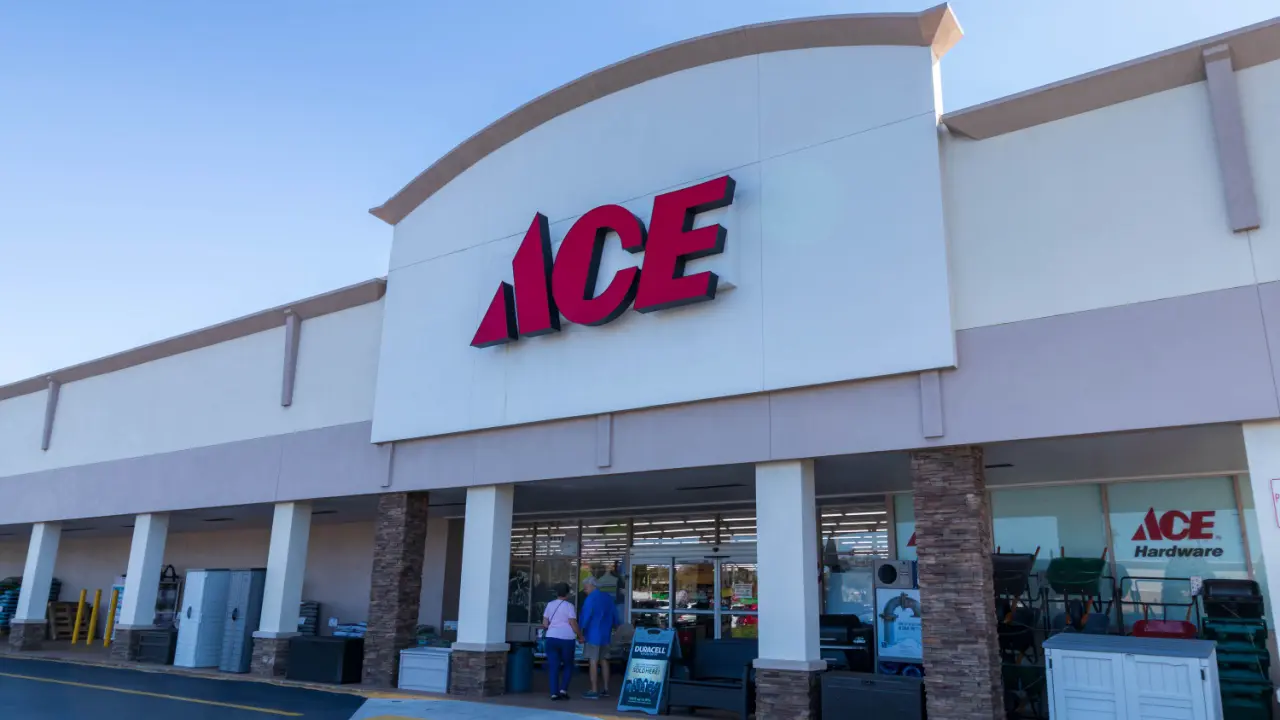
When it comes to home improvement retail, big-box chains like Home Depot and Lowe’s are often top of mind. However, retail visit share data shows that smaller-format chains such as Ace Hardware, Harbor Freight, and Tractor Supply have been outperforming their larger competitors over the past several years. 

This trend is primarily driven by store expansion and migration patterns. Ace Hardware and Harbor Freight have aggressively increased their presence in high-growth markets, particularly in smaller cities where their 10,000-20,000 square foot store footprints provide a strategic advantage. In contrast, Home Depot and Lowe’s, with their larger 100,000+ square foot layouts, face greater challenges expanding into these markets. 

The success of smaller retailers reflects a broader industry shift toward optimizing store formats, with many retailers—including those in home furnishings, department stores, and grocery – embracing smaller stores to mitigate rising operational costs and respond to evolving consumer migration trends.

Article
Walmart’s Mall Purchase: Towards a More Diversified Portfolio 
Walmart recently purchased a mall in Allegheny, PA. We took a look at the data - for this and other mall purchases - to see what may lie behind the move.
Caroline Wu
Mar 20, 2025
2 minutes

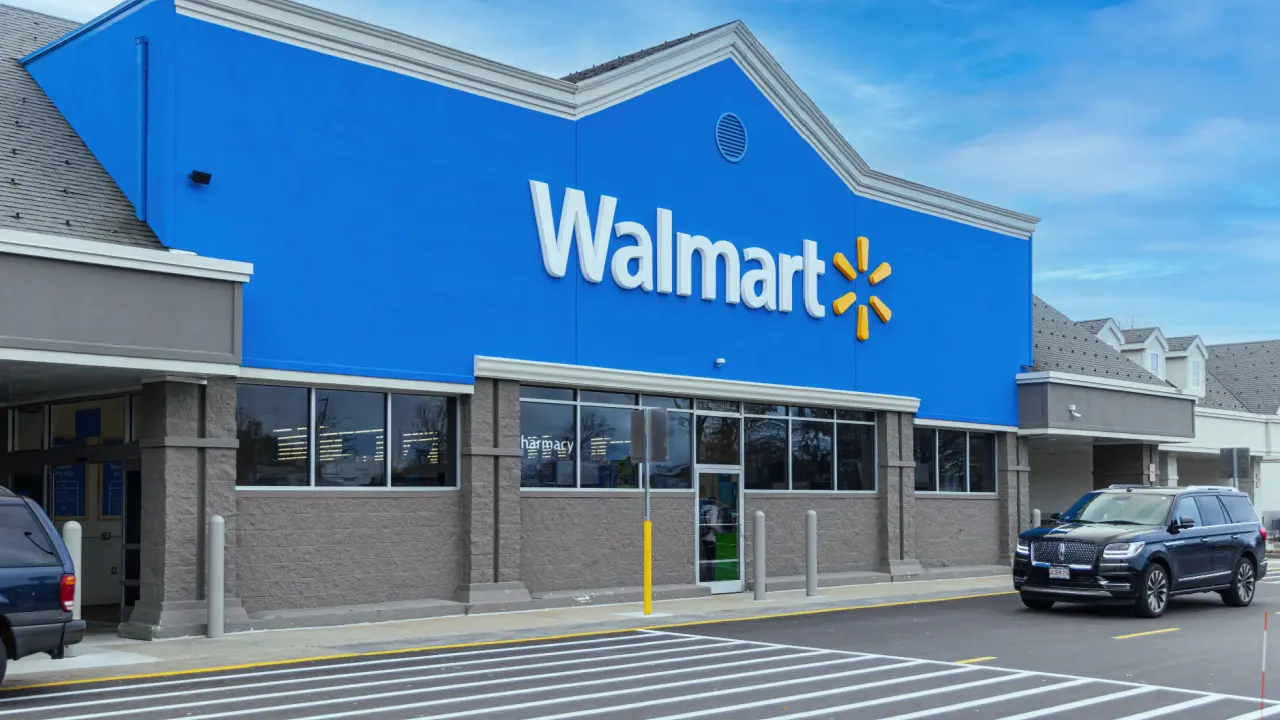
We’ve seen mall operators investing in tenants, such as when Simon and Brookfield invested in JCPenney. Of late, outlet operators such as Tanger are scooping up open-air mixed use centers. Walmart’s latest move to purchase Monroeville Mall in Allegheny, PA is also turning heads. What do all these purchases have in common? A desire to diversify.

Partnering with Cypress Equities 

Over the years, Walmart has experimented beyond retail by adding grocery, optical, pharmacy, and healthcare. Walmart is now working on the Monroeville Mall with Cypress Equities, who position themselves as partners for “distinctive retail, residential, hospitality and mixed-use opportunities.’’ Analyzing visits to some of their properties – including Bayshore Mall in Glendale, WI and Legacy Square in Linden, NJ – reveals Cypress’ strong track record in managing successful shopping centers. 

Successful Redevelopment of Legacy Square 

Legacy Square in particular saw impressive visit growth in 2024 – perhaps thanks to Cypress Equity’s investments in the center’s recent renovation. The project included opening a Walmart supercenter anchor followed by the addition of popular retailers and dining chains as well as a c-store and a medical facility – services that are increasingly coming to mixed-use centers. 

And the data suggests that the redevelopment has been a success: In 2024, a variety of retailers and dining chains at Legacy Square – including Walmart, Starbucks, Verizon, and Mattress Firm – received  significantly more visits per square foot than the New Jersey statewide average for each chain. The success of the Legacy Square redevelopment sheds some light on Walmart’s choice to partner with Cypress Equities on the Monroeville mall project. 

Monroeville’s Potential 

The current performance at Monroeville Mall shows that visitation to the mall has declined most months compared to last year, with the exception of November when visits were likely boosted by a strong Black Friday.

At the same time, the mall’s trade area includes a wide array of consumer segments – from budget conscious singles to affluent families to middle income older folks – suggesting that the mall has significant potential to increase its visitations from a variety of audience segments.

Walmart’s Retail Leadership

Walmart's strategic acquisition and redevelopment of Monroeville Mall, in partnership with Cypress Equities, reflects a broader industry trend towards diversification and the creation of mixed-use destinations. By leveraging Cypress's proven success in revitalizing properties like Legacy Square, Walmart may well transform a struggling mall into a thriving community hub, catering to a diverse demographic and further solidifying its position in the evolving retail landscape.

Article
Diving Into Breakfast Chains: What “Eggs”actly is Going On With Eggs Right Now? 
Egg prices are skyrocketing, and breakfast-focused restaurants, where eggs are a staple, are feeling the impact. We took a look at visit data to some major breakfast chains to see how price increases are affecting their foot traffic.
R.J. Hottovy and Caroline Wu
Mar 19, 2025
3 minutes

It almost feels like a throwback to the COVID era, with more people raising backyard chickens – but this time, it’s driven by skyrocketing egg prices due to bird flu. So, what’s the trickle-down effect on food and retail establishments? Breakfast-focused restaurants, where eggs are a staple – from classic dishes like eggs with bacon, sausage, potatoes, and toast to essential ingredients in pancakes and waffles – are feeling the impact most acutely. 

Breakfast Chains Implement Surcharge to Offset Egg Price Spikes

According to a recent USDA report, retail egg prices increased by 13.8% in January 2025, following an 8.4% rise in December 2024. The agency has now revised upwards its initial forecast of a 20% increase in egg prices for 2025 and now projects a 41.1% rise for the year. Data from the U.S. Bureau of Labor Statistics on the average price of a dozen large Grade A eggs also highlights the significant nature of this recent price surge from a historical perspective.

To offset this unprecedented surge in egg prices, several breakfast chains have implemented surcharges on egg-based menu items in February. Waffle House introduced a 50-cent surcharge per egg across all its locations. Similarly, Denny's added surcharges across its 1,500 locations, with fees varying based on regional impacts. Other establishments, such as Biscuitville, also imposed similar surcharges to manage escalating expenses. These measures reflect the industry's efforts to navigate the financial strain caused by the egg shortage while striving to maintain menu affordability for customers.

Visits Slow to Breakfast-First Restaurant Concepts in 2025

Broadly speaking, foot traffic across much of the retail and dining sector declined as February progressed, likely due to factors such as post-holiday spending pullbacks, decreased consumer confidence, weather, and other macroeconomic conditions. However, breakfast-first chains–including IHOP, Denny’s, Waffle House, Broken Yolk Cafe, Huddle House, Bob Evans Restaurant, Another Broken Egg Cafe, and Silver Diner have underperformed other retail and restaurant chains in our Placer 100 index.

First Watch and Silver Diner Outperform Broader Category 

Year-to-date weekly visitation trends for the largest breakfast-focused chains show that First Watch and Silver Diner are the only brands with positive year-over-year growth. In contrast, chains that implemented egg price surcharges like Waffle House and Denny’s have understandably underperformed compared to the broader category.

Silver Diner and First Watch also pull visitors from higher-income trade areas (below), which allows them to absorb costs more effectively without risking a decline in visitation. 

The surge in egg prices, which has compelled many breakfast chains to introduce surcharges, already seems to be having an impact on visitation trends to egg-forward restaurant chains. Dining concepts catering to higher-income consumers – or those less reliant on breakfast visitation – are likely to have more success weathering the current challenges. 

For more data-driven dining insights, visit placer.ai

Article
Darden Weathers the Storm
See how Darden Restaurants, Inc. fared throughout 2024 and how things are shaping up at the start of 2025.
Lila Margalit
Mar 18, 2025
2 minutes

With Q1 2025 in full swing, we dove into the data to see how Darden Restaurants, Inc. – the force behind Olive Garden, LongHorn Steakhouse, and eight additional brands – fared throughout 2024 and how things are shaping up at the start of 2025.

Yearly YoY Visit Growth in a Challenging Environment

During the three month period ending November 24th, 2024, Darden reported a 2.4% year-over-year (YoY) increase in same-restaurant sales, even as consumers continued trading down and cutting back on discretionary spending. And though Darden hasn’t been immune to the headwinds affecting the full-service restaurant sector – its overall foot traffic dipped 1.7% in Q4 2024 – the company still closed out the year with a 1.0% increase in visits compared to 2023. 

LongHorn Steakhouse leads the way

With more than 900 locations nationwide, Olive Garden is Darden’s biggest brand by far. And a look at recent monthly visitation trends shows that despite challenges, the chain held its own in 2024. On a yearly basis, visits to Olive Garden remained essentially flat in 2024 (-0.3% YoY). And several months saw positive visit growth – likely bolstered by the chain’s popular Never Ending Pasta Bowl promotion, which ran from August 26th (a week earlier for club members) to November 17th. (The chain’s October YoY visit dip may reflect a different promotional schedule in 2023, when the offer began in mid- or late-September, driving heightened demand in October.)

But Darden’s most consistent growth driver over the past several months has been LongHorn Steakhouse. The casual dining steakhouse posted a 4.4% YoY visit increase in 2024, with six of the past eight months showing positive growth. And though February 2025 saw a minor weather- and calendar-driven dip, a strong rebound during the week of February 24th suggests continued momentum.

Taking a broader look at LongHorn Steakhouse’s trajectory reveals just how consistently the chain has outperformed. Since Q1 2023, LongHorn has posted steady YoY quarterly visit gains, each quarter building on the momentum of the last. Affordable, high-quality steaks continue to resonate especially well with today’s consumers, as they seek to stretch their dining dollars to the max.

Looking Ahead

All things considered, Darden has proven remarkably resilient in a dining landscape marked by cautious consumer spending. As 2025 unfolds, expect the company’s dual emphasis on iconic promotions at Olive Garden and consistent value-driven steak offerings at LongHorn to remain key to its continued success. And if current trends hold, Darden is poised to further solidify its standing as one of the industry’s top full-service dining operators.

For more data-driven dining insights, visit placer.ai.

Reports
INSIDER
Exploring the Car Dealership Space
Dive into the foot traffic and audience segmentation data to find out where the new and used auto dealership space stands in 2023.

Overview 

This report leverages location intelligence data to analyze the auto dealership market in the United States. By looking at visit trends to branded showrooms, used car lots, and mixed inventory dealerships – and analyzing the types of visitors that visit each category – this white paper sheds light on the state of car dealership space in 2023. 

Shifts in Auto Dealerships Visit Trends

Prior to the pandemic and throughout most of 2020, visits to both car brand and used-only dealerships followed relatively similar trends. But the two categories began to diverge in early 2021. 

Visits to car brand dealerships briefly returned to pre-pandemic levels in mid-2021, but traffic fell consistently in the second half of the year as supply-chain issues drove consistent price increases. So despite the brief mid-year bump, 2021 ended with overall new car sales – as well as overall foot traffic to car brand dealerships – below 2019 levels. Visits continued falling in 2022 as low inventory and high prices hampered growth.  

Meanwhile, although the price for used cars rose even more (the average price for a new and used car was up 12.1% and 27.1% YoY, respectively, in September 2021), used cars still remained, on average, more affordable than new ones. So with rising demand for alternatives to public transportation – and with new cars now beyond the reach of many consumers – the used car market took off and visits to used car dealerships skyrocketed for much of 2021 and into 2022. But in the second half of last year, as gas prices remained elevated – tacking an additional cost onto operating a vehicle – visits to used car dealerships began falling dramatically. 

Now, the price of both used and new cars has finally begun falling slightly. Foot traffic data indicates that the price drops appear to be impacting the two markets differently. So far this year, sales and visits to dealerships of pre-owned vehicles have slowed, while new car sales grew – perhaps due to the more significant pent-up demand in the new car market. The ongoing inflation, which has had a stronger impact on lower-income households, may also be somewhat inhibiting used-car dealership visit growth. At the same time, foot traffic to used car dealerships did remain close to or slightly above 2019 levels for most of 2023, while visits to branded dealerships were significantly lower year-over-four-years. 

The situation remains dynamic – with some reports of prices creeping back up – so the auto dealership landscape may well continue to shift going into 2024.

Used Cars Appeal to a Range of Consumers

With car prices soaring, the demand for pre-owned vehicles has grown substantially. Analyzing the trade area composition of leading dealerships that sell used cars reveals the wide spectrum of consumers in this market. 

Dealerships carrying a mixed inventory of both new and used vehicles seem to attract relatively high-income consumers. Using the STI: Popstats 2022 data set to analyze the trade areas of Penske Automotive, AutoNation, and Lithia Auto Stores – which all sell used and new cars – reveals that the HHI in the three dealerships’ trade areas is higher than the nationwide median. Differences did emerge within the trade areas of the mixed inventory car dealerships, but the range was relatively narrow – between $77.5K to $84.5K trade area median HHI. 

Meanwhile, the dealerships selling exclusively used cars – DriveTime, Carvana, and CarMax – exhibited a much wider range of trade area median HHIs. CarMax, the largest used-only car dealership in the United States, had a yearly median HHI of $75.9K in its trade area – just slightly below the median HHI for mixed inventory dealerships Lithia Auto Stores and AutoNation and above the nationwide median of $69.5K. Carvana, a used car dealership that operates according to a Buy Online, Pick Up in Store (BOPIS) model, served an audience with a median HHI of $69.1K – more or less in-line with the nationwide median. And DriveTime’s trade areas have a median HHI of $57.6K – significantly below the nationwide median. 

The variance in HHI among the audiences of the different used-only car dealerships may reflect the wide variety of offerings within the used-car market – from virtually new luxury vehicles to basic sedans with 150k+ miles on the odometer. 

Tesla Leads the Car Brand Dealership Pack

Visits to car brands nationwide between January and September 2023 dipped 0.9% YoY, although several outliers reveal the potential for success in the space even during times of economic headwinds. 

Visits to Tesla’s dealerships have skyrocketed recently, perhaps thanks to the company’s frequent price cuts over the past year – between September 2022 and 2023, the average price for a new Tesla fell by 24.7%. And with the company’s network of Superchargers gearing up to serve non-Tesla Electric Vehicles (EVs), Tesla is finding room for growth beyond its already successful core EV manufacturing business and positioning itself for a strong 2024. 

Japan-based Mazda used the pandemic as an opportunity to strengthen its standing among U.S. consumers, and the company is now reaping the fruits of its labor as visits rise YoY. Porsche, the winner of U.S New & World Report Best Luxury Car Brand for 2023, also outperformed the wider car dealership sector. Kia – owned in part by Hyundai –  and Hyundai both saw their foot traffic increase YoY as well, thanks in part to the popularity of their SUV models.

Diving into Local Markets 

Analyzing dealerships on a national level can help car manufacturers make macro-level decisions on marketing, product design, and brick-and-mortar fleet configurations. But diving deeper into the unique characteristics of each dealership’s trade area on a state level reveals differences that can serve brands looking to optimize their offerings for their local audience. 

For example, analyzing the share of households with children in the trade areas of four car brand dealership chains in four different states reveals significant variation across the regional markets. 

Nationwide, Tesla served a larger share of households with children than Kia, Ford, or Land Rover. But focusing on California shows that in the Golden State, Kia’s trade area population included the largest share of this segment than the other three brands, while Land Rover led this segment in Illinois. Meanwhile, Ford served the smallest share of households with children on a nationwide basis – but although the trend held in Illinois and Pennsylvania, California Ford dealerships served more households with children than either Tesla or Land Rover.  

Leveraging Location Intelligence for Car Dealerships

Leveraging location intelligence to analyze car dealerships adds a layer of consumer insights to industry provided sales numbers. Visit patterns and audience demographics reveal how foot traffic to used-car lots, mixed inventory dealerships, and manufacturers’ showrooms change over time and who visits these businesses on a national or regional level. These insights allow auto industry stakeholders to assess current demand, predict future trends, and keep a finger on the pulse of car-purchasing habits in the United States. 

Loading results...
We couldn't find anything matching your search.
Browse one of our topic pages to help find what you're looking for.
For more in-depth analyses on a variety of subjects, explore Reports.
The Anchor Logo
INSIDER
Stay Anchored: Subscribe to Insider & Unlock more Foot Traffic Insights
Gain insider insights with our in-depth analytics crafted by industry experts
— giving you the knowledge and edge to stay ahead.
Subscribe