Thank you! Your submission has been received!
Oops! Something went wrong while submitting the form.
0
0
0
0
----------
0
0
Articles
Article
The Dining Habits of College Students
With spring break upon us, we dove into the data to see how today’s college crowd allocates its dining dollars. Where do they like to eat out? And how can brands best cater to their preferences? 
Lila Margalit
Apr 2, 2025
4 minutes

College students make up a small portion of the U.S. population, but they wield an outsize influence in the consumer market. Despite being notoriously budget-conscious, collegians value enjoyment and willingly splurge on experiences. And as tomorrow’s affluent consumers, today’s college students can deliver big future rewards for brands that successfully build lasting relationships with the segment. 

So with spring break upon us, we dove into the data to see how today’s college crowd allocates its dining dollars. Where do they like to eat out? And how can brands best cater to their preferences? 

Affordable Indulgences are the Name of the (College) Game

Tight budgets notwithstanding, students are always on the hunt for delicious treats that don’t break the bank. And while overindulgence in beer and pizza traditionally led to the dreaded “freshman fifteen”, location analytics show that today’s college students are a bit more discerning. They balance cost with a desire for elevated experiences – while also prioritizing healthier options. 

Against this backdrop, it may come as no surprise that fast-casual chains hit the college sweet spot between indulgence and affordability. In 2024, the share of STI:Landscape’s “Collegian” segment in the captured market trade areas of fast-casual chains nationwide stood at 54% above the nationwide baseline – meaning that this demographic’s representation among fast-casual’s visitor base was 54% above average. Specialty drinks – think healthful smoothies, boba teas, and juices – also stood out as particularly popular among the college crowd. Meanwhile, the share of college students in the captured markets of full-service restaurants (FSR), traditional coffee spots, and quick-service chains (QSR) was significantly lower – though still on par with, or slightly above, the nationwide baseline.

Chains Across Categories

Within the specialty drink and fast-casual segments, certain chains attract a particularly strong college following, including Noodles & Company – which likely draws students with its unique twist on comfort foods like mac and cheese. Playa Bowls and Kung Fu Tea are also especially popular among undergrads on the hunt for wholesome, convenient pick-me-ups.

Even within categories that typically see fewer college patrons, such as FSR and QSR, select brands maintain a strong hold on this market. Wine club Postino and KPOT Korean BBQ & Hotpot – both of which offer elevated, unique experiences that deliver plenty of bang for the buck –  are popular among collegians. Several mass-market FSR and QSR chains, including Waffle House, Texas Roadhouse, The Cheesecake Factory, Chili’s Grill & Bar, Raising Cane’s, Culver’s, Papa John’s Pizza, and Taco Bell also draw significantly higher-than-average college crowds. And within the coffee space, chains like Dutch Bros, and Scooter’s Coffee that offer specialty beverages like smoothies and energy drinks pull in above-average shares of college crowds.

Collegian Dining Behavior

How do college students interact with the dining brands they love? Zooming in on college town venues that cater specifically to the student crowd can shed light on the unique eating-out behaviors of this demographic. 

Lingering Over a Cup of Joe

Nationwide, the share of college students in coffee shops’ captured markets is just over the segment’s overall share in the population (+6%). But Starbucks locations near college campuses are positively teeming with students. A remarkable 81.9% of the captured market of the Starbucks near Indiana University, for example (on S. Indiana Ave in Bloomington, IN), belonged to STI:Landscape’s “Collegian” segment in 2024 – 5386% above the national average. Similar patterns were observed at locations near Texas A&M University and Penn State, where the segment made up 70.3% and 61.3%, respectively, of the locations’ visitor bases. 

And these students tended to linger far longer than visitors to other Starbucks locations, either to study or hang out with friends – between 28.0 and 34.0 minutes on average, compared to 14.1 minutes for the chain as a whole.

Snack Attack 101

Students also crave quick bites to power them through late-night study marathons and parties. Although most Taco Bells are busiest in the afternoons and early evenings, the one on S. Providence Rd. in Columbia, MO (near Mizzou) – with 68.5% of its market composed of “Collegians” – saw nearly half of visits take place after 8:00 PM last year. The same pattern held true at Taco Bell sites near the University of Florida in Gainesville and Texas A&M in College Station. 

Enjoying Summer Vacay

Collegian consumer activity typically peaks in August, when back-to-school shopping surges. And this holds true for college town restaurants as well. In 2024, visits to Chili’s locations serving college students – such as the Texas Ave S. location in College Station, TX, where the “Collegian” segment comprises 57.8% of its market – saw a notable visit spike in August. But in December, Chili's busiest month nationwide, things slowed down considerably at the analyzed campus-adjacent locations, as students headed back home for the holidays. 

Final Bites

From hearty fast-casual fare to specialty drinks, late-night burritos, and lengthy coffee shop study sessions, college students blend cost-consciousness with a desire for quality and experience. And their loyalty to brands that strike this balance – while catering to their unique preferences and behaviors – can be massive, especially once they leave campus and their spending power grows. 


Visit Placer.ai for more data-driven consumer insights.

Article
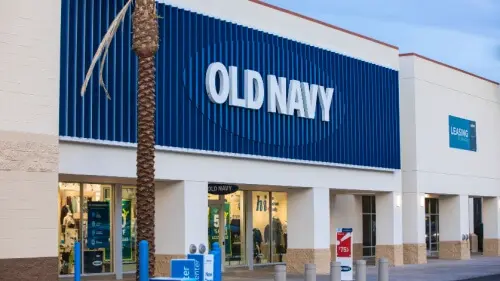
Old Navy's Foray Into Occasionwear
How has Old Navy's introduction of occasionwear impacted visits to its stores, and what can these impacts tell us about the brands' consumer base?
Shira Petrack
Apr 1, 2025
1 minute

Why has Old Navy introduced occasionwear? Examining the product selection available at the six brick-and-mortar apparel chains most frequently visited by Old Navy visitors (T.J. Maxx, Kohl’s, Marshalls, Ross Dress for Less, DICK’s Sporting Goods, and Macy’s) can shed light on the apparel needs of Old Navy’s consumer base. 

Old Navy shoppers seem to like activewear – all six of Old Navy’s biggest brick-and-mortar competitors in the apparel space carry a large selection of sportswear and athleisure. In fact, the apparel selection at DICK’s Sporting Goods – the fifth most frequently visited chain among Old Navy visitors – is limited to only athletic wear. Old Navy already holds a strong competitive position in this category with its popular activewear collection. 

But some Old Navy shoppers may be visiting brick-and-mortar apparel chains in search of the perfect evening dress – five of the top six retailers competing with Old Navy for apparel visits carry evening wear. So expanding its product line to include prom dresses and similar items may help Old Navy recapture some of the traffic lost to competitors from customers in search of occasionwear.

Article
JonasCon Brings Even More Experiential to American Dream 
American Dream hosted the first ever JonasCon on March 23rd, 2025. How did the event impact visitation trends, and what does the success of JonasCon mean for the future of malls? We dove into the data to find out.
Shira Petrack
Apr 1, 2025
4 minutes

American Dream hosted the first ever JonasCon on March 23rd, 2025. How did the event impact visitation trends, and what does the success of JonasCon mean for the future of malls? We dove into the data to find out.  

American Dream’s Bet on Experiential Finally Paying Off

American Dream has emphasized the experiential potential of malls from its inception. The massive shopping, dining, and leisure venue includes a vast array of indoor and outdoor entertainment facilities such as a water park, an indoor ski slope, and an aquarium as well as numerous stores and restaurants. And although the mall – which opened just before the COVID pandemic – has dealt with its share of setbacks, recent data suggests that American Dream has turned a corner, with leasing picking up and year-over-year quarterly visits positive throughout 2024.

JonasCon Drives Crowds to American Dream 

American Dream’s position as both a mall and an entertainment complex along with its location in New Jersey – the Jonas Brothers’ home state – made it the natural choice to host JonasCon, a one-day fan convention on March 23rd, 2025 celebrating the band’s twentieth anniversary. 

The event proved to be a major success, with visits to American Dream surging 146.5% higher than the YTD average and 72.8% higher than a YTD Sunday. Visitors during JonasCon also stayed significantly longer in the mall, with the average visit on March 23rd lasting 220 minutes – almost four hours – compared to an average stay of 141 minutes for the YTD.

Out-of-Town Visits Spike 

The JonasCon visit spike was driven in part by own-of-towners making the trip especially for the event. On March 23rd, over 25% of visitors to American Dream came from at least 50 miles away, compared to just 17.9% of visitors coming from 50+ miles away for the YTD average. The surge in overall visits, the extended dwell time, and the significant influx of out-of-towners directly translated to increased opportunities for spending across the entire venue.

Affluent Singles Came Out for JonasCon

The event also seems to have attracted more singles from more affluent households compared to American Dream’s regular visitor base: The mall’s trade area on March 23rd included fewer households with children and more one person and non-family households compared to the YTD average, and the trade area median household income (HHI) stood at $93.0K compared to the $89.9K median HHI for the YTD. 

The popularity of JonasCon among the coveted demographic of affluent singles highlights how malls can target certain audiences by organizing specific happenings. Most malls offer something for everyone – American Dream in particular has a range of offerings for different age groups and at different price points, including a variety of free exhibits. But while providing options for almost any consumer creates the potential for a large and varied visitor base, certain demographics might need an extra nudge to come through the door for the first time. Offering unique experiences can help malls bring in certain groups of consumers that may be underrepresented in the mall’s regular visitor base – perhaps fostering return visits and growing their regular audience.

What Does JonasCon’s Success Mean for the Future of Malls? 

Through JonasCon, American Dream has once again cemented its position at the forefront of the experiential mall movement. The venue represents a broader trend as some malls evolve beyond transactional spaces to become centers of shared experience – whether through built-in elements or by offering unique experiences through one-off entertainment and events. 

The success of JonasCon along with the ongoing visit growth at American Dream highlights the current consumer appetite for exciting and engaging offline experiences – and malls are extremely well positioned to meet this demand. 

For more data-driven retail insights, visit placer.ai

Article
What Happened to Family Dollar? 
Dollar Tree's recently announced plan to sell Family Dollar at a significant loss is another sign of the recent struggles in the discount and dollar store sector. We dove into the data to understand what is driving Dollar Tree’s decision and what this means for Family Dollar moving forward.
Shira Petrack
Mar 31, 2025
5 minutes

Dollar Tree's recently announced plan to sell Family Dollar at a significant loss is another sign of the recent struggles in the discount and dollar store sector, highlighted by last year’s closure of 99 Cents Only and Big Lots' bankruptcy filing. We dove into the data to understand what is driving Dollar Tree’s decision and what this means for Family Dollar moving forward.  

Growth Decelerating for Wider Discount & Dollar Store Category

The discount & dollar store category had been on the rise before the pandemic, and COVID gave the segment another considerable boost – in part thanks to discount and dollar stores’ designation as “essential retailers” that could remain open during lockdowns. Category leaders Dollar General and Dollar Tree continued their aggressive fleet expansions to meet the growing consumer demand, which led to a substantial overall increase in visits to the category. 

But zooming in on 2024 data suggests that visit growth to the category is slowing down. Although discount & dollar stores are holding on to their pandemic gains – traffic to the segment is still 57.8% higher than it was in 2017 – year-over-year (YoY) growth is slowing, with 2024 visits up 2.8% compared to 2023, in contrast to 2022 and 2023’s YoY jumps of 7.8% and 7.7%, respectively. 

This deceleration of growth is not in itself worrisome – no retail category can sustain rapid growth indefinitely. But the visit trends do signal that discount & dollar store leaders seeking an edge over the competition will need to adopt more strategic approaches and avoid allocating resources to overly risky ventures.

Dollar Tree Thrived While Family Dollar Lagged Behind 

Overall visits to the Dollar Tree brand were already on the rise prior to COVID and skyrocketed over the pandemic – leading to a 60.1% increase in overall visits between 2017 and 2024. But, like with the wider category, traffic growth to Dollar Tree seems to be decelerating – the banner posted a 5.4% YoY increase in visits in 2024 compared to a 13.9% YoY increase in 2023.

But Family Dollar lagged behind, apparently immune to the COVID-driven dollar store visit surge. Traffic to the chain in 2024 was down 4.0% YoY and just 3.6% higher than it was in 2017. And although Dollar Tree’s decision to close nearly 1000 Family Dollar stores appears to be bearing fruit – in 2024, average visits per venue were up 1.7% YoY and 16.9% relative to the 2017 baseline – the improvement seems to have been insufficient to prevent the banner’s sale.

What Hampered Family Dollar’s Growth? 

Family Dollar has faced plenty of difficulties in the last several years, so it’s difficult to attribute Dollar Tree’s offloading of the banner to a single factor. Still, one major element that likely hurt the brand’s performance was the intensified competition from other discount and dollar store leaders – including from sister banner Dollar Tree. 

Family Dollar visitors have always been keen Walmart shoppers – since 2019, over 90% of Family Dollar yearly visitors also visited Walmart, and these cross-visit trends have remained relatively stable over the past six years. Other dollar stores were not always as popular with Family Dollar shoppers – in 2019, less than two-thirds of Family Dollar visitors also visited a Dollar Tree or a Dollar General. But as those chains grew, so did their appeal to Family Dollar shoppers – by 2024, over three-quarters of Family Dollar visitors also visited Dollar Tree or Dollar General – and this increased competition likely hampered Family Dollar’s growth.

Family Dollar Can Fill a Unique Niche in the Dollar Store Space

Still, despite the increasingly competitive discount and dollar store space, analyzing Family Dollar’s trade area composition reveals that the chain fills a unique niche within the broader discount retail sector. 

Family Dollar tends to attract the least affluent visitor base – the median household income (HHI) in the chain’s captured market trade area is $53.9K, compared to $67.6K, $61.8K, and $68.7K for Walmart, Dollar General, and Dollar Tree, respectively. Family Dollar’s captured market also includes the highest share of urban areas, with 36.9% of its trade area defined as “Urban Periphery” or “Principal Urban Center” by the Esri: Tapestry Segmentation database. 

Family Dollar can draw on its distinctive position as an urban-based retailer catering to value-seeking consumers to set itself apart from the competition and lay the groundwork for a successful resurgence.

Family Dollar’s Path to a Comeback

Although Family Dollar was sold at a substantial discount from its original purchase price, the chain still has a promising opportunity to re-establish itself as a powerful contender in the discount retail landscape. By prioritizing locations in urban areas that are less exposed to direct competition from the other major players and keeping its prices competitive with those of other dollar and discount retailers, Family Dollar can lay the groundwork for a successful resurgence. 

For more data-driven retail insights, visit placer.ai 

Article
The Impending Transformation of Bev-Alc Retail
Five years after the pandemic, and deep into a renewed national interest in wellness and sober living, how is the Bev Alc segment faring? We took a deep dive into the space to uncover new trends, changes with consumer engagement, and potential headwinds for the industry. 
Elizabeth Lafontaine
Mar 28, 2025
5 minutes

Consumers have been taking stock of their habits and behaviors over the past few years. With the explosion of semaglutide medications in the market and the high frequency of adoption by consumers, there’s a renewed focus on health and wellness across the U.S. population that extends to other consumption behaviors. One of the outcomes of this change in perspective is the increased scrutiny around the consumption of alcoholic beverages – especially among younger consumers. 

At the same time, alcohol consumption increased handily during the pandemic, which has helped liquor stores and retail chains to stand out from the rest of the retail industry. As we hit the five year anniversary of the beginning of the pandemic, it’s time to dive deeper into the Bev Alc space to uncover new trends, changes with consumer engagement, and potential headwinds for the industry. 

Deceleration in Liquor Store Visit Growth in 2024

Liquor store chains benefited greatly from shifts in behavior during the pandemic, and for the most part, they’ve been able to sustain those levels of success over the past few years. However, 2024 signaled a deceleration of foot traffic growth across chains, particularly in the second half of the year. 

Bev Alc had been a visitation leader in the essential side of the retail industry in the early days of the pandemic, and the category continued to benefit greatly from sustained levels of alcohol consumption even after pandemic restrictions eased. But as with all pandemic-era consumer habits, as we approach the five year anniversary, reversal of some trends are taking shape:  While year-over-year visits continued to rise in 2024, last year’s 4.0% average increase in monthly visits was significantly less than the 8.6%, 9.1%, 7.1%, or 6.7% average increases in monthly visits in 2020, 2021, 2022, and 2023, respectively. 

There are also various factors that could potentially impact the industry this year: Decreased consumption of alcohol that could have played a role in 2024’s softening of visits is likely to continue in 2025, and potential tariffs on popular spirits like Tequila and Mezcal may impact consumer preferences going forward.

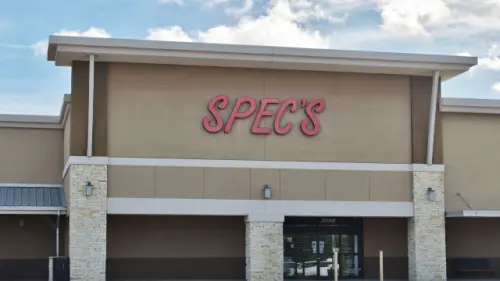
Spec’s Outperformed the Bev Alc Category in 2024  

From a retailer perspective, Spec’s posted the strongest visit performance while BevMo! had the most challenging 2024 of the larger liquor retail chains, although most chains experienced some softening in foot traffic throughout the year. Bev Alc retail is a notoriously regional and local category, meaning that changes in foot traffic by chain are often impacted by what’s going on in a specific region of the U.S. BevMO! services Arizona, California and Washington, so the chain’s modest performance may point to some decreases in demand across the western part of the country. Meanwhile, Spec’s operates primarily in Texas, and its consistent YoY visit growth throughout 2024 may suggest that the shift in alcohol consumption habits has been more muted in the Lone Star State. 

What’s Driving Liquor Store Visitation Shifts? 

With the broader context of what’s going on across the category analyzed, what’s really driving these changes in visitation to liquor stores? As referenced, there’s been a narrative that younger consumers’ changing alcohol consumption habits will greatly impact the Bev Alc space. 

But layering Spatial.ai’s Personalive demographic and psychographic visitor segmentation onto liquor store’s captured market reveals a slightly more nuanced reality. The data shows that between 2019 and 2024, the share of wealthier families and of Educated Urbanites – a younger, well-educated, and more affluent cohort – in the captured market of liquor stores. During the same period, the share of Young Professionals and Young Urban Singles – both segments of younger visitors have lower median household incomes than Educated Urbanites – actually increased. 

What the data reveals is that we can’t build a singular narrative around the alcohol habits of all younger consumers; there’s also a layer of socioeconomics that has also impacted consumers' desire to frequent liquor stores and engage in alcohol consumption. This knowledge may also contribute to the changes we’ve seen in BevMo!’s business, as their highest shares of visitation come from wealthier families and Educated Urbanites.

Shifts in Visit Times

Foot traffic estimates also reveal that consumers have shifted the time of day that they visit liquor store chains. In 2024, we observed a higher share of visits after 3 PM compared to 2019, with the largest penetration shift coming between the hours of 6 PM to 8 PM. Consumers are visiting liquor stores more frequently after working hours than before the pandemic, which underscores the shifting role of alcohol in people’s lives. Our data also indicated a higher distribution of visits during weekdays in 2024 compared to 2019, but a lower share of weekend visits. 

Liquor store visit frequency contextualizes the changes that we’ve observed in consumption habits, highlighting that, despite the increased interest in moderating drinking habits, the pandemic did fundamentally shift how people engage with the category and alcohol retail has become more of a presence in consumers’ weekly routines. 

Adapting to Shifting Consumer Preferences 

As the cultural perception of alcohol shifts, changes are likely to occur across the industry. We’ve observed more liquor brands opening bars and drinking establishments to engage directly with consumers, while there’s also still a continued rise in local and regional brands popping up. Another area that has been growing steadily over the past few years is non-alcoholic beverages. The aisles of grocery stores and liquor stores are now filled with non-alcoholic alternatives of brand names, as well as mocktail entrants into wildly popular canned cocktails. Beyond that, there’s also been an increase in the number of non-alcoholic bottle shops, and the prevalence of non-alcoholic options will likely continue to grow and extend to other areas of the country outside of major cities. The Bev Alc industry is at a true crossroads with consumers, and consumer behavior will dictate how the industry must evolve to stay relevant.

Article
The Changing Apparel Landscape in 2025
The apparel space has faced considerable headwinds in recent years – from changing consumer preferences to cutbacks in discretionary spending. We dove into the data for various apparel categories to explore emerging industry trends and see what foot traffic patterns can tell us about the state of ap
Ezra Carmel
Mar 27, 2025
4 minutes

The apparel space has faced considerable headwinds in recent years – from changing consumer preferences to cutbacks in discretionary spending. We dove into the data for various apparel categories to explore emerging industry trends and see what foot traffic patterns can tell us about the state of apparel in 2025.  

Off-Price and Thrift Gain Relative Visit Share

Consumers’ emphasis on value and the excitement of a constantly changing inventory have significantly impacted the apparel space in recent years – and off-price chains and thrift stores are reaping the benefits. 

Between 2019 and 2024, off-price and thrift store chains claimed growing shares of the overall apparel visit pie. Off-price’s visit share jumped from 28.1% in 2019 to 35.1% in 2024, while thrift’s increased from 9.4% to 12.2%. And while this growth came at the expense of traditional department stores and general apparel chains, the relative visit share of our luxury segment remained relatively stable – likely due to its more affluent and less value-seeking clientele. 

The activewear and athleisure segment, for its part, has followed a more nuanced path in recent years. The activewear and athleisure segment saw relative visit share growth during the pandemic (between 2019 and 2021), as home workout routines and comfortable clothing became the norm. But in 2022, the category began to revert to its pre-pandemic visit share, likely due to the return of in-person gatherings and return-to-office trends

Substantive Gains for Off Price and Thrift

Analysis of yearly visits to various apparel categories provides further insight into their foot traffic trajectories. 

Since 2021, off-price visits have steadily increased compared to 2019, while thrift store visits have consistently outperformed 2019 levels since 2022. This indicates that the off-price and thrift segments are experiencing absolute visit growth alongside increased relative visit share. 

However, over the last four years, visits to traditional department stores and general apparel retailers have consistently underperformed 2019 baselines – while luxury retailers have seen visits decline even as they have maintained relative visit share stability. Meanwhile, following three years of visits above 2019 levels, activewear and athleisure visits have begun to decline, dipping below the 2019 benchmark in 2024.

Singles and Large Families Drive Success

Diving into the audience demographics in the apparel space reveals several trends behind the growth of the off-price and thrift segments. 

In 2024, compared to the other apparel categories, off-price had the largest share of large households (3+ people) within its captured market* (42.1%), while thrift stores had the smallest share (39.0%). This could mean that off-price chains resonate with families seeking budget-friendly staples, whereas thrift stores appeal to singles hunting for unique items. 

*A category’s captured market is derived by the census block groups (CBGs) from which retailers draw their visitors weighted by the share of visits from each, and thus reflects the population that visits the category.

Consumer Behavior By Apparel Category

Diving deeper into consumer behavior in the apparel space reveals additional visitation trends in the off-price and thrift categories. 

Of the analyzed apparel categories, off-price had the longest average visit duration in 2024, followed closely by thrift. Though off-price and thrift formats share a treasure-hunting environment, off-price's higher proportion of larger households may contribute to longer dwell times, as visitors shop for multiple family members at once. Still, thrift store visitors, likely to come from small households, seem to spend significant time treasure-hunting for their own wardrobes. Activewear and athleisure, meanwhile, saw the shortest average dwell time – likely driven by customers who go into the stores knowing exactly what they want.

And of the apparel categories analyzed, thrift had the largest share of weekday visits (Monday - Friday) in 2024, perhaps since its visitors are more likely to be singles and young couples free of family commitments after work or retirees with weekday availability. Still, off-price also had a relatively elevated share of weekday visitors compared to most apparel categories, suggesting that visitors juggling family-driven schedules view off-price shopping as an errand rather than a recreational activity.  

Apparel in a Nutshell

Consumer preferences for value and unique finds are reshaping the apparel retail landscape, driving substantial growth in the off-price and thrift segments. While traditional retail models face challenges, understanding these shifts in consumer behaviors and demographics is key to finding success in this dynamic environment.

For more data-driven retail insights, visit Placer.ai.

Reports
INSIDER
2024 Hotel Visit Trends
Despite inflation and other headwinds, the hotel industry presents significant growth opportunities across tiers, regions, and audience segments.
August 1, 2024


Hospitality Report Card

The pandemic and economic headwinds that marked the past few years presented the multi-billion dollar hotel industry with significant challenges. But five years later, the industry is rallying – and some hotel segments are showing significant growth.

This white paper delves into location analytics across six major hotel categories – Luxury Hotels, Upper Upscale Hotels, Upscale Hotels, Upper Midscale Hotels, Midscale Hotels, and Economy Hotels – to explore the current state of the American hospitality market. The report examines changes in guest behavior, personas, and characteristics and looks at factors driving current visitation trends. 

An Upper Midscale Sweet Spot

Overall, visits to hotels were 4.3% lower in Q2 2024 than in Q2 2019 (pre-pandemic). But this metric only tells part of the story. A deeper dive into the data shows that each hotel tier has been on a more nuanced recovery trajectory. 

Economy chains – those offering the most basic accommodations at the lowest prices – saw visits down 24.6% in Q2 2024 compared to pre-pandemic – likely due in part to hotel closures that have plagued the tier in recent years. Though these chains were initially less impacted by the pandemic, they were dealt a significant blow by inflation – and have seen visits decline over the past three years. As hotels that cater to the most price-sensitive guests, these chains are particularly vulnerable to rising costs, and the first to suffer when consumer confidence takes a hit.

Luxury Hotels, on the other hand, have seen accelerated visit growth over the past year – and have succeeded in closing their pre-pandemic visit gap. Upscale chains, too, saw Q2 2024 visits on par with Q2 2019 levels. As tiers that serve wealthier guests with more disposable income, Luxury and Upscale Hotels are continuing to thrive in the face of headwinds. 

But it is the Upper Midscale level – a tier that includes brands like Trademark Collection by Wyndham, Fairfield by Marriott, Holiday Inn Express by IHG Hotels & Resorts, and Hampton by Hilton – that has experienced the most robust visit growth compared to pre-pandemic. In Q2 2024, Upper Midscale Hotels drew 3.5% more visits than in Q2 2019. And during last year’s peak season (Q3 2023), Upper Midscale hotels saw the biggest visit boost of any analyzed tier. 

As mid-range hotels that still offer a broad range of amenities, Upper Midscale chains strike a balance between indulgence and affordability. And perhaps unsurprisingly, hotel operators have been investing in this tier: In Q4 2023, Upper Midscale Hotels had the highest project count of any tier in the U.S. hotel construction and renovation pipeline. 

Upper Midscale Hotels Gain Visit Share

The shift in favor of Upper Midscale Hotels and away from Economy chains is also evident when analyzing changes in relative visit share among the six hotel categories. 

Upper Midscale hotels have always been major players: In H1 2019 they drew 28.7% of overall hotel visits – the most of any tier. But by H1 2024, their share of visits increased to 31.2%. Upscale Hotels – the second-largest tier – also saw their visit share increase, from 24.8% to 26.1%. 

Meanwhile, Economy, Midscale, and Upper Upscale Hotels saw drops in visit share – with Economy chains, unsurprisingly, seeing the biggest decline. Luxury Hotels, for their parts, held firmly onto their piece of the pie, drawing 2.8% of visits in H1 2024.

The Guests Driving Upper Midscale Chain Growth

Who are the visitors fueling the Upper Midscale visit revival? This next section explores shifts in visitor demographics to four Upper Midscale chains that are outperforming pre-pandemic visit levels: Trademark Collection by Wyndham, Holiday Inn Express by IHG Hotels & Resorts, Fairfield by Marriott, and Hampton by Hilton

A Variety of (Rising) Income Levels

Analyzing the captured markets* of the four chains with demographics from STI: Popstats (2023) shows variance in the relative affluence of their visitor bases. 

Fairfield by Marriott drew visitors from areas with a median household income (HHI) of $84.0K in H1 2024, well above the nationwide average of $76.1K. Hampton by Hilton and Trademark Collection by Wyndham, for their parts, drew guests from areas with respective HHIs of $79.6K and $78.5K – just above the nationwide average. Meanwhile, Holiday Inn Express by IHG Hotels & Resorts drew visitors from areas below the nationwide average. 

But all four brands saw increases in the median HHIs of their captured markets over the past five years. This provides a further indication that it is wealthier consumers – those who have had to cut back less in the face of inflation – who are driving hotel recovery in 2024.

(*A chain’s captured market is obtained by weighting each Census Block Group (CBG) in its trade area according to the CBG’s share of visits to the chain – and so reflects the population that actually visits the chain in practice.) 

Identifying Regional Growth Opportunities

Much of the Upper Midscale visit growth is being driven by chain expansion. But in some areas of the country, the average number of visits to individual hotel locations is also on the rise – highlighting especially robust growth potential. 

Tourism Booms Bolster Visits Per Location

Analyzing visits to existing Upper Midscale chains in four metropolitan areas with booming tourism industries – Salt Lake City, UT, Palm Bay, FL, San Diego, CA, and Richmond, VA – shows that these markets feature robust untapped demand.

Utah, for example, has emerged as a tourist hotspot in recent years – with millions of visitors flocking each year to local destinations like Salt Lake City to see the sights and take in the great outdoors. And Upper Midscale hotels in the region are reaping the benefits. In H1 2024, the overall number of visits to Upper Midscale chains in Salt Lake City was 69.4% higher than in H1 2019. Though some of this increase can be attributed to local chain expansion, the average number of visits to each individual Upper Midscale location in the area also rose by 12.5% over the same period.  

Palm Bay, FL (the Space Coast) – another tourist favorite – is experiencing a similar trend. Between H1 2019 and H1 2024, overall visits to local Upper Midscale hotel chains grew by 36.4% – while the average number of visits per location increased a substantial 16.9%. Given this strong demand, it may come as no surprise that the area is undergoing a hotel construction boom. Upper Midscale hotels in other areas with flourishing tourism sectors, like San Diego, CA and Richmond, VA, are seeing similar trends, with increases in both overall visits and and in the average number of visits per location. 

Extended Stay: An Economy Bright Spot 

Though Economy chains have underperformed versus other categories in recent years, the tier does feature some bright spots. Some extended-stay brands in the Economy tier – hotels with perks and amenities that cater to the needs of longer-stay travelers – are succeeding despite category headwinds. 

Young Professionals Fuel Extended-Stay Success

Choice Hotels’ portfolio, for example, includes WoodSpring Suites, an Economy chain offering affordable extended-stay accommodations in 35 states. In H1 2024, the chain drew 7.7% more visits than in the first half of 2019 – even as the wider Economy sector continued to languish. InTown Suites, another Economy extended stay chain, saw visits increase by 8.9% over the same period.

And location intelligence shows that the success of these two chains is likely being driven, in part, by their growing appeal to young, well-educated professionals. In H1 2019, households belonging to Spatial.ai: PersonaLive’s “Young Professionals” segment made up 9.6% of WoodSpring Suites’ captured market. But by H1 2024, the share of this group jumped dramatically to 13.3%. At the same time, InTown Suites saw its share of Young Professionals increase from 12.0% to 13.4%.

Whether due to an affinity for prolonged “workcations” (so-called “bleisure” excursions) or an embrace of super-commuting, younger guests have emerged as key drivers of growth for the extended stay segment. And by offering low–cost accommodations that meet the needs of these travelers, Economy chains can continue to grow their share of the pie.

Market Recovery Led by Affordable, Quality Experiences

The hospitality industry recovery continues – led by Upper Midscale Hotels, which offer elevated experiences that don’t break the bank. But today’s market has room for other tiers as well. By keeping abreast of local visitation patterns and changing consumer profiles, hotels across chain scales can personalize the visitor experience and drive customer satisfaction.

INSIDER
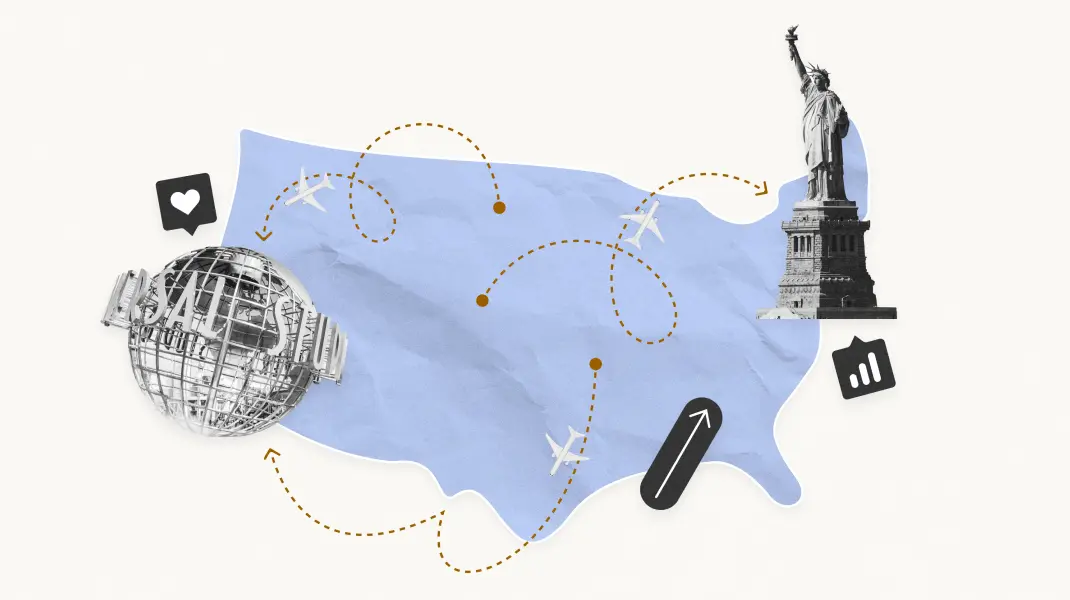
Domestic Tourism Trends in NYC and LA
Dive into the data to explore evolving domestic tourism trends in New York City and Los Angeles – two of the nation's prime travel destinations.
July 25, 2024
6 minutes

Shifting Tourism Patterns  

The past few years have provided the tourism sector with a multitude of headwinds, from pandemic-induced lockdowns to persistent inflation and a rise in extreme weather events. But despite these challenges, people are more excited than ever to travel – more than half of respondents to a recent survey are planning on increasing their travel budgets in the coming months.

And while revenge travel to overseas destinations is still very much alive and well, the often high costs associated with traveling abroad are shaping the way people choose to travel. Domestic travel and tourism are seeing significant growth as more affordable alternatives.

This white paper takes a closer look at two of the most popular domestic tourism destinations in the country – New York City and Los Angeles. Over the past year, both cities have continued to be leading tourism hotspots, offering a wealth of attractions for visitors. What does tourism to these two cities look like in 2024, and what has changed since before the pandemic? How have inflation and rising airfare prices affected the demographics and psychographics of visitors to these major hubs?

Major Metropolitan Magnets For Domestic Tourism

Analyzing the distribution of domestic tourists across CBSAs nationwide from May 2023 to April 2024 reveals New York and Los Angeles to be two of the nation’s most popular destinations. (Tourists include overnight visitors staying in a given CBSA for up to 31 days). 

The New York-Newark-Jersey City, NY-NJ-PA metro area drew the largest share of domestic tourists of any CBSA during the analyzed period (2.7%), followed closely by the Los Angeles-Long Beach-Anaheim, CA CBSA (2.5%). Other domestic tourism hotspots included Orlando-Kissimmee-Sanford, FL (tied for second place with 2.5% of visitors), Dallas-Fort Worth-Arlington, TX (1.9%), Las Vegas-Henderson-Paradise, NV (1.8%), Miami-Fort Lauderdale-Pompano Beach, FL (1.8%), and Chicago-Naperville, Elgin, IL-IN-WI (1.6%). 

New York City - An East Coast Destination 

The Big Apple. The City That Never Sleeps. Empire City. Whatever it’s called, New York City remains one of the most well-known tourist destinations in the world. And for many Americans, New York is the perfect place for an extended weekend getaway – or for a multi-day excursion to see the sights. 

Flocking to the Big Apple From Nearby Metro Areas

But where do these NYC-bound vacationers come from? Diving into the data on the origin of visitors making medium-length trips to New York City (three to seven nights) reveals that increasingly, these domestic tourists are coming from nearby metro areas. 

Between 2018-2019 and 2023-2024, for example, the number of tourists visiting New York City from the Philadelphia metro area increased by 19.2%. 

The number of tourists coming from the Boston and Washington, D.C metro areas, and from the New York CBSA itself (New York-Newark-Jersey City, NY-NJ-PA) also increased over the same period. 

Meanwhile, further-away CBSAs like San Francisco-Oakland-Berkeley, CA, Atlanta-Sandy Springs-Alpharetta, GA, and Miami-Fort Lauderdale-Pompano Beach, FL fed fewer tourists to NYC in 2023-2024 than they did pre-pandemic. It seems that residents of these more distant metro areas are opting for vacation destinations closer to home to avoid the high costs of air travel.

Younger Travelers Visit NYC

Diving even deeper into the characteristics of visitors taking medium-length trips to New York City reveals another demographic shift: Tourists staying between three and seven nights in the Big Apple are skewing younger.

Between 2018-2019 and 2023-2024, the share of visitors to New York City from areas with median ages under 30 grew from 2.1% to 4.5%. Meanwhile, the share of visitors from areas with median ages between 31 and 40 increased from 34.3% to 37.7%.

The impact of this trend is already being felt in the Big Apple, with The Broadway League reporting that the average age of audiences to its shows during the 2022- 2023 season was the youngest it had been in 20 seasons.

New York City Attractions Draw Younger Visitors

The shift towards younger tourists can also be seen when examining the psychographic makeup of visitors to popular attractions in New York City. Analyzing the captured markets of major NYC landmarks with data from Spatial.ai’s PersonaLive dataset reveals an increase in households belonging to the “Educated Urbanites” segment between 2018-2019 and 2023-2024. 

These well-educated, young singles are increasingly visiting iconic NYC venues such as the Whitney Museum of American Art, The Metropolitan Museum of Art, The American Museum of Natural History, and the Statue of Liberty. This shift highlights the growing popularity of these attractions among young, educated singles, reflecting a broader trend of increased domestic tourism among this demographic.

New York City’s tourism sector is adapting to meet the changing needs of travelers, fueled increasingly by younger visitors who may be unable to take a costly international vacation. How have travel patterns to Los Angeles changed in response to increasing travel costs? 

Los Angeles -  A West Coast Favorite

Tourism to Los Angeles Fed By Households of Modest Means

While New York City is the East Coast’s tourism hotspot, Los Angeles takes center stage on the West Coast. And as overseas travel has become increasingly out of reach for Americans with less discretionary income,  the share of domestic tourists originating from areas with lower HHIs has risen. 

Before the pandemic, 57.6% of visitors to LA came from affluent areas with median household incomes (HHIs) of over $90K/year. But by 2023-2024, this share decreased to 50.7%. Over the same period, the share of visitors from areas with median HHIs between $41K and $60K increased from 9.7% to 12.5%, while the share of visitors from areas with HHIs between $61K and $90K rose from 32.1% to 35.8%.

Higher Shares of Middle-Income Families Visit Los Angeles

Diving into the psychographic makeup of visitors to popular Los Angeles attractions – Universal Studios Hollywood, Disneyland California, the Santa Monica Pier, and Griffith Observatory – also reflects the above-mentioned shift in HHI. The captured markets of these attractions had higher shares of middle-income households belonging to the “Family Union” psychographic segment in 2023-2024 than in 2018-2019. 

Experian: Mosaic defines this segment as “middle income, middle-aged families living in homes supported by solid blue-collar occupations.” Pre-pandemic, 16.0% of visitors to Universal Studios Hollywood came from trade areas with high shares of “Family Union” households. This number jumped to 18.8% over the past year. A similar trend occurred at Disneyland, Santa Monica Pier, and Griffith Observatory.

Californians Love Los Angeles 

And like in New York City, growing numbers of visitors to Los Angeles appear to be coming from nearby areas. Between 2018-2019 and 2023-2024, the share of in-state visitors to major Los Angeles attractions increased substantially – as people likely sought to cut costs by keeping things local. 

Pre-pandemic, for example, 68.9% of visitors to Universal Studios Hollywood came from within California –  a share that increased to 72.0% over the past year. Similarly, 59.7% of Griffith Observatory visitors in 2018-2019  came from within the state – and by 2023-2024, that number grew to 64.7%.

Final Tourist Destination

Even when times are tight, people love to travel – and New York and Los Angeles are two of their favorite destinations. With prices for airfare, hotels, and dining out increasing across the board, younger and more price-conscious households are adapting, choosing to visit nearby cities and enjoy attractions closer to home. And as the tourism industry continues its recovery, understanding emerging visitation trends can help stakeholders meet travelers where they are.

INSIDER
Report
Q2 2024 – Retail & Restaurant Review
Discover how discount and dollar stores, grocery chains, fitness clubs, superstores, home improvement and furnishing chains, and restaurants fared in Q2 2024.
July 18, 2024
6 minutes

Q2 2024 Overview

The positive retail momentum observed in Q1 2024 continued into Q2 – as stabilizing prices and a strong job market fostered cautious optimism among consumers. Year-over-year (YoY) retail foot traffic remained elevated throughout the quarter, with June in particular seeing significant weekly visit boosts ranging from 4.7% to 8.5%.

The robustness of the retail sector in Q2 was also highlighted by positive visit growth during the quarter’s special calendar occasions, including Mother’s Day (the week of May 6th) and Memorial Day (the week of May 27th). And though consumer spending may moderate as the year wears on, retail’s strong Q2 showing offers plenty of room for optimism ahead of back-to-school sales and other summer milestones.

Consumers Double Down on Value and Essential Goods

On a quarterly basis, overall retail visits rose 4.2% in Q2. And diving into specific categories shows that value continued to reign supreme, with discount and dollar stores seeing the most robust YoY visit growth (11.2%) of any analyzed category. 

Other essential goods purveyors, such as grocery store chains (7.6%) and superstores (4.6%), also outperformed the overall retail baseline. And fitness – a category deemed essential by many health-conscious consumers – outpaced overall retail with a substantial 6.0% YoY foot traffic increase. 

The decidedly more discretionary home improvement industry performed less well than overall retail in Q2 – but in another sign of consumer resilience, it too experienced a YoY visit uptick. And overall restaurant foot traffic increased 2.6% YoY.

Discount & Dollar Stores 

Discount and dollar stores enjoyed a strong Q2 2024, maintaining YoY visit growth above 10.0% for six out of the quarter’s 13 weeks. Only during the week of April 1st did the category see a temporary decline, likely the result of an Easter calendar shift. (The week of April 1st 2024 is being compared to the week of April 3rd, 2023, which included the run-up to Easter) 

Some of this growth can be attributed to the continued expansion of segment leaders like Dollar General. But the category has also been bolstered by the emphasis consumers continue to place on value in the face of still-high prices and economic uncertainty. 

Expanding Store Counts – and Visits

Dollar General, which has been expanding both its store count and its grocery offerings, saw YoY visits increase between 9.1% and 15.9% throughout the quarter. Affordable-indulgence-oriented Five Below, which has also been adding locations at a brisk clip, saw YoY visits increase between 4.9% and 18.8%.

And though Dollar Tree has taken steps to rightsize its Family Dollar brand, the company’s eponymous banner – which caters to middle-income consumers in suburban areas – continued to grow both its store count and its visits in Q2.

Grocery Stores

Grocery store chains also performed well in Q2 2024 – experiencing strongly positive foot traffic growth throughout the quarter. Though the sector continues to face its share of challenges, stabilizing food-at-home prices and improvements in employee retention and supply chain management have helped propel the industry forward. 

Aldi Ahead of the Pack

Diving into the performance of specific chains shows that within the grocery segment, too, price was paramount in Q2 2024 – with limited-assortment value grocery stores like Aldi and Trader Joe’s leading the way. 

Traditional chains H-E-B and Food Lion (owned by Ahold Delhaize) – both of which are known for relatively low prices – outperformed the wider grocery sector with respective YoY foot traffic boosts of 11.4% and 8.7%. But ShopRite, Safeway (owned by Albertsons), Kroger, and Albertsons also drew more visits in Q2 2024 than in the equivalent period of last year. 

Fitness

Fitness has proven to be relatively inflation-proof in recent years – thriving even in the face of reduced discretionary spending and consumer cutbacks. Indeed, rising prices may have actually helped boost gym attendance, as people sought to squeeze the most value out of their monthly fees and replace pricy outings with already-paid-for gym excursions. 

And despite lapping a remarkably strong 2023, visits to gyms nationwide remained elevated YoY in Q2 2024. 

Value Fitness Holds Sway

Diving into the data for some of the nation’s leading gyms shows that today’s fitness market has plenty of room at the top. Planet Fitness, 24 Hour Fitness, Life Time Fitness, Orangetheory Fitness, and LA Fitness all experienced YoY visit growth in Q2 2024 – reflecting consumers’ enduring interest in all things wellness-related.

But it was EōS Fitness and Crunch Fitness – two value gyms that have been pursuing aggressive expansion strategies – that really hit it out of the park, with respective YoY foot traffic increases of 23.4% and 21.4%.

Superstores 

The week of April 1st saw a decline in YoY visits to superstores – likely attributable to the Easter calendar shift noted above. But the category quickly rallied, and with back-to-school shopping and major superstore sales events coming up this July, the category appears poised to enjoy continued success throughout the summer.  

Wholesale Clubs Maintain Their Lead

Within the superstore category, wholesale clubs continued to stand out – with Costco Wholesale, Sam’s Club and BJ’s Wholesale Club enjoying YoY foot traffic growth ranging from 12.0% to 7.4%. But Target and Walmart also impressed with 4.6% and 4.0% YoY visit increases. 

Home Improvement and Furnishings

Inflation, elevated interest rates, and a sluggish real estate market have created a perfect storm for the home improvement industry, with spending on renovations in decline. The accelerated return to office has likely also taken its toll on the category, as people spend more time outside the home and have less availability to immerse themselves in DIY projects. 

But despite these challenges, weekly YoY foot traffic to home improvement and furnishing chains remained elevated throughout much of the Q2 – with June and April seeing mostly positive YoY visit growth, and May hovering just below 2023 levels. This (modest) visit growth may be driven by consumers loading up on supplies for necessary home repairs, or by shoppers seeking materials for smaller projects. And given the importance of Q2 for the home improvement sector, this largely positive snapshot may offer some promise of good things to come. 

Value Fuels Growth at Harbor Freight Tools

Some chains within the home improvement category continued to perform especially well in Q2 2024 – with rapidly expanding, budget-oriented Harbor Freight Tools leading the pack. But Ace Hardware, Menards, The Home Depot, and Lowe’s also saw foot traffic increases in Q2, showcasing the category’s resilience in the face of headwinds. 

Restaurants

Restaurants – including full-service restaurants (FSR), quick-service restaurants (QSR), fast-casual chains, and coffee chains – lagged behind grocery stores and other essential goods retailers in Q2 2024, as price-sensitive consumers prioritized needs over wants and ate at home more often. 

Still, YoY restaurant foot traffic remained up throughout most of the quarter. And impressively, the sector saw a YoY visit uptick during the week of Mother’s Day (the week of May 6th, 2024, compared to the week of May 8th, 2023) – an important milestone for FSR.  

Chain Expansion Drives Restaurant Visit Growth 

The restaurant industry’s YoY visit growth was felt across segments – though fast-casual and coffee chains experienced the biggest visit boosts. Like in Q1 2024, fast-casual restaurants hit the sweet spot between indulgence and affordability, outpacing QSR in the wake of fast food price hikes. And building on the positive YoY trendline that began to emerge last quarter, full-service restaurants finished Q2 2024 with a 1.4% YoY visit uptick.  

Chain expansion was the name of the restaurant game in Q2 2024, with several chains that have been growing their footprints outperforming segment averages – including CAVA, Chipotle Mexican Grill, Ziggi’s Coffee, California-based Philz Coffee, Raising Cane’s, Whataburger, and First Watch. Chili’s Grill and Bar also outpaced the full-service category average, aided by the revamping of its “3 for Me” menu. 

Positive Momentum Heading Into Summer

Retailers and restaurants in Q2 2024 continued to face plenty of challenges, from inflation to rising labor costs and volatile consumer confidence. But foot traffic trends across industries – including both essential goods purveyors like grocery stores and more discretionary categories like home improvement and restaurants – suggest plenty of room for cautious optimism as 2024 wears on.

Loading results...
We couldn't find anything matching your search.
Browse one of our topic pages to help find what you're looking for.
For more in-depth analyses on a variety of subjects, explore Reports.
The Anchor Logo
INSIDER
Stay Anchored: Subscribe to Insider & Unlock more Foot Traffic Insights
Gain insider insights with our in-depth analytics crafted by industry experts
— giving you the knowledge and edge to stay ahead.
Subscribe