Thank you! Your submission has been received!
Oops! Something went wrong while submitting the form.
0
0
0
0
----------
0
0
Articles
Article
Starbucks’ Red Cup Day Makes a Comeback 
Visits to Starbucks usually spike on its annual Red Cup Day, as patrons flock to the chain to order a specialty holiday beverage and receive a complimentary reusable red cup. How successful was the promotion in 2024? We took a look at the data to find out.
Shira Petrack
Nov 27, 2024
3 minutes

Visits to Starbucks usually spike on its annual Red Cup Day, as patrons flock to the chain to order a specialty holiday beverage and receive a complimentary reusable red cup. But last year, the chain’s Red Cup Day performance was relatively muted – although foot traffic still got a boost, the jump was not quite as significant as in previous years. Was the promotion more effective in 2024? We dove into the data to find out. 

Red Cup Day Drove a Higher Visit Spike in 2024 relative to 2022 & 2023 

Starbucks’ Red Cup Day came roaring back in 2024, with Thursday, November 14th – the day of the promotion – receiving 42.4% more visits than the recent Thursday daily visit average. And Red Cup Day didn’t just drive visits relative to a regular weekday – the promotion brought a 9.4% lift in overall weekly visits to Starbucks during the week of the event. 

The relative visit bump was significantly higher than on Red Cup Day 2023 – when visits on Thursday, November 16th 2023 were only 25.0% higher than the previous five Thursday averages – and even outshined the already strong performance of Red Cup Day 2022. 

Daily & Weekly Visit Bump Around Red Cup Day, 2022 to 2024

Red Cup Day Lift More Significant Than PSL Launch 

As usual, Red Cup Day at Starbucks drove a larger visit spike than the launch of the chain’s popular Pumpkin Spice Latte (PSL): During the week of the PSL launch, visits rose 9.7% compared to the first week of H2 (July 1st-7th 2024), while Red Cup Day drove a 12.9% foot traffic bump relative to that same baseline. 

Nevertheless, the recent data also indicates that the PSL remains a seasonal fan favorite – Starbucks received more weekly visits on the PSL’s arrival week than it did when it launched the holiday menu, when visits increased 6.7% relative to the beginning of H2. 

Change in Weekly Visits to Starbucks Since the First Week of H2 2024 (July 1-7 2024) shows Red Cup Day Drives Larger Visit Spike than PSL Launch

Starbucks’ Wins Consumers Back by Owning the Calendar  

This year’s Red Cup Day followed several weeks of year-over-year (YoY) visit dips at Starbucks, with weekly foot traffic between September 2nd and November 10th 2024 down an average of 4.4% YoY. But the success of the promotion – which drove YoY visit growth for the first time since August – showcases Starbucks’ expertise at driving visits by owning the calendar. 

The chain has succeeded in establishing a yearly buzz around its branded cups that drive visits during what would otherwise be an off-season for the chain. And even this year, when consumers seem to be tightening their purse strings and cutting down on discretionary spending ahead of the holidays, Red Cup Day still managed to drive patrons to Starbucks stores in search of holiday beverages and free swag. 

Red cup day drives weekly visit growth to Starbucks

How will Starbucks perform throughout the end of 2024? 

Visit placer.ai to find out. 

Article
Eatertainment in Q3 2024: Dave & Buster’s and Chuck E. Cheese
How did leading eatertainment chains Dave & Buster’s and Chuck E. Cheese perform in Q3 2024? We dove into the data to find out. 
Lila Margalit
Nov 26, 2024
5 minutes

How did leading eatertainment chains Dave & Buster’s and Chuck E. Cheese perform in Q3 2024? We dove into the data to find out. 

Dave & Buster’s Sees Lower But More Extended Summer Visit Peak

Since January 2024, Dave & Buster’s has enjoyed mainly positive YoY visit growth, fueled in part by the eatertainment leader’s continued expansion. In Q2 and Q3 2024, visits to the chain were up 3.2% and 7.3%, respectively. And though YoY foot traffic to the chain slowed down in Q3 2024, a look at Dave & Buster’s monthly visit patterns shows that this may have been due in part to a summer visit peak that was slightly lower – but more extended – than that seen last year. 

In 2023, Dave & Buster’s experienced three distinct visit spikes – in March, July, and December – with the restaurant’s 14.6% July visit boost (compared to a monthly average for Jan. ‘23 - Oct. ‘24) preceded by a relatively quiet June (+2.0%). But this year, summer foot traffic began to trend upwards earlier, with both June and July seeing substantial upticks – 13.6% and 13.4%, respectively. (June is in Q2 and so this part of the uptick would not have been included in Q3 foot traffic numbers). And though September, usually a down period for Dave & Buster’s, saw a modest drop in visitors compared to 2023, the chain’s March peak was higher than last year’s.

YoY growth for Dave & Busters remained flat in Q3 and saw a summer visit boost

Weekday Visits on an Upswing

Digging even deeper into the data shows that even as YoY quarterly visits to Dave & Buster’s remained flat in Q3 2024, mid-week visits to the chain continued to climb. Dave & Buster’s has been investing heavily in mid-week promotions meant to drive traffic during quieter periods, and its efforts are clearly paying off. On Wednesdays, Dave & Buster’s offers a 50% discount on games – and the average number of Wednesday visits to the chain were up 7.0% YoY. Thursdays, too, saw an 11.3% YoY foot traffic increase, likely fueled by diners drawn to Thursday specials as the most intensive part of the work week wound down. (In Q3 2024, July 4th fell on a Thursday, which also generated a significant visit bump – but even when discounting the week of the holiday, Thursday visits were up 6.4% on average.)

Against the backdrop of solid seasonal peaks and impressive mid-week visitation trends, Dave & Buster’s appears poised to enjoy a robust December – another important seasonal milestone for the restaurant. And keep an eye out for the week after Christmas, traditionally Dave & Buster’s busiest week of the year: Last year, the week starting December 25th drove a 65.0% visit spike to the chain compared to a 2023 weekly average.

Average YoY growth per weekday for Q3 2024 shows a rise in midweek visits

Summer Success at Chuck E. Cheese 

Speaking of promotions – Chuck E. Cheese is another eatertainment leader that has been finding success by leaning into special deals, making it easier for price-conscious consumers to treat their kids to pizza and fun. 

Following a lackluster start to the year, YoY visits to Chuck E. Cheese began trending upwards in May 2024 and have remained elevated ever since. Between June and August 2024, foot traffic to Chuck E. Cheese was up between 20.1% and 26.8% compared to the equivalent period of 2023. And though the pace of visit growth began to taper in September as kids went back to school, visits remained substantially higher than last year.  

Chuck E. Cheese YoY growth shows an upswing since May 2024

Chuck it Up to Loyalty

What’s behind Chuck E. Cheese’s summer flourishing? A look at shifts in loyalty trends at the chain suggests that the success of this year’s Summer Fun Pass may be a big part of the story. 

On average, the share of loyal visitors to Chuck E. Cheese – i.e. those frequenting the restaurant at least twice in a month – tends to range between five and seven percent. Last summer, this percentage increased to 8.1%, as parents sought out indoor activities to keep kids occupied when school was out. But this year’s summer loyalty spike – just over 12.0% in both June and July – was significantly higher. 

Though Chuck E. Cheese also offered a Summer Fun Pass last year, this year’s deal provided even greater value – including unlimited visits over a two-month period, steep discounts on food, and up to 250 games per day. And the promotion was such a smashing success that Chuck E. Cheese has launched a new unlimited-visit pass meant to make frequent trips to the chain more affordable for families all year round. As the kids’ eatertainment leader continues to revamp its offerings – remodeling locations and adding new activities like indoor trampolines – Chuck E. Cheese appears poised to keep drawing the crowds.

Chuck E. Cheese summer success driven by an increase in loyal visitors

Winning With Fun

Today’s cautious consumers are always on the lookout for ways to save – and eatertainment chains are paying attention. Will Dave & Buster’s post-Christmas visit spike outperform last year’s? And will Chuck E. Cheese’s new unlimited play model continue to drive traffic throughout Q4? 

Follow Placer.ai’s data driven analyses to find out. 

Article
Dollar Stores Ahead of the Holidays
Shoppers continue to prioritize value in 2024, offering opportunities for discount and dollar stores to thrive during the upcoming holiday season. We took a look at what this holiday season might have in store for discount retailers Dollar Tree and Dollar General.
Bracha Arnold
Nov 25, 2024
3 minutes

Shoppers continue to prioritize value in 2024, offering opportunities for discount and dollar stores to thrive during the upcoming holiday season. 

With that in mind, we took a look at visitation metrics – both from 2024 and from previous years – to see how the segment is performing and what the crucial holiday season might hold for discount retailers Dollar Tree and Dollar General.

Foot Traffic Shows No Signs of Slowing

Discount and dollar stores continue to benefit from an inflation-impacted economy, with category leaders like Dollar Tree and Dollar General continuing to expand their footprints to serve the increasing number of budget-conscious shoppers.

And in large part thanks to the increased store count, visits to Dollar Tree and Dollar General have continued to increase – Q3 2024 visits to the chains were up by 5.3% and 4.8% YoY, respectively. Monthly visits also showed impressive growth, with October 2024 visits up by 7.6% at Dollar Tree and 7.8% at Dollar General. These growth numbers may be slightly lower than the visit increases posted by the category in the past – but the ongoing positive performance by discount & dollar store leaders indicates that the category remains one of the most consistently strong players in the wider retail space.   

Dollar Tree and Dollar General continue to see strong quarterly and monthly YoY growth

When Do Visits Get Their Biggest Boosts?

November and December are typically the most important months for retailers as multiple shopping events – Turkey Wednesday, Black Friday, Christmas Eve Eve, and Boxing Day – drive consumers to the tills. And while many retailers open the holiday season with visit spikes driven by big Black Friday discounts, the visitation patterns look slightly different at discount chains, where prices are already low and discounts are – as their name implies – already applied. So when do these retailers get their holiday visit boosts? 

Comparing weekly visit numbers in 2021, 2022, and 2023 to each year’s weekly average reveals differences between the two discount & dollar store leaders. Visits to Dollar Tree gradually increase from early November onward and peak on the last full week before Christmas, likely driven by shoppers flocking to its stores to pick up snacks, gift wrap, and stocking stuffers. Meanwhile, Dollar General’s visits exhibited more stability – although visits were higher than average between Black Friday and Christmas Eve Eve, the increase was much more muted relative to Dollar Tree’s holiday spike. Dollar General’s softer holiday traffic may be due to the expansion of its Dollar General Market concept, which turned many of its stores into destinations for fresh foods – so consumers may be treating Dollar General more like a grocery store and less like a holiday shopping spot. 

Weekly Visits Relative to the Year-to-Date January–December Visit Average for Each Year show Dollar Tree and Dollar General experiencing visit boosts after black friday, pre-christmas

Previous years’ visitation patterns indicate that the busiest time of the year is still ahead for Dollar General and Dollar Tree. How will these retailers perform during the critical pre-Christmas rush? Visit Placer.ai to find out.  

Article
What Does Walmart’s Results Mean for Other Discretionary Retailers?
R.J. Hottovy
Nov 22, 2024
3 minutes

Heading into the Q3 2024 retailer reporting period, most expected Walmart to continue gaining market share from essentials-focused retailers. In our coverage of Walmart’s Q2 2024 update, we highlighted the chain’s significant disruption in the grocery category, driven by everyday low pricing, Walmart+ store delivery orders, store remodeling efforts, an improved selection of premium merchandise, and a broadened marketplace offering. These strategies notably boosted visits among higher-income households earning $100,000 or more annually.

While Walmart did indeed disrupt essentials retailers this quarter, what stood out even more was its impact across discretionary categories. Management reported low-single-digit comparable sales growth in general merchandise, with mid-single-digit unit growth offsetting low-to-mid single-digit price deflation. Categories like home, toys, and hardlines led this growth, complemented by strength in beauty, fashion, and apparel. Walmart’s marketplace played a key role in this success, offering consumers a broader selection of brands and items than in-store. Marketplace sales in beauty, toys, hardlines, and home each grew by 20% year-over-year.

To assess Walmart’s impact on other general merchandise retailers, we analyzed cross-visitation trends. Our data indicates that year-over-year cross-visitation between Walmart and other hardgoods retailers like Best Buy, GameStop, Lowe’s, Home Depot, Hibbett Sports, Sportsman Warehouse, and Big 5—as well as pet retailers like Petco and PetSmart—declined. This suggests a potential shift in consumer behavior, with shoppers consolidating more of their general merchandise purchases at Walmart.

Walmart cross visitation trends for Q3 '24 vs '23 show the highest change was to Best Buy and Lowe's

To confirm Walmart's impact on general merchandise, we analyzed visitation trends across several discretionary categories from July to November 2024 (below). With the exceptions of beauty and home furnishings—more on that category in a minute—most categories experienced year-over-year declines throughout much of the August to October quarter. Notably, mid-October brought a temporary improvement in visit trends, coinciding with major promotional events such as Amazon’s Big Deal Days, Walmart’s Holiday Deals Event, and Target’s Circle Week, underscoring how deal-driven consumers are in today’s environment. Following these promotions, shopping activity largely paused until last week, when Black Friday deal announcements began to drive renewed interest.

year over year change in weekly visits for discretionary retail categories for July - Nov. '24

Home furnishings deserve a closer look. Earlier this year, we noted strong visit trends in housewares retail, and that momentum has largely continued. Mattress retailers, which began the year on a high note, have also maintained positive year-over-year visitation growth in the second half of 2024. Notably, furniture retailers—both value-focused and full-priced—saw year-over-year visitation gains during the quarter, though there was a slight pause in November as consumers waited for Black Friday deals.

Year over year weekly visit change for Home furnishing categories for July - Nov. '24

These trends align with the third-quarter 2024 update from Williams-Sonoma, where management highlighted improvements in furniture sales at its West Elm and Pottery Barn brands. Additionally, the company cited strength in seasonal items and housewares, suggesting that Walmart’s strong performance in the home category reflects both broader industry trends and its own merchandising improvements. These patterns may also mark the early stages of a new home furnishings cycle as we near the five-year anniversary of the COVID-19 pandemic.

Walmart’s strong performance in discretionary categories serves as a warning to other discretionary retailers to elevate their strategies ahead of the holiday shopping season. With in-store merchandise enhancements and a robust third-party marketplace offering access to over 700 million stock-keeping units (SKUs), Walmart is positioned to be even more competitive this holiday season.

Article
"Must-Have" Tenants for 2025: Top Brands to Elevate Your Outdoor Shopping Center
Caroline Wu
Nov 22, 2024
2 minutes

With the rise of hybrid and remote work, we’ve observed a notable shift in everyday consumer behaviors, particularly around fitness, shopping, running errands, and grabbing takeout. Without the need to commute on certain days, it’s easier for consumers to squeeze in a workout or make a quick trip to a store. Local outdoor shopping centers have become prime beneficiaries of this new “pop-in, pop-out” behavior. Here, we explore some of the brands poised to thrive in this evolving landscape.

At the start of this year, we predicted that the beauty category boom we witnessed last year would persist, with wellness and self-care becoming integral parts of that definition. For many, self-care includes a good workout, whether low-impact or high-intensity. We've previously highlighted fitness trends, with brands like Club Pilates and Orangetheory Fitness continuing to demonstrate year-over-year growth. A perfect post-workout activity might include a massage or chiropractic session to ease sore muscles or restore alignment—services that have driven increased traffic for brands like Massage Envy and Joint Chiropractic. Another standout is Madison Reed, which offers "salon results without salon cost or time" and continues to expand its footprint.

Year over year change in monthly visits for self care chains in Jan. - Oct. '24

The next group of brands stands out for their ubiquity—you’re likely to find one or more of these stores in any local outdoor shopping center. UPS is indispensable for shipping and returning items, serving as a go-to for everyday logistics. Meanwhile, telecommunications and internet service providers like AT&T, Verizon, T-Mobile, and Xfinity maintain a steady customer base, driven by the regular upgrade cycle for cell phones and service plans.

Shipping and teleco year over year change in monthly visits for Jan. - Oct. '24

Another home improvement and furnishings replacement cycle may be upon us. Pandemic-driven nesting behaviors accelerated demand in previous years, but now, many consumers are cautiously approaching this phase. Instead of investing in big-ticket items like dining or living room furniture, there’s growing enthusiasm for budget-friendly updates, such as applying a fresh coat of paint. Sherwin-Williams stands out as a key player, experiencing increased foot traffic. This rise in paint store visits could signal a positive trend for future investments in home improvement, redecorating, and refurnishing.

Paint and home improvement year over year change in monthly visits for Jan. - Oct. '24

Next, we have some tasty additions perfect for local outdoor shopping centers. Americans’ love affair with chicken shows no signs of slowing down. Dave’s Hot Chicken has developed a cult following for its juicy, flavorful chicken, while Raising Cane’s draws loyal fans for its irresistible tenders and signature sauce. Bb.q Chicken offers a unique twist, boasting over a dozen wing flavors, including Caribbean Spice, Hot Mala, and Cheesling cheese dust.

Chicken, QSR, and Fast Casual restaurants year over year change in monthly visits for Jan. - Oct. '24
Article
Holiday 2024: Time is of the Essence
Elizabeth Lafontaine
Nov 22, 2024
2 minutes

With Black Friday just a week away, it's the perfect time to reflect on the state of retail and what lies ahead over the next 28 days as consumers prepare for holiday gatherings, celebrations, and gift-giving. The retail industry in 2024 has been anything but consistent—some categories continue to thrive, others have struggled, and a few are clawing their way back to prominence.

This year’s holiday season is likely to follow a similar pattern, but the key differentiator is time. As we highlighted in our TL;DR newsletter on LinkedIn this week, the 2024 holiday shopping period has five fewer days compared to last year, reminiscent of the 2019 vs. 2018 holiday timeline. Holiday shopping kicked off earlier this year, with department stores seeing increased activity in October. With a condensed holiday window, it’s now up to retailers to drive more frequent visits and encourage consumers to linger longer in their stores.

Analyzing daily visits during last year’s holiday season, there were five weekends compared to four this year. Across key holiday gifting retail categories in 2023, those five weekends (Saturday and Sunday combined) accounted for 39% of total holiday season visits, defined as Thanksgiving Day through Christmas Eve. Individually, each weekend contributed between 7% and 9% of total sector visitation, with the last two weekends each capturing 9%. In 2024, each weekend would need to account for approximately 10% of total holiday season visits to match last year’s pace.

Holiday weekend visit capture rate by sector for '23

One advantage of having fewer weekends between Thanksgiving and Christmas is the reduction in lull periods, which are traditionally challenging for retailers trying to attract visitors. This year, two of the four weekends include Black Friday weekend and Super Saturday. In 2023, Black Friday alone accounted for 7% of total holiday visitation across the analyzed sectors, meaning a strong Black Friday could help offset the impact of having fewer weekends. By sector, Black Friday holds particular importance for department stores and consumer electronics retailers, as they typically see a higher share of visits on that day compared to other categories.

Black friady visit capture rate share of total holiday season visits by sector

Another way to offset the five fewer shopping days? Increasing the time consumers spend in stores. In 2023, dwell times during Black Friday weekend (Thursday–Sunday) were, on average, three minutes longer than the full-year average across the analyzed sectors. Department stores had the largest gap, with visitors staying six minutes longer than average on Black Friday, followed by consumer electronics, superstores, and beauty retailers. These sectors are among the most popular for holiday shoppers during Black Friday weekend, making it encouraging that visitors stayed longer while seeking holiday deals.

Average dwell time by sector for black friday weekend 203 vs 2023 average

A final advantage for physical retail is that fewer shopping days mean a shorter delivery window for e-commerce. With less time to shop, the holidays could sneak up on consumers, potentially driving more visitors into stores this year. While this is purely speculative, our enthusiasm for physical retail at Placer compels us to make at least one bold prediction!

Reports
INSIDER
Retail Trends to Watch in 2025
Which retail trends are poised to dominate in 2025? We take a look at the location intelligence to uncover shifts poised to shape the retail landscape in the coming year.
Ethan Chernofsky, R.J. Hottovy, Caroline Wu, Elizabeth Lafontaine
November 18, 2024
12 minutes

Introduction

2024 has been another challenging year for retailers. Still-high prices and an uncertain economic climate led many shoppers to trade down and cut back on unnecessary indulgences. Value took center stage, as cautious consumers sought to stretch their dollars as far as possible.  

But price wasn’t the only factor driving consumer behavior in 2024. This past year saw the rise of a variety of retail and dining trends, some seemingly at odds with one another. Shoppers curbed discretionary spending, but made room in their budgets for “essential non-essentials” like gym memberships and other wellness offerings. Consumers placed a high premium on speed and convenience, while at the same time demonstrating a willingness to go out of their way for quality or value finds. And even amidst concern about the economy, shoppers were ready to pony up for specialty items, legacy brands, and fun experiences – as long as they didn’t break the bank. 

How did these currents – likely to continue shaping the retail landscape into 2025 – impact leading brands and categories? We dove into the data to find out.

Conventional Value Reaching Its Ceiling

Bifurcation has emerged as a foundational principle in retail over the past few years: Consumers are increasingly gravitating toward either luxury or value offerings and away from the ‘middle.’ Add extended economic uncertainty along with rapid expansions and product diversification from top value-oriented retailers, and you have an explosion of visits in the value lane.

But we are seeing a ceiling to that growth – especially in the discount & dollar store space. Throughout 2023 and the first part of 2024, visits to discount & dollar stores increased steadily. But no category can sustain uninterrupted visit growth forever. Since April 2024, year–over-year (YoY) foot traffic to the segment has begun to slow, with September 2024 showing just a modest 0.8% YoY visit increase.

Discount & dollar stores, which attract lower-income shoppers compared to both  grocery stores and superstores, have also begun lagging behind these segments in visit-per-location growth. In Q3, the average number of visits to each discount and dollar store location remained essentially flat compared to 2023 (+0.2%), while visits per location to superstores and grocery stores grew by 2.8% and 1.0%, respectively. As 2024 draws to a close, it is the latter segments, which appeal to shoppers with incomes closer to the nationwide median of $76.1K, which are seeing better YoY performance.

The deceleration doesn’t mean that discount retailers are facing existential risk – discount & dollar stores are still extremely strong and well-positioned with focused offerings that resonate with consumers. The visitation data does suggest, however, that future growth may need to focus on initiatives other large-scale fleet expansions. Some of these efforts will involve moving upmarket (see pOpShelf), some will focus on fleet optimization, and others may include new offerings and channels.

Return of the middle anyone? 

Innovative and Disruptive Value Shake Up Retail and Dining

Still, in an environment where consumers have been facing the compounded effects of rising prices, value remains paramount for many shoppers. And brands that have found ways to let customers have their cake and eat it too – enjoy specialty offerings and elevated experiences without breaking the bank – have emerged as major visit winners this year.

Trader Joe’s Drives Visits With Private Label Innovation 

Trader Joe’s, in particular, has stood out as one of the leading retail brands for innovative value in 2024, a trend that is expected to continue into 2025. 

Trader Joe’s dedicated fan base is positively addicted to the chain’s broad range of high-quality specialty items. But by maintaining a much higher private label mix than most grocers – approximately 80%, compared to an industry average of 25% to 30% – the retailer is also able to keep its pricing competitive. Trader Joe’s cultivates consumer excitement by constantly innovating its product line – there are even websites dedicated to showcasing the chain’s new offerings each season. In turn, Trader Joe’s enjoys much higher visits per square foot than the rest of the grocery category: Over the past twelve months, Trader Joe’s drew a median 56 visits per square foot – compared to 23 for H-E-B, the second-strongest performer.

Chili’s Beats QSR at its Own Game 

Casual dining chain Chili’s has also been a standout on the disruptive value front this past year – offering consumers a full-service dining experience at a quick-service price point. 

Chili’s launched its Big Smasher Burger on April 29th, 2024, adding the item to its popular ‘3 for Me’ offering, which includes an appetizer, entrée, and drink for just $10.99 – lower than than the average ticket at many quick-service restaurant chains. The innovative promotion, which has been further expanded since, continues to drive impressive visitation trends. With food-away-from-home inflation continuing to decelerate, this strategy of offering deep discounts is likely to continue to be a key story in 2025.

The Convenience Myth

Convenience is king, right?

Well, probably not. If convenience truly were king, visitors would orient themselves to making fewer, longer visits to retailers – to minimize the inconvenience of frequent grocery trips and spend less time on the road. But analyzing the data suggests that, while consumers may want to save time, it is not always their chief concern.

Looking at the superstore and grocery segments (among others) reveals that the proportion of visitors spending under 30 minutes at the grocery store is actually increasing – from 73.3% in Q3 2019 to 76.6% in Q3 2024. This indicates that shoppers are increasingly willing to make shorter trips to the store to pick up just a few items.

At the same time, more consumers than ever are willing to travel farther to visit specialty grocery chains in the search of specific products that make the visit worthwhile.

Cross visitation between chains is also increasing – suggesting that shoppers are willing to make multiple trips to find the products they want – at the right price point.  Between Q3 2023 and Q3 2024, the share of traditional grocery store visitors who also visited a Costco at least three times during the quarter grew across chains. 

Does this mean convenience doesn’t matter? Of course not. Does it indicate that value, quality and a love of specific products are becoming just as, if not more, important to shoppers? Yes. 

The implications here are very significant. If consumers are willing to go out of their way for the right products at the right price points – even at the expense of convenience – then the retailers able to leverage these ‘visit drivers’  will be best positioned to grow their reach considerably. The willingness of consumers to forego convenience considerations when the incentives are right also reinforces the ever-growing importance of the in-store experience.

So while convenience may still be within the royal family, the role of king is up for grabs.

Serving Diners Quicker With Automatization

Chipotle Draws Crowds With Autocado

Convenience may not be everything, but the drive for quicker service has emerged as more important than ever in the restaurant space. Diners want their fast food… well, as fast as possible. And to meet this demand, quick-service restaurants (QSRs) and fast-casual chains have been integrating more technology into their operations. Chipotle has been a leader in this regard, unveiling the “Autocado” robot at a Huntington Beach, California location last month. The robot can peel, pit, and chop avocados in record time, a major benefit for the Tex-Mex chain. 

And the Autocado seems to be paying off. The Huntington Beach location drew 10.0% more visits compared to the average Chipotle location in the Los Angeles-Long Beach-Anaheim metro area in Q3 2024. Visitors are visiting more frequently and getting their food more quickly – 43.9% of visits at this location lasted 10 minutes or less, compared to 37.5% at other stores in the CBSA. 

Are diners flocking to this Chipotle location to watch the future of avocado chopping in action, or are they enticed by shorter wait times? Time will tell. But with workers able to focus on other aspects of food preparation and customer service, the innovation appears to be resonating with diners.

McDonald’s Leans into Automation in Texas

McDonald’s, too, has leaned into new technologies to streamline its service. The chain debuted its first (almost) fully automated, takeaway-only restaurant in White Settlement, TX in 2022 – where orders are placed at kiosks or on app, and then delivered to customers by robots. (The food is still prepared by humans.) Unsurprisingly, the restaurant drives faster visits than other local McDonald’s locations – in Q3 2023, 79.7% of visits to the chain lasted less than 10 minutes, compared to 68.5% for other McDonald’s in the Dallas-Fort Worth-Arlington, TX CBSA. But crucially, the automated location is also busier than other area McDonald’s, garnering 16.8% more visits in Q3 than the chain’s CBSA-wide average. And the location draws a higher share of late-night visits than other area McDonald’s – customers on the hunt for a late-night snack might be drawn to a restaurant that offers quick, interaction-free service.

Evolving Retail Formats - Finding the Right Fit

Changing store formats is another key trend shaping retail in 2024. Whether by reducing box sizes to cut costs, make stores more accessible, or serve smaller growth markets – or by going big with one-stop shops, retailers are reimagining store design. And the moves are resonating with consumers, driving visits while at the same improving efficiency. 

Macy’s Draws Local Weekday Visitors With Small-Format Stores

Macy’s, Inc. is one retailer that is leading the small-format charge this year. In February 2024, Macy’s announced its “Bold New Chapter” – a turnaround plan including the downsizing of its traditional eponymous department store fleet and a pivot towards smaller-format Macy’s locations. Macy’s has also continued to expand its highly-curated, small-format Bloomie’s concept, which features a mix of established and trendy pop-up brands tailored to local preferences. 

And the data shows that this shift towards small format may be helping Macy’s drive visits with more accessible and targeted offerings that consumers can enjoy as they go about their daily routines: In Q3 2024, Macy’s small-format stores drew a higher share of weekday visitors and of local customers (i.e. those coming from less than seven miles away) than Macy’s traditional stores.

Harbor Freight Tools and Ace Hardware Serve Smaller Growth Markets With Less Square Footage

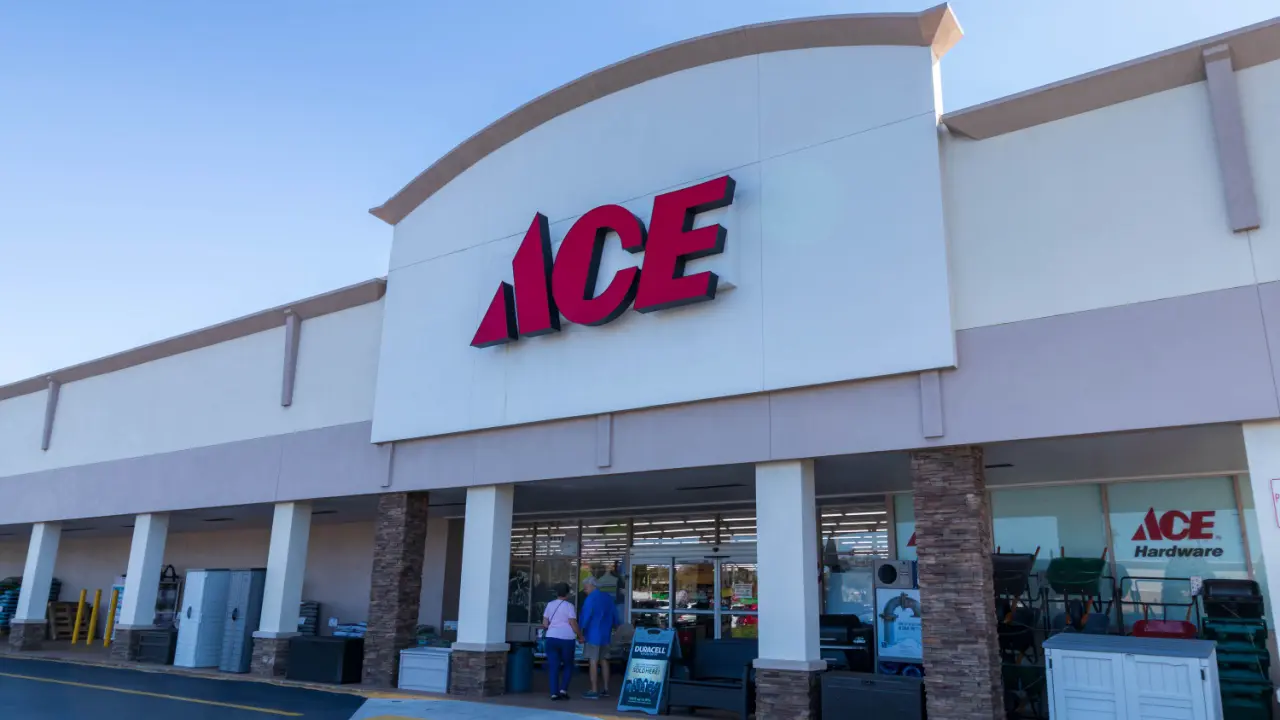
Small-format stores are also making inroads in the home improvement category. The past few years have seen consumers across the U.S. migrating to smaller suburban and rural markets – and retailers like Harbor Freight Tools and Ace Hardware are harnessing their small-format advantage to accommodate these customers while keeping costs low.

Harbor Freight tools and Ace Hardware’s trade areas have a high degree of overlap with some of the highest growth markets in the U.S., many of which have populations under 200K. And while it can be difficult to justify opening a Home Depot or Lowe’s in these hubs – both chains average more than 100,000 square feet per store – Harbor Freight Tools and Ace Hardware’s smaller boxes, generally under 20,000 square feet, are a perfect fit.

This has allowed both chains to tap into the smaller markets which are attracting growing shares of the population. And so while Home Depot and Lowe’s have seen moderate visits declines on a YoY basis, Harbor Freight and Ace Hardware have seen consistent YoY visit boosts since Q1 2024 – outperforming the wider category since early 2023. 

Hy-Vee Bucks the Trend by Going Big  

Are smaller stores a better bet across the board? At the end of the day, the success of smaller-format stores depends largely on the category. For retail segments that have seen visit trends slow since the pandemic – home furnishings and consumer electronics, for example – smaller-format stores offer brands a more economical way to serve their customers. Retailers have also used smaller-format stores to better curate their merchandise assortments for their most loyal customers, helping to drive improved visit frequency.

That said, a handful of retailers, such as Hy-Vee, have recently bucked the trend of smaller-format stores. These large-format stores are often designed as destination locations – Hy-Vee’s larger-format locations usually offer a full suite of amenities beyond groceries, such as a food hall, eyewear kiosk, beauty department, and candy shop. Rather than focusing on smaller markets, these stores aim to attract visitors from surrounding areas.

Visit data for Hy-Vee’s large-format store in Gretna, Nebraska indicates that this location sees a higher percentage of weekend visits than other area locations – 37.7% compared to 33.1% for the chain’s Omaha CBSA average – as well as more visits lasting over 30 minutes (32.9% compared to 21.9% for the metro area as a whole). For these shoppers, large-format, one-stop shops offer a convenient – and perhaps more exciting – alternative to traditionally sized grocery stores. The success of the large-format stores is another sign that though convenience isn’t everything in 2024, it certainly resonates – especially when paired with added-value offerings.

A Resurgence of Legacy Brands

Many retail brands have entrenched themselves in American culture and become an extension of consumers' identities. And while some of these previously ubiquitous brands have disappeared over the years as the retail industry evolved, others have transformed to keep pace with changing consumer needs – and some have even come back from the brink of extinction. And the quest for value notwithstanding, 2024 has also seen the resurgence of many of these (decidedly non-off-price) legacy brands. 

In apparel specifically, Gap and Abercrombie & Fitch – two brands that dominated the cultural zeitgeist of the 1990s and early 2000s before seeing their popularity decline somewhat in the late aughts and 2010s – may be staging a comeback. Bed Bath & Beyond, a leader in the home goods category, is also making a play at returning to physical retail through partnerships.

Anthropologie, another legacy player in women’s fashion and home goods, is also on the rise. Anthropologie’s distinctive aesthetic resonates deeply with consumers – especially women millennials aged 30 to 45. And by capturing the hearts of its customers, the retailer stands as a beacon for retailers that can hedge against promotional activity and still drive foot traffic growth. 

And visits to the chain have been rising steadily. In Q4 2023, the chain experienced a bigger holiday season foot traffic spike than pre-pandemic, drawing more overall visits than in Q4 2019. And in Q3 2024, visits were higher than in Q3 2023.

Meeting the Evolving Needs of Millennials 

And speaking of the 35 to 40 set – the generation that all retailers are courting? Millennials. Does that sound familiar? Yes, because this is the same generational cohort that retailers tried to target a decade ago. As millennials have aged into the family-formation stage of life, their retail needs have evolved, and the industry is now primed to meet them. 

Sam’s Club Draws Value-Conscious Singles and Starters

From the revival of nostalgic brands like the Limited Too launch at Kohl’s to warehouse clubs expanding memberships to younger consumers as they move to suburban and rural communities, there are myriad examples of retailers reaching out to this cohort. And Sam’s Club offers a prime example of this trend. 

Over the past few years, millennials and Gen-Zers have emerged as major drivers of membership growth at Sam’s Club, drawn to the retailer’s value offerings and digital upgrades – like the club’s Scan & Go technology. Over the same period, Sam’s Club has grown the share of “Singles and Starters” households in its captured market from 6% above the national benchmark in Q3 2019 to 15% in Q3 2024. And with plans to involve customers in co-creating products for its private-label brand, Sam’s Club may continue to grow its market share among this value-conscious – but also discerning and optimistic – demographic. 

Taco Bell Brings in Crowds With Value Nostalgia Menu 

Millennials are also now old enough to wax nostalgic about their youth – and brands are paying attention. This summer, Taco Bell leaned into nostalgia with a promotion bringing back iconic menu items from the 60s, 70s, 80s, and 90s – all priced under $3. The promotion, which soft-launched at three Southern California locations in August, was so successful that the company is now offering the specials nationwide. The three locations that trialed the “Decades Menu” saw significant boosts in visits during the promotional period compared to their daily averages for August. And people came from far and wide to sample the offerings – with a higher proportion of visitors traveling over seven miles to reach the stores while the items were available.

What Lies Ahead?

Hot on the heels of a tumultuous 2023, 2024’s retail environment has certainly kept retailers on their toes. While embracing innovative value has helped some chains thrive, other previously ascendant value segments, including discount & dollar stores, may have reached their growth ceilings. Consumers clearly care about convenience – but are willing to make multiple grocery stops to find what they need. At the same time, legacy brands are plotting their comeback, while others are harnessing the power of nostalgia to drive millennials – and other consumers – through their doors. 

INSIDER
Specialty and Value Chains Transform Grocery in 2024
Specialty and value grocery chains have emerged as top performers in Q3 2024. What insights can location analytics provide about this trend? We dove into the data to find out.
November 7, 2024
8 minutes

Overview

The grocery industry has navigated unprecedented challenges in recent years – from pandemic-driven shifts in consumer behavior and supply chain disruptions to rising costs, labor shortages, and increased operational demands. In the face of these hurdles, the category has been pushed to innovate, adapting everything from product selections to shopping formats to meet changing consumer expectations.  

But within the grocery industry, some segments resonate particularly strongly with the 2024 consumer. This white paper dives into the data to explore two segments that have been leading category-wide visit growth for some time: specialty and fresh format stores, which focus on produce, organic foods, and culturally specific items (think Trader Joe’s, Sprouts Farmers Market, and H Mart, to name a few), and value grocery chains like Aldi, WinCo Foods, and Grocery Outlet Bargain Market.  Location analytics show shoppers are increasingly drawn to these two grocery store types, a shift that has the potential to reshape the grocery landscape.

How did value and specialty grocery chains perform in Q3 2024 in comparison to traditional supermarkets like Kroger, Albertsons, and H-E-B? How does visitor behavior vary between the three grocery segments, and what differences can be observed in the demographic and psychographic make-ups of their trade areas? The report explores these questions and more below. 

Grocery’s Continued Resilience

The grocery industry has performed well over the past few months, with steady weekly year-over-year (YoY) visit increases throughout Q3 2024. During the week of July 1st, the segment saw a 4.6% YoY foot traffic boost, likely driven by shoppers loading up on ingredients for Independence Day barbecues and picnics. And after tapering somewhat in early August, visits picked up again in September, with YoY increases ranging from 2.0% to  2.9% throughout the month. This positive growth is a good sign for the segment – which has experienced more than its fair share of challenges over the past few years. 

Non-Traditional Grocery Chains Propel Industry Growth in 2024

Though the grocery category as a whole is thriving, a closer look at different segments within the industry reveals that some are seeing more significant growth than others. 

Indeed, digging deeper into grocery visits throughout Q3 2024 reveals that much of the industry’s growth is being driven by specialty and fresh format stores and value grocery chains. The two segments offer markedly different shopping experiences: Specialty chains tend to emphasize harder-to-find ingredients and fresh produce – sometimes even at higher price points than traditional grocery stores – while value grocery stores focus on affordability. But both categories are experiencing outsize visit growth in 2024, highlighting consumers’ dual interest in both quality and value. 

In July and August 2024, traditional supermarkets, specialty grocers, and value chains all experienced positive YoY visit growth. But while traditional grocery stores saw a 3.1% increase in July and just a 0.9% uptick in August, value and specialty chains saw YoY growth ranging from 4.7% to 7.7% during the two months. In September 2024, YoY visits to traditional grocery stores fell by 0.5%, while value and specialty chains saw 5.0% and 5.2% increases, respectively. For today’s consumer, it seems, savings are key – but specialty offerings also resonate strongly. 

Shoppers Go the Extra Mile for Specialty Finds

Traveling Further to Specialty Grocery Stores

Today’s grocery shoppers are increasingly embracing specialty grocery options – and analyzing consumer driving habits to grocery stores shows that they are willing to go the extra mile to reach them. 

Breaking down grocery visits by distance traveled reveals that just 18.5% of visits to specialty and fresh format grocery chains came from less than one mile away in Q3 2024 – compared to 23.9% for traditional grocery stores and 23.2% for value chains. Similarly, 31.3% of visits to specialty and fresh format grocery stores originated from one to three miles away, compared to 34.7% and 34.5% for the other analyzed segments. 

On the flip side, some 26.4% of visits to specialty and fresh format stores were made by people traveling at least seven miles to do their shopping – compared to 22.7% and 21.4% for traditional and value chains, respectively. Specialty grocery operators can account for this difference, locating stores in areas accessible to geographically dispersed audiences eager to shop their unique offerings. 

Longer Drives Each Year

And a look at changes in visitor behavior at three key specialty chains – Trader Joe’s, Sprouts Farmers Market, and Great Wall Supermarket – shows that even as these brands expand their footprints, customers are increasingly willing to travel the distance to visit them. Between 2019 and 2024, all three chains saw a marked increase in the share of visitors traveling over seven miles to shop their offerings. .

Asian grocery chain Great Wall Supermarket, a relatively small regional chain with some 22 locations across eight states, saw the most significant increase in visits from afar over the analyzed period. In Q3 2024, 32.3% of visits to the chain originated from seven or more miles away, up from 28.3% in Q3 2019. Ranked America’s Best Supermarket by Newsweek in 2024, the chain’s wide selection of everything from seafood to fresh produce has made it a hit among Asian food aficionados – and as the supermarket’s reputation grows, so does its draw among customers living further away from its venues.

Consumer favorite Trader Joe’s and organic grocery chain Sprouts Farmers Market also grew their shares of long-distance visits between 2019 and 2024  –  no small feat for the two chains, given their expansion over the past several years. 

This travel distance snapshot serves as a reminder of the unique role played by specialty grocery stores that offer their customers unique shopping experiences, premium or organic products, and culturally specific items.  Shoppers will go out of their way to travel to these stores – and even as they expand and become more readily accessible, their growing popularity makes them ever-more attractive destinations for customers coming from further away.  

Cost-Conscious Consumers Take Their Time at Value Grocers

While visitors to specialty grocery chains often travel long distances for unique offerings, cost-conscious consumers at value stores exhibit other behaviors that differentiate them from traditional and specialty grocery shoppers. 

In Search of Savings

The rising cost of living has pushed the discount retail segment into overdrive – and value grocery chains are also benefiting. The category has flourished in recent years, with many bargain-oriented grocery chains adding new stores at a rapid clip to meet burgeoning consumer demand. 

Like visitors to specialty grocery chains, value grocery shoppers demonstrate segment-specific behaviors that reflect their preferences and habits. And perhaps most strikingly, foot traffic data reveals that these shoppers tend to stay longer in-store than visitors to traditional and specialty grocery chains.

In Q3 2024, 26.5% of visits to value grocery chains lasted longer than 30 minutes, compared to 23.4% for traditional grocery chains and 23.7% for specialty and fresh format chains. This suggests that these stores attract shoppers who take their time and carefully consider price points, looking for the best value for their dollar – a need that the chains they frequent seem to be meeting. 

Given the tremendous success of the value grocery space in recent years, it may come as no surprise that some traditional supermarkets are getting in on the action by opening or expanding discount banners of their own. How do such off-shoot banners impact these grocers’ reach? 

H-E-B’s Value Banner Draws Parents – Balancing Visit Frequency with Duration

Cult-favorite Texas grocery chain H-E-B opened the first branch of its value banner, Joe V’s Smart Shop, in 2010. The discount arm currently includes 11 stores – mainly in the Houston area – with several new stores opening, or in planning stages, in Dallas.

And foot traffic data shows that Joe V's attracts mission-driven shoppers who make less frequent but significantly longer trips than visitors to traditional grocery stores. In Q3 2024, the average visit duration at Joe V’s was 37.8 minutes, compared to just 26.8 minutes at H-E-B –  a full 11 minute difference.  At the same time, while 38.5% of Q3 visits to H-E-B were made by customers frequenting the chain, on average, at least four times a month, just 11.8% of visits to Joe V’s were made by visitors reaching that threshold. 

Joe V’s is also more likely than H-E-B to attract parental households, with 36.8% of its captured market made up of households with children – significantly higher than H-E-B’s 32.0%. 

Together, these data points paint a picture of the average Joe V’s shopper: cost-conscious, likely to have children, and inclined to carefully plan shopping trips to maximize savings and cut down on grocery runs. This suggests that they are mission-driven and focused on stocking up rather than running out to grab ingredients as the need arises. 

Hy-Vee Reaches Broader Customer Base With Dollar Fresh

Major grocery store operators often operate a variety of store types at different price points to appeal to as many shoppers as possible, and Hy-Vee is no exception. The regional grocery favorite launched a discount chain, Dollar Fresh, in 2018 and currently operates 25 stores under that banner, aiming to attract middle-class, cost-conscious shoppers.

Using Experian’s Mosaic dataset to analyze Dollar Fresh’s trade area reveals that the chain’s captured market features significantly higher shares of lower-middle-class family consumers than its potential one – highlighting its special draw for these shoppers. (A chain’s potential market is obtained by weighting each Census Block Group (CBG) in its trade area according to population size, thus reflecting the overall makeup of the chain’s trade area. A business’ captured market, on the other hand, is obtained by weighting each CBG according to its share of visits to the chain in question – and thus represents the profile of its actual visitor base. Comparing a chain’s captured market to its potential one can serve as a helpful gauge of the brand’s success at attracting key audience segments.)

In Q3 2024, the “Pastoral Pride” family segment represented 11.4% of Dollar Fresh’s captured market, compared to just 5.3% of its potential market. This over-representation of lower-middle-class consumers from small towns in Dollar Fresh’s captured market indicates that the chain is especially effective at drawing customers that belong to this segment. Though Hy-Vee’s captured market also boasted a higher share of this demographic than its potential one in Q3, the difference was much smaller – and the chain’s overall reach among these consumers was more limited.

In contrast, Hy-Vee excels at attracting “Flourishing Families” – affluent, middle-aged families and couples – who made up 10.3% of the supermarket’s captured market in Q3 2024. Dollar Fresh’s captured market, on the other hand, featured a smaller share of this segment than its potential one – showing that the discount chain is of less interest to these consumers. So while Hy-Vee tends to appeal to higher-income families with more spending flexibility, value-conscious shoppers have been making their way to Dollar Fresh. 

This audience segmentation analysis shows how value offerings help grocery chains attract wider audiences – and highlights the advantage of operating multiple store types to appeal to a broader range of shoppers.

Grocery Stores at a Crossroads

People will always need access to a variety of fresh foods – ensuring that grocery stores and supermarkets continue to play a vital role in in the retail landscape. And while the category as a whole has continued to thrive even in today’s challenging environment, specialty and value grocery chains resonate particularly strongly with the 2024 consumer. As grocery retailers diversify their formats, those aligning with consumer preferences for affordability, uniqueness, and quality are well-positioned for continued growth.

INSIDER
Report
Meet You at the Mall: Malls' Summer Draw
We dove into the data to see how malls have been performing in 2024 – and explore factors driving mall foot traffic during peak summer months
October 11, 2024
8 min read

Malls have come a long way since their introduction to the world in the 1950s. These gleaming retail hubs promised shoppers a taste of the American dream, offering a third place for teens, families, and everyone in between to shop, socialize, and hang out. 

And though malls have faced challenges in recent years, as e-commerce and pandemic-induced store closures led to shifts in consumer habits, the outlook is brightening. Malls have embraced innovation, incorporating enhanced entertainment, dining, and experiential offerings that attract a diverse range of visitors and redefine their purpose.

This white paper takes a look at the recent location intelligence metrics to gain an understanding of the changes taking place at malls across the country – including both indoor malls and open-air shopping centers. The report explores questions like: Why do malls experience foot traffic bumps during the summer months? How much of an impact do movie theaters have on mall visits, and what can mall operators learn from the Mall of America and American Dream malls’ focus on experiential entertainment?

2024’s Summer Peak at the Mall

Mall visitation is highly seasonal, with strikingly consistent monthly visitation patterns. Each year, visits decline somewhat in February, pick up in March, and begin to trend upward again in May – before peaking again in August. Then, after a slower September and October, foot traffic skyrockets during the holiday season, spiking dramatically in December. 

And while these trends follow similar patterns every year, comparing monthly visits throughout 2019, 2023, and 2024 (YTD) to each year’s own January baseline shows that this seasonality is growing more pronounced - especially for indoor malls.

Following a lackluster 2023, visits to both indoor malls and open-air shopping centers peaked higher in March 2024 than in 2019. And this summer, indoor malls in particular saw a much larger visit boost than in previous years. In August 2024, for example, visits to indoor malls were 27.3% higher than in January 2024 – a substantially higher baseline jump than that seen either in August 2019 (17.0%) or in August 2023 (12.0%). And though open-air shopping centers experienced a smaller summer visit boost, they too saw a bigger bump this year than in 2019 or in 2023. 

Summer Of Shopping

But malls aren’t just seeing larger visit spikes this year relative to their January baselines – they are also drawing bigger crowds than they did in 2023.

Between June and August 2024, indoor malls and open-air shopping centers both experienced year-over-year (YoY) visit growth. Indoor malls saw the largest YoY foot traffic boost (3.7%) – perhaps owing in part to 2024’s record-breaking heat, which led many patrons to seek refuge in air conditioned spaces. Still, open-air shopping centers, which feature plenty of air conditioned stores and restaurants, also enjoyed a YoY visit boost of 2.8% during the analyzed period. 

Malls’ strong summer baseline and YoY foot traffic growth built upon the strong performance seen during most of 2024 so far, leading to the question: What is driving malls’ positive momentum? We delve into some of the factors propelling these changes below.

Blockbuster Attractions Bring Audiences 

One offering that continues to play a significant role in driving foot traffic to malls is on-site movie theaters. Summer blockbuster releases, in particular, help attract crowds to theaters, in turn boosting overall visits to malls. 

Much like malls, movie theaters have also proven their resilience over the past few years. While pundits fretted about the theater’s impending death, production houses were busy releasing blockbuster after blockbuster and shattering box-office records at an impressive clip. And while 2023 was certainly a banner year for blockbuster summer releases, 2024 has had its fair share of stunning box-office successes, leading to major visit boosts at theaters across the country. 

Analyzing visits to malls with and without movie theaters highlights the impact of these summer Hollywood hits. Between June and August 2024, malls with theaters saw bigger visit boosts compared to a monthly year-to-date (YTD) average than malls without – an effect observed both for indoor malls and for open-air shopping centers.

For both mall types, the gap between centers with and without movie theaters was most pronounced in July 2024, likely owing to the release of Inside Out 2 in mid-June as well as the July releases of Deadpool & Wolverine and Twister. But in June and August 2024, too, centers with movie theaters sustained particularly impressive visit boosts – a solid sign that movie theaters and malls remain a winning combination.  

Movies at the Mall: An Evening Affair

Malls with movie theaters also drew higher shares of evening visits (7:00 PM - 10:00 PM) this summer than those without. Between June and August 2024, for example, evening outings accounted for 22.9% of visits to open-air shopping centers with movie theaters – compared to 18.2% of visits to centers without theaters. Indoor malls with theaters also saw a larger share of evening visits than those without – 18.1% compared to 15.0%. 

This increase in evening traffic is likely driven by major summer movie releases and the flexibility of summer schedules, with many visitors – including families – taking advantage of late-night outings without the concern of early wakeup calls. These summer visitation trends benefit both theaters and malls, opening up opportunities for increased sales through concessions, promotions, and evening deals that attract a more relaxed and engaged crowd.

Families Lead the Summer Mall Surge

Analyzing the demographics of malls’ captured markets also reveals that centers with movie theaters are more likely to attract certain family-oriented segments than those without. (A mall’s captured market consists of the mall’s trade areas – the census block groups (CBGs) feeding visitors to the mall – weighted according to each CBG’s actual share of visits to the mall.)

Between June and August 2024, for example, 14.2% of the captured markets of open-air shopping centers with movie theaters were made up of “Wealthy Suburban Families” – compared to 9.7% for open-air shopping centers without theaters.  

Indoor malls saw a similar pattern with regard to “Near-Urban Diverse Families”: Middle class families living in and around cities made up 9.0% of the captured markets of indoor malls with movie theaters, compared to 7.1% of the captured markets of those without. 

This increase in foot traffic from middle-class and wealthy family segments can be a boon for malls and retail tenants – driving up food court profits and bolstering sales at stores with kid-friendly offerings. 

Malls as the Main Attraction

Willing to Travel: Malls Draw Summer Visits From Afar

Malls have long positioned themselves as destinations for summer entertainment as well as retail therapy, holding – in addition to back to school sales – events like Fourth of July celebrations and even indoor basketball and arena football games. And during the summer months, malls attract visitors from further away.

Between June and August 2024, indoor malls drew 18.2% of visitors from 30+ miles away – compared to just 16.7% during the first five months of the year. Similarly, open-air shopping centers drew 19.6% of visits from 30+ miles away during the summer, compared to 17.1% between January and May. 

Extended daylight hours, summer trips away from home, and more free time are likely among the contributors to the summer draw for long-distance mall visitors. But in addition to their classic offerings – from movie theaters to stores and food courts – malls have also invested in other kinds of unique experiences to attract visitors. This next section takes a look at two mega-malls winning at the visitation game, to see what sets them apart.

Mall Of America: Experiential Exuberance

The Minneapolis-based Mall of America opened in 1992, redefining the limits of what a mall could offer. The mall boasts hundreds of stores, games, rides, and more – and is constantly expanding its attractions, cementing its status as a top destination for retail and entertainment. 

Between June and August 2024, Mall of America experienced a 13.8% YoY visit increase, far outperforming the 3.7% visit boost seen by the wider indoor mall space. And as a major tourist attraction – the mall hosted a series of Olympic-themed events throughout the summer – it also drew 41.6% of visits from 30+ miles away. This share  of distant visitors was significantly higher than that seen at the mall during the first five months of 2024, and more than double the segment-wide summer average of 18.2%.

The Mall of America also seems to be attracting more upper-middle-class families during the summer than other indoor malls: Between June and August 2024, some 18.0% of Mall of America’s captured market consisted of  “Upper Suburban Diverse Family Households”  – a segment including upper-middle-class suburbanites – compared to just 11.1% for the wider indoor mall segment. The increased presence of these families at the Mall of America may be driven by the variety of events offered during the summer.

American Dream Mall:  ArenaBowl Draws Crowds

In 2019, the American Dream Mall in New Jersey opened and became the second-largest mall in the country. Since the mall opened its doors, it has also focused on blending retail and entertainment to draw in as wide a range of visitors as possible – and summer 2024 was no exception. 

The mall hosted the Arena Football League Championship, ArenaBowl XXXIII, on Friday, July 19th. The event successfully attracted a higher share of visitors traveling from 30+ miles away compared to the average summer Friday – 35.4% compared to 25.7%. 

Visits to the mall on the day of the championship were also 13.6% higher than the Friday visit average for the period between June and August 2024, showcasing the mall’s ability to draw in crowds by hosting major events.

Summer Rush Recap: Mall Visitation in Focus

Malls – both indoor and open-air – continue to evolve while playing a central role in the American retail landscape. Increasingly, malls are emerging as destinations for more than just shopping – especially during the summer – driving up foot traffic and attracting visitors from near and far. And while much is often said about the impact of holiday seasons on mall foot traffic, summer months offer another opportunity to boost mall visits. Malls that can curate experiences that resonate with their clientele can hope to see foot traffic growth – in the summer months and beyond.

Loading results...
We couldn't find anything matching your search.
Browse one of our topic pages to help find what you're looking for.
For more in-depth analyses on a variety of subjects, explore Reports.
The Anchor Logo
INSIDER
Stay Anchored: Subscribe to Insider & Unlock more Foot Traffic Insights
Gain insider insights with our in-depth analytics crafted by industry experts
— giving you the knowledge and edge to stay ahead.
Subscribe